Table of Contents
Published: October 28, 2025
Read Time: 26.9 Mins
Total Views: 184
Understanding Vaccine Safety: A Foundation of Trust and Science
As a physician who has dedicated my career to infectious disease prevention and public health, I understand that vaccine safety concerns represent some of the most important questions parents and patients ask their healthcare providers. These concerns are natural, understandable, and deserve comprehensive, evidence-based answers grounded in scientific rigor and compassionate communication.
Vaccines undergo the most extensive safety testing of any medical intervention we use in modern medicine. Unlike most medications that treat existing illness, vaccines are administered to healthy people—including infants and children—to prevent future disease. This fundamental difference establishes exceptionally high safety standards that exceed those applied to virtually all other medical products. The scientific evidence demonstrates that vaccines work through a multi-layered approach to safety assurance that begins years before the first dose reaches a patient and continues throughout the entire time a vaccine remains in use.

The comprehensive vaccine safety infrastructure involves rigorous preclinical testing, extensive clinical trials involving tens of thousands of participants, meticulous regulatory review by independent expert panels, and sophisticated post-market surveillance systems that monitor millions of vaccine recipients in real-time. This systematic approach has been carefully monitored and refined over decades, incorporating lessons learned from both successes and rare adverse events to create the most robust safety framework in medical history.
My commitment to transparent vaccine safety communication stems from recognition that public trust depends on honest acknowledgment of both the overwhelming benefits vaccines provide and the rare risks they may pose. Through examining the scientific evidence, understanding the oversight systems, and addressing concerns with empathy and precision, we can build informed confidence in one of public health’s greatest achievements.
The Rigorous Pre-Approval Testing Process
Before any vaccine reaches the public, it undergoes an exhaustive testing process that typically spans 10-15 years and costs hundreds of millions of dollars. This comprehensive evaluation begins with several years of preclinical laboratory testing using cell cultures and animal studies to investigate how the vaccine triggers immune system responses and to detect any initial signals of toxicity or adverse reactions.
The clinical trial phase follows a carefully structured progression through three distinct phases, each designed to answer specific safety and efficacy questions with increasingly larger and more diverse participant populations. Phase I trials involve 20-100 healthy volunteers and focus primarily on initial safety assessment, immune system response measurement, and optimal dosing determination. These studies provide the first human safety data and establish whether the vaccine produces the intended immune response without causing unacceptable adverse events.
Phase II trials expand to several hundred participants and emphasize both expanded safety evaluation and preliminary efficacy assessment. These studies include more diverse populations representing different age groups, ethnicities, and underlying health conditions to ensure the vaccine performs safely across the spectrum of people who will eventually receive it. Researchers carefully monitor all participants for both immediate reactions and longer-term health outcomes, building a comprehensive safety profile before advancing to the final testing phase.

Phase III trials represent the most extensive and rigorous evaluation, involving thousands to tens of thousands of participants across multiple countries and healthcare settings. These randomized, double-blind, placebo-controlled studies rigorously compare vaccinated groups with control groups to detect differences in both disease prevention and adverse event occurrence. The statistical power of these large studies enables detection of even moderately rare safety concerns that might affect one in several thousand vaccine recipients.
Clinical Trial Safety Protocols
The design and conduct of vaccine clinical trials incorporate multiple layers of safety oversight that extend far beyond basic efficacy measurement. Independent Data Safety Monitoring Boards, composed of experts in infectious diseases, biostatistics, and clinical research ethics, continuously review accumulating safety and efficacy data throughout each trial phase. These boards have the authority to modify, pause, or terminate studies if safety concerns emerge, ensuring participant welfare always takes precedence over research objectives.
Clinical trial protocols establish specific safety endpoints and adverse event tracking procedures that require systematic documentation of all health problems occurring after vaccination, regardless of whether researchers suspect any causal relationship. This comprehensive approach captures both expected vaccine reactions like mild fever or sore arm and unexpected events that might represent genuine safety signals requiring further investigation.
Participant diversity represents a critical component of modern vaccine safety testing, with trials specifically designed to include adequate representation across age groups, racial and ethnic populations, pregnant women when appropriate, and individuals with various underlying health conditions. This inclusive approach ensures that safety data reflects the full spectrum of people who will receive the vaccine in real-world settings, rather than just young, healthy adults who might not represent the broader population.
The FDA’s Vaccines and Related Biological Products Advisory Committee conducts public meetings where independent scientific experts review all clinical trial data, manufacturing information, and proposed labeling before making recommendations about vaccine approval. These transparent proceedings allow public observation of the rigorous scientific evaluation process and demonstrate the thoroughness of regulatory review.
Quality control testing occurs for every single vaccine batch produced, with manufacturers required to test each lot for potency, purity, and safety before distribution. This batch-by-batch verification ensures consistent vaccine quality and provides an additional safety checkpoint between manufacturing and patient administration.
Post-Approval Safety Monitoring Systems
Vaccine safety evaluation extends far beyond the pre-approval testing phase through sophisticated surveillance systems that monitor vaccine safety in millions of recipients across diverse real-world settings. This ongoing safety assessment recognizes that even the largest clinical trials cannot detect extremely rare adverse events that might occur in fewer than one in 10,000 or one in 100,000 recipients, and that long-term effects require extended observation periods impossible during pre-approval development.
The United States maintains one of the world’s most comprehensive vaccine safety monitoring infrastructures, involving coordination between the Centers for Disease Control and Prevention (CDC), the Food and Drug Administration (FDA), health care organizations, academic medical centers, and state and local health departments. This collaborative network combines multiple complementary surveillance approaches to provide both early warning capabilities and definitive safety assessments.
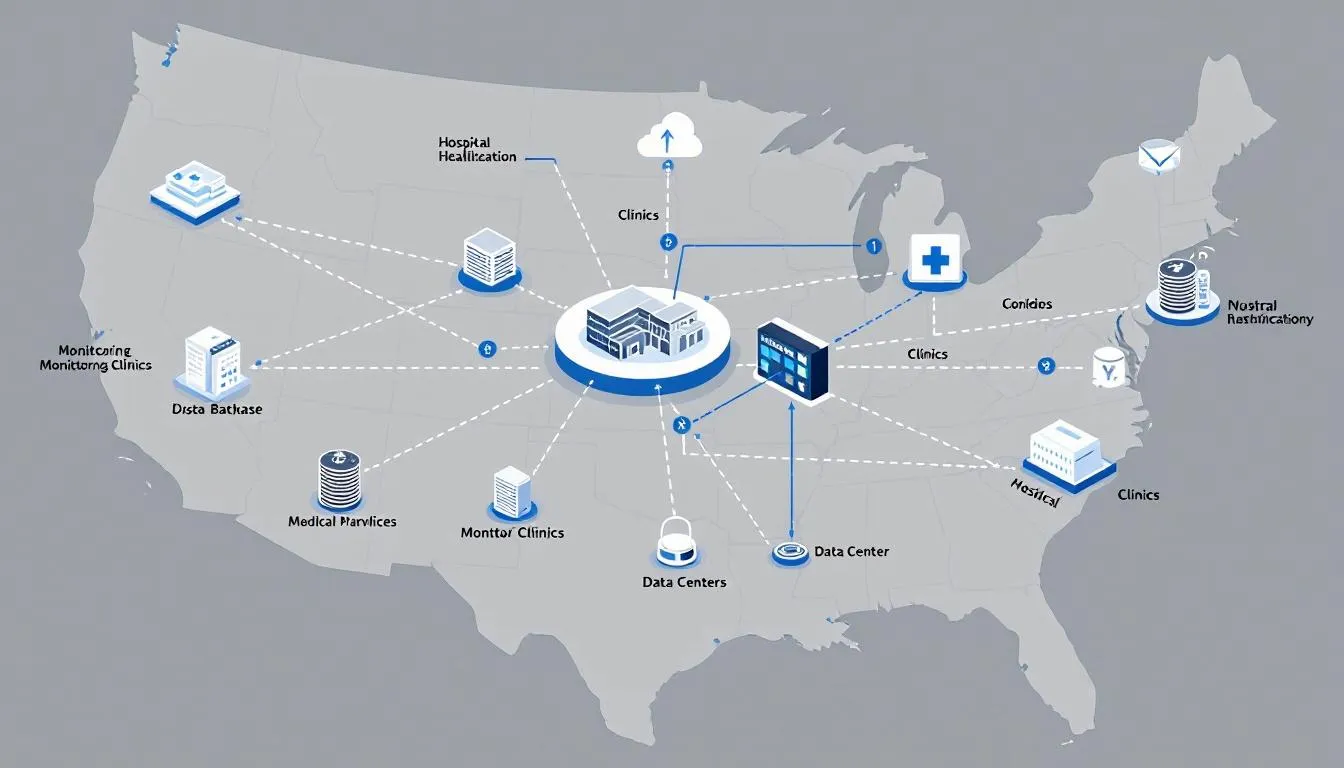
Passive surveillance systems collect voluntary reports of adverse events from healthcare providers, patients, vaccine manufacturers, and the general public, providing broad coverage and early signal detection capabilities. Active surveillance systems use electronic health records and administrative databases to systematically analyze health outcomes in vaccinated populations, offering more systematic and complete data collection with statistical power to detect small increases in risk.
The integration of these surveillance approaches creates a comprehensive safety monitoring network capable of detecting safety signals within weeks of their emergence and conducting definitive studies to determine whether observed health problems represent genuine vaccine-related risks or coincidental occurrences unrelated to vaccination.
Vaccine Adverse Event Reporting System (VAERS)
Since 1990, the Vaccine Adverse Event Reporting System has functioned as the primary early warning system for potential vaccine safety problems in the United States. Jointly administered by the CDC and FDA, VAERS accepts reports from healthcare providers, patients, parents, and vaccine manufacturers describing any adverse event that occurs following vaccination, regardless of whether the reporter suspects a causal relationship.
The strength of VAERS lies in its sensitivity and broad coverage—it can detect safety signals for extremely rare events and provides a mechanism for anyone to report concerns about possible vaccine reactions. Healthcare providers are required to report certain serious adverse events, while vaccine manufacturers must report all adverse events that come to their attention, ensuring systematic capture of safety information from multiple sources.
Healthcare providers and patients can submit VAERS reports through an online system that collects detailed information about the vaccine recipient, the vaccines administered, the adverse event experienced, medical history, and clinical course. This information undergoes preliminary review for completeness and medical plausibility, with serious reports receiving expedited evaluation and follow-up investigation when appropriate.
The analysis of VAERS data requires sophisticated statistical and epidemiological methods to distinguish genuine safety signals from the background occurrence of health problems that would happen regardless of vaccination. Medical epidemiologists use techniques like disproportionality analysis and temporal trend evaluation to identify patterns suggesting possible causal relationships between specific vaccines and adverse events.
However, VAERS data has important limitations that require careful interpretation. Since anyone can submit a report and no verification of causality occurs during initial data collection, VAERS cannot by itself determine whether vaccines actually caused reported adverse events. Some reported events may represent coincidental occurrences, misattributed causation, or even occasional false reports, requiring confirmation through more rigorous studies using additional data sources.
Vaccine Safety Datalink (VSD) and Clinical Immunization Safety Assessment (CISA)
The Vaccine Safety Datalink provides active surveillance capabilities through analysis of electronic health records from major healthcare systems covering over 12 million people across diverse geographic regions and demographic groups. This comprehensive database enables real-time monitoring of health outcomes in vaccinated populations and provides the statistical power needed to detect even small increases in risk for specific adverse events.
VSD’s strength derives from its large size, diverse population coverage, and systematic data collection that captures both vaccination records and subsequent healthcare utilization patterns. The system can rapidly analyze whether specific health problems occur more frequently than expected following vaccination, providing definitive answers about potential safety concerns within weeks or months of signal detection.
The Clinical Immunization Safety Assessment project operates as a national network of vaccine safety experts who provide consultation services for complex cases involving possible vaccine reactions. When healthcare providers encounter patients with unusual or severe adverse events following vaccination, CISA experts can provide specialized evaluation, diagnostic guidance, and recommendations for future vaccination decisions.

The V-safe smartphone monitoring system, introduced during COVID-19 vaccine deployment, represents an innovative approach to safety monitoring that allows vaccine recipients to report their health status directly through text messaging and web-based surveys. This system enrolled millions of participants and provided unprecedented real-time safety data during the largest vaccination campaign in history.
Integration of electronic health records across multiple healthcare systems enables comprehensive safety analysis that tracks vaccinated individuals across different providers and healthcare settings. This approach overcomes limitations of single-site studies and provides more complete ascertainment of health outcomes, including serious adverse events requiring emergency department visits or hospitalization.
Global Vaccine Safety Oversight and Collaboration
Vaccine safety monitoring operates as a global enterprise involving coordination between international organizations, national regulatory agencies, academic institutions, and healthcare systems worldwide. The World Health Organization’s Global Advisory Committee on Vaccine Safety, established in 1999, serves as the primary international forum for evaluating vaccine safety evidence and providing guidance to countries on safety assessment and risk communication.
The Brighton Collaboration, founded in 2000, brings together vaccine safety experts from around the world to develop standardized case definitions for adverse events following immunization, harmonize safety monitoring approaches, and facilitate sharing of safety data across international boundaries. This collaborative framework enables more rapid detection of safety signals and more robust evaluation of potential risks through pooled analysis of data from multiple countries.
International cooperation proves particularly crucial for monitoring the safety of new vaccines or detecting rare adverse events that may not be apparent in any single country’s surveillance system. The coordinated global response to rare blood clotting events following certain COVID-19 vaccines demonstrates how international collaboration enables rapid signal detection, thorough investigation, and evidence-based risk management decisions.
Regulatory agencies worldwide maintain regular communication about vaccine safety findings and coordinate their responses to emerging safety concerns. The International Conference on Harmonisation provides a framework for aligning safety monitoring standards and regulatory approaches across major markets, ensuring consistent high safety standards regardless of where vaccines are developed or manufactured.
Addressing Global Disparities in Vaccine Safety Infrastructure
Significant disparities exist in vaccine safety monitoring capabilities between high-income countries with sophisticated surveillance systems and low- and middle-income countries that may lack the infrastructure, technical expertise, or resources needed for comprehensive safety assessment. These disparities create both ethical concerns about equitable protection and practical challenges for global vaccine safety monitoring.
The WHO supports capacity-building efforts through training programs for healthcare workers in vaccine safety assessment, technical assistance for establishing national pharmacovigilance systems, and development of simplified monitoring tools appropriate for resource-limited settings. These initiatives aim to strengthen local capabilities while ensuring that safety data from all countries contributes to global understanding of vaccine safety profiles.
Technology solutions, including mobile-based reporting systems and cloud-based data management platforms, offer promising approaches for improving safety monitoring in countries with limited traditional infrastructure. These tools can bypass some traditional barriers while providing standardized data collection and analysis capabilities that support both local decision-making and international collaboration.
The ethical imperative for global vaccine safety equity recognizes that all people, regardless of their country’s economic status, deserve protection through robust safety monitoring systems. Achieving this goal requires sustained international cooperation, technical assistance, and resource sharing to ensure that vaccine safety standards remain consistently high worldwide.
Addressing Common Vaccine Safety Concerns with Evidence
Parents and patients frequently express concerns about vaccine safety that deserve compassionate acknowledgment and evidence-based responses. These safety concerns often arise from isolated reports of adverse events, misinterpretation of scientific studies, or exposure to misinformation that can create anxiety despite overwhelming scientific evidence supporting vaccine safety. Addressing these concerns requires both empathy for the emotional dimensions of health decision-making and clear communication about what scientific evidence actually demonstrates.
The distinction between correlation and causation represents a fundamental concept in vaccine safety research that helps explain why some reported adverse events following vaccination do not necessarily indicate that vaccines caused those problems. When millions of people receive vaccines, some will inevitably experience health problems in the days or weeks following vaccination purely by coincidence, since illness and injury occur continuously in the population regardless of vaccination status.

Rigorous scientific studies use control groups, statistical analysis, and epidemiological methods to determine whether specific health outcomes occur more frequently in vaccinated compared to unvaccinated populations. The scientific evidence from dozens of large-scale studies consistently demonstrates that serious diseases prevented by vaccination far outweigh the risks of rare adverse events, and that most suspected vaccine-related health problems represent coincidental occurrences rather than causal relationships.
Healthcare providers play a crucial role in addressing individual patient concerns through honest discussion of both vaccine benefits and risks, acknowledgment of uncertainty where it exists, and personalized risk-benefit assessment based on each patient’s specific health status and circumstances. This individualized approach recognizes that informed consent requires understanding not just population-level data but how that evidence applies to personal health decisions.
Vaccine Ingredients and Safety
Public concerns about vaccine ingredients reflect understandable desires to understand what is being administered to children and family members. Vaccines contain several categories of components, each serving specific functions in vaccine production, stability, or immune response enhancement, and each evaluated for safety through extensive testing and monitoring.
Antigens represent the active components that stimulate immune system recognition and memory formation against specific infectious diseases. These may include weakened or killed whole viruses or bacteria, purified proteins from pathogens, or small pieces of genetic material that instruct cells to produce protective proteins. The quantity of antigens in modern vaccines has actually decreased dramatically compared to older formulations, with current childhood vaccines containing fewer total antigens than children would encounter in a single day of normal environmental exposure.
Adjuvants, such as aluminum salts that have been used safely in vaccines for over 80 years, enhance immune responses and allow effective vaccination with smaller amounts of antigen. The aluminum content in vaccines remains far below levels that could cause harm, with infants receiving more aluminum from breast milk or formula in their first months of life than from the entire childhood vaccination series.
Preservatives like thimerosal were removed from childhood vaccines in 2001 as a precautionary measure, despite extensive scientific evidence showing no association with autism or other serious health problems. The continued increase in autism diagnoses after thimerosal removal provided clear evidence that this preservative was not responsible for autism spectrum disorders, while numerous large-scale epidemiological studies have confirmed the absence of any causal relationship.
Other ingredients including formaldehyde (used in vaccine production and removed before final packaging), gelatin (a stabilizer derived from pork or beef), and various stabilizers and pH buffers are present in quantities far below those encountered in daily life and have extensive safety data supporting their use in vaccines. Understanding these ingredients in context helps address concerns while maintaining confidence in vaccine safety.
Debunking the Autism-Vaccine Myth
The proposed link between vaccines and autism represents one of the most thoroughly studied and definitively refuted hypotheses in vaccine safety research. More than 16 large-scale epidemiological studies involving over 1.25 million children have consistently found no association between vaccination and autism spectrum disorders, while the original study suggesting this link has been retracted due to data fabrication and ethical violations.
The 1998 study by Andrew Wakefield that initially proposed a connection between the MMR vaccine and autism involved only 12 children, used flawed methodology, and contained data that subsequent investigations revealed to be fraudulent. The lead author lost his medical license, and the prestigious medical journal that originally published the study issued a complete retraction, calling the research “utterly false.”
Multiple lines of evidence definitively refute any causal relationship between vaccines and autism. The continued increase in autism diagnoses after thimerosal removal from childhood vaccines demonstrates that this preservative was not responsible for autism occurrence. Large-scale studies comparing vaccinated and unvaccinated children show identical autism rates between groups, while studies examining the timing of vaccine administration find no relationship between vaccination schedules and autism development.
Current scientific understanding recognizes autism spectrum disorders as neurodevelopmental conditions with strong genetic components that begin during prenatal brain development, well before any vaccine exposure occurs. The apparent temporal association between autism diagnosis and early childhood vaccination reflects the coincidental timing of when parents first notice developmental concerns and when routine vaccinations are administered, rather than indicating any causal relationship.
The persistence of autism-vaccine concerns despite overwhelming contrary evidence illustrates the challenge of addressing misinformation that exploits parental fears and confirmation bias. Healthcare providers must approach these concerns with empathy while clearly communicating what decades of research have definitively established about vaccine safety and autism risk.
Ethical Frameworks in Vaccine Safety
Vaccine safety research and policy operate within established ethical frameworks that balance individual autonomy with collective responsibility for public health protection. The fundamental principles of medical ethics—beneficence (doing good), non-maleficence (avoiding harm), autonomy (respecting individual choice), and justice (ensuring fairness)—provide guidance for vaccine safety decisions while acknowledging the complex trade-offs involved in population-level health interventions.
The principle of beneficence requires that vaccine programs demonstrate clear net benefit by preventing more serious illness, disability, and death than they cause through adverse reactions. The overwhelming scientific evidence supporting vaccines’ positive benefit-risk profile reflects decades of research showing that vaccine preventable diseases pose far greater threats to individual and community health than the rare risks associated with vaccination.
Non-maleficence obligates healthcare providers and public health officials to minimize potential harms from vaccination through careful screening for contraindications, appropriate risk communication, and rapid response to emerging safety concerns. This principle supports the extensive safety monitoring systems that enable early detection and management of rare adverse events while maintaining overall confidence in vaccination programs.

Respect for autonomy requires informed consent processes that provide individuals with accurate information about both benefits and risks of vaccination, enabling them to make voluntary decisions aligned with their values and preferences. This principle supports transparent communication about vaccine safety evidence while acknowledging that individual risk-benefit calculations may vary based on personal health status, risk tolerance, and values.
The principle of justice demands equitable access to vaccine benefits and fair distribution of any risks across population groups. This ethical framework supports efforts to address global disparities in vaccine safety monitoring while ensuring that vulnerable populations receive appropriate protection rather than bearing disproportionate risks.
Special Populations and Safety Considerations
Certain populations require specialized safety considerations due to altered immune responses, increased vulnerability to adverse events, or limited safety data from clinical trials. Pregnant women, immunocompromised individuals, elderly populations, and people with severe allergies represent examples of groups requiring individualized risk-benefit assessment and specialized monitoring approaches.
Vaccination during pregnancy involves careful evaluation of both maternal and fetal safety, with extensive cohort data from tens of thousands of pregnancies demonstrating the safety of recommended vaccines like influenza and pertussis. These studies show no increase in miscarriage, birth defects, or adverse neonatal outcomes, while providing clear evidence of protection for both mothers and infants against serious infectious diseases.
Immunocompromised individuals may have reduced immune responses to vaccines and potentially increased risk of adverse events from live-virus vaccines, requiring modified vaccination schedules and careful medical supervision. Safety monitoring in these populations involves close collaboration between specialists and primary care providers to optimize protection while minimizing risks.
Protocols for vaccine administration in people with allergies or previous adverse reactions include careful pre-vaccination screening, appropriate emergency preparedness, and extended observation periods to enable rapid treatment of any allergic reactions. These risk mitigation strategies allow most people with allergies to receive vaccines safely while providing immediate medical support if problems occur.
Contraindications and precautions based on current safety evidence provide healthcare providers with clear guidance about when vaccines should be avoided or administered with special caution. These evidence-based recommendations balance individual safety with the importance of maintaining population immunity against vaccine preventable diseases.
The Future of Vaccine Safety Science
Advances in genomics, personalized medicine, and digital health technologies promise to revolutionize vaccine safety monitoring and risk prediction over the coming decades. Understanding individual genetic variations that influence immune responses and adverse event susceptibility may enable more personalized approaches to vaccination that optimize protection while minimizing risks for each individual.
Machine learning and artificial intelligence applications in safety signal detection offer the potential for more rapid and sensitive identification of emerging safety concerns through analysis of large-scale electronic health records, social media monitoring, and integration of diverse data sources. These technological advances could enable real-time safety assessment and more precise risk quantification than current methods allow.
Real-world evidence collection through electronic health records, wearable devices, and smartphone applications provides unprecedented opportunities for comprehensive safety monitoring that captures both immediate and long-term health outcomes in millions of vaccine recipients. The V-safe system’s success during COVID-19 vaccine deployment demonstrates the feasibility and value of direct patient engagement in safety monitoring.

Continued investment in safety research infrastructure, international collaboration, and capacity-building efforts worldwide will enhance our ability to detect and respond to safety concerns while maintaining public confidence in vaccination programs. These improvements support the ethical obligation to continuously enhance safety monitoring capabilities as new vaccines are developed and deployed.
The integration of social media monitoring, natural language processing, and sentiment analysis into safety surveillance systems may provide early warning of emerging concerns and enable more responsive public communication about safety issues. These approaches recognize that public perception of vaccine safety influences acceptance and compliance, making effective risk communication as important as accurate risk assessment.
Advances in vaccine technology, including novel delivery systems, improved adjuvants, and more precisely targeted immune responses, may reduce the already low risks of adverse events while enhancing vaccine effectiveness. These technological improvements continue the historical trend toward safer and more effective vaccines that provide better protection with fewer side effects.
Building and Maintaining Public Trust
Public trust in vaccine safety depends on transparent communication about both benefits and risks, responsive handling of safety concerns, and consistent demonstration of commitment to placing public health above commercial or political interests. Building this trust requires acknowledging uncertainty where it exists, explaining how safety decisions are made, and maintaining open dialogue with communities about their concerns and values.
The importance of transparent communication extends beyond simple provision of safety information to include explanation of how safety monitoring systems work, how safety decisions are made, and what steps are taken when problems are identified. This educational approach helps people understand the robustness of safety oversight while building confidence in the systems designed to protect them.
Healthcare providers play a crucial role in building trust through individual patient interactions that acknowledge concerns, provide personalized risk-benefit information, and support informed decision-making. These conversations require both scientific knowledge and communication skills that enable meaningful dialogue about complex health decisions.
Combating misinformation requires proactive efforts to provide credible, accessible information through multiple channels while addressing specific false claims with clear, evidence-based responses. This approach recognizes that misinformation often spreads more rapidly than accurate information, requiring sustained efforts to maintain public access to reliable sources.

The commitment to continuous improvement in vaccine safety systems demonstrates responsiveness to emerging challenges and incorporation of new scientific knowledge into safety assessment and risk management practices. This adaptive approach maintains relevance and effectiveness while supporting public confidence that safety concerns receive appropriate attention and response.
Encouraging patients to discuss vaccine safety questions with their healthcare providers recognizes that individual health decisions benefit from personalized medical advice that considers specific risk factors, health status, and personal circumstances. These conversations support informed decision-making while maintaining the trust relationship that enables effective healthcare delivery.
The ongoing effort to build and maintain public trust in vaccine safety represents a shared responsibility among healthcare providers, public health officials, researchers, and community leaders. Success requires commitment to transparency, responsiveness to concerns, and consistent demonstration that public health decisions prioritize community welfare through evidence-based approaches.
Through comprehensive understanding of vaccine safety science, robust monitoring systems, and compassionate communication about both benefits and risks, we can maintain public confidence in one of medicine’s greatest achievements while continuing to protect children and adults against serious diseases. The scientific evidence overwhelmingly demonstrates that vaccines represent safe, effective interventions that have saved millions of lives and prevented countless cases of disability and suffering.
The commitment to vaccine safety extends far beyond regulatory approval to encompass ongoing surveillance, responsive risk management, and transparent communication that honors both individual autonomy and collective responsibility for public health protection. As we continue to face new infectious disease threats and develop innovative vaccine technologies, maintaining this comprehensive approach to safety will remain essential for protecting the health of current and future generations.
FAQs
- What are the safety concerns of vaccines?
- Are there long-term health risks with the COVID vaccine?
- What are the real risks of vaccines?
- What is the definition of vaccine safety?
- What are the safety concerns about vaccines?
- Are there long-term risks with the COVID vaccine?
- Why are parents refusing to vaccinate their children?
- How to ensure vaccine safety?
- Why is vaccine safety important?
- What is the study of vaccine safety?
- What are the common vaccine safety concerns?
- What are examples of adverse events?
- What are the four elements of an adverse event?
- What are examples of adverse events in care?
- What is the difference between an error and an adverse event?
- What are the serious adverse events of the COVID vaccine?
- Is VAERS a reliable source of information?
- What is the acronym VAERS?
- Who can report in VAERS?
- What is a safety monitoring system?
- What is an example of safety monitoring?
- What are the three types of safety systems?
- What is an example of a monitoring system?
- What is the meaning of risk communication?
- What are examples of risk communication?
- What are the 6 principles of risk communication?
- What are the four risk communication strategies?