Table of Contents
Published: October 7, 2025
Read Time: 25.9 Mins
Total Views: 409
As an infectious disease physician who has spent decades studying how vaccines work, I’ve witnessed firsthand their remarkable ability to prevent serious illness and save lives. The science behind vaccination represents one of medicine’s most elegant achievements: training your immune system to recognize and defeat dangerous pathogens without experiencing the actual disease.
Understanding how vaccines work empowers you to make informed decisions about your health and your family’s protection. When I explain vaccination to patients, I emphasize that vaccines essentially provide your immune system with a detailed “wanted poster” of disease-causing organisms, enabling rapid identification and neutralization when real threats appear.
This comprehensive guide will walk you through the fundamental science of how vaccines work, explore different vaccine types, examine safety protocols, address common myths, and highlight the profound global health impact of vaccination programs.
The Fundamental Science: How Vaccines Train Your Immune System
Vaccines work by presenting harmless versions or pieces of disease-causing pathogens—called antigens—to your immune system without causing illness. Think of antigens as unique identification markers found on viruses, bacteria, and other harmful organisms. When vaccines introduce these antigens into your body, your immune system responds by creating antibodies specifically designed to neutralize that particular pathogen.
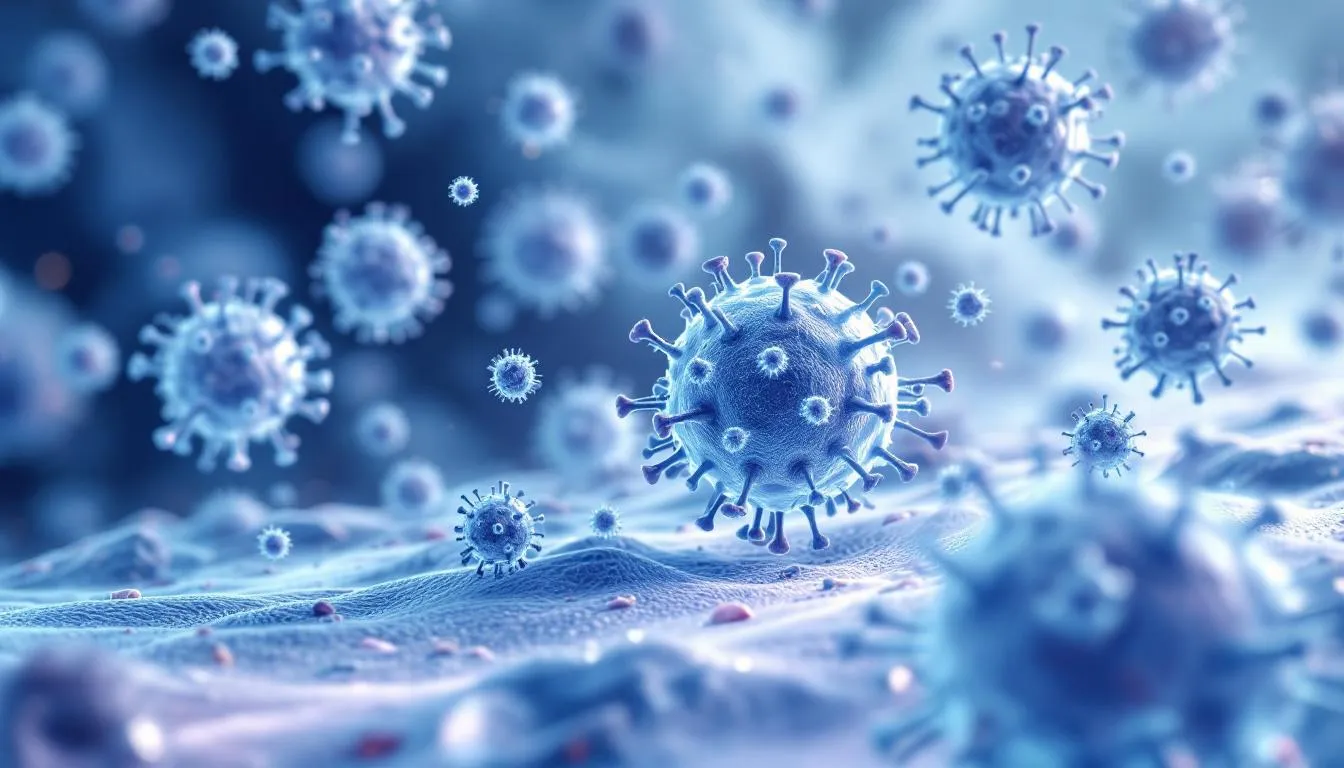
During this training process, your immune system forms memory cells that remain in your body for years or decades after vaccination. These memory cells create lasting protection against future encounters with the actual disease. If you’re later exposed to the real pathogen, your immune system remembers the threat and launches a rapid, powerful immune response before serious illness can develop.
Consider the measles vaccine as an example. The vaccine contains a weakened version of the measles virus that cannot cause disease but still carries the distinctive antigens that identify measles. Your immune system learns to recognize these antigens and produces the right antibodies to fight measles. If you encounter wild measles virus later, your memory cells immediately recognize the threat and deploy antibodies to prevent infection.
Similarly, COVID-19 vaccines train your immune system to recognize the spike protein found on SARS-CoV-2, the virus that causes COVID-19. Whether delivered through mRNA technology or viral vectors, these vaccines teach your immune system to identify and neutralize the virus before it can establish serious infection.
This training allows your body to mount an immune response within days rather than the weeks typically required for your immune system to learn about new threats naturally. Most importantly, vaccination provides this protection without exposing you to the risks and serious complications associated with actual diseases.
Understanding Your Body’s Natural Defense System
Your immune system operates like a sophisticated military defense network, with specialized cells patrolling your body constantly to identify and eliminate foreign invaders. White blood cells serve as the primary defenders, with different types performing specific functions in the complex process of immune protection.
B cells function as your body’s weapons manufacturers, producing antibodies—specialized proteins that neutralize specific pathogens. Each antibody is precisely engineered to target one particular antigen, creating a lock-and-key mechanism that ensures antibodies only attack their intended targets. When antibodies successfully bind to antigens, they mark pathogens for destruction by other immune cells or directly block the pathogen’s ability to infect healthy cells.
T cells coordinate immune responses and serve multiple critical functions. Helper T cells direct other immune cells to mount appropriate responses, while killer T cells directly attack cells that have been infected by viruses or other pathogens. Regulatory T cells help control immune responses to prevent excessive reactions that could damage healthy tissue.
Memory cells represent the foundation of long-term immunity. After your immune system encounters an antigen—whether through vaccination or natural infection—specialized memory B and T cells persist in your system for years or decades. These cells maintain detailed information about specific pathogens, enabling rapid recognition and response during future encounters.
Antigens and Antibodies: The Key Players
Antigens are unique protein signatures found on the surface of viruses, bacteria, and other disease-causing organisms. Each pathogen displays distinctive antigens that serve as molecular fingerprints, allowing your immune system to distinguish between different threats and respond appropriately.
The relationship between antigens and antibodies exemplifies biological precision. Each antibody is specifically designed to neutralize one particular antigen through a lock-and-key mechanism. This specificity ensures that antibodies only target their intended pathogen while leaving beneficial bacteria and healthy cells unharmed.
Consider influenza as an example: the virus displays hemagglutinin proteins on its surface that serve as key antigens. Flu vaccines contain these hemagglutinin antigens, training your immune system to produce antibodies that specifically target influenza viruses. When successful antibody-antigen binding occurs, the virus is marked for destruction and prevented from infecting respiratory cells.
The SARS-CoV-2 spike protein provides another clear example of antigen-antibody interaction. COVID-19 vaccines present this spike protein antigen to your immune system, which responds by producing antibodies that can neutralize the virus by blocking its ability to enter human cells. This targeted approach explains why vaccinated individuals who experience breakthrough infections typically develop milder symptoms—their immune systems immediately recognize and begin fighting the virus.
Types of Vaccines: Different Approaches to Immune Training
Modern vaccine development employs five main categories of vaccines, each using different scientific approaches to stimulate immune responses. Understanding these different types helps explain why certain vaccines require multiple doses, why some provide lifelong immunity while others need periodic boosters, and how recent technological advances have accelerated vaccine development.
The effectiveness and duration of protection vary by vaccine type and target disease, reflecting the complex relationship between pathogen characteristics, immune system responses, and vaccine technology. Each approach represents decades of scientific refinement aimed at maximizing protection while minimizing risks.
Live Attenuated Vaccines
Live attenuated vaccines contain weakened versions of living viruses or bacteria that have been modified to eliminate their ability to cause disease while preserving their capacity to stimulate strong immune responses. These vaccines include the mmr vaccine (measles, mumps, rubella), chickenpox vaccine, yellow fever vaccine, and oral polio vaccine.
The weakened pathogen in these vaccines can reproduce in your body at very low levels, providing continuous antigen exposure that typically generates robust, long-lasting immunity. This sustained stimulation often provides protection with a single dose, though certain vaccines like measles require more than one dose to ensure optimal immunity in all recipients.
Live attenuated vaccines cannot be given to people with weakened immune systems because even the weakened pathogen could potentially cause infection in severely immunocompromised individuals. This limitation highlights the importance of community immunity in protecting vulnerable populations who cannot receive certain vaccines.
The measles vaccine, developed in 1963, demonstrates the remarkable effectiveness of live attenuated vaccines. A single dose provides approximately 93% protection, while two doses achieve 97% effectiveness. This strong immune response explains why measles was nearly eliminated from the United States before recent outbreaks in unvaccinated communities.
Inactivated Vaccines
Inactivated vaccines use killed pathogens that cannot reproduce but still contain the antigens necessary to stimulate immune responses. These vaccines include hepatitis A, rabies, injectable polio vaccine, and many seasonal influenza shots.
Because the pathogen cannot replicate, inactivated vaccines are safe for people with weakened immune systems. However, the lack of ongoing antigen stimulation typically results in weaker initial immune responses compared to live attenuated vaccines, often requiring multiple doses and periodic boosters to maintain protection.
Many inactivated vaccines require adjuvants—substances that enhance immune responses by activating innate immunity. Adjuvants help overcome the weaker stimulation provided by killed pathogens, ensuring robust antibody production and memory cell formation.
The development of inactivated polio vaccine by Jonas Salk in the 1950s revolutionized polio prevention. While requiring several doses and booster shots, this vaccine proved highly effective and safe, contributing significantly to the near-elimination of polio globally. Today, most countries use inactivated polio vaccine to maintain immunity without any risk of vaccine-associated polio.
Subunit and Recombinant Vaccines
Subunit vaccines contain only essential pathogen pieces needed for immunity, typically purified proteins or polysaccharides that serve as key antigens. These vaccines include hepatitis B, HPV vaccines, and pneumococcal vaccines. Conjugate vaccines represent a specialized subunit approach that links bacterial polysaccharides to proteins, enhancing immune responses in young children.
Produced using genetic engineering techniques in laboratory settings, recombinant vaccines offer exceptional safety with minimal side effects. The manufacturing process allows precise control over vaccine components, eliminating concerns about residual live pathogens while ensuring consistent antigen presentation.
The extremely safe profile of subunit vaccines makes them suitable for virtually all populations, including people with weakened immune systems. However, these vaccines may require boosters to maintain optimal protection, and many need adjuvants to generate sufficiently strong immune responses.
The hepatitis B vaccine exemplifies successful subunit vaccine development. Created using genetically engineered yeast cells that produce hepatitis B surface antigens, this vaccine provides over 95% protection against hepatitis B infection when administered as a three-dose series. The acellular pertussis vaccine, introduced in the 1990s to replace whole-cell pertussis vaccine, demonstrates how subunit approaches can maintain effectiveness while reducing side effects.
mRNA Vaccines
mRNA vaccines represent a revolutionary approach that delivers genetic instructions for your cells to produce pathogen proteins, stimulating immune responses without using actual pathogens. The COVID-19 vaccines developed by Pfizer-BioNTech and Moderna represent the first widespread use of mRNA vaccine technology in humans.
The technology underlying mrna vaccines was developed over thirty years through dedicated research into messenger RNA and lipid nanoparticle delivery systems. When administered, mRNA vaccines instruct your cells to produce specific pathogen proteins—such as the SARS-CoV-2 spike protein—that serve as antigens for immune system recognition.
mRNA vaccines trigger robust immune responses including both antibody production and T-cell activation, providing comprehensive protection against targeted pathogens. The genetic material cannot integrate into your DNA and is rapidly degraded by natural cellular processes, ensuring safety while maintaining effectiveness.
The remarkable success of COVID-19 mRNA vaccines, which demonstrated over 90% effectiveness in preventing serious illness during clinical trials involving more than 70,000 participants, has opened new possibilities for rapid vaccine development against emerging threats. This technology platform allows for quick adaptation to address new pathogen variants or entirely different diseases.
Viral Vector Vaccines
Viral vector vaccines use harmless viruses engineered to carry genes encoding target antigens, combining the benefits of live vaccines with the safety of genetic approaches. Common viral vectors include modified adenoviruses that cannot reproduce in human cells but can deliver genetic material to stimulate immune responses.
These vaccines include the Johnson & Johnson COVID-19 vaccine, AstraZeneca COVID-19 vaccine, and experimental Ebola vaccines that proved highly effective during recent outbreaks in Africa. The viral vector serves as a delivery vehicle, transporting genetic instructions that enable your cells to produce pathogen proteins for immune recognition.
Viral vector vaccines can induce robust immune responses including both antibody production and cellular immunity, often providing strong protection with fewer doses than other vaccine types. The Johnson & Johnson COVID-19 vaccine, for example, demonstrated significant effectiveness with a single dose, though booster doses further enhance protection.
Adenoviruses are commonly used as delivery vehicles because they naturally infect human cells but can be modified to prevent reproduction while maintaining their ability to deliver genetic material. This approach enables effective immune stimulation without risk of ongoing viral infection.
The Vaccination Process: Primary and Secondary Immune Responses
Understanding the vaccination process requires recognizing the fundamental difference between primary and secondary immune responses, which explains why some vaccines require multiple doses and how booster shots maintain long-term protection.
The primary immune response occurs one to two weeks after your first exposure to an antigen, whether through vaccination or natural infection. During this initial encounter, your immune system must learn to recognize the new threat, activate appropriate immune cells, and begin producing specific antibodies. This process takes time because your immune system has never encountered this particular antigen before.
Memory cells form during the primary response, creating a detailed record of the pathogen that persists long after the initial threat has been eliminated. These memory cells represent the foundation of lasting immunity, maintaining the ability to recognize specific antigens and coordinate rapid responses during future encounters.
The secondary immune response happens within days when your immune system encounters a previously recognized antigen. Memory cells immediately identify the threat and trigger massive antibody production along with activation of other immune cells. This rapid, powerful response typically prevents infection or significantly reduces disease severity.
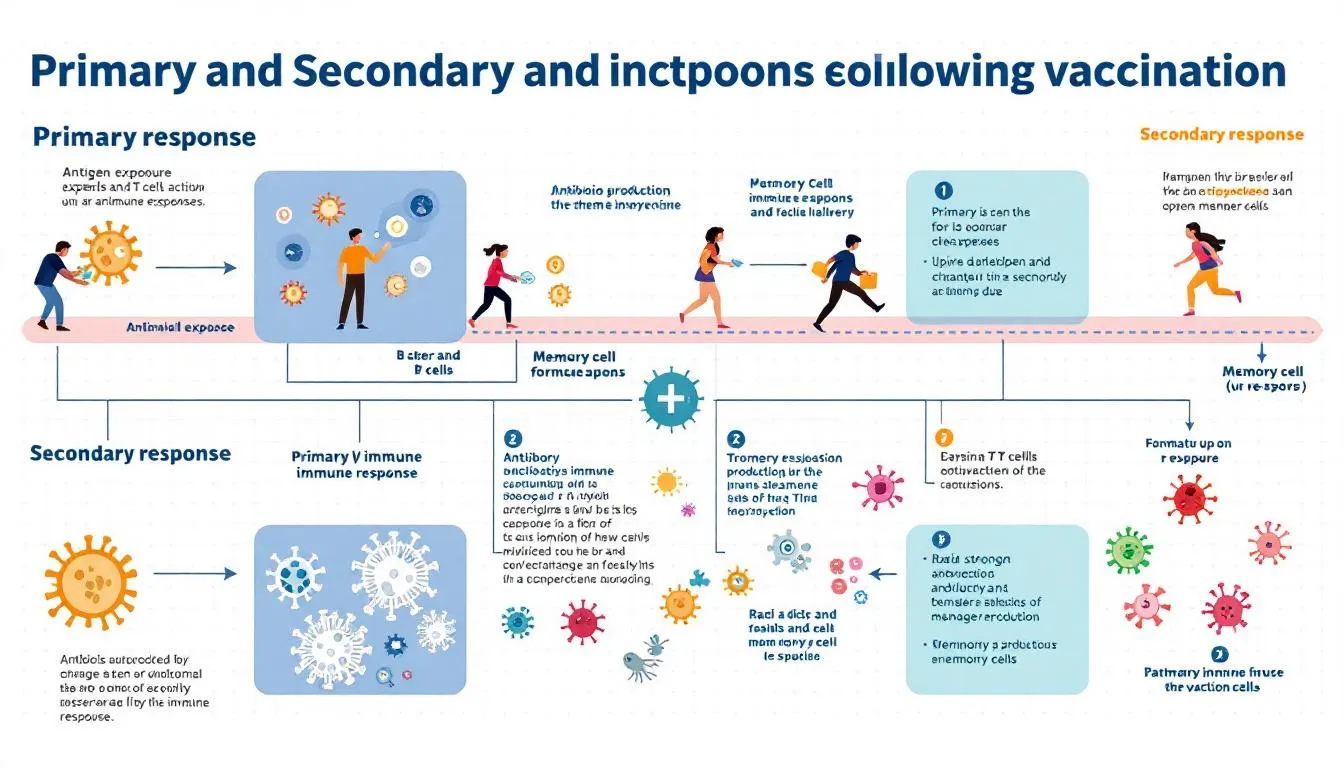
This two-phase process explains why many vaccines require multiple doses to achieve optimal protection. The first dose generates primary immune responses and establishes immune memory, while subsequent doses boost these responses and strengthen long-term protection.
Why Some Vaccines Require Multiple Doses
Many vaccines require multiple doses because initial immune responses may not reach protective levels in all recipients, and immune memory can fade over time without reinforcement. Childhood vaccines like DTaP (diphtheria, tetanus, pertussis) require three to five doses to ensure optimal protection throughout early development.
The immune systems of infants and young children are still developing, making it difficult to achieve strong, lasting immunity with single doses. Additionally, maternal antibodies can interfere with vaccine responses in very young infants, necessitating carefully timed vaccination schedules that balance early protection with optimal immune development.
Booster doses maintain immunity as antibody levels naturally decline over time. The tetanus vaccine, for example, requires booster shots every ten years because tetanus antibodies gradually decrease, leaving individuals vulnerable to infection from this dangerous bacterium found in soil and contaminated objects.
Annual influenza vaccines address both waning immunity and viral mutation. Influenza viruses constantly evolve, requiring updated vaccines each year to match circulating strains. Even when vaccine components remain similar to previous years, booster doses help maintain optimal protection as flu antibodies decline within months of vaccination.
Immune Memory: Long-term Protection
Memory B and T cells persist in your body for years or decades after vaccination, providing the foundation for long-term protection against infectious diseases. These specialized cells maintain detailed information about specific pathogens, enabling rapid recognition and response during future encounters.
Some vaccines provide lifelong immunity through robust memory cell formation. The measles and rubella components of the mmr vaccine typically provide protection that lasts for life, with immunity persisting decades after the last dose. This durable protection results from the strong immune responses generated by live attenuated vaccines and the stable nature of these viral antigens.
Other vaccines require periodic boosters to maintain protective immunity. Tetanus vaccines need reinforcement every ten years because tetanus antibodies naturally decline, and the bacterium remains common in environmental sources. Similarly, pertussis immunity wanes over time, contributing to recent whooping cough outbreaks in communities with decreased vaccination coverage.
Breakthrough infections can occur even in vaccinated individuals, particularly as immunity wanes or when encountering highly contagious variants. However, the immune system remembers the pathogen and typically mounts a rapid response that prevents serious illness even when it cannot completely prevent infection. This explains why vaccinated individuals who develop COVID-19 generally experience milder symptoms and shorter illness duration compared to unvaccinated people.
Individual and Community Benefits of Vaccination
Vaccination provides direct protection that prevents illness, hospitalization, and death while generating broader community benefits through reduced disease transmission. The dual nature of vaccine benefits—individual protection and community immunity—makes vaccination one of the most important public health interventions available.
Direct protection from vaccines dramatically reduces your risk of developing infectious diseases and their associated complications. Vaccines prevent not only the target disease but also secondary infections, long-term complications, and chronic conditions that can result from vaccine-preventable illnesses.
The economic benefits of vaccination extend far beyond individual healthcare savings to include reduced productivity losses, decreased healthcare system burden, and prevention of disease outbreaks that can disrupt entire communities. Public health analyses consistently demonstrate that vaccination programs provide exceptional return on investment through prevented medical costs and preserved economic activity.
Protection of vulnerable populations represents one of vaccination’s most important community benefits. When healthy people get vaccinated, they create a protective barrier around those who cannot be vaccinated due to medical conditions or those for whom vaccines are less effective due to weakened immune systems.
Herd Immunity: Protecting the Vulnerable
Community protection through vaccination, also called herd immunity, occurs when 70% to 95% of a population is immune to a particular disease, with the exact threshold varying by pathogen characteristics. When vaccination coverage reaches these levels, disease transmission is substantially reduced or eliminated, providing indirect protection to unvaccinated individuals.
This concept of community immunity is particularly important for protecting infants who are too young to be vaccinated, elderly individuals whose immune systems may not respond strongly to vaccines, and people with medical conditions that prevent vaccination or compromise immune function.
Measles provides a clear example of herd immunity thresholds: because measles is extremely contagious, approximately 95% of the population must be immune to prevent outbreaks. When vaccination coverage falls below this threshold, measles can spread rapidly through unvaccinated communities, as demonstrated by recent outbreaks in areas with declining vaccination rates.
COVID-19 outbreaks in communities with low vaccination coverage illustrate the ongoing importance of community immunity. Unvaccinated people face substantially higher risks of hospitalization and death, while also serving as reservoirs for viral transmission and mutation that can threaten broader community health.
The protection of vulnerable populations through community immunity represents a shared responsibility that extends beyond individual health decisions to encompass collective well-being and social solidarity.
Vaccine Safety and Testing: Decades of Rigorous Science
Vaccine safety relies on comprehensive testing protocols that span years before approval and continue throughout the lifetime of each vaccine through sophisticated monitoring systems. This rigorous approach ensures that vaccines meet the highest safety standards while providing effective protection against infectious diseases.
Preclinical testing in laboratory and animal studies typically spans two to four years, evaluating basic safety, immune responses, and optimal dosing before any human testing begins. These studies identify potential safety concerns and establish the scientific foundation for human clinical trials.
The three phases of human clinical trials involve progressively larger groups of participants and increasingly comprehensive safety and effectiveness evaluations. Regulatory agencies like the FDA and European Medicines Agency review extensive data from these trials before approving vaccines for public use.
Post-licensure monitoring systems track vaccine safety across millions of doses, identifying rare adverse events that might not appear in even large clinical trials. This ongoing surveillance provides continuous safety assessment and rapid detection of any emerging safety signals.

Clinical Trial Process
Phase I trials test safety in 20 to 100 healthy volunteers, focusing on identifying appropriate doses and documenting immediate side effects. These trials typically last several months and provide the first safety data in humans.
Phase II trials evaluate immune responses in hundreds of participants while continuing to monitor safety. These studies determine optimal dosing schedules and identify populations that may need different vaccination approaches.
Phase III trials assess effectiveness in thousands of participants across multiple geographic sites, comparing vaccination outcomes to placebo groups. These large-scale studies provide definitive evidence of vaccine safety and effectiveness before regulatory approval.
The COVID-19 vaccines completed clinical trials involving over 70,000 participants, demonstrating both the scale of modern vaccine testing and the commitment to safety even during public health emergencies. These trials identified rare side effects like myocarditis while confirming overall safety and remarkable effectiveness.
Post-Market Surveillance
The Vaccine Adverse Event Reporting System (VAERS) accepts reports of any adverse event following vaccination, providing an early warning system for potential safety signals. Healthcare providers and patients can submit reports, creating comprehensive databases for safety analysis.
The Vaccine Safety Datalink tracks long-term outcomes in millions of vaccinated individuals through partnerships with major healthcare organizations. This system enables sophisticated analyses that can detect rare adverse events and evaluate long-term safety outcomes.
The Clinical Immunization Safety Assessment project investigates serious adverse events reported after vaccination, providing expert evaluation of complex cases and contributing to our understanding of vaccine safety in special populations.
Continuous monitoring detected the rare myocarditis risk associated with mRNA COVID-19 vaccines, demonstrating how surveillance systems can identify uncommon side effects while confirming that benefits far outweigh risks. This myocarditis typically resolves completely and occurs far less frequently than myocarditis from COVID-19 infection itself.
Addressing Common Vaccine Myths with Scientific Evidence
Despite decades of safety data and scientific evidence, vaccine myths persist and can undermine public confidence in vaccination. Addressing these myths with clear, evidence-based information helps people make informed decisions about vaccination for themselves and their families.
The most important principle in addressing vaccine myths is recognizing that concerns about vaccine safety are often rooted in genuine care for health and well-being. Respectful dialogue that acknowledges concerns while providing accurate information creates the best opportunity for productive conversations about vaccine science.
Scientific evidence consistently demonstrates that vaccines are among the safest medical interventions available, with serious adverse events occurring far less frequently than complications from the diseases vaccines prevent. Multiple independent research studies involving millions of participants have thoroughly investigated vaccine safety concerns.
Natural immunity does provide protection against infectious diseases, but acquiring natural immunity comes with significant risks of serious illness, hospitalization, death, and long-term complications that vaccines avoid. Vaccines provide safer pathways to immunity without exposing individuals to these risks.
The Autism Myth: Decades of Disproven Claims
No credible evidence links vaccines to autism despite extensive research involving millions of children across multiple countries and decades. The original 1998 study by Andrew Wakefield that claimed a connection between the mmr vaccine and autism was fraudulent and has been thoroughly debunked and retracted.
Multiple large-scale studies have specifically investigated potential connections between vaccines and autism, consistently finding no association. These studies include population-based analyses in Denmark involving over 650,000 children, Japanese studies following vaccination schedule changes, and comprehensive reviews by the Institute of Medicine.
Autism rates continued rising even after thimerosal—a mercury-containing preservative—was removed from childhood vaccines in 2001, definitively disproving claims that thimerosal caused autism. The timing of autism diagnosis often coincides with vaccination schedules, creating misleading temporal associations that do not indicate causation.
The CDC, American Academy of Pediatrics, World Health Organization, and every major medical organization worldwide confirm that vaccines do not cause autism. The overwhelming scientific consensus, based on rigorous research and decades of safety data, supports vaccination as safe and essential for public health.
Immune Overload: A Misunderstood Concept
Children’s immune systems can safely handle multiple vaccines simultaneously without becoming overwhelmed or compromised. The concept of “immune overload” fundamentally misunderstands how immune systems function and the minimal antigen exposure from vaccines.
Children encounter thousands of antigens daily through normal environmental exposure—from food, air, bacteria on skin, and routine activities. The total antigen exposure from the entire childhood vaccination schedule represents a tiny fraction of daily antigen encounters.
Modern vaccines actually contain fewer antigens than vaccines used in the 1980s, despite protecting against more diseases. Advances in vaccine technology have enabled more precise antigen selection and purification, reducing total antigen exposure while improving effectiveness.
The immune system possesses vast capacity to respond to multiple antigens simultaneously, with estimates suggesting ability to handle tens of thousands of antigens at once. Delaying vaccines increases disease risk without providing any safety benefits and leaves children vulnerable during critical developmental periods.
Global Health Impact: Vaccines Save Millions of Lives
The global health impact of vaccination represents one of humanity’s greatest public health achievements, with vaccines preventing an estimated 4 to 5 million deaths annually according to World Health Organization data. This remarkable success reflects decades of international cooperation, scientific advancement, and public health commitment.
Smallpox eradication through vaccination campaigns represents the only infectious disease completely eliminated from the human population. The last naturally occurring case occurred in 1977, and global vaccination efforts achieved complete eradication by 1980, saving millions of lives and eliminating a disease that killed 30% of infected individuals.
Polio has been eliminated from all but two countries—Afghanistan and Pakistan—through sustained global vaccination campaigns. Cases have decreased by over 99% since the 1980s, preventing paralysis in millions of children and bringing the world to the brink of complete polio eradication.
Measles deaths declined by 73% between 2000 and 2018 through expanded vaccination coverage, saving an estimated 23 million lives. This achievement demonstrates how coordinated vaccination efforts can dramatically reduce mortality from highly contagious diseases.

Disease Elimination Success Stories
The Americas were declared polio-free in 1994, followed by Europe in 2002, demonstrating how sustained vaccination efforts can achieve regional disease elimination. These achievements required coordinated vaccination campaigns, surveillance systems, and international cooperation.
Rubella has been eliminated from the Americas as of 2015, preventing congenital rubella syndrome that causes birth defects when pregnant women contract rubella. This elimination protects both current and future generations from preventable disabilities.
Maternal and neonatal tetanus has been eliminated from 47 countries since 1999 through vaccination programs targeting pregnant women. This achievement prevents thousands of deaths from tetanus, a bacterial infection that can occur during childbirth in unsanitary conditions.
Haemophilus influenzae type b deaths have decreased by approximately 90% globally since the introduction of Hib vaccines. This success has virtually eliminated a leading cause of bacterial meningitis in children, preventing death and severe neurological complications.
Ongoing Challenges and Future Goals
Vaccine hesitancy threatens progress against preventable diseases, with declining vaccination coverage contributing to outbreaks of measles, whooping cough, and other diseases in previously protected communities. Addressing hesitancy requires understanding community concerns and providing accessible, accurate information about vaccine benefits and safety.
The COVID-19 pandemic highlighted both the importance of rapid vaccine development and the challenges of achieving global vaccination coverage. While new technologies enabled unprecedented vaccine development speed, ensuring equitable access remains a critical global health priority.
New vaccines in development target diseases that continue to cause significant global mortality, including malaria, tuberculosis, and HIV. These challenging pathogens require innovative approaches and sustained research investment to achieve effective prevention.
Emerging infectious threats—including novel influenza strains, antimicrobial-resistant bacteria, and potential bioterror agents—underscore the ongoing importance of vaccine research, development, and preparedness systems for rapid response to new health threats.
For comprehensive information about specific vaccine-preventable diseases, including detailed data on individual diseases, recommended vaccination schedules, and population impact, visit the Vaccine-Preventable Diseases hub on DrJayVarma.com, where you’ll find authoritative, up-to-date resources to guide your healthcare decisions.
Understanding how vaccines work empowers you to make informed decisions about protecting your health and contributing to community well-being. As an infectious disease physician, I encourage you to discuss vaccination with your healthcare provider, who can provide personalized recommendations based on your individual risk factors, health condition, and family circumstances. Vaccines remain among our most powerful tools for preventing infectious diseases and protecting the health of our communities for generations to come.