Table of Contents
Published: June 23, 2026
Read Time: 16.6 Mins
Total Views: 118
Introduction: The Science of Disease Transmission
As an infectious disease physician who has witnessed firsthand the devastating impact of pandemics, I have learned that understanding how diseases spread is fundamental to protecting both individual and community health. The spread of diseases has shaped human history, from the 1918 influenza pandemic that killed an estimated 50 million people worldwide to the recent COVID-19 pandemic that fundamentally altered our daily lives and social structures.
At the heart of infectious disease transmission lies a critical concept known as the basic reproduction number, or R₀, which represents the average number of new infections caused by one infected person in a completely susceptible population. When COVID-19 emerged, epidemiologists calculated its R₀ at approximately 2-3, meaning each infected person would typically transmit the virus to two or three others without intervention. Compare this to measles, with an R₀ of 12-18, demonstrating why measles spreads so rapidly through unvaccinated communities and why we need vaccination coverage of at least 95% to achieve herd immunity.
Pathogens—including bacteria, viruses, fungi, and parasites—have evolved sophisticated mechanisms to exploit human behavior, biology, and social structures. These infectious agents capitalize on our fundamental need for social connection, our shared environments, and the biological vulnerabilities that make us human. Whether it’s a virus that spreads when an infected person coughs, releasing tiny particles into the air, or bacteria that contaminate food during processing, pathogens have adapted to use our daily activities as transmission opportunities.
Understanding transmission chains—the sequential steps that allow germs to move from one person to another—provides us with multiple intervention points to prevent outbreaks. Each link in this chain, from the initial reservoir where germs live to the moment they enter a new host through the nose or mouth, represents an opportunity to interrupt transmission. The lessons learned from containing SARS-CoV-2 and other emerging infectious diseases underscore why this knowledge translates directly into lives saved and communities protected.
Primary Modes of Disease Transmission
Airborne and Aerosol Transmission
The distinction between droplets and aerosols fundamentally changed our understanding of respiratory disease transmission during the COVID-19 pandemic. Droplets, which are larger than 5 micrometers, typically fall to the ground within six feet of the source, while aerosols—tiny particles smaller than 5 micrometers—can remain suspended in air for hours and travel much greater distances.
Research conducted between 2020 and 2023 revealed that SARS-CoV-2, along with other respiratory pathogens like tuberculosis and measles, can remain infectious in air for extended periods. When an infected person coughs or sneezes, they release both droplets and aerosols containing viable viruses. This discovery revolutionized our approach to infection control, particularly in healthcare settings where many infectious diseases pose ongoing risks to both patients and healthcare workers.

Ventilation systems play a crucial role in reducing airborne transmission. CDC guidelines now emphasize the importance of air changes per hour, proper filtration, and strategic air flow patterns in healthcare facilities, schools, and other high-risk environments. Environmental factors such as humidity, temperature, and UV light significantly affect pathogen survival; for instance, influenza virus survives longer in cold, dry conditions, explaining why respiratory syncytial virus and other respiratory infections peak during winter months.
Direct Contact and Fomite Transmission
Direct contact transmission occurs when germs spread directly from person to person through physical contact. This includes skin-to-skin contact, sexual contact, and contact with body fluids such as blood, vaginal fluids, or saliva. Many infectious diseases, including MRSA (methicillin-resistant Staphylococcus aureus) and norovirus, spread through this route, particularly in healthcare settings and close-contact environments.
Fomite transmission involves contaminated surfaces and personal items that serve as intermediate vehicles for infectious agents. Research has shown that pathogens can survive on different surfaces for varying periods: SARS-CoV-2 remains viable on plastic and stainless steel for up to 72 hours, while some bacteria can persist on surfaces for days or even weeks. High-touch surfaces in healthcare facilities, schools, and public transportation systems become transmission hubs where many germs can accumulate and pass germs to multiple individuals.
Proper hand hygiene represents one of our most effective tools against direct contact transmission. Studies demonstrate that consistent handwashing with soap for at least 20 seconds, or using hand sanitizer with at least 60% alcohol content, can reduce respiratory infections by up to 80%. This simple intervention disrupts the transmission chain by eliminating germs from unwashed hands before they can reach mucous membranes in the nose or mouth.
Vector-Borne Disease Transmission
Vector-borne diseases represent a complex transmission category where insects and other animals serve as intermediaries, carrying pathogens between hosts. Mosquito-borne diseases pose significant global health challenges, with malaria alone accounting for 247 million cases in 2021. Other mosquito-transmitted infections include Zika virus, dengue fever, and West Nile virus, each with distinct transmission patterns and geographic distributions.
Ticks transmit Lyme disease, Rocky Mountain spotted fever, and numerous other illnesses. The geographic range of Lyme disease has expanded significantly due to climate change, with cases now reported in previously unaffected regions as warming temperatures allow ticks to survive in new areas. This expansion demonstrates how environmental changes can alter disease transmission patterns and create new public health challenges.
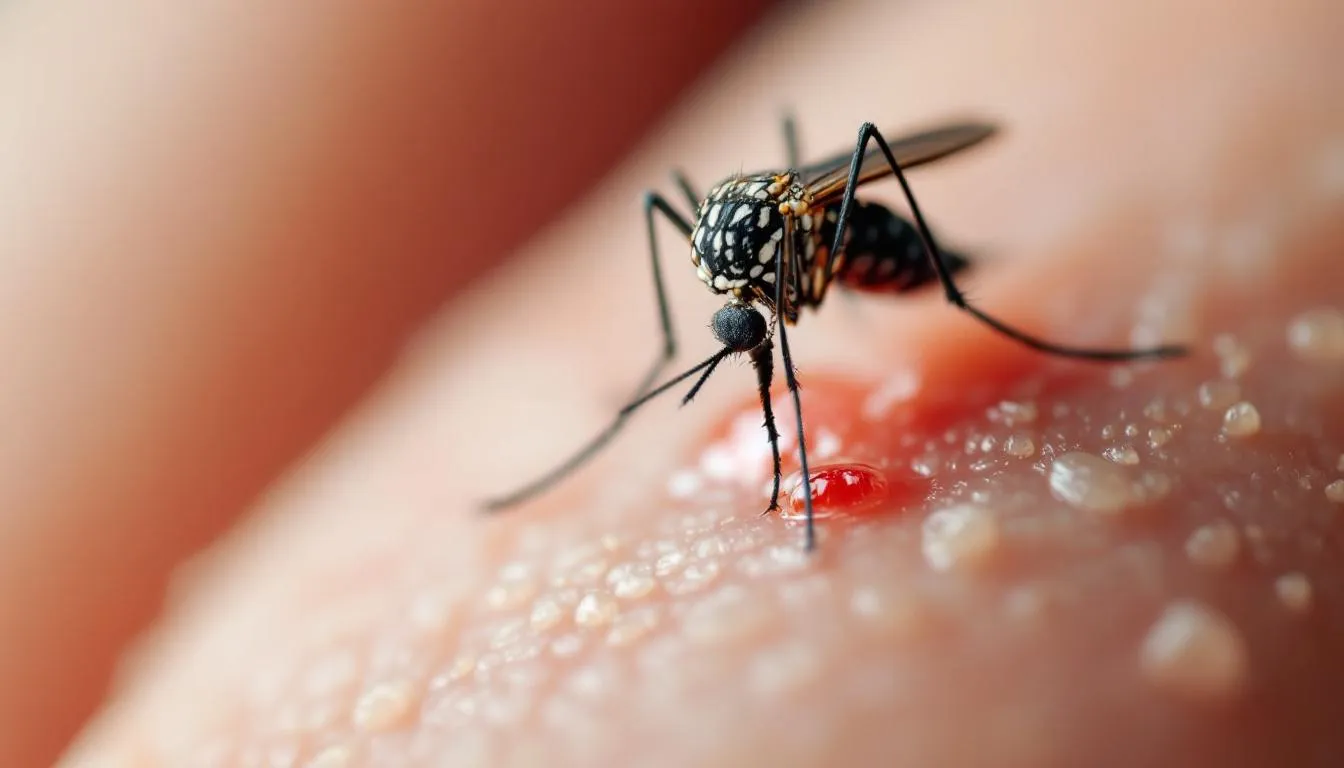
Urban vector control presents unique challenges in cities like New York and Miami, where dense populations, standing water, and travel patterns create ideal conditions for vector-borne disease spread. Climate change continues to impact vector range expansion and seasonal patterns, with warmer temperatures allowing mosquitoes and ticks to survive in previously inhospitable regions and extend their active seasons.
Foodborne and Waterborne Transmission
The fecal-oral route represents a major pathway for infectious disease transmission, particularly for pathogens like Salmonella, Escherichia coli O157:H7, and Hepatitis A. These organisms can contaminate food during production, processing, or preparation, leading to widespread outbreaks when proper food safety measures fail.
The 2018 romaine lettuce E. coli outbreak exemplifies how foodborne pathogens can spread rapidly across geographic boundaries, affecting 36 states and sickening hundreds of people. This outbreak highlighted vulnerabilities in our food supply chain and the importance of robust traceability systems that can quickly identify contamination sources.
Water system vulnerabilities become particularly apparent in developing nations and during disaster scenarios, where inadequate sanitation and water treatment can lead to cholera, typhoid, and other waterborne illnesses. Cross-contamination in food processing facilities and restaurant kitchens creates opportunities for pathogens to spread from contaminated food or water to previously safe products, demonstrating why comprehensive food safety protocols must address every step of the farm-to-table continuum.
Blood-Borne and Sexual Transmission
Blood-borne pathogens, including HIV, Hepatitis B, and Hepatitis C, transmit through contact with infected blood and certain body fluids. HIV transmission rates vary significantly by exposure type: sexual contact carries different risk levels depending on specific practices, needle sharing among injection drug users presents extremely high transmission risk, and blood transfusion—once a major concern—now poses minimal risk due to comprehensive screening protocols implemented since the 1980s HIV/AIDS crisis.
Sexually transmitted diseases and sexually transmitted infections affect millions of people annually, with human papillomavirus being among the most common. To prevent sexually transmitted diseases, public health experts recommend comprehensive strategies including vaccination (for HPV and Hepatitis B), consistent condom use during sexual contact, regular testing, and pre-exposure prophylaxis (PrEP) for individuals at high risk of HIV infection.
Blood supply safety measures have evolved dramatically since the early days of the HIV/AIDS epidemic. Current screening protocols test for multiple pathogens and have reduced transmission risk through blood products to extremely low levels. However, healthcare settings continue to present transmission risks through contaminated medical equipment, improper injection practices, and exposure to broken skin or mucous membranes during medical procedures.
Biological Factors Influencing Disease Spread
Pathogen characteristics fundamentally determine how diseases spread within populations. The incubation period—the time between infection and symptom development—affects transmission dynamics by determining how long infected individuals might unknowingly spread disease before they develop symptoms or seek medical care. Some pathogens require very small infectious doses to establish infection, while others need substantial exposure, influencing how easily infections spread in different environments.
Mutation rates vary significantly among different types of pathogens. RNA viruses like influenza and SARS-CoV-2 mutate rapidly, potentially altering their transmissibility, virulence, or ability to evade immune responses. These mutations can lead to the emergence of new variants that spread more efficiently or cause serious complications in previously resistant populations.
Host immunity patterns reveal important age-related susceptibility differences. COVID-19 demonstrated that older adults and individuals with weakened immune systems face higher risks of severe illness, while respiratory syncytial virus typically causes more severe disease in infants and young children. These patterns reflect developmental changes in immune system function and previous exposure to related pathogens.
Genetic factors also influence disease susceptibility. The CCR5 delta-32 mutation, found in some individuals of European descent, provides natural resistance to HIV infection by altering cell surface receptors that the virus uses to enter cells. Similarly, genetic variations in immune system function affect individual responses to many infectious diseases, explaining why some people remain healthy despite significant exposure while others develop severe illness from minimal contact.
Environmental and Social Determinants of Transmission
Population density profoundly affects how infectious diseases spread, with urban environments typically experiencing faster transmission rates due to increased contact frequency and intensity. Dense urban settings create numerous opportunities for respiratory pathogens to spread through close contact, shared transportation systems, and crowded indoor spaces with poor ventilation.
Healthcare access disparities contribute significantly to disease spread by delaying diagnosis and treatment. When individuals cannot access medical care promptly, they may remain infectious longer and continue normal activities while unknowingly transmitting pathogens to others. This creates particular challenges in communities with limited healthcare infrastructure or insurance coverage.

Social behaviors and cultural practices influence transmission patterns in complex ways. Religious gatherings, cultural celebrations, and workplace policies all affect contact patterns and potential exposure risks. The COVID-19 pandemic highlighted how social distancing measures, mask-wearing compliance, and vaccination acceptance vary significantly across different communities and demographic groups.
Housing conditions represent critical but often overlooked transmission risk factors. Overcrowding forces people into close contact for extended periods, inadequate ventilation allows airborne pathogens to accumulate, and multi-generational households may expose vulnerable elderly family members to infections brought home by working adults or school-age children.
Evidence-Based Prevention Strategies
Individual Prevention Measures
Vaccination remains our most powerful tool for preventing infectious disease transmission. Achieving herd immunity requires different vaccination coverage levels for different diseases: measles needs 95% coverage due to its high R₀, while polio requires 80-85% coverage to prevent community transmission. These thresholds reflect the mathematical relationship between pathogen transmissibility and the proportion of immune individuals needed to protect entire communities.
Personal protective equipment effectiveness varies significantly based on type and proper usage. N95 respirators provide superior protection compared to surgical masks, particularly in healthcare settings where exposure to airborne pathogens is likely. However, surgical masks still offer meaningful protection for source control, reducing the release of respiratory droplets when infected individuals cough or sneeze.
Hand hygiene protocols have been refined through decades of research and practical experience. Twenty-second soap washing removes pathogens through mechanical action and chemical disruption of microbial cell walls, while alcohol-based sanitizers with at least 60% alcohol content provide effective alternative when soap and water are unavailable. The key lies in technique and consistency rather than product choice alone.
Respiratory etiquette and cough/sneeze protocols in schools and workplaces help reduce transmission of respiratory infections. Covering coughs and sneezes with elbows rather than hands, disposing of tissues immediately, and maintaining physical distance when experiencing respiratory symptoms all contribute to reducing the spread of respiratory pathogens.
Community-Level Interventions
Contact tracing effectiveness was demonstrated most clearly during South Korea’s COVID-19 response, where rapid identification and isolation of exposed individuals helped control transmission without widespread lockdowns. Successful contact tracing requires robust surveillance systems, trained personnel, and community cooperation to identify potential exposures quickly enough to prevent secondary transmission.
Quarantine and isolation protocols vary based on specific pathogens and their transmission characteristics. COVID-19 typically requires 14-day quarantine periods for exposed individuals, while Ebola requires 21 days due to its longer incubation period. These measures work by removing potentially infectious individuals from community circulation during their period of highest transmission risk.
Environmental modifications can significantly reduce transmission risk in indoor settings. UV-C lighting systems can inactivate airborne pathogens, while improved ventilation systems increase air changes per hour and reduce pathogen concentrations. These engineering controls provide continuous protection without requiring individual behavior change.
Mass gathering guidelines must balance public health protection with social and economic needs. Capacity limits, risk assessment protocols, and environmental modifications allow communities to maintain important social functions while minimizing transmission risk. The specific measures depend on local transmission rates, vaccination coverage, and the particular characteristics of planned events.
Public Health Policy Recommendations
Surveillance system improvements require investment in real-time monitoring capabilities similar to CDC’s FluView and COVID Data Tracker systems. These platforms provide decision-makers with current information about disease trends, enabling rapid response to emerging threats. Enhanced surveillance also includes genomic sequencing capabilities to track pathogen evolution and identify new variants that might affect transmission patterns or vaccine effectiveness.
Healthcare infrastructure strengthening involves surge capacity planning and maintaining adequate PPE stockpiles for emergency response. The COVID-19 pandemic revealed significant gaps in hospital capacity, medical equipment availability, and healthcare worker protection. Sustained investment in these areas ensures communities can respond effectively to future outbreaks without compromising routine medical care.
International cooperation frameworks, particularly the WHO International Health Regulations (2005), provide legal foundations for coordinated global response to infectious disease threats. These agreements facilitate information sharing, coordinate response efforts, and help ensure that emerging pathogens are detected and contained before they become global pandemics.
Emergency preparedness legislation must incorporate lessons learned from COVID-19 to improve future pandemic response. This includes clarifying authority for public health measures, ensuring adequate funding for emergency response, and establishing clear communication protocols between different levels of government and with the public.
Current Challenges and Future Directions
Antimicrobial resistance poses an escalating threat to infectious disease control efforts. The WHO priority pathogens list identifies bacteria that have developed resistance to multiple antibiotics, creating situations where previously treatable infections become life-threatening. Antimicrobial stewardship programs in hospitals and communities work to preserve the effectiveness of existing antibiotics while encouraging development of new treatments.
Climate change impacts on infectious disease patterns extend beyond vector-borne diseases to affect the seasonality, geographic distribution, and intensity of many infectious diseases. Warmer temperatures, changing precipitation patterns, and extreme weather events all influence pathogen survival, vector behavior, and human exposure patterns in ways that are still being understood and quantified.

Technology solutions offer promising approaches to improving disease surveillance and response. AI-powered outbreak prediction systems can identify potential epidemics before they become widespread, while smartphone-based contact tracing applications can supplement traditional public health investigations. However, these technological tools must be implemented thoughtfully to address privacy concerns and ensure equitable access across different populations.
Health equity considerations are essential in pandemic preparedness and response planning. The COVID-19 pandemic highlighted how infectious diseases disproportionately affect marginalized communities due to occupational exposures, housing conditions, healthcare access barriers, and underlying health conditions. Effective public health response must address these structural inequalities to protect all community members.
Conclusion: Building Resilient Communities
Understanding how diseases spread provides the foundation for effective prevention strategies that have measurable impacts on community health. From the 80% reduction in respiratory infections achieved through proper hand hygiene to the dramatic decrease in vaccine-preventable diseases following immunization campaigns, evidence-based interventions consistently demonstrate their value when implemented systematically and sustained over time.
Building resilient communities requires sustained investment in public health infrastructure, including surveillance systems, laboratory capacity, healthcare workforce development, and emergency preparedness. These investments pay dividends not only during crisis periods but also in routine disease prevention and health promotion activities that keep communities healthy and economically productive.
Individual responsibility operates most effectively within robust community health frameworks that provide access to preventive services, accurate health information, and supportive environments for healthy behaviors. When people have access to vaccines, healthcare services, safe housing, and economic security, they are better positioned to protect both their own health and the health of their communities.
The evidence is clear: comprehensive, sustained investment in understanding and interrupting disease transmission pathways saves lives, prevents suffering, and strengthens the social and economic foundations of healthy communities. As we face ongoing challenges from antimicrobial resistance, climate change, and emerging infectious diseases, our commitment to evidence-based policy implementation and meaningful community engagement will determine our success in building a healthier, more resilient future for all.
The science of disease transmission provides us with powerful tools for prevention and control. By applying this knowledge consistently and equitably, we can create communities where people stay healthy, infectious disease outbreaks are quickly contained, and the devastating impacts of pandemics become increasingly rare. This is not just a scientific challenge—it is a moral imperative that demands our sustained attention, resources, and collective action.