Table of Contents
Published: June 30, 2026
Read Time: 33 Mins
Total Views: 162
Understanding Infection Control as Health Education in Action
In my decades of experience as an infectious disease physician and epidemiologist, I have witnessed firsthand how infection control serves as one of our most powerful tools for health education and community empowerment. Control of infection represents far more than technical protocols; it embodies the systematic application of evidence-based practices designed to prevent disease transmission across healthcare settings, communities, and workplaces, fundamentally transforming how individuals and populations understand and manage health risks.
The formal recognition of infection control emerged in the 1950s and 1960s when healthcare facilities began acknowledging healthcare associated infections as significant contributors to patient morbidity and mortality. What started as hospital-focused initiatives has evolved into comprehensive health education programs that bridge the critical gap between scientific knowledge and practical behavior change. This evolution reflects a deeper understanding that effective infection prevention requires not just clinical expertise, but also the ability to translate complex epidemiological concepts into actionable knowledge that empowers people to protect themselves and their communities.

Modern infection control functions as a cornerstone of public health precisely because it demonstrates how health education can create measurable, life-saving outcomes. When we teach healthcare workers proper hand hygiene techniques, educate patients about transmission pathways, or guide communities through outbreak responses, we are fundamentally engaging in health education that builds capacity for informed decision-making. This approach empowers individuals and communities to take control of their health outcomes while contributing to collective well-being through evidence-based practices.
The power of infection control as health education lies in its ability to transform abstract scientific concepts into concrete, protective actions. Whether we are explaining why healthcare providers must wear gloves during patient contact, demonstrating proper environmental cleaning techniques, or educating families about isolation procedures for infected patients, we are creating opportunities for people to understand their role in breaking chains of transmission and protecting vulnerable populations.
The Health Education Framework of Modern Infection Control
Contemporary infection prevention and control programs operate as sophisticated health education systems that combine surveillance, education, and prevention policies to create comprehensive learning environments. These programs recognize that effective infection control requires more than implementing protocols; it demands creating educational frameworks that help healthcare workers, patients, and communities understand the scientific rationale behind protective measures and develop the skills necessary for consistent implementation.
The interprofessional teams that lead modern infection control efforts function as specialized health educators who must translate epidemiological data into culturally appropriate, actionable guidance. These teams include hospital epidemiologists, infection preventionists, nurses, physicians, environmental services staff, and increasingly, community representatives who bring essential perspectives on how infection control measures impact diverse populations. Their success depends on their ability to deliver education that meets people where they are, acknowledging cultural contexts, language preferences, health literacy levels, and existing beliefs about disease and prevention.
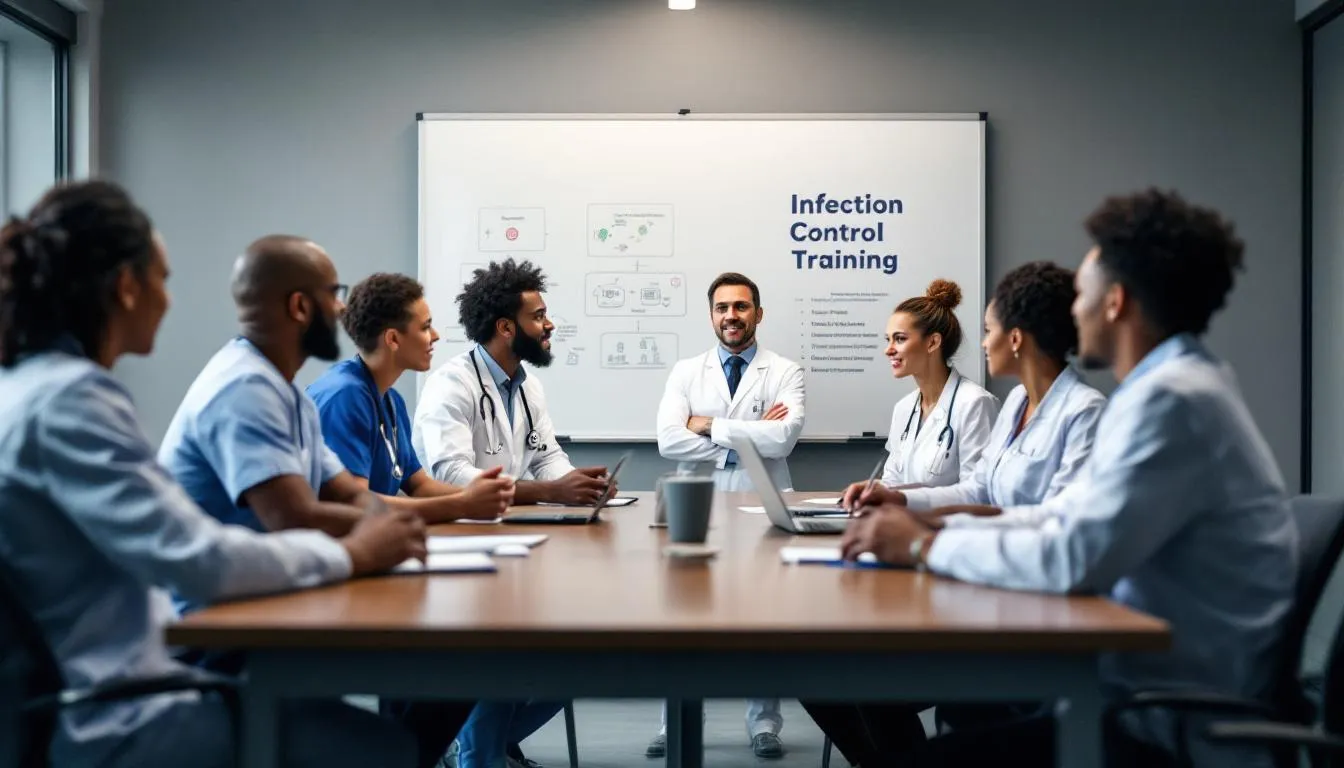
Effective infection control education transforms complex surveillance data into knowledge that empowers action. When infection prevention programs monitor healthcare associated infections rates, track antimicrobial resistance patterns, or investigate outbreaks, they generate information that must be communicated clearly to frontline healthcare workers, administrators, patients, and families. This educational process builds understanding of risk factors, prevention strategies, and the importance of adherence to infection control measures across all levels of health care delivery.
The health education framework underlying successful infection control programs emphasizes building trust and overcoming misinformation through transparent communication and community engagement. During the COVID-19 pandemic, we witnessed how effective health education could rapidly change behaviors at scale, while also observing the consequences when educational efforts failed to address community concerns or cultural contexts. These experiences reinforce that infection control education must be bidirectional, incorporating feedback from communities and adapting approaches based on real-world implementation challenges.
Trust-building becomes particularly critical when infection control measures require significant behavior changes or when communities have historical reasons for skepticism about health care recommendations. Effective infection control education acknowledges these concerns directly, provides clear explanations of the scientific evidence supporting interventions, and demonstrates respect for community autonomy while emphasizing collective responsibility for health protection.
Standard Precautions: Empowering Universal Health Protection
Standard precautions represent the foundational layer of infection control education, serving as universal health protection tools that apply to all patient care interactions regardless of known infection status. These precautions embody a fundamental health education principle: assuming that every person may be a potential source of infection while simultaneously recognizing that everyone deserves protection from preventable exposure to infectious diseases.
Hand hygiene education stands as the most cost-effective and impactful infection control intervention available to healthcare providers and communities alike. The evidence supporting hand hygiene is overwhelming; proper handwashing and hand sanitizer use can reduce healthcare associated infections by 30-50% across diverse health care settings. Yet the simplicity of this intervention belies the sophisticated health education required to achieve consistent adherence. Effective hand hygiene education must address not only the technical aspects of proper washing technique using warm water and soap for appropriate duration, but also the behavioral psychology behind habit formation and the social dynamics that influence compliance in busy healthcare environments.
Personal protective equipment education empowers healthcare workers and patients to create physical barriers against pathogen transmission while maintaining dignity and effective communication. Proper PPE education encompasses the appropriate use of gloves, masks, goggles, face shields, and gowns, with particular emphasis on donning and doffing procedures that prevent self-contamination. This education must follow manufacturer’s instructions precisely while adapting to specific clinical contexts and resource constraints that healthcare facilities may face.

The educational approach to appropriate personal protective equipment extends beyond technical training to address psychological comfort, communication barriers, and cost considerations. Healthcare workers must understand not only when to wear gloves during patient interaction but also how to balance protection with therapeutic touch and emotional connection. Similarly, patients and families require education about why healthcare providers may appear “different” when wearing PPE and how protective equipment actually demonstrates care and respect for their safety.
Safe injection practices and equipment disinfection education prevent transmission of bloodborne pathogens and other infectious diseases through contaminated medical devices. This education emphasizes the critical importance of using a new needle and syringe for each injection, proper disposal of sharps, and systematic disinfection of reusable equipment. Healthcare providers in outpatient settings and acute care hospitals must understand these principles as fundamental aspects of patient safety that protect both patients and healthcare workers from preventable exposures.
Environmental hygiene education within standard precautions addresses routine cleaning and disinfection of patient care areas, including patient rooms, equipment surfaces, and other surfaces that may harbor pathogens. This education helps environmental services staff, nurses, and other healthcare workers understand how their actions contribute to infection prevention and how proper environmental cleaning reduces risks for subsequent patients who may occupy the same spaces.
Transmission-Based Precautions: Targeted Health Education Strategies
Transmission based precautions provide targeted health education strategies that build upon standard precautions when healthcare providers know or suspect specific modes of pathogen transmission. These additional precautions demonstrate how infection control education can be precisely tailored to address particular risks while maintaining clarity and preventing confusion about layered protective measures.
Contact precautions for infections like Clostridium difficile require comprehensive patient and family education that extends beyond the healthcare facility into home and community settings. Patients and caregivers must understand how contact transmission occurs through direct touch or contaminated surfaces, why isolation may be necessary in the patient’s room, and how proper hand hygiene and environmental cleaning can prevent transmission to household members. This education must address the emotional challenges of isolation while emphasizing that contact precautions represent protective care rather than punishment or abandonment.
Healthcare workers implementing contact precautions require education about proper gown and glove use, environmental cleaning protocols specific to contact transmission, and strategies for maintaining therapeutic relationships while adhering to isolation protocols. The education must emphasize that contact precautions apply throughout patient care activities and that adherence protects not only other patients but also healthcare workers’ families and communities.
Droplet precautions for respiratory infections like influenza highlight the importance of community education for reducing transmission beyond health care settings. Patients and families must understand how respiratory droplets travel during coughing, sneezing, or talking, why surgical masks provide effective protection for healthcare providers and visitors, and how physical distancing reduces transmission risk. This education becomes particularly important in outpatient settings where patients may wait in common areas before receiving care.

The health education approach to droplet precautions emphasizes respiratory etiquette as a community responsibility that extends far beyond healthcare facilities. Patients learn to cover coughs and sneezes, dispose of tissues appropriately, and wear masks when symptomatic to protect others. Healthcare workers require education about mask selection, proper fit, and duration of use to ensure protection while maintaining comfort during extended patient care periods.
Airborne precautions for tuberculosis and similar infections focus on public health education that emphasizes early detection, treatment adherence, and community protection strategies. Patients with suspected or confirmed airborne infections require education about the importance of remaining in designated patient rooms with appropriate ventilation, the rationale for healthcare workers wearing N95 respirators or equivalent protection, and the critical importance of medication adherence to reduce infectiousness and prevent antimicrobial resistance.
Healthcare providers implementing airborne precautions need specialized education about respiratory protection, including proper N95 fit testing, seal checks, and recognition of equipment limitations. This education must address the physical demands of wearing respiratory protection during extended patient care and strategies for maintaining effective communication with patients despite barriers created by protective equipment.
When multiple transmission pathways exist for complex infections, education must clearly communicate how different precautions can be combined without creating confusion or compromising adherence. Healthcare workers need straightforward guidance about which precautions apply in specific situations and how to prioritize protective measures when resources are limited or when caring for patients with multiple infectious conditions simultaneously.
Building Infection Control Capacity Through Health Education Leadership
Effective infection control depends fundamentally on health education leadership that translates scientific evidence into practical, culturally appropriate interventions. Hospital epidemiologists and infection preventionists serve as primary health educators who must bridge the gap between epidemiological research and frontline clinical practice, ensuring that infection prevention programs create measurable improvements in patient safety and community health outcomes.
The role of hospital epidemiologists extends far beyond data collection and analysis to encompass comprehensive health education that influences organizational culture and individual behavior change. These physician leaders must educate healthcare workers about emerging infectious diseases, evolving antimicrobial resistance patterns, and evidence-based prevention strategies while simultaneously working with administrators to ensure that infection control policies support rather than hinder quality patient care. Their educational approach must address both technical competency and the human factors that influence adherence to infection control measures.
Infection preventionists function as specialized health educators who work directly with frontline healthcare workers to implement and monitor infection control measures across diverse health care settings. These professionals require comprehensive education programs that prepare them to assess risks, design interventions, conduct surveillance, and provide ongoing education to multidisciplinary teams. The COVID-19 pandemic highlighted the critical importance of expanding infection preventionist education programs to meet growing demand for expertise in infection prevention and control.

Infection control committees serve as interdisciplinary health education teams that bring together clinicians, nurses, administrators, environmental services staff, and increasingly, community representatives to address infection prevention challenges holistically. These committees function most effectively when they operate as collaborative learning environments where different perspectives contribute to comprehensive solutions that address both clinical effectiveness and practical implementation challenges.
The educational approach of successful infection control committees emphasizes shared decision-making and continuous learning rather than top-down mandate implementation. Committee members must understand their roles not only as technical experts but also as health educators who influence their respective departments and professional networks. This distributed leadership model amplifies the reach and impact of infection control education throughout healthcare organizations and into broader community settings.
Effective infection control leadership requires clear communication strategies that make complex epidemiological concepts accessible to diverse audiences while maintaining scientific accuracy. Leaders must be able to explain why specific infection control measures are necessary, how they protect patients and healthcare workers, and what individuals can do to support infection prevention efforts. This communication must be culturally competent, acknowledging different values, experiences, and concerns that may influence how people understand and respond to infection control recommendations.
The development of cultural competency in infection control education becomes particularly important when addressing health disparities and working with communities that have experienced historical trauma related to medical interventions. Effective health education leadership acknowledges these concerns directly, builds trust through transparent communication and community engagement, and ensures that infection control measures enhance rather than compromise equitable access to quality health care.
Surveillance and Outbreak Response: Data-Driven Health Education
Surveillance programs function as sophisticated health education tools that transform real-time data collection into actionable knowledge for preventing and controlling infectious diseases. These programs serve dual purposes: monitoring infection rates and patterns to guide prevention strategies while simultaneously educating healthcare providers and communities about emerging risks and effective interventions.
Modern surveillance systems utilize electronic health records and advanced data analytics to provide healthcare facilities with timely information about healthcare associated infections, antimicrobial resistance patterns, and potential outbreaks. This technological capacity creates opportunities for targeted health education interventions that can prevent infections before they occur or rapidly contain transmission when exposure has already happened. The educational value of surveillance extends beyond immediate clinical applications to build organizational learning and continuous improvement cultures.
Outbreak investigations using molecular epidemiology provide powerful health education opportunities that demonstrate how scientific methods can rapidly identify pathogen sources and transmission pathways. When infection control teams can show healthcare workers exactly how an outbreak occurred and which interventions successfully stopped transmission, they create compelling educational experiences that reinforce the importance of consistent adherence to infection control measures. These investigations also provide opportunities to educate healthcare workers about pathogen identification techniques and the role of laboratory services in infection prevention.

The health education value of surveillance data extends to antimicrobial stewardship programs that educate healthcare providers about appropriate antibiotic use and the relationship between antimicrobial consumption and resistance development. These programs transform abstract concepts about antimicrobial resistance into concrete, patient-specific guidance that helps clinicians make decisions that protect both individual patients and broader community health. Effective antimicrobial stewardship education demonstrates how individual prescribing decisions contribute to collective outcomes and empowers healthcare providers to become active participants in combating antimicrobial resistance.
Surveillance programs also create opportunities for health education that extends beyond healthcare facilities into community settings. When public health authorities use surveillance data to issue guidance about emerging infectious diseases or recommend preventive measures, they engage in community-wide health education that builds capacity for individual and collective action. The COVID-19 pandemic demonstrated both the potential and limitations of surveillance-based health education, highlighting the importance of clear communication about what surveillance data means and how communities can use this information to make informed decisions.
The educational approach to surveillance emphasizes transparency and shared learning rather than punitive oversight. Effective surveillance programs help healthcare facilities identify areas for improvement while providing resources and support for implementing evidence-based interventions. This approach builds trust and encourages voluntary reporting of safety events that might otherwise be concealed, creating more comprehensive data and better opportunities for organizational learning.
Healthcare workers require education about their roles in surveillance systems, including accurate documentation, timely reporting of concerning symptoms or exposures, and understanding how their individual actions contribute to broader surveillance efforts. This education must emphasize that surveillance serves protective rather than punitive purposes and that high-quality data collection enables more effective and targeted infection prevention interventions.
Environmental Controls and Health Education
Environmental hygiene education represents a critical component of comprehensive infection control that empowers healthcare workers and patients to understand how contaminated surfaces and equipment contribute to pathogen transmission. This education must address both routine cleaning practices and specialized disinfection procedures while emphasizing how environmental controls protect patients, healthcare workers, and visitors from preventable exposures to infectious diseases.
Surface disinfection education encompasses proper cleaning techniques, appropriate disinfectant selection, and contact time requirements that ensure effective pathogen elimination. Healthcare workers in various roles must understand which surfaces require routine cleaning, which situations demand enhanced disinfection, and how to verify that cleaning procedures have been completed effectively. This education must address practical challenges such as time constraints, product availability, and equipment limitations while maintaining focus on patient safety outcomes.
Floor cleaning and housekeeping protocol education emphasizes the systematic approach required to prevent cross-contamination between patient care areas. Environmental services staff require comprehensive training about cleaning sequence, product application, and equipment disinfection that prevents rather than spreads pathogens throughout healthcare facilities. This education must also address personal protection for environmental services workers and communication protocols that ensure coordination with clinical staff.
Linen handling education focuses on preventing exposure to body fluids and other potentially infectious materials during transport, sorting, and cleaning processes. Healthcare workers and environmental services staff must understand when to wear gloves and other personal protective equipment during linen handling, how to contain potentially contaminated materials, and proper procedures for managing visibly soiled textiles. This education protects workers while ensuring that clean linens do not become sources of healthcare associated infections.

Advanced cleaning technologies require specialized health education that ensures proper implementation and safety for healthcare workers and patients. Automated disinfection systems using ultraviolet light, hydrogen peroxide vapor, or other technologies can provide enhanced environmental cleaning, but only when healthcare workers understand operating procedures, safety requirements, and limitations of these systems. This education must follow manufacturer’s instructions precisely while addressing practical considerations for implementation in busy healthcare environments.
Water sanitation and hygiene improvements demonstrate the global impact of environmental infection control education. The success achieved in Sierra Leone, where targeted education and infrastructure improvements reduced post-cesarean wound sepsis from 60% to 10%, illustrates how environmental controls combined with health education can create dramatic improvements in patient outcomes. These interventions require community engagement and education that extends far beyond healthcare facilities to address water quality, sanitation systems, and hygiene practices in homes and communities.
The educational approach to environmental controls emphasizes the connection between environmental cleanliness and patient safety while respecting the expertise and contributions of environmental services workers. Effective education programs recognize environmental services staff as essential members of the infection control team and provide opportunities for these workers to contribute their practical knowledge to continuous improvement efforts.
Healthcare workers require education about their individual responsibilities for environmental infection control, including proper disposal of contaminated materials, point-of-care cleaning for shared equipment, and communication with environmental services staff about special cleaning requirements. This education must emphasize that environmental infection control requires teamwork and shared responsibility rather than relying solely on specialized cleaning staff.
Specialized Settings: Tailored Health Education Approaches
Long-Term Care Infection Control Education
Long term care settings require specialized infection control education that addresses the unique vulnerabilities of residents while respecting their rights to dignity, autonomy, and quality of life. These settings serve populations with complex medical conditions, cognitive impairments, and functional limitations that create both increased susceptibility to infections and challenges for implementing traditional infection control measures.
Infection prevention and control practices in long-term care must be adapted to address the social nature of these environments where residents live in communities rather than receiving acute medical care. Health education for long-term care staff must emphasize how infection control measures can be implemented without compromising the homelike atmosphere that residents deserve. This includes education about modified isolation procedures that maintain social connections, adaptive equipment that accommodates physical limitations, and communication strategies that work effectively with residents experiencing cognitive changes.
Federal and state regulatory compliance education for long-term care providers addresses the intersection between infection control requirements and quality standards that govern these facilities. Long-term care administrators and staff require education about Centers for Medicare & Medicaid Services requirements, state health department regulations, and Occupational Safety and Health Administration standards that apply to infection prevention. This education must emphasize how regulatory compliance supports rather than conflicts with person-centered care approaches.
Vaccination education programs tailored to long-term care residents and families address both routine immunizations and emergency vaccination campaigns such as those implemented during the COVID-19 pandemic. These programs must acknowledge concerns about vaccine safety and effectiveness while providing clear, evidence-based information about how vaccines protect vulnerable populations. Education must be culturally appropriate and delivered by trusted healthcare providers who understand the values and concerns of specific communities.

The health education approach for long-term care settings must address the emotional and psychological impacts of infection control measures on residents who may already experience social isolation and depression. Staff require education about recognizing signs of distress related to infection control requirements and strategies for maintaining therapeutic relationships while implementing necessary precautions. This education emphasizes that infection control should enhance rather than compromise residents’ overall well-being.
Long-term care infection control education must also address the role of families and visitors in preventing healthcare associated infections while maintaining important social connections. Families require education about hand hygiene, respiratory etiquette, and recognition of symptoms that might indicate they should postpone visits. This education must be delivered with sensitivity to family concerns about separation from loved ones and acknowledgment of the importance of family involvement in resident care.
Workplace Infection Control Education
Workplace infection control education extends infection prevention principles beyond traditional healthcare settings to protect workers and communities in diverse occupational environments. The COVID-19 pandemic highlighted the importance of workplace infection control across all sectors, demonstrating how comprehensive health education can enable businesses to operate safely while protecting public health.
COVID-19 symptom recognition education for workplace transmission prevention requires clear, practical guidance about identifying potential symptoms, implementing screening procedures, and responding appropriately when workers develop concerning signs of illness. Employers and employees need education about the challenges of symptom-based screening, including asymptomatic transmission, symptom overlap with other conditions, and the importance of creating supportive policies that encourage workers to stay home when ill without facing economic penalties.
Contact guidance and community education strategies for emerging infectious diseases like mpox require rapid adaptation of infection control principles to address novel transmission pathways and at-risk populations. Workplace education about mpox focused on recognizing symptoms, understanding transmission risks, and implementing appropriate precautions while avoiding stigmatization of affected individuals or communities. This education demonstrated the importance of community engagement and cultural competency in addressing infectious disease outbreaks.
Post-flood safety education including infection prevention from environmental exposures illustrates how workplace infection control education must address complex environmental hazards that create infectious disease risks. Workers involved in flood cleanup and recovery require education about exposure risks from contaminated water, mold growth, and disrupted sanitation systems. This education must address both immediate safety concerns and longer-term health risks while providing practical guidance for protective measures.
The health education approach for workplace infection control emphasizes shared responsibility between employers and employees while acknowledging power dynamics and resource constraints that may influence implementation. Effective workplace education creates opportunities for worker input and feedback rather than implementing top-down mandates that may not address practical implementation challenges or worker concerns.
Workplace infection control education must be integrated with existing occupational health and safety programs to avoid creating competing priorities or conflicting guidance. This integration requires education for safety professionals, human resources staff, and managers about how infection control supports broader worker protection goals and contributes to sustainable business operations.
Measuring Success: Hand Hygiene Education and Behavioral Change
Hand hygiene education represents one of the most successful examples of infection control education that creates measurable behavioral change and improved health outcomes. The data from Nigerian hospitals, showing hand hygiene adherence improvement from 32.4% to 57.4% through targeted education interventions, demonstrates how systematic health education can achieve significant improvements in healthcare worker behavior and patient safety.
The Hand Hygiene Observation Toolkit represents an innovative health education feedback system that transforms routine monitoring into real-time learning opportunities. This approach enables healthcare facilities to monitor adherence to hand hygiene protocols while providing immediate feedback to healthcare workers about their performance. The educational value of direct observation extends beyond individual behavior change to create organizational cultures that prioritize infection prevention and continuous improvement.
Real-time observation and feedback serve as empowerment tools that strengthen infection prevention by helping healthcare workers understand the impact of their individual actions on patient safety outcomes. When healthcare workers receive immediate, specific feedback about hand hygiene technique and timing, they develop better understanding of how their behavior contributes to infection prevention and what they can do to improve their practice. This approach transforms hand hygiene from a routine task into an opportunity for professional growth and patient advocacy.

The educational approach to hand hygiene emphasizes understanding the scientific rationale behind proper technique rather than simply following procedural requirements. Healthcare workers who understand how hand hygiene prevents pathogen transmission, why timing matters for effectiveness, and how their adherence protects vulnerable patients are more likely to maintain consistent practices even when direct supervision is not present. This education must address common misconceptions about hand hygiene effectiveness and provide clear guidance about when handwashing with soap and warm water is superior to alcohol-based hand sanitizers.
Sustainable behavioral change in hand hygiene requires education that addresses both individual motivation and systemic barriers to adherence. Healthcare workers need education about efficient hand hygiene techniques that can be completed quickly during busy patient care periods, strategies for maintaining skin integrity despite frequent hand cleaning, and approaches for encouraging colleague adherence without creating conflict or resentment. This education must acknowledge the real pressures healthcare workers face while emphasizing that hand hygiene represents fundamental professional responsibility.
The measurement of hand hygiene education success extends beyond simple adherence rates to include assessment of knowledge retention, skill development, and cultural change within healthcare organizations. Effective evaluation programs assess whether healthcare workers understand when hand hygiene is required, can demonstrate proper technique, and feel empowered to advocate for infection prevention practices. These assessments provide opportunities for ongoing education and program refinement based on real-world implementation experiences.
Hand hygiene education programs that achieve consistent behavioral change typically incorporate multiple educational modalities, including didactic instruction, skill demonstration, peer learning, and ongoing reinforcement through various communication channels. The most successful programs create positive associations with hand hygiene by emphasizing how adherence demonstrates professionalism and care for patients rather than focusing primarily on rule compliance or infection control requirements.
Clinical Impact: Health Education Transforming Patient Outcomes
The clinical impact of infection control education becomes most apparent through its ability to reduce healthcare associated infections and improve patient safety outcomes across diverse healthcare settings. Timely identification and isolation education reduces hospital acquired infections by empowering healthcare workers to recognize symptoms early, implement appropriate precautions quickly, and prevent transmission to vulnerable patients. This education must address the critical importance of rapid response while ensuring that isolation procedures maintain patient dignity and therapeutic relationships.
Healthcare workers require education about recognizing subtle signs of infection that may indicate the need for immediate intervention, particularly in vulnerable populations such as immunocompromised patients or those with chronic medical conditions. This education must emphasize the importance of clinical assessment skills while providing clear guidance about when to initiate isolation precautions and how to communicate effectively with patients and families about necessary protective measures.
The cost-effectiveness of hand hygiene education as the most impactful infection control practice creates compelling arguments for sustained investment in comprehensive infection prevention programs. When healthcare facilities can demonstrate that relatively modest investments in hand hygiene education produce significant reductions in healthcare associated infections, hospital acquired infections, and associated healthcare costs, they build support for broader infection control initiatives that require additional resources.
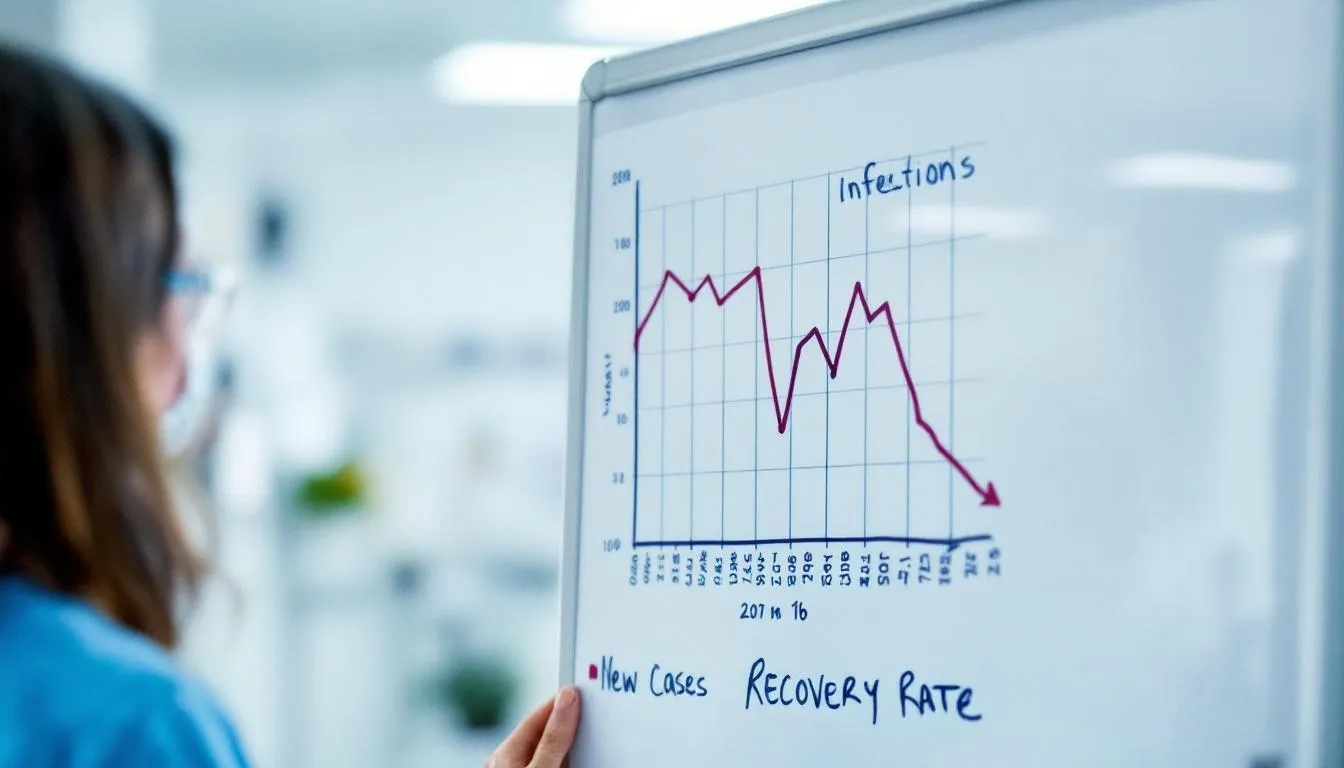
Addressing challenges including patient complexity, invasive technologies, and resource limitations requires innovative health education approaches that acknowledge practical constraints while maintaining focus on achievable improvements. Healthcare workers need education about risk assessment, prioritization strategies, and adaptive approaches that enable effective infection control even when ideal conditions are not available. This education must emphasize problem-solving and critical thinking rather than rigid adherence to protocols that may not address specific clinical situations.
Administrative support for infection prevention education represents an essential component of successful programs that improve patient safety and reduce infection risks. Healthcare administrators require education about the return on investment for infection control programs, the relationship between infection prevention and quality metrics, and the importance of creating organizational cultures that support healthcare worker adherence to evidence-based practices. This education must address both financial considerations and ethical obligations to protect patients from preventable harm.
The health education approach to clinical impact emphasizes shared accountability between individual healthcare workers and healthcare organizations for creating safe patient care environments. Effective programs provide healthcare workers with the knowledge, skills, and resources necessary for consistent infection prevention while ensuring that organizational policies and procedures support rather than hinder adherence to evidence-based practices.
Multidrug-resistant pathogen prevention requires specialized education that addresses the complex relationship between antibiotic use, infection control practices, and antimicrobial resistance development. Healthcare workers need education about identifying patients at risk for multidrug-resistant infections, implementing appropriate isolation precautions, and understanding how their individual prescribing and infection control decisions contribute to broader antimicrobial resistance patterns affecting entire communities.
The measurement of clinical impact requires education about data collection, analysis, and interpretation that enables healthcare workers and administrators to understand how infection control education influences patient outcomes. This education must address the challenges of attributing specific outcomes to educational interventions while providing practical guidance about using outcome data to guide continuous improvement efforts and demonstrate program effectiveness to stakeholders.
Future Directions: Strengthening Health Education in Infection Control
The integration of respiratory hygiene education during high community transmission periods represents an evolving area of infection control that requires adaptation of traditional healthcare-focused approaches to address community-wide prevention needs. The COVID-19 pandemic demonstrated how respiratory hygiene education could be rapidly scaled to influence behavior across entire populations, while also highlighting the challenges of maintaining adherence when community transmission remains high for extended periods.
Future respiratory hygiene education must address the psychological and social factors that influence mask-wearing, physical distancing, and other protective behaviors in community settings. This education must acknowledge concerns about personal freedom and social connection while providing clear, evidence-based information about how individual actions contribute to collective health protection. The approach must be culturally appropriate and delivered through trusted community leaders and organizations rather than relying solely on health authorities or government messaging.
CDC guidelines and Occupational Safety and Health Administration standards provide frameworks for comprehensive health education programs that address both immediate infection control needs and longer-term capacity building for emerging infectious disease threats. Future education programs must help healthcare facilities and communities understand how these guidelines can be adapted to address local contexts, resource constraints, and specific population needs while maintaining core protective principles.
The importance of continuous education updates based on emerging evidence and community needs requires development of flexible, responsive educational systems that can rapidly incorporate new scientific knowledge and adapt to changing circumstances. Future infection control education must utilize technology and digital platforms to enable real-time updates while maintaining personal connections and community engagement that build trust and support behavior change.

Health education approaches must increasingly address health equity considerations and the disproportionate impact of infectious diseases on vulnerable populations. Future infection control education must acknowledge how social determinants of health influence infection risks and access to preventive interventions while working to ensure that protective measures enhance rather than compromise health equity. This requires education that addresses systemic barriers and advocates for policy changes that support comprehensive public health protection.
The development of global capacity for infection control education requires international collaboration and knowledge sharing that respects local contexts while building on universal principles of public health protection. Future programs must address resource limitations in low- and middle-income countries while avoiding approaches that create dependency on external support rather than building sustainable local capacity for ongoing education and program implementation.
Positioning infection control education as a model for broader public health empowerment initiatives recognizes that the principles and approaches developed through infection prevention programs can be applied to address other health challenges including chronic disease prevention, mental health promotion, and environmental health protection. The success of infection control education in creating measurable behavior change and improved health outcomes provides a foundation for expanding health education approaches to address complex, multifaceted public health challenges.
The future of infection control education lies in its ability to build healthier, more resilient communities that can respond effectively to both known health threats and emerging challenges. This requires education that empowers individuals and communities to understand their roles in health protection while advocating for policy and system changes that support comprehensive public health action. The goal is not simply to prevent infections, but to create communities where health education serves as a foundation for collective action that promotes health, prevents disease, and builds capacity for responding to future challenges.
Ultimately, the evolution of infection control education reflects broader changes in public health that emphasize community engagement, health equity, and empowerment as essential components of effective health protection. As we continue to face emerging infectious disease threats, climate-related health challenges, and persistent health disparities, the lessons learned from infection control education provide valuable guidance for building comprehensive, culturally appropriate, and sustainable health education programs that strengthen individual and community capacity for health protection and promotion.