
Table of Contents
Published: July 3, 2026
Read Time: 26.1 Mins
Total Views: 478
During the early months of the COVID-19 pandemic, I watched as healthcare facilities, schools, and businesses transformed into theaters of intensive surface disinfection—teams scrubbing doorknobs hourly, fogging entire rooms with disinfectant, and treating every surface as a potential vector for disease transmission. While well-intentioned, much of this activity reflected a fundamental misunderstanding of how fomite transmission actually works and when it poses genuine risk. As an infectious disease physician who has spent decades studying transmission patterns and advising on infection control, I’ve learned that distinguishing between pathogen detection and actual transmission risk is crucial for effective, evidence-based prevention strategies.
The term fomite encompasses any inanimate object or surface that can harbor and potentially transfer infectious agents from one person to another, but the mere presence of pathogens on surfaces doesn’t automatically translate to infection risk. Understanding this distinction, along with the scientific evidence for when and how fomites contribute to disease spread, is essential for healthcare professionals, policymakers, and the public to make informed decisions about prevention measures that are both effective and proportionate to actual risk.
What Are Fomites? A Clinical Definition
A fomite is rigorously defined in infectious disease terminology as any inanimate object or material that can carry and transfer infectious agents, including viruses, bacteria, fungi, or parasites. The etymology traces back to the Latin “fomes,” meaning tinder or kindling material, reflecting the concept of objects serving as fuel for disease propagation. However, this historical metaphor requires careful interpretation in light of modern scientific understanding.

In clinical practice, common fomites include medical instruments like stethoscopes and blood pressure cuffs, environmental surfaces such as doorknobs and bed rails, personal items including clothing and mobile devices, and even furniture in patient care areas. The key distinction lies between contamination—the presence of infectious agents on these inanimate objects—and actual transmission potential, which depends on multiple factors including pathogen viability, transfer efficiency, and subsequent exposure patterns.
Healthcare-associated infections provide clear examples of clinically significant fomite transmission. Contaminated medical devices, inadequately cleaned equipment between patients, and environmental surfaces in patient care areas can serve as reservoirs for pathogens like methicillin-resistant Staphylococcus aureus (MRSA), vancomycin-resistant enterococci (VRE), and Clostridioides difficile. However, the presence of these organisms on surfaces doesn’t guarantee transmission; successful infection requires a chain of events including pathogen survival, transfer to a susceptible host, and introduction to an appropriate portal of entry.
The clinical relevance of any fomite depends critically on the specific infectious agents involved, environmental conditions, and the vulnerability of exposed individuals. Understanding these nuances helps clinicians and infection control professionals focus prevention efforts where they will have the greatest impact, rather than applying uniform approaches across all settings and pathogens.
The Science of Pathogen Survival on Surfaces
Pathogen survival on surfaces varies dramatically depending on the organism’s characteristics, environmental conditions, and surface properties. Enveloped viruses like influenza typically survive 24-48 hours on hard surfaces under ideal laboratory conditions, while non-enveloped viruses such as norovirus can remain viable for weeks. These laboratory findings, however, often overestimate real-world survival due to controlled temperature, humidity, and absence of environmental stressors.
Environmental conditions profoundly influence microbial survival on fomites. High humidity generally prolongs survival for most pathogens, though specific patterns vary between species. Gram-negative bacteria like Salmonella typhimurium, Pseudomonas aeruginosa, and Escherichia coli persist longer under humid conditions, while Staphylococcus aureus may survive better at low humidity. Temperature fluctuations, ultraviolet light exposure, and desiccation all contribute to pathogen degradation on environmental fomites.
Surface porosity significantly affects survival patterns. Nonporous surfaces including metal and plastic typically harbor viable pathogens longer than porous materials like cloth and cardboard, though exceptions exist depending on the specific microbe and environmental context. This explains why hospital settings with predominantly hard surfaces may present different fomite risks compared to home environments with mixed surface types.
For SARS-CoV-2 specifically, laboratory studies demonstrated survival of up to 72 hours on plastic and stainless steel, 24 hours on cardboard, and 4 hours on copper surfaces. However, these findings represent optimal laboratory conditions with high viral loads; real-world transmission efficiency is substantially lower. The infectious dose required for most respiratory viruses exceeds what typically transfers from contaminated surfaces to hands and subsequently to mucous membranes during normal activities.
Quantitative studies reveal significant variation in transfer efficiency between different scenarios. Research has shown that handling contaminated doorknobs or faucets can transfer rhinovirus to fingertips at levels ranging from 3 to 1,800 plaque-forming units, with substantial variation based on surface wetness, contact pressure, and duration. These transfer efficiency data help establish more realistic risk assessments for fomite-mediated disease transmission.
Evidence for Actual Fomite Transmission
While pathogen detection on surfaces is common, documented evidence for actual fomite transmission requires epidemiological investigation linking contaminated objects to subsequent infections. The strongest evidence exists for gastrointestinal pathogens, particularly norovirus and rotavirus, which maintain high environmental stability and require relatively low infectious doses for person to person transmission.
Norovirus outbreaks on cruise ships provide classic examples of confirmed fomite transmission. Environmental sampling during these outbreaks consistently identifies viable virus on multiple surfaces including handrails, elevator buttons, and dining areas. Contact tracing demonstrates clear temporal relationships between surface contamination and subsequent cases, with attack rates correlating to exposure patterns and cleaning interventions effectively interrupting transmission chains.

Healthcare-associated infections offer additional evidence for clinically significant fomite transmission. Studies in hospital settings document transfer of antibiotic-resistant bacteria from contaminated medical equipment to patients, with molecular typing confirming transmission pathways. However, these environments represent particular concern due to high pathogen loads, frequent contamination events, and vulnerable patient populations with compromised immune systems.
The chain of transmission for successful fomite-mediated infection involves multiple steps: initial contamination from infected persons through respiratory droplets, bodily fluids, or direct contact; pathogen survival under varying environmental conditions; transfer to susceptible individuals through hand contact; and subsequent introduction to mucous membranes of the mouth, nose, or eyes. Each step represents a potential intervention point, and the cumulative efficiency of this pathway is generally lower than direct contact or airborne virus transmission.
Quantitative studies demonstrate that approximately 65% of virus present on a contaminated fomite may transfer to hands during typical contact, with an additional 34% potentially transferred from hands to mouth depending on subsequent behavior patterns. While these percentages might seem concerning, the actual infection risk depends heavily on the initial viral load, pathogen viability, and host susceptibility factors.
Research in applied and environmental microbiology has revealed that bacterial contamination on common fomites reflects specific human activities and behaviors. Source tracking studies show fecal bacteria on toilet handles, food-associated organisms on cutting boards, and skin-associated bacteria throughout indoor environments. This environmental contamination provides insight into contamination patterns but doesn’t necessarily indicate active transmission risk.
Common Misconceptions About Surface Transmission
The COVID-19 pandemic amplified several misconceptions about fomite transmission that persist despite accumulating scientific evidence. Early in the pandemic, surface disinfection became a primary focus of infection control efforts, leading to widespread “hygiene theater”—intensive cleaning protocols that provided psychological reassurance while directing resources away from more effective interventions.
Respiratory viruses, including SARS-CoV-2, primarily spread through inhalation of infectious respiratory droplets and aerosols rather than contact with contaminated surfaces. While viral RNA can be detected on various surfaces for extended periods, the presence of genetic material doesn’t indicate viable virus capable of causing infection. This distinction between detection and infectivity became crucial as the pandemic progressed and our understanding evolved.
The overestimation of surface transmission risk during COVID-19 stemmed partly from early studies showing prolonged viral survival under laboratory conditions. These findings, while scientifically valid, didn’t account for real-world factors including viral load degradation, environmental stressors, and the difference between RNA detection and viable virus. As epidemiological evidence accumulated, it became clear that documented cases of COVID-19 transmission via contaminated fomites were extremely rare compared to direct person-to-person spread.
Psychological factors significantly influence risk perception around environmental contamination. Visible cleaning activities provide tangible evidence of prevention efforts, making surface disinfection psychologically appealing even when epidemiological evidence suggests limited benefit. This psychological comfort, while understandable, can lead to resource misallocation and reduced focus on more effective prevention strategies.
The misconception that all infectious diseases transmit equally via fomites fails to account for pathogen-specific characteristics. Enteric viruses like norovirus, which cause gastrointestinal symptoms and spread through the fecal oral route, demonstrate much higher fomite transmission efficiency than respiratory viruses. Understanding these pathogen-specific patterns is essential for implementing appropriate prevention measures rather than applying uniform approaches across all infectious diseases.
Current evidence-based guidance from leading health authorities emphasizes that routine surface disinfection in community settings provides minimal benefit for preventing respiratory virus transmission. Instead, resources should focus on interventions with demonstrated efficacy: hand washing, respiratory etiquette, vaccination, and in healthcare settings, appropriate personal protective equipment and ventilation improvements.
Pathogen-Specific Transmission Patterns
Different infectious agents demonstrate markedly different fomite transmission patterns based on their survival characteristics, infectious doses, and typical exposure routes. High-risk pathogens for fomite transmission include norovirus, rotavirus, and Clostridioides difficile spores, which combine environmental stability with low infectious doses and routes of transmission that facilitate surface-to-person spread.
Norovirus exemplifies a pathogen well-adapted for fomite transmission. This non-enveloped virus maintains viability on surfaces for weeks under appropriate conditions, requires fewer than 100 viral particles to cause infection, and spreads primarily through the fecal-oral route. Contaminated surfaces in food preparation areas, healthcare facilities, and enclosed environments like cruise ships serve as effective vehicles for disease spread, with documented outbreaks traced to specific contaminated objects.
Clostridioides difficile presents another high-risk scenario due to its spore-forming capability. These spores resist standard cleaning agents and persist on hospital surfaces for months, contributing to healthcare-associated infections in vulnerable patients. The organism’s resistance to alcohol-based sanitizers necessitates soap and water hand washing and specialized disinfection procedures using sporicidal agents.
Moderate-risk fomite pathogens include certain antibiotic-resistant bacteria like MRSA and VRE in healthcare settings. While these organisms can survive on surfaces and transfer to patients via contaminated hands or equipment, transmission typically requires specific conditions including high bacterial loads, frequent contamination events, and vulnerable host populations. Environmental sampling in hospitals commonly detects these pathogens, but actual transmission rates depend heavily on adherence to infection control protocols.
Most respiratory viruses, including seasonal influenza virus and SARS-CoV-2, represent lower fomite transmission risk in community settings. While these pathogens can survive on surfaces for varying lengths of time, epidemiological evidence indicates that direct respiratory transmission through droplets and aerosols predominates. The infectious doses required for respiratory infection typically exceed what transfers through normal surface contact, making fomite transmission a less efficient pathway for these diseases.
Bloodborne pathogens like hepatitis B virus and HIV require special consideration due to their transmission via contaminated sharps and medical equipment. While these organisms don’t typically spread through routine surface contact, contaminated medical devices and improperly handled sharp instruments pose significant risks in healthcare settings, necessitating rigorous sterilization and handling protocols.
Understanding these pathogen-specific patterns allows for risk-stratified prevention approaches. Resources can be concentrated on the highest-risk scenarios—such as norovirus prevention in food service and healthcare settings—while avoiding unnecessarily intensive measures for lower-risk pathogens and environments.
Healthcare vs Community Settings
The contrast between healthcare and community environments illustrates how setting-specific factors influence fomite transmission risks and appropriate prevention strategies. Hospital settings present elevated risks due to several converging factors: high pathogen loads from infected patients, frequent contamination of medical equipment and environmental surfaces, vulnerable patient populations with compromised immune systems, and the potential for healthcare-associated infections with serious clinical consequences.
In healthcare facilities, medical equipment serves as a primary concern for fomite transmission. Stethoscopes, blood pressure cuffs, thermometers, and electronic devices frequently move between patients and can harbor antibiotic-resistant organisms if not properly cleaned between uses. Studies have documented MRSA contamination on up to 38% of stethoscopes in some hospital units, with molecular analysis confirming transmission pathways from contaminated equipment to patients.
The bioburden in hospital environments—the total microbial load present on surfaces and equipment—significantly exceeds that found in community settings. Patient care activities generate large numbers of infectious particles through wound drainage, respiratory secretions, and other bodily fluids, creating a contamination pressure that requires intensive cleaning protocols to manage effectively. Environmental microbiology studies in hospitals reveal diverse bacterial communities including pathogenic organisms at levels rarely encountered in non-healthcare settings.

Immunocompromised patients face disproportionate risks from fomite transmission due to their reduced ability to clear infections and increased susceptibility to opportunistic pathogens. Cancer patients receiving chemotherapy, transplant recipients on immunosuppressive medications, and critically ill patients in intensive care units may develop serious infections from organisms that pose minimal risk to healthy individuals.
Community settings generally present much lower fomite transmission risks for several reasons: lower baseline contamination levels, infrequent contact with infectious individuals, healthier population with intact immune systems, and natural environmental factors that reduce pathogen survival. Household transmission studies consistently show that direct person-to-person contact and respiratory spread predominate over environmental contamination pathways.
School and daycare environments occupy an intermediate risk position. While generally healthier than healthcare settings, these environments feature young children who may have poor hygiene practices and close contact patterns that facilitate disease spread. Studies have documented influenza virus on various surfaces in schools during flu season, but epidemiological evidence suggests that direct contact and respiratory transmission remain the primary pathways.
Nursing homes and long-term care facilities combine some high-risk features of hospitals with the residential nature of community settings. Elderly residents may have compromised immune systems and chronic medical conditions that increase infection susceptibility, while the communal living environment can facilitate disease spread through contaminated surfaces in dining areas, recreational spaces, and shared equipment.
Food service environments require special consideration due to the potential for foodborne illness transmission via contaminated surfaces, utensils, and equipment. However, proper food safety protocols including surface sanitization, hand hygiene, and temperature control effectively minimize these risks when consistently implemented.
Evidence-Based Prevention Strategies
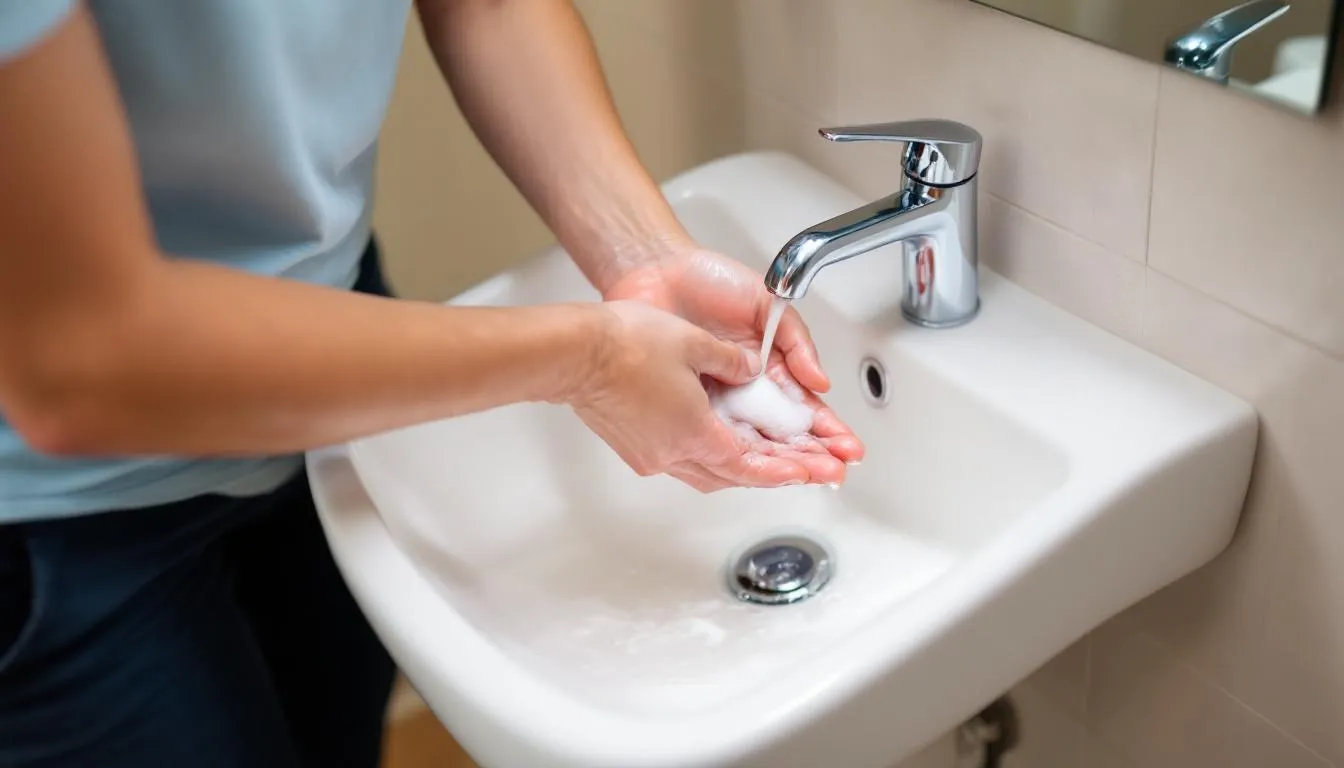
Effective fomite transmission prevention requires risk-stratified approaches based on scientific evidence rather than intuitive or fear-driven responses. Hand hygiene remains the single most effective intervention, with studies demonstrating 16-21% reduction in gastrointestinal illness and 6-44% reduction in respiratory illness when proper hand washing techniques are consistently practiced.
The superiority of hand hygiene over surface disinfection reflects the transmission pathway for most fomite-transmitted diseases. Since infection typically occurs through hand-to-mouth, hand-to-nose, or hand-to-eye contact, interrupting this pathway at the hand hygiene step provides maximum protection regardless of surface contamination levels. Alcohol-based hand sanitizers with at least 60% alcohol content effectively inactivate most enveloped viruses and many bacteria, though soap and water remain necessary for removing certain pathogens like C. difficile spores and norovirus.
Environmental cleaning strategies should focus on visibly soiled surfaces and high-touch areas where contamination is most likely. Routine cleaning with detergents removes organic matter and reduces pathogen loads more effectively than disinfectants alone. For most community settings, regular cleaning with soap or detergent solutions provides adequate protection without requiring specialized antimicrobial agents.
Disinfection procedures become important in specific circumstances: healthcare settings with vulnerable patients, during confirmed outbreaks of fomite-transmitted diseases, food preparation areas to prevent foodborne illness, and areas contaminated with bodily fluids. The choice of disinfectant should match the target pathogen, with EPA-registered products providing guidance on contact times and appropriate applications.
Contact time requirements are critical for effective disinfection but often overlooked in practice. Most disinfectants require several minutes of contact time to achieve claimed efficacy, yet real-world application often involves immediate wiping that prevents adequate pathogen inactivation. Training on proper application techniques significantly improves disinfection effectiveness.
Cost-effectiveness analyses consistently favor targeted over universal disinfection approaches. Resources invested in intensive surface cleaning often yield minimal health benefits compared to other interventions like vaccination, hand hygiene promotion, or improved ventilation systems. During the COVID-19 pandemic, some estimates suggested that surface disinfection provided 100-1000 times less benefit per dollar spent compared to other prevention measures.
Environmental microbiology research has identified specific high-risk surfaces that merit enhanced attention: toilet handles and bathroom fixtures where fecal contamination occurs, food contact surfaces in kitchens and dining areas, medical equipment that contacts multiple patients, and frequently touched surfaces in healthcare settings like bed rails and call buttons.
The development of long-lasting antimicrobial surface treatments represents an emerging technology with potential applications in healthcare settings. Copper-containing alloys demonstrate sustained antimicrobial activity against many pathogens, though real-world effectiveness depends on maintenance, surface integrity, and pathogen-specific factors. However, these technologies supplement rather than replace basic infection control practices.
Risk-Stratified Cleaning Protocols
Effective infection control requires tailoring cleaning and disinfection protocols to the specific risks present in different environments. This risk-stratified approach optimizes resource allocation while providing appropriate protection based on scientific evidence rather than uniform application of intensive measures.
High-risk areas requiring enhanced protocols include intensive care units, isolation rooms for patients with infectious diseases, operating rooms and procedural areas, and spaces caring for immunocompromised patients. These environments benefit from frequent cleaning with EPA-registered disinfectants, terminal cleaning between patients, and specialized protocols for equipment that contacts multiple patients.
In high-risk healthcare settings, cleaning frequency should reflect patient acuity and contamination potential. Patient care areas may require cleaning multiple times per day, with terminal disinfection when patients are discharged or transferred. High-touch surfaces like bed rails, over-bed tables, and medical equipment require particular attention due to frequent hand contact and potential for cross-contamination.
Standard protocols for general healthcare areas, medical offices, and other clinical settings emphasize routine cleaning with detergent solutions and targeted disinfection of high-touch surfaces. Daily cleaning typically suffices for most areas, with increased frequency during outbreak situations or when caring for patients with known infectious diseases that easily spread via contaminated surfaces.
Community settings including schools, offices, and residential facilities require minimal routine disinfection beyond standard cleaning practices. Focus should concentrate on restrooms, food preparation areas, and other locations where contamination with bodily fluids might occur. Regular cleaning with soap or detergent effectively reduces pathogen loads without requiring antimicrobial agents.

Outbreak situations necessitate temporary intensification of cleaning protocols based on the specific pathogen and transmission patterns. Norovirus outbreaks require chlorine-based disinfectants and enhanced cleaning frequency, while respiratory virus outbreaks benefit more from improved ventilation and respiratory precautions than surface disinfection.
Frequency recommendations should consider surface usage patterns and contamination risk. High-touch surfaces in patient care areas may require cleaning multiple times per shift, while low-touch environmental surfaces might need attention only during routine housekeeping. Understanding these usage patterns helps prioritize effort and resources for maximum effectiveness.
Resource allocation during supply shortages requires clear priority systems. Critical areas like operating rooms and isolation units should receive available disinfection supplies before general patient care areas. Hand hygiene supplies always take priority over surface disinfection products due to their superior effectiveness for infection prevention.
Training programs for environmental services staff must emphasize proper techniques, contact times, and safety precautions. Many disinfection failures result from inadequate application rather than product ineffectiveness. Competency-based training with regular reassessment ensures that protocols are implemented correctly and consistently.
Quality assurance programs should monitor compliance with cleaning protocols and measure environmental contamination levels in high-risk areas. ATP (adenosine triphosphate) testing provides rapid feedback on cleaning effectiveness, while periodic environmental cultures can identify persistent contamination problems requiring protocol modifications.
Practical Clinical Guidance
Healthcare providers need specific, actionable guidance for managing fomite risks in clinical practice. This guidance must balance evidence-based risk assessment with practical considerations including resource availability, staff compliance, and patient safety requirements.
Medical equipment cleaning requires standardized protocols between patient uses. Stethoscopes, blood pressure cuffs, and other devices that contact multiple patients should be wiped with alcohol-based disinfectants between uses. Electronic devices like tablets and phones used in patient care require special consideration due to manufacturer cleaning restrictions and frequent hand contact.
Patient and family education about realistic fomite risks helps prevent unnecessary anxiety while promoting effective prevention behaviors. Explaining that hand hygiene provides superior protection compared to intensive surface cleaning helps families focus their efforts appropriately. For immunocompromised patients, enhanced precautions may be warranted, but these should be based on clinical risk assessment rather than generalized fear of environmental contamination.
Outbreak response protocols should be predetermined and pathogen-specific. When healthcare-associated infections occur, environmental sampling can help identify potential sources, but clinical investigation and infection control measures take priority over extensive surface testing. Most outbreaks result from lapses in standard precautions rather than environmental contamination.
During supply shortages, clinical decision-making must prioritize interventions with greatest impact. Hand hygiene supplies, personal protective equipment, and cleaning products for high-risk areas should receive priority allocation. Non-critical disinfection activities can be safely deferred when resources are limited.
Equipment reprocessing guidelines should follow manufacturer instructions and established standards. Single-use devices should never be reused regardless of cleaning or disinfection. Reusable medical equipment requires validated cleaning and sterilization processes appropriate for their intended use and contamination risk.
Personal protective equipment decisions should consider fomite risks in context of other transmission pathways. For most clinical encounters, standard precautions including hand hygiene and appropriate PPE provide adequate protection. Enhanced precautions may be necessary for specific pathogens known to spread via environmental contamination.
Documentation requirements for environmental cleaning vary by facility and regulatory requirements. Focus should be on compliance with established protocols rather than extensive documentation of routine cleaning activities. Incident reporting should capture cleaning failures or contamination events that might contribute to healthcare-associated infections.
Staff education programs must address both the science of fomite transmission and practical implementation challenges. Healthcare workers often overestimate surface transmission risks while underestimating the effectiveness of hand hygiene. Regular education sessions help maintain appropriate risk perception and compliance with evidence-based protocols.
Future Directions and Research Needs
Current gaps in fomite transmission research limit our ability to develop optimal prevention strategies and may lead to either inadequate or excessive prevention measures. Advancing our understanding requires sophisticated research approaches that better reflect real-world conditions and transmission dynamics.
Quantitative risk assessment models need development to integrate pathogen survival data, transfer efficiency measurements, and exposure patterns into comprehensive risk estimates. Current research often examines these factors in isolation, making it difficult to assess cumulative transmission risks and compare intervention effectiveness across different scenarios.
Environmental detection technologies are advancing rapidly, with potential applications for real-time monitoring of pathogen contamination in healthcare and community settings. However, the relationship between detection sensitivity and actual transmission risk requires clarification. Highly sensitive molecular methods may detect non-viable pathogens or levels insufficient for transmission, potentially leading to unnecessary interventions.
The indoor microbiome represents an emerging research area with implications for understanding baseline microbial communities and identifying abnormal contamination patterns. Studies of bacterial diversity on various surfaces reveal complex ecosystems that change with human activities, building design, and environmental conditions. This research may inform more sophisticated approaches to environmental monitoring and cleaning protocols.
Long-lasting antimicrobial surface treatments require rigorous evaluation under real-world conditions. While laboratory studies demonstrate effectiveness against many pathogens, field studies in clinical environments often show reduced efficacy due to organic soil accumulation, surface wear, and incomplete coverage. Understanding the practical limitations and optimal applications for these technologies will guide appropriate implementation.

Behavioral research on hand hygiene compliance and surface contact patterns could inform more effective intervention design. Understanding why healthcare workers have suboptimal hand hygiene compliance despite extensive training might reveal opportunities for improvement. Similarly, quantifying how people contact surfaces and subsequently touch their faces could refine risk assessment models.
Economic analyses of different prevention strategies need updating based on recent evidence about fomite transmission risks. Cost-effectiveness studies conducted before the COVID-19 pandemic may overestimate the benefits of surface disinfection relative to other interventions. Updated analyses could guide resource allocation decisions for infection prevention programs.
Climate change implications for pathogen survival and transmission patterns deserve investigation. Changing temperature and humidity patterns may alter survival characteristics for various organisms, potentially affecting fomite transmission risks in different geographic regions and building environments.
Regulatory frameworks for antimicrobial products and claims require evaluation in light of evolving scientific understanding. Current EPA registration processes for disinfectants rely heavily on laboratory efficacy data that may not reflect real-world effectiveness. Developing standards that better predict actual performance could improve product selection and application.
International collaboration on fomite research could accelerate progress by sharing resources, standardizing methodologies, and conducting multi-site studies. Different regions face varying pathogen burdens and environmental conditions, making collaborative research essential for developing globally applicable guidance.
The lessons learned from COVID-19 pandemic responses, including both effective measures and resource misallocation, should inform future preparedness planning. Rapid implementation of evidence-based interventions during the next pandemic requires pre-established protocols and clear communication strategies that prevent overreaction to uncertain risks.
Integration of artificial intelligence and machine learning approaches could enhance environmental monitoring and risk prediction capabilities. These technologies might identify contamination patterns, predict outbreak risks, or optimize cleaning schedules based on usage patterns and pathogen characteristics.
Conclusion
Understanding fomite transmission requires distinguishing between pathogen presence and actual infection risk, a nuance that became particularly evident during the COVID-19 pandemic when intensive surface disinfection often provided minimal benefit compared to other prevention measures. As an infectious disease physician, I’ve observed how misconceptions about surface transmission can lead to resource misallocation and reduced focus on more effective interventions.
The scientific evidence clearly demonstrates that fomite transmission risk varies dramatically by pathogen, environment, and host factors. High-risk scenarios involve robust pathogens like norovirus in settings with vulnerable populations, while most respiratory viruses pose minimal fomite transmission risk in community environments. Healthcare settings require enhanced protocols due to pathogen loads, vulnerable patients, and contaminated medical equipment, but even here, hand hygiene remains the cornerstone of prevention.
Evidence-based prevention strategies prioritize interventions with demonstrated effectiveness: hand washing for all settings, targeted surface cleaning based on contamination risk, and enhanced protocols only when justified by specific pathogens and circumstances. The COVID-19 experience taught us that psychological comfort from visible cleaning activities must not override scientific evidence about transmission pathways and intervention effectiveness.
Moving forward, infection control professionals, healthcare providers, and policymakers must resist the tendency toward one-size-fits-all approaches in favor of risk-stratified protocols based on solid scientific evidence. This requires ongoing research to fill knowledge gaps, better risk assessment tools, and clear communication about the relative importance of different transmission pathways for various infectious diseases.
The goal is not to eliminate all microbial contamination from our environment—an impossible and unnecessary objective—but to implement prevention measures that effectively reduce transmission risk while allowing society to function normally. By grounding our approaches in scientific evidence rather than fear or intuition, we can protect public health more effectively while avoiding the economic and social costs of excessive or misdirected prevention efforts.