Table of Contents
Published: June 22, 2026
Read Time: 29.9 Mins
Total Views: 242
During my years treating patients with respiratory infections and leading public health responses, I’ve witnessed firsthand how quickly diseases can spread through communities when people don’t understand the mechanics of transmission. The simple act of an infected person coughs or sneezes can release thousands of respiratory droplets, each potentially carrying infectious agents to nearby individuals. Yet despite the critical importance of understanding disease transmission, widespread confusion persists about how respiratory infections actually spread—particularly the crucial distinctions between droplet transmission, airborne transmission, and other modes of infection.
This confusion isn’t merely academic; it has real consequences for infection prevention strategies, healthcare protocols, and daily life decisions that affect public health outcomes. When we misunderstand transmission mechanisms, we implement ineffective measures while potentially neglecting the interventions that actually work. As we learned during the covid 19 pandemic, clear scientific understanding of transmission modes directly translates to lives saved and communities protected.
In this comprehensive examination, I’ll explain what droplet transmission is, how it occurs, which diseases spread this way, and how it differs from airborne and direct contact transmission. My goal is to provide healthcare personnel, educators, policymakers, and the general public with the scientific precision needed to make informed decisions about infection control and prevention.
What is Droplet Transmission?
Droplet transmission refers to the spread of infectious diseases through respiratory droplets containing pathogens when an infected person coughs, sneezes, talks, or breathes. These liquid droplets originate from the respiratory tract and carry viruses, bacteria, and other infectious agents that can infect another person by contacting the mucous membranes of the mouth, nose, or eyes.
The defining characteristic of droplet transmission lies in the physical properties of these respiratory particles. Droplets involved in this mode of transmission are typically large particles, ranging from 5 to 100 micrometers in diameter according to current world health organization guidelines. Due to their size and weight, these large droplets rapidly fall to the ground under gravitational influence, generally traveling only short distances—typically 3 to 6 feet—before settling on surfaces or being inhaled by nearby individuals.
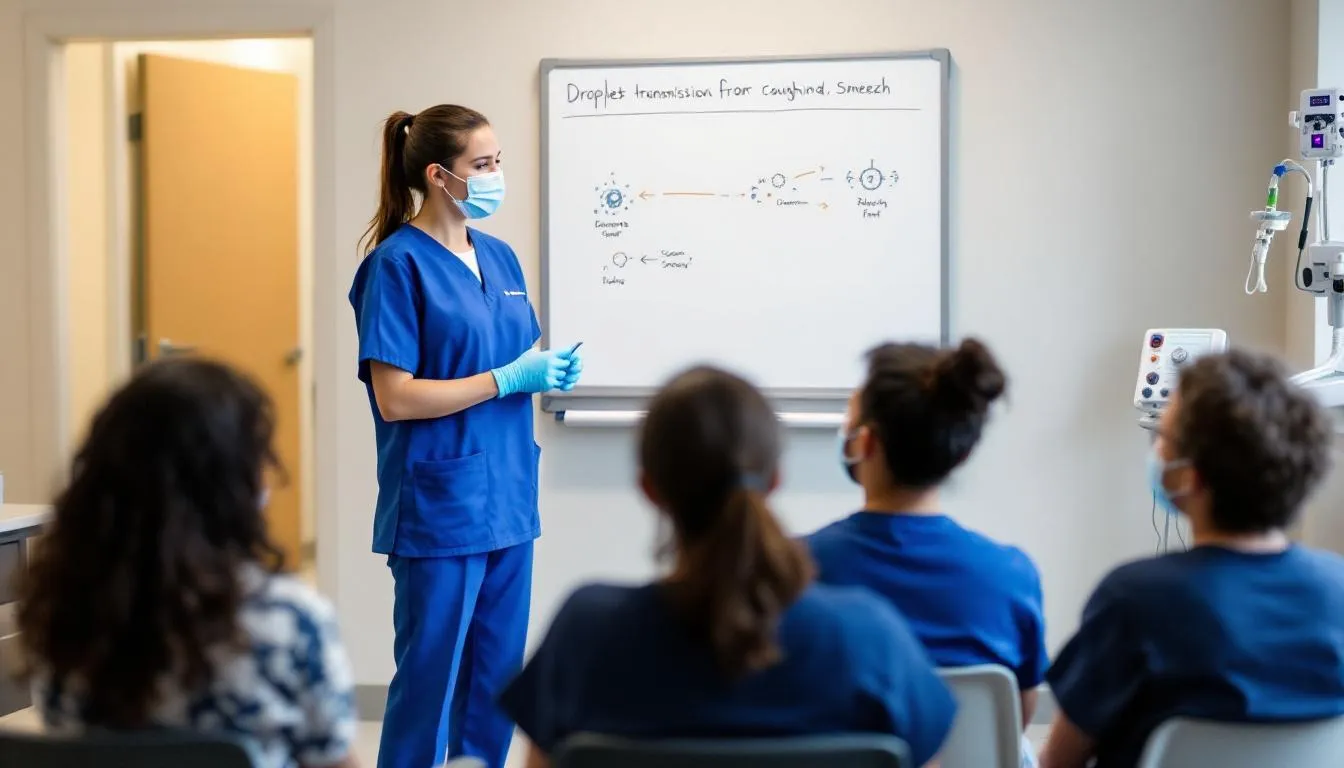
When an infected patient coughs, they can expel approximately 3,000 droplets containing up to 20,000 viruses in a single event. These droplets carry infectious agents in a liquid medium that maintains pathogen viability during the brief time they remain airborne. The concentration of pathogens within individual droplets varies significantly, with larger droplets often containing higher viral loads due to their greater volume capacity.
The mechanism differs fundamentally from other transmission routes. Unlike airborne diseases, where microscopic droplet nuclei can remain suspended in air for hours and travel considerable distances, droplet infection occurs through direct exposure to fresh respiratory secretions within close proximity to the source. This close contact requirement—typically within one to two meters—forms the basis for infection control measures designed specifically for droplet precautions.
The Physics of Droplet Transmission
Understanding the physics behind droplet transmission requires examining how respiratory particles behave once expelled from the human respiratory tract. The size distribution of droplets produced during different respiratory activities follows predictable patterns, with important implications for disease transmission and infection prevention.
Droplets larger than 100 micrometers settle quickly due to gravitational forces, typically falling within seconds and traveling minimal distances. The critical range for droplet transmission encompasses particles between 5 and 100 micrometers, which remain airborne long enough to be inhaled by nearby individuals but lack the buoyancy to remain suspended indefinitely. Smaller particles—those less than 5 micrometers in diameter—behave differently, potentially evaporating into droplet nuclei that can remain suspended in air currents for extended periods.
Environmental conditions significantly influence droplet behavior and transmission risk. Ambient temperature affects evaporation rates, with cooler conditions preserving larger droplet sizes for longer periods. Humidity plays a crucial role in determining whether droplets maintain their initial sizes or shrink through water loss. Higher humidity slows evaporation, keeping droplets in the size range associated with gravitational settling rather than airborne suspension.
Air currents and ventilation patterns dramatically alter droplet trajectories and settlement patterns. In poorly ventilated spaces, droplets may travel slightly farther than typical estimates suggest, while effective ventilation systems can reduce transmission risk by diluting infectious particles and promoting rapid air exchange. These environmental factors explain why respiratory transmission often peaks during winter months when people gather indoors with reduced ventilation.
The force behind respiratory events affects both droplet generation and distribution patterns. Coughing produces more droplets than normal speaking, while sneezing generates the highest numbers of particles across the broadest size spectrum. Violent respiratory events like whooping cough paroxysms can expel droplets at velocities approaching 600 kilometers per hour, though most particles still settle within the characteristic short distances due to air resistance and gravitational forces.
Viral load concentration varies significantly across different droplet sizes, with implications for infectivity and transmission risk. Research indicates that intermediate-sized droplets often carry the highest concentrations of viable pathogens, representing an optimal balance between pathogen-carrying capacity and airborne persistence time. This finding helps explain why many respiratory infections require relatively close contact for efficient transmission.
How Droplet Transmission Differs from Other Modes
The distinction between droplet transmission and other modes of disease transmission represents one of the most important concepts in infection control, yet it remains widely misunderstood even among healthcare professionals. These distinctions aren’t merely academic—they determine appropriate prevention strategies, personal protective equipment requirements, and public health policies.
The historical threshold of 5 micrometers, established by early 20th century researchers, distinguishes droplets from droplet nuclei involved in airborne transmission. Particles larger than this threshold typically settle within minutes and travel limited distances, while smaller particles can remain suspended for hours and travel throughout entire buildings via air currents. However, modern aerosol science reveals this dichotomy oversimplifies the complex spectrum of respiratory particle behavior.
Airborne transmission occurs when infectious agents are carried by droplet nuclei or particles small enough to remain suspended in air for extended periods. Diseases transmitted via the airborne route, such as measles and tuberculosis, can infect individuals at considerable distances from the source and require specialized infection control measures including negative pressure rooms and N95 respirators for healthcare workers.
Direct contact transmission involves physical contact between an infected person and a susceptible individual, allowing pathogens to transfer directly through skin contact or contact with infected bodily fluids. This mode requires intimate contact and doesn’t involve respiratory particles at all.
Fomite transmission, a form of indirect contact, occurs when infectious agents survive on contaminated surfaces long enough to infect individuals who subsequently touch those surfaces and then touch their mucous membranes. While respiratory droplets can contribute to surface contamination when they settle, fomite transmission involves dried pathogens rather than fresh respiratory secretions.
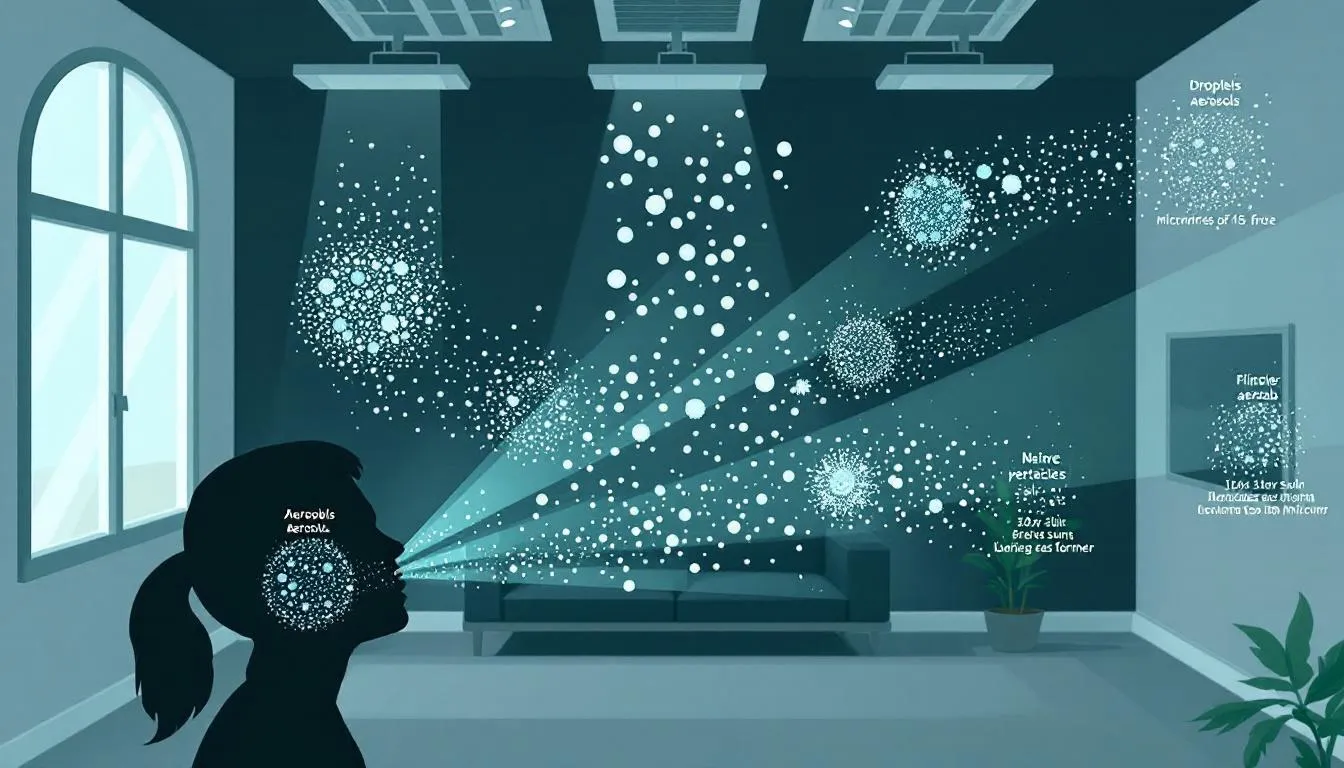
Common misconceptions about the “droplet versus airborne” dichotomy stem from oversimplified explanations that present these modes as completely separate phenomena. In reality, respiratory events produce particles across a continuous size spectrum, and environmental conditions can blur the boundaries between modes. Some infections may involve multiple transmission routes simultaneously, with their relative importance varying by setting and circumstances.
The 3-to-6-foot rule for social distancing derives from early research demonstrating that most large droplets settle within this distance under typical indoor conditions. However, this rule represents a practical guideline rather than an absolute barrier, as environmental factors can extend or reduce actual transmission distances. Understanding these nuances helps explain why infection control requires layered approaches rather than relying on single interventions.
Diseases Commonly Spread by Droplet Transmission
Numerous infectious diseases spread primarily through droplet transmission, affecting millions of people worldwide and representing major public health challenges. Understanding which pathogens utilize this transmission mode helps inform prevention strategies and clinical decision-making.
Respiratory viruses dominate the list of droplet-transmitted infections. Influenza viruses spread efficiently through respiratory droplets, with infected individuals remaining contagious from one day before symptom onset through approximately one week after illness begins. The seasonal nature of influenza reflects the enhanced transmission that occurs when people gather indoors during colder months, creating optimal conditions for droplet spread.
Common cold viruses, including rhinoviruses and coronaviruses, represent perhaps the most frequent examples of droplet transmission in daily life. These infections spread readily in households, schools, and workplaces where people maintain close contact. The mild nature of many cold symptoms can actually enhance transmission, as infected individuals often continue normal activities while unknowingly spreading virus through respiratory droplets.
The coronavirus disease covid 19, caused by SARS-CoV-2, primarily spreads through droplet transmission, though the pandemic revealed important nuances in our understanding of respiratory transmission modes. While droplet spread accounts for most transmission events, certain circumstances—particularly in healthcare settings during medical procedures that generate aerosols—can shift transmission toward the airborne route.
Bacterial infections transmitted via droplets include several serious diseases. Pertussis, commonly known as whooping cough, spreads through respiratory droplets and can cause severe illness, particularly in infants. The characteristic paroxysmal coughing fits generate numerous droplets, making infected individuals highly contagious during the early stages of illness.
Pneumococcal pneumonia and meningococcal disease represent bacterial infections that can spread through droplet transmission, though these organisms may also colonize the respiratory tract asymptomatically. Streptococcal infections, including strep throat, commonly spread through respiratory droplets in close-contact settings like schools and households.
Other respiratory pathogens utilizing droplet transmission include respiratory syncytial virus (RSV), which causes significant morbidity in young children and elderly adults, and adenoviruses, which can cause respiratory illness across all age groups. Parainfluenza viruses and human metapneumovirus also spread primarily through respiratory droplets.
Seasonal patterns characterize many droplet-transmitted diseases, with peak transmission typically occurring during fall and winter months. This seasonality reflects multiple factors: increased indoor crowding, reduced ventilation, lower humidity levels that may enhance viral survival, and potential changes in immune system function. Understanding these patterns helps healthcare systems prepare for predictable surges in respiratory illness.
Age-related susceptibility varies significantly among droplet-transmitted infections. Young children often experience higher attack rates due to immature immune systems and behaviors that facilitate close contact. Elderly individuals may develop more severe complications from the same pathogens. Healthcare workers and teachers face occupational exposure risks due to frequent contact with infected individuals.
Infection Control Measures in Healthcare Settings
Healthcare settings require systematic infection control measures to prevent nosocomial transmission of droplet-spread infections. These protocols, developed through decades of research and practical experience, provide templates for managing infectious patients while protecting healthcare personnel and other patients.
Droplet precautions form the cornerstone of infection control for diseases transmitted via respiratory droplets. These measures supplement standard precautions and include specific requirements for patient placement, personal protective equipment, and healthcare worker behavior. The scientific rationale underlying these protocols reflects our understanding of droplet physics and transmission mechanics.
Patient placement requirements prioritize private rooms when available, though droplet precautions don’t mandate negative pressure ventilation systems required for airborne precautions. When private room space is limited, infected patients may be cohorted together, provided they’re infected with the same organism and adequate spacing (typically 3 feet) separates different patients. Door management is less critical than for airborne diseases, as droplets don’t require specialized air handling.
Personal protective equipment requirements for droplet precautions include surgical masks for healthcare workers entering patient rooms. Unlike airborne precautions, which require fitted N95 respirators, surgical masks provide adequate protection against large respiratory droplets. However, procedures that might generate aerosols require escalation to airborne precautions and appropriate respiratory protection.
Eye protection becomes important when healthcare personnel work within 3 feet of patients with droplet-transmitted infections, as conjunctival exposure represents a potential route of infection. Gloves and gowns may be indicated when direct contact with respiratory secretions is anticipated, though they’re not routinely required for droplet precautions unless additional contact transmission risk exists.
Healthcare workers must understand proper donning and doffing procedures for personal protective equipment to avoid self-contamination. Hand hygiene remains critical before and after patient contact, as hands can become contaminated through direct contact with respiratory secretions or contaminated surfaces. The sequence of PPE removal requires particular attention to prevent cross-contamination.

Visitor management policies during droplet precautions aim to limit unnecessary exposure while maintaining important family connections. Visitors should receive education about proper precautions, including mask wearing and hand hygiene. Some facilities restrict visitors during active infection periods, while others allow limited visitation with appropriate precautions.
Patient transport within healthcare facilities requires careful coordination when individuals with droplet-transmitted infections must move between locations. Patients should wear surgical masks during transport when possible, and receiving areas should be notified in advance to ensure appropriate precautions are in place. Non-essential transport should be minimized to reduce exposure opportunities.
Healthcare facility policies must address staff health monitoring and restrictions. Healthcare personnel with symptoms suggestive of droplet-transmitted infections should be evaluated and potentially excluded from patient care activities until they’re no longer infectious. Some facilities implement routine symptom screening to identify potentially infectious staff members before they begin work.
Prevention Strategies for the General Public
Effective prevention of droplet-transmitted infections in community settings requires understanding basic transmission principles and implementing practical measures that individuals and families can adopt in their daily life. These strategies, grounded in scientific evidence, offer realistic approaches to reducing transmission risk.
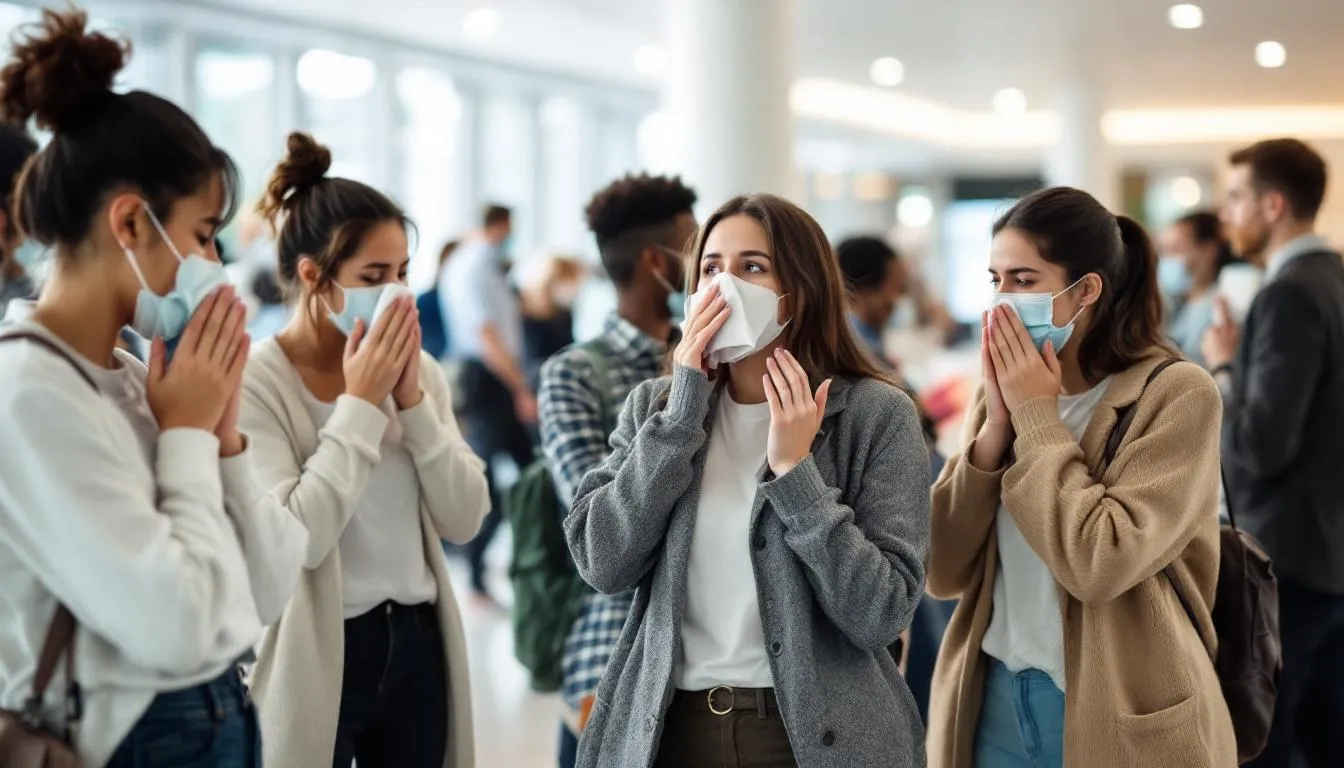
Respiratory etiquette represents the first line of defense against droplet transmission. Covering coughs and sneezes prevents the release of infectious droplets into the immediate environment, protecting nearby individuals from exposure. The proper technique involves using tissues when available, disposing of them immediately, and performing hand hygiene afterward. When tissues aren’t available, coughing or sneezing into the elbow rather than hands prevents subsequent contamination of objects and surfaces.
Social distancing principles, while popularized during the covid 19 pandemic, apply broadly to droplet-transmitted infections. Maintaining 3 to 6 feet distance from individuals with respiratory symptoms reduces exposure to fresh respiratory droplets. This distance reflects the typical settling range for large droplets under normal environmental conditions, though specific circumstances may require greater separation.
Hand hygiene assumes critical importance because hands can become contaminated through direct contact with respiratory secretions or by touching surfaces where droplets have settled. Proper handwashing with soap and water for at least 20 seconds effectively removes most pathogens, while alcohol-based hand sanitizers provide convenient alternatives when handwashing facilities aren’t available. The timing of hand hygiene matters as much as technique—washing hands before touching the face prevents inadvertent self-inoculation.
Mask wearing in community settings provides source control when properly implemented. Surgical masks and well-fitted cloth masks can significantly reduce droplet emission from infected individuals, even those who don’t yet realize they’re infectious. The effectiveness of masking for source control exceeds its protective benefit for uninfected individuals, though universal masking can provide community-wide benefits during outbreaks.
Home isolation practices become essential when family members develop symptoms of droplet-transmitted infections. Infected individuals should remain in separate rooms when possible, use separate bathrooms if available, and maintain distance from other household members. Shared spaces require frequent cleaning, particularly high-touch surfaces where settled droplets might contribute to indirect transmission.
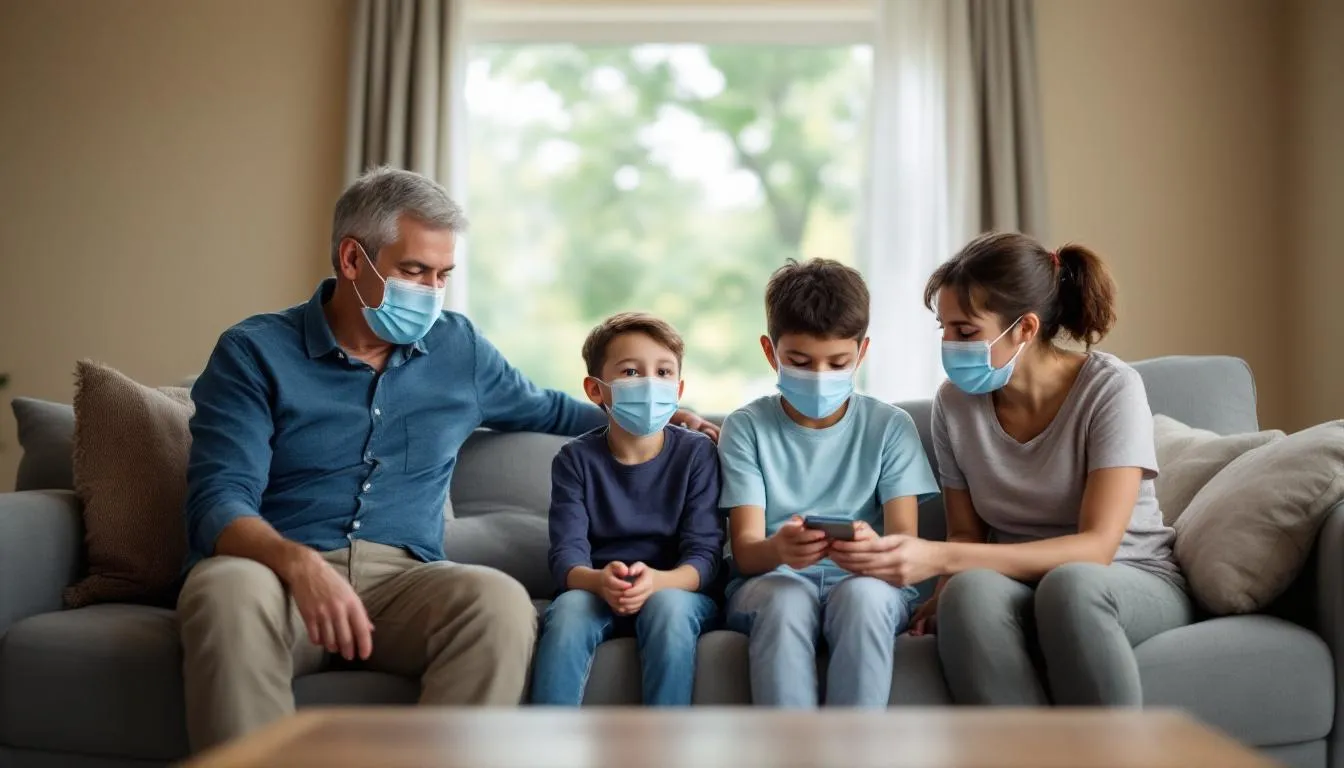
Recognition of symptoms that suggest droplet-transmitted infections helps individuals make appropriate decisions about isolation and healthcare seeking. Fever, cough, sore throat, and nasal congestion represent common presentations that should prompt consideration of isolation measures. Early recognition and appropriate response can prevent transmission to family members and community contacts.
Public education about transmission modes helps individuals understand why specific prevention measures work and when they’re most important. Understanding that droplet transmission requires close contact helps people make informed decisions about activities and environments. Knowledge about seasonal patterns can prompt increased vigilance during high-risk periods.
Workplace and school policies should accommodate individuals with respiratory symptoms by providing sick leave options and encouraging early departure when symptoms develop. Policies that penalize absence due to illness inadvertently promote attendance by infectious individuals, increasing transmission risk for entire communities.
Environmental Controls and Public Health Measures
Environmental modifications and public health policies provide community-level protection against droplet-transmitted infections by addressing the conditions that facilitate transmission. These measures complement individual prevention strategies and often prove more effective than relying solely on personal behavior change.
Ventilation plays a crucial role in reducing droplet transmission risk by diluting infectious particles and reducing their concentration in indoor air. Fresh air circulation helps remove contaminated air and replaces it with clean outdoor air. While droplets themselves settle quickly and don’t require the specialized air handling needed for airborne diseases, improved ventilation still provides benefits by reducing overall pathogen concentration and improving air quality.
Mechanical ventilation systems in public buildings should emphasize fresh air introduction rather than recirculation when possible. Simple measures like opening windows can significantly improve air exchange rates in many settings, particularly during mild weather when outdoor air temperature permits. The goal isn’t to prevent droplet transmission directly—since large droplets settle quickly regardless of air movement—but to create healthier indoor environments that reduce overall transmission risk.
Surface disinfection protocols address the indirect transmission risk that occurs when respiratory droplets settle on environmental surfaces. Pathogens from settled droplets can survive for several hours on most surfaces, creating opportunities for fomite transmission when individuals touch contaminated surfaces and subsequently touch their faces. Regular cleaning and disinfection of high-touch surfaces interrupts this potential transmission pathway.
The frequency and extent of environmental cleaning should reflect actual usage patterns and transmission risk levels. During outbreaks of droplet-transmitted diseases, increased cleaning frequency for shared surfaces like doorknobs, handrails, and shared equipment can reduce indirect transmission risk. However, the primary benefit comes from interrupting hand-to-face contact rather than preventing direct droplet exposure.

School and workplace policies must balance infection control with operational requirements. Spacing considerations in classrooms and meeting rooms can reduce close contact opportunities, though complete elimination of transmission risk may not be feasible in most educational and occupational settings. Practical policies focus on reducing risk to acceptable levels rather than achieving perfect prevention.
Sick leave policies represent critical public health interventions that prevent infectious individuals from attending work or school. Generous sick leave allowances, particularly during the early stages of illness when many droplet-transmitted infections are most contagious, can significantly reduce community transmission. Policies should explicitly encourage early departure when respiratory symptoms develop rather than waiting for severe illness.
Public transportation presents unique challenges for droplet transmission control due to crowded conditions and limited ability to maintain consistent spacing. Ventilation improvements, promotion of respiratory etiquette, and policies encouraging mask wearing during respiratory illness seasons can help reduce transmission risk. Some transit systems implement enhanced cleaning protocols during outbreak periods.
Confined space considerations extend beyond transportation to include elevators, waiting rooms, and other areas where people gather in close proximity. These environments may benefit from occupancy limits during outbreak periods, improved ventilation where feasible, and clear signage promoting respiratory etiquette.
Seasonal outbreak management requires anticipatory planning based on predictable patterns of respiratory illness. Public health agencies can implement enhanced surveillance, promote prevention messaging, and prepare healthcare systems for increased demand during expected peak transmission periods. Early intervention during outbreak investigations can prevent extensive community spread.
Historical Context and Scientific Evolution
The scientific understanding of droplet transmission has evolved significantly over more than a century of research, shaped by key discoveries, technological advances, and practical experience with infectious disease outbreaks. This historical context illuminates how current infection control practices developed and why certain guidelines exist.
Carl Flügge’s pioneering work in the 1890s first demonstrated that respiratory secretions could transmit infectious diseases. His experiments showing bacterial contamination around individuals with respiratory infections established the concept of “Flügge droplets” and laid the foundation for understanding respiratory transmission. These early investigations used simple culture techniques to demonstrate that infectious organisms could travel through air via respiratory secretions.
William Wells’ research in the 1930s revolutionized understanding of respiratory transmission by distinguishing between droplets and droplet nuclei based on their physical behavior in air. Wells’ evaporation-falling curve demonstrated that particle size determines whether respiratory secretions settle quickly or remain airborne for extended periods. His work established the theoretical framework that still influences infection control policies today.
The 5-micrometer threshold that distinguishes droplets from droplet nuclei emerged from Wells’ research and subsequent industrial hygiene studies. However, this cutoff point originated in engineering applications rather than biological transmission studies, highlighting an important limitation in traditional approaches to categorizing respiratory transmission. Modern research suggests that this binary classification oversimplifies the complex spectrum of particle behavior and transmission risk.
Early 20th century infection control policies developed around these foundational discoveries, establishing concepts like isolation precautions and the 3-foot rule for preventing droplet transmission. These policies reflected the available scientific understanding and practical constraints of their era, including limited diagnostic capabilities and rudimentary ventilation systems in most healthcare facilities.
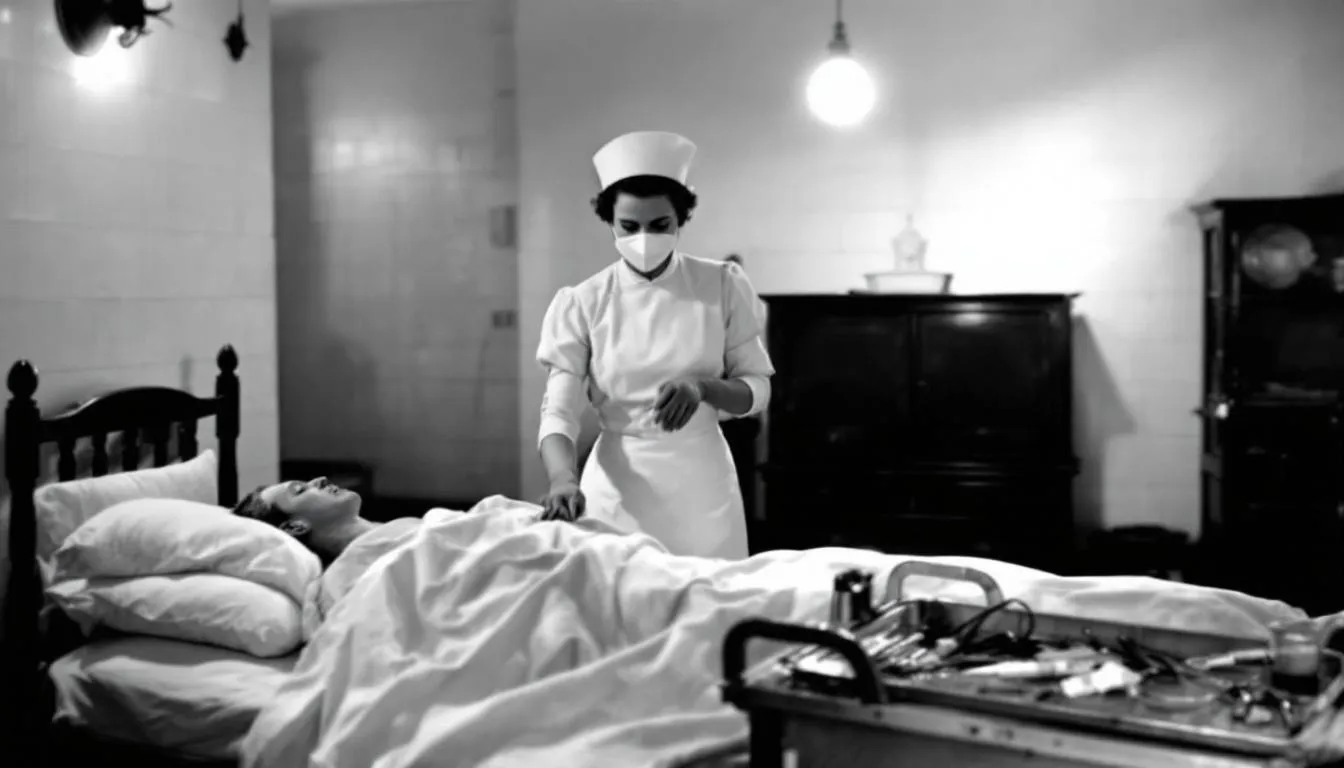
The influenza pandemic of 1918 provided crucial real-world evidence about respiratory transmission and the effectiveness of various prevention measures. Observations from this pandemic influenced policies around mask wearing, social distancing, and public gathering restrictions. Some cities that implemented comprehensive measures experienced lower attack rates, providing early evidence for the effectiveness of coordinated public health responses.
Technological advances throughout the 20th century enhanced understanding of droplet physics and transmission mechanisms. High-speed photography allowed direct observation of droplet generation during respiratory events, revealing the wide spectrum of particle sizes produced by coughing, sneezing, and speaking. Particle-sizing instruments enabled precise measurement of droplet characteristics under various environmental conditions.
The SARS outbreak in 2003 challenged traditional understanding of respiratory transmission modes by demonstrating that some infections previously considered droplet-transmitted could behave more like airborne diseases under certain circumstances. This experience highlighted the importance of environmental factors and specific procedures in determining transmission risk, leading to more nuanced approaches to infection control.
Recent challenges to the traditional droplet versus airborne dichotomy have emerged from covid 19 research and advanced aerosol science. Studies using sophisticated particle detection equipment and computational fluid dynamics modeling reveal that respiratory transmission involves a complex continuum of particle sizes and behaviors rather than discrete categories.
The integration of engineering and epidemiological perspectives has enriched understanding of transmission mechanisms and informed development of more effective prevention strategies. Collaboration between public health professionals, aerosol scientists, and engineers continues to refine infection control approaches based on improved understanding of respiratory particle physics.
Practical Guidance for Different Settings
Implementing effective droplet transmission prevention requires tailored approaches that account for the specific characteristics, constraints, and risk factors present in different environments. Successful programs adapt scientific principles to practical realities while maintaining focus on evidence-based interventions.
Healthcare facilities face the most complex requirements for managing droplet transmission due to high-risk populations, frequent exposure opportunities, and regulatory oversight. Implementing droplet precautions requires comprehensive staff training that goes beyond simple protocol memorization to include understanding of transmission mechanisms and rationale for specific interventions. Healthcare workers need regular updates on evolving guidelines and hands-on practice with personal protective equipment procedures.
Patient education represents an often-overlooked component of healthcare infection control. Patients and visitors who understand transmission mechanisms are more likely to comply with precaution requirements and continue appropriate practices after discharge. Educational materials should explain why specific measures matter rather than simply listing required behaviors.
Staff health monitoring programs help identify potentially infectious healthcare workers before they expose vulnerable patients. Effective programs combine symptom screening, clear policies about working while ill, and adequate sick leave benefits that don’t penalize appropriate absence. Some facilities implement routine testing during outbreak periods to identify asymptomatic infections.
Schools and childcare facilities present unique challenges due to developmental factors that affect children’s ability to consistently practice prevention measures. Young children may have difficulty maintaining appropriate spacing, covering coughs and sneezes reliably, or avoiding face touching. Successful programs focus on age-appropriate education, environmental modifications, and adult supervision rather than relying solely on child behavior change.
Classroom spacing arrangements can reduce transmission opportunities when physical modification is feasible, though complete elimination of close contact may not be realistic in most educational settings. Some schools experiment with smaller class sizes, outdoor instruction when weather permits, or modified scheduling to reduce crowding during peak transmission seasons.
Hygiene education programs work best when integrated into daily routines rather than presented as separate lessons. Hand hygiene opportunities before meals, after restroom use, and during transitions between activities help establish consistent practices. Visual reminders and positive reinforcement prove more effective than punitive approaches for promoting desired behaviors.

Workplace environments require infection control approaches that balance employee health with operational requirements. Office layout modifications might include increased spacing between workstations where feasible, though many businesses face constraints that limit major physical changes. Meeting room protocols can reduce transmission risk by limiting occupancy, improving ventilation, or encouraging remote participation when individuals have respiratory symptoms.
Sick leave policies represent the most important workplace intervention for preventing droplet transmission. Generous sick leave benefits, particularly during the early stages of illness, prevent infectious employees from working and exposing colleagues. Policies should explicitly encourage early departure when symptoms develop rather than requiring severe illness before absence becomes acceptable.
Remote work options, when available, provide excellent protection for both infectious and susceptible employees during outbreak periods. Temporary work-from-home policies during seasonal respiratory illness peaks can significantly reduce workplace transmission while maintaining productivity.
Public gatherings and events require risk assessment that considers venue characteristics, attendee demographics, and local disease activity levels. Indoor events with poor ventilation and crowded conditions present higher transmission risk than outdoor gatherings with adequate spacing. Event organizers can implement practical measures like promoting respiratory etiquette, providing hand hygiene stations, and encouraging symptomatic individuals to avoid attendance.
Venue modifications might include improving ventilation systems, increasing spacing between seats when possible, or implementing one-way traffic patterns to reduce face-to-face contact during entry and exit. These measures work best when combined with clear communication about prevention expectations and rationale.
Transportation settings face inherent challenges due to crowded conditions and limited ventilation in many systems. Public transit agencies can promote respiratory etiquette through signage and announcements, improve ventilation systems where feasible, and implement enhanced cleaning protocols during outbreak periods. Some systems successfully promote voluntary mask wearing during respiratory illness seasons.
Future Directions and Ongoing Research
The field of respiratory transmission research continues evolving rapidly, driven by technological advances, interdisciplinary collaboration, and lessons learned from recent pandemic experience. These developments promise to refine our understanding of droplet transmission and improve prevention strategies across multiple settings.
Advanced computational fluid dynamics modeling now allows researchers to simulate droplet behavior under various environmental conditions with unprecedented precision. These models incorporate real-world variables like temperature gradients, air circulation patterns, and humidity fluctuations to predict transmission risk more accurately than simple distance-based guidelines. Integration of these models into building design and public health policy development offers promising opportunities for evidence-based environmental modifications.
Aerosol science continues challenging traditional binary classifications of droplet versus airborne transmission. Sophisticated particle detection instruments can now measure respiratory emissions in real-time, revealing the complex spectrum of particle sizes produced during different activities. This research suggests that transmission mode categories should be viewed as points on a continuum rather than discrete phenomena, with important implications for infection control strategies.

Technology innovations in droplet detection and environmental monitoring enable real-time assessment of transmission risk in various settings. Portable particle counters can measure air quality and pathogen concentration, while advanced sampling techniques allow detection of specific infectious agents in environmental samples. These tools may eventually enable dynamic adjustment of prevention measures based on actual transmission risk rather than general precautionary approaches.
Personal protection technology continues advancing through improved mask designs, novel filtration materials, and innovative approaches to respiratory protection. Research into electrostatic filtration, antimicrobial coatings, and smart materials that respond to environmental conditions may yield more effective and comfortable protective equipment. Integration of sensors and monitoring technology could provide feedback about protection effectiveness and compliance.
Interdisciplinary collaboration between epidemiologists, engineers, and aerosol scientists drives innovation in transmission research and prevention strategies. This collaboration brings together expertise in infectious disease patterns, physical sciences, and engineering solutions to develop more comprehensive understanding of transmission mechanisms. Joint research projects increasingly combine epidemiological investigation with environmental measurement and modeling.
Integration of artificial intelligence and machine learning techniques offers new approaches to analyzing complex transmission data and predicting outbreak patterns. These tools can process vast amounts of environmental, behavioral, and epidemiological data to identify risk factors and optimize prevention strategies. Predictive models may eventually enable proactive intervention before outbreaks become established.
Building design and architecture increasingly incorporate infection control principles informed by transmission research. Concepts like improved natural ventilation, antimicrobial surfaces, and space layouts that reduce transmission opportunities are gaining acceptance in both healthcare and community building design. Integration of smart building technologies allows dynamic adjustment of environmental conditions based on occupancy and risk assessment.
Public health policy development increasingly relies on quantitative transmission modeling to evaluate intervention effectiveness and optimize resource allocation. These models help policymakers understand the relative impact of different prevention strategies and make evidence-based decisions about resource investment. Cost-effectiveness analyses inform decisions about which interventions provide the greatest benefit per dollar invested.
Vaccine development and implementation strategies continue evolving based on improved understanding of transmission mechanisms and population immunity patterns. Research into mucosal immunity and transmission-blocking vaccines may yield interventions that prevent infection at the point of pathogen entry. Understanding of droplet transmission informs vaccine policy decisions about timing, target populations, and expected community benefits.
Global health surveillance systems increasingly incorporate environmental monitoring and real-time transmission assessment to enable rapid response to emerging infectious diseases. International collaboration on research standards and data sharing facilitates rapid advancement of knowledge during outbreak situations. Investment in research infrastructure and training ensures continued progress in understanding and preventing respiratory transmission.
The convergence of these research directions promises significant advances in our ability to prevent droplet-transmitted infections while minimizing societal disruption. Success requires sustained investment in interdisciplinary research, practical application of scientific advances, and continued commitment to evidence-based public health policy. As we build on decades of foundational research while incorporating new technologies and approaches, we move closer to comprehensive, effective, and practical solutions for preventing respiratory disease transmission in all settings where people live, work, and gather.
Understanding droplet transmission represents more than academic knowledge—it provides the foundation for protecting individual and community health through scientifically informed action. By combining rigorous research with practical application, we can reduce the burden of respiratory infections while maintaining the social connections and economic activities that define human society. The future of respiratory disease prevention lies in this synthesis of scientific understanding, technological innovation, and coordinated public health action.