
Table of Contents
Published: January 18, 2026
Read Time: 32.8 Mins
Total Views: 203
Throughout my career as an infectious disease physician and epidemiologist, I have witnessed firsthand how prevention from infection serves as our most powerful weapon against disease outbreaks. The COVID-19 pandemic, like the outbreaks of SARS, MERS, and Ebola before it, reminded us that infectious diseases remain among humanity’s greatest threats—and our greatest opportunities for collective action. While these experiences have been sobering, they have also reinforced a fundamental truth: most infections are preventable through evidence-based measures that, when properly implemented, can save millions of lives and prevent immeasurable suffering.
The interconnected nature of our modern world means that an outbreak anywhere can become a threat everywhere within days or weeks. Yet this same interconnectedness also enables us to share knowledge, coordinate responses, and implement prevention strategies at unprecedented speed and scale. As we look toward the future, our success in preventing infections will depend not only on scientific advances but also on our ability to translate evidence into practice across diverse communities, healthcare settings, and global contexts.
Essential Infection Prevention Fundamentals
Infectious diseases result from the invasion and multiplication of pathogenic microorganisms—bacteria, viruses, fungi, and parasites—within the human body. These pathogens cause illness through various mechanisms: bacterial toxins can damage tissues directly, viruses hijack cellular machinery to replicate themselves, fungi can invade and destroy host tissues, and parasites can disrupt normal physiological processes. Understanding how these germs enter the body and cause disease forms the foundation for all prevention strategies.
The infection chain provides a useful framework for understanding how infectious diseases spread and where interventions can be most effective. This chain consists of three essential components: the infectious agent or source, the transmission pathway, and the susceptible host. Breaking any link in this chain prevents transmission, which is why effective infection prevention programs target multiple points simultaneously rather than relying on single interventions.
Transmission pathways vary significantly among different pathogens and understanding these differences is crucial for implementing appropriate infection control measures. Contact transmission occurs through direct physical contact with an infected person or indirect contact with contaminated surfaces and objects. Droplet transmission involves larger respiratory particles that travel short distances when an infected person coughs, sneezes, or talks. Airborne transmission involves smaller particles that can remain suspended in air for extended periods and travel longer distances. Vector-borne transmission requires insects or other arthropods to carry pathogens between hosts, while foodborne and waterborne transmission occur through contaminated food or water sources.
The economic case for prevention from infection is compelling and well-documented. Healthcare associated infections alone cost the United States healthcare system billions of dollars annually, while the broader economic impact of major outbreaks—including lost productivity, healthcare costs, and societal disruption—can reach into the trillions. By contrast, most evidence-based prevention measures require relatively modest investments and generate substantial returns through avoidable infections, reduced healthcare utilization, and maintained economic productivity.

Hand Hygiene: The Foundation of Infection Control
Hand hygiene represents the single most effective measure for preventing infections across all settings, yet achieving consistent compliance remains one of our greatest challenges in infection prevention and control. The evidence supporting hand hygiene is overwhelming: alcohol-based hand rubs can reduce healthcare associated infections by up to 50% when implemented and monitored rigorously in hospital settings, while proper handwashing in community settings prevents countless cases of respiratory and gastrointestinal illness.
Proper handwashing technique requires attention to both duration and method. The recommended approach involves wetting hands with clean running water, applying soap, and rubbing hands together vigorously for at least 20 seconds—long enough to sing “Happy Birthday” twice. This process should cover all surfaces of the hands, including the backs of hands, between fingers, and under fingernails. Thorough rinsing with clean water and drying with a clean towel or air drying complete the process. When hands are visibly soiled with dirt, blood, or body fluids, soap and water washing is essential as alcohol-based products cannot penetrate organic matter effectively.
Alcohol-based hand sanitizers offer a convenient and effective alternative when soap and water are not readily available, provided they contain at least 60% alcohol. These products are particularly valuable in healthcare settings, where their rapid action and reduced skin irritation compared to frequent washing make them practical for the many hand hygiene opportunities that occur during patient care. However, alcohol-based products are not effective against all pathogens—notably Clostridioides difficile spores—highlighting the importance of understanding when soap and water washing is specifically required.
The World Health Organization’s “5 Moments for Hand Hygiene” framework has revolutionized infection prevention in healthcare facilities by identifying the critical times when healthcare workers should perform hand hygiene: before patient contact, before aseptic procedures, after body fluid exposure, after patient contact, and after contact with patient surroundings. This evidence-based approach recognizes that the patient’s immediate environment becomes contaminated with the patient’s organisms and that healthcare providers’ hands serve as the primary vehicle for transmitting infections between patients.
Despite extensive evidence and education efforts, hand hygiene compliance in healthcare settings rarely exceeds 70%, revealing persistent gaps that contribute to thousands of preventable infections. Successful improvement strategies combine multiple approaches: convenient access to hand hygiene products, regular monitoring and feedback, leadership engagement, and culture change initiatives that make hand hygiene a visible priority. Technology solutions, including electronic monitoring systems and reminder devices, show promise for supporting sustained compliance improvements.
Vaccination: Building Community Immunity
Vaccination stands among medicine’s greatest public health achievements, preventing millions of deaths annually and dramatically reducing the burden of infectious diseases worldwide. Through vaccination programs, we have eliminated smallpox globally, nearly eradicated polio, and achieved remarkable reductions in childhood mortality from diseases like measles, pneumonia, and meningitis. The development and deployment of COVID-19 vaccines in record time demonstrated both the potential of modern vaccine science and the critical importance of maintaining robust vaccination infrastructure.
Herd immunity represents one of vaccination’s most powerful effects, protecting entire communities when vaccination coverage reaches sufficient levels. The threshold for herd immunity varies by disease based on its transmissibility: measles requires approximately 95% vaccination coverage due to its highly contagious nature, while COVID-19 initially required an estimated 70-80% coverage, though this has increased with more transmissible variants. When herd immunity thresholds are achieved, even unvaccinated individuals receive protection because the pathogen cannot sustain transmission within the population.
Vaccine hesitancy poses a significant challenge to achieving optimal vaccination coverage and requires thoughtful, evidence-based responses. Safety concerns often drive hesitancy, yet extensive surveillance data consistently demonstrate that serious adverse events from vaccines are extremely rare, especially compared to the risks of the diseases they prevent. For example, severe allergic reactions occur in approximately one case per million vaccine doses, while the diseases themselves cause serious complications in a much higher proportion of cases. Addressing hesitancy effectively requires empathetic communication, transparent discussion of risks and benefits, and building trust through consistent, accurate information from trusted healthcare providers.
Routine immunization schedules represent decades of research into optimal timing and combinations of vaccines to provide protection when children are most vulnerable while maximizing immune responses. The childhood vaccination schedule protects against more than a dozen serious diseases, while adult vaccinations—including annual influenza vaccines, COVID-19 boosters, and age-appropriate vaccines like shingles and pneumococcal disease vaccines—provide ongoing protection as immunity wanes and new risks emerge.
Travel-specific vaccinations require careful planning and consultation with healthcare providers, ideally beginning three months before departure to allow time for multi-dose series and immune response development. Travel medicine has become increasingly important as global mobility increases and climate change alters the geographic distribution of vector-borne diseases. Yellow fever vaccination, for example, remains mandatory for entry to certain countries and provides lifelong protection against a potentially fatal disease that continues to circulate in parts of Africa and South America.
Respiratory Hygiene and Personal Protective Equipment
Respiratory hygiene and cough etiquette form essential components of infection prevention, particularly for diseases transmitted through respiratory droplets and aerosols. The COVID-19 pandemic elevated awareness of these measures and demonstrated their effectiveness when implemented consistently across populations. Simple actions like covering coughs and sneezes with tissues or the inside of the elbow, disposing of tissues immediately, and performing hand hygiene afterward can dramatically reduce transmission of respiratory viruses.
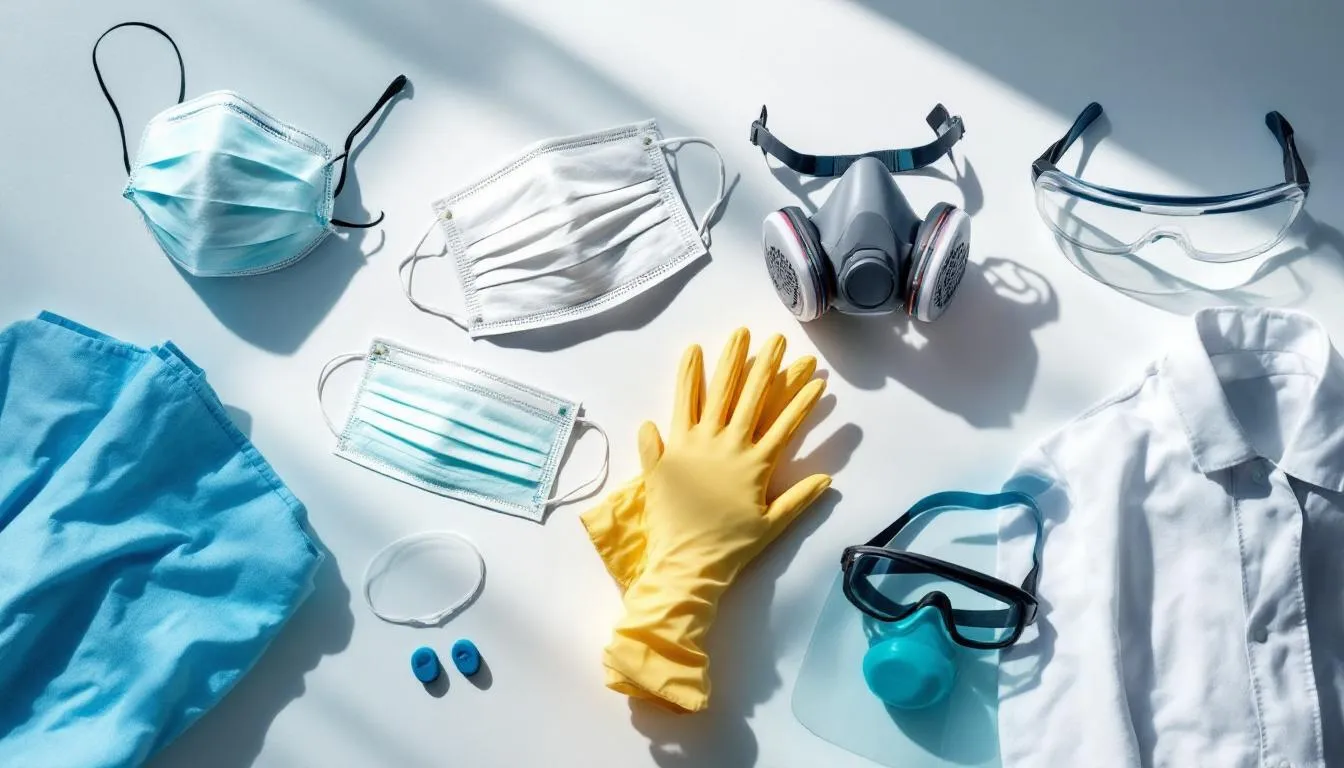
Understanding the differences between various types of masks and respirators is crucial for appropriate personal protective equipment selection. Surgical masks provide protection primarily for others by containing the wearer’s respiratory secretions, while also offering some protection to the wearer from larger droplets. N95 respirators, when properly fitted, filter at least 95% of airborne particles and provide superior protection for the wearer, making them essential for healthcare workers caring for patients with airborne infections like tuberculosis or during aerosol-generating procedures.
The proper use of personal protective equipment requires careful attention to donning and doffing procedures to prevent contamination. Putting on PPE should follow a specific sequence: hand hygiene first, then gown, mask or respirator, eye protection, and gloves. Removing PPE requires even greater care to avoid self-contamination, with the most contaminated items removed first and hand hygiene performed between steps and at the conclusion. Healthcare workers require regular training and competency assessment in these procedures, as improper PPE use can paradoxically increase infection risk.
Community masking emerged as a crucial public health tool during the COVID-19 pandemic, with evidence showing significant reductions in transmission when mask-wearing was widespread. The effectiveness of community masking depends on several factors: the type of mask used, proper fit and consistent wear, and the proportion of the population participating. During periods of high community transmission, public health authorities often recommend universal masking in indoor public settings, particularly where physical distancing cannot be maintained.
Lessons learned from the COVID-19 pandemic have reshaped our understanding of respiratory protection and will likely influence future preparedness efforts. The importance of adequate PPE stockpiles, domestic manufacturing capacity, and clear communication about when and how to use different types of respiratory protection has become evident. Additionally, the pandemic highlighted the need for better ventilation and air filtration in indoor spaces as complementary measures to personal protective equipment.
Environmental Controls and Surface Disinfection
Environmental infection control encompasses the systematic approach to cleaning, disinfection, and sterilization of surfaces, equipment, and air within healthcare facilities and other settings where infection transmission risks are elevated. Contaminated surfaces serve as reservoirs for many pathogens and can contribute to indirect transmission when people touch these surfaces and then touch their faces, particularly their eyes, nose, or mouth before performing hand hygiene.
High touch surfaces require particular attention in environmental cleaning protocols because they have frequent contact with hands and are more likely to become contaminated. In healthcare settings, these include bed rails, door handles, light switches, medical equipment surfaces, and call buttons. In community settings, frequently touched surfaces include elevator buttons, handrails, shopping cart handles, and shared electronic devices. Regular cleaning and disinfection of these surfaces using EPA-approved products can significantly reduce the survival of pathogens and interrupt transmission chains.
The selection of appropriate disinfectants depends on the types of pathogens present and the surfaces being treated. Most common bacteria and viruses are readily killed by standard disinfectants, including alcohol-based products and quaternary ammonium compounds. However, some pathogens require specific approaches: C. difficile spores are resistant to alcohol and require bleach-based products, while nonenveloped viruses like norovirus need disinfectants with specific antiviral claims. Contact time—the duration the disinfectant must remain on the surface before wiping—is critical for effectiveness and varies by product and pathogen.
Ventilation improvements and air filtration systems provide another layer of environmental protection, particularly for airborne pathogens. Healthcare facilities use specialized ventilation systems for patient rooms housing patients with airborne infections, maintaining negative pressure to prevent contaminated air from flowing to other areas. In community settings, improvements like increased outdoor air exchanges, upgraded filtration systems, and portable air cleaners can reduce airborne transmission risks.
The COVID-19 pandemic led to increased attention to environmental cleaning and disinfection, sometimes resulting in excessive or inappropriate practices. While surface disinfection remains important, the primary mode of COVID-19 transmission through respiratory droplets and aerosols meant that ventilation improvements were more impactful than intensive surface cleaning. This experience reinforced the importance of matching environmental control measures to the specific transmission characteristics of different pathogens.
Food Safety and Waterborne Disease Prevention
Foodborne illnesses affect millions of people annually and represent a significant portion of preventable infections worldwide. These illnesses result from consuming food contaminated with bacteria, viruses, parasites, or their toxins, and can range from mild gastrointestinal symptoms to life-threatening conditions. Effective food safety practices focus on preventing contamination during food production, processing, preparation, and storage.
The fundamental principles of food safety can be summarized as clean, separate, cook, and chill. Cleaning involves washing hands, utensils, and surfaces before and after food preparation, as well as rinsing fruits and vegetables under running water. Separating means using different cutting boards and utensils for raw meat and ready-to-eat foods to prevent cross-contamination. Cooking requires reaching safe internal temperatures: 165°F for poultry, 160°F for ground meats, and 145°F for whole cuts of beef, pork, and fish. A meat thermometer provides the only reliable way to ensure these temperatures are reached. Chilling involves promptly refrigerating perishable foods and maintaining proper storage temperatures.
Raw meat, poultry, and seafood require special handling precautions due to their high risk of contamination with dangerous pathogens like Salmonella, E. coli, and Campylobacter. These foods should be stored on the bottom shelf of the refrigerator to prevent dripping onto other foods, prepared on dedicated cutting boards, and cooked to safe internal temperatures. The “danger zone” between 40°F and 140°F allows rapid bacterial growth, so perishable foods should not remain in this temperature range for more than two hours (one hour when ambient temperature exceeds 90°F).
Water safety considerations vary dramatically across different global contexts, from ensuring access to basic sanitation in developing regions to addressing chemical contaminants and emerging pathogens in developed countries. In areas with questionable water quality, boiling water for one minute (three minutes at elevations above 6,500 feet) effectively kills most pathogens, while water purification tablets or portable filtration systems provide alternatives for travelers. Ice made from unsafe water poses the same risks as the water itself and should be avoided in areas where water safety is questionable.
Recent foodborne illness outbreaks have highlighted ongoing vulnerabilities in food safety systems and the importance of rapid outbreak detection and response. Multi-state outbreaks linked to fresh produce have demonstrated how contamination at single facilities can affect consumers across wide geographic areas. These events underscore the importance of traceability systems that allow rapid identification of contamination sources and the need for robust food safety oversight throughout the supply chain.
Vector-Borne Disease Prevention
Vector-borne diseases transmitted by mosquitoes, ticks, and other arthropods represent a growing global health challenge, particularly as climate change expands the geographic range of disease vectors and creates new opportunities for pathogen transmission. These diseases include malaria, dengue fever, Zika virus, West Nile virus, Lyme disease, and Rocky Mountain spotted fever, among others. Prevention strategies must address both personal protection measures and community-wide vector control efforts.
Mosquito-borne disease prevention relies heavily on eliminating breeding sites and protecting individuals from mosquito bites. Standing water provides breeding habitat for mosquitoes, so removing or treating sources like flower pots, gutters, birdbaths, and containers around homes can significantly reduce local mosquito populations. Personal protection measures include using EPA-registered insect repellents containing DEET, picaridin, or oil of lemon eucalyptus; wearing long-sleeved shirts and long pants when outdoors during peak mosquito activity periods; and using bed nets in areas where malaria transmission occurs.
Tick-borne disease prevention requires different strategies because ticks wait in vegetation for hosts to pass by rather than actively seeking them. When hiking or working in areas where ticks are common, wearing light-colored clothing makes it easier to spot ticks, tucking pants into socks creates a barrier, and using repellents on clothing and exposed skin provides additional protection. After potential exposure, performing daily tick checks and promptly removing any attached ticks reduces disease transmission risk, as most tick-borne pathogens require 24-48 hours of attachment for transmission.
Climate change is significantly altering the distribution and behavior of disease vectors, expanding the geographic range of many vector-borne diseases and extending transmission seasons. Rising temperatures allow mosquitoes and ticks to survive in previously unsuitable areas, while changing precipitation patterns create new breeding habitats. These changes require adaptive surveillance and control strategies that can respond to shifting disease patterns and emerging threats.
Community-wide vector control programs complement individual protection measures and can dramatically reduce disease transmission. These programs include surveillance to monitor vector populations and disease activity, larval control to reduce mosquito breeding, adult mosquito control during outbreaks, and public education about prevention measures. Integrated vector management approaches that combine multiple control methods tend to be more effective and sustainable than single-intervention strategies.

Sexual Health and Bloodborne Pathogen Prevention
Sexual health and bloodborne pathogen prevention encompass strategies to reduce transmission of HIV, hepatitis B and C, syphilis, gonorrhea, chlamydia, and other sexually transmitted infections. These infections can have serious long-term health consequences, including infertility, cancer, and increased susceptibility to other infections. Comprehensive prevention approaches combine behavioral interventions, barrier methods, biomedical prevention, and regular testing and treatment.
Safer sex practices remain fundamental to preventing sexually transmitted infections and include consistent and correct use of condoms, limiting the number of sexual partners, choosing partners who have been tested for STIs, and avoiding sexual contact when either partner has symptoms of an STI. Latex and polyurethane condoms, when used correctly and consistently, provide highly effective protection against most sexually transmitted infections, including HIV. However, infections transmitted through skin-to-skin contact, such as herpes and HPV, may still be transmitted even with condom use.
Pre-exposure prophylaxis (PrEP) represents a major advance in HIV prevention for individuals at high risk of infection. When taken daily as prescribed, PrEP reduces the risk of sexual HIV transmission by more than 90%. PrEP is recommended for sexually active adults and adolescents who have HIV-negative partners with HIV, men who have sex with men without consistent condom use, and individuals who inject drugs. Regular monitoring for HIV infection, other STIs, and kidney function is required for individuals taking PrEP.
Needle safety and harm reduction strategies are essential for preventing transmission of bloodborne pathogens among people who inject drugs. New needle and syringe programs, also known as needle exchanges, provide sterile injection equipment and safe disposal of used equipment, reducing HIV and hepatitis C transmission by up to 50%. Opioid substitution therapy with methadone or buprenorphine reduces injection drug use and associated infection risks. Safe injection practices in healthcare settings, including using a new needle and syringe for each injection, prevent iatrogenic transmission of bloodborne pathogens.
Post-exposure prophylaxis (PEP) provides an opportunity to prevent HIV infection after potential exposure through sexual contact, needle sharing, or occupational exposure. PEP involves taking HIV medications for 28 days and should be started as soon as possible after exposure, ideally within 2 hours and no later than 72 hours. Healthcare workers with occupational exposures to blood or other potentially infectious materials should seek immediate evaluation and, if indicated, begin PEP promptly.
Healthcare-Associated Infection Prevention
Healthcare associated infections affect approximately one in every 31 hospitalized patients in the United States and represent one of the most significant patient safety challenges facing modern healthcare. These infections occur during the delivery of medical care and can affect patients in acute care hospitals, long-term care facilities, outpatient settings, and other healthcare facilities. While some healthcare associated infections are unavoidable due to patients’ underlying conditions and necessary invasive procedures, many are preventable through systematic application of evidence-based infection prevention measures.
Standard precautions form the foundation of infection prevention in all healthcare settings and should be applied to the care of all patients regardless of their presumed infection status. These precautions include hand hygiene before and after patient contact, appropriate use of personal protective equipment based on anticipated exposure to blood and body fluids, safe injection practices using sterile equipment for each injection, and proper handling of potentially contaminated equipment and surfaces in the patient environment.
Transmission based precautions provide additional protection when caring for patients known or suspected to be infected with pathogens that require more than standard precautions to prevent transmission. Contact precautions are used for organisms spread by direct or indirect contact, such as multidrug-resistant bacteria like MRSA or C. difficile, and involve using gowns and gloves for all patient contact and dedicating equipment to a single patient when possible. Droplet precautions apply to pathogens transmitted through large respiratory droplets and require healthcare providers to wear masks when within six feet of the patient. Airborne precautions are necessary for diseases transmitted through small airborne particles and require specially ventilated patient rooms and the use of N95 respirators or higher-level protection.
Healthcare workers face occupational exposure risks that require specific protections beyond those provided to patients. These include vaccination against hepatitis B, annual influenza vaccination, and up-to-date immunity to measles, mumps, rubella, and varicella. Fit testing for N95 respirators ensures proper protection when caring for patients with airborne infections, while post-exposure prophylaxis protocols provide guidance for managing potential exposures to bloodborne pathogens or other infectious diseases.
Antimicrobial resistance poses an increasing challenge to infection prevention and control in healthcare settings, as resistant organisms are more difficult to treat and may require more intensive isolation precautions. Antimicrobial stewardship programs work to optimize antibiotic use, reducing selective pressure for resistance development while ensuring patients receive appropriate treatment. These programs combine clinical decision support, prescriber education, and monitoring of antibiotic use patterns to promote judicious use of these critical medications.
Environmental infection control in healthcare facilities requires specialized expertise and rigorous attention to detail. Patient rooms must be cleaned and disinfected between patients using products and procedures appropriate for the level of contamination and types of pathogens present. Medical equipment requires cleaning, disinfection, or sterilization based on its intended use and the risk of transmitting infections. Critical items that enter sterile body sites must be sterilized, semicritical items that contact mucous membranes require high-level disinfection, and noncritical items that contact intact skin need only cleaning and low-level disinfection.
Lessons from Recent Global Outbreaks
The COVID-19 pandemic has provided unprecedented insights into both the power and limitations of infection prevention measures on a global scale. Early in the pandemic, non-pharmaceutical interventions including mask wearing, physical distancing, and lockdown measures successfully flattened epidemic curves in many regions, buying critical time for healthcare systems to prepare and for vaccines to be developed. However, inconsistent implementation, public fatigue, and political considerations led to premature relaxation of measures in some areas, contributing to subsequent waves of infection.
The rapid development and deployment of COVID-19 vaccines demonstrated remarkable scientific achievement and highlighted the importance of advance preparation and global coordination. mRNA vaccine technology, which had been in development for decades, enabled the creation of highly effective vaccines in record time. However, global vaccine distribution revealed significant inequities, with high-income countries achieving high vaccination coverage while many low- and middle-income countries struggled to access adequate supplies, creating conditions for continued viral evolution and transmission.
Healthcare worker infections during COVID-19 underscored the critical importance of adequate personal protective equipment supplies and proper training in its use. Early in the pandemic, PPE shortages forced dangerous compromises in infection prevention, while subsequent investigations revealed that many healthcare worker infections resulted from improper PPE use or exposure outside of work. These experiences reinforced the need for robust supply chains, comprehensive training programs, and ongoing monitoring of compliance with infection prevention protocols.
The 2022-2023 mpox outbreak provided different lessons about outbreak response and targeted prevention strategies. Unlike COVID-19, mpox primarily affected a specific population—men who have sex with men—allowing for more targeted public health interventions. Effective outbreak control relied on community engagement, culturally appropriate health messaging, and strategic vaccine allocation to high-risk individuals. This approach demonstrated the importance of understanding disease epidemiology and adapting prevention strategies to specific transmission patterns and affected populations.
Recent Ebola outbreaks in the Democratic Republic of Congo have highlighted both advances and persistent challenges in outbreak response. The development of effective Ebola vaccines and treatments transformed the response toolkit, enabling rapid deployment of medical countermeasures. However, conflict, community mistrust, and weak health systems continued to complicate response efforts, illustrating that effective outbreak control requires addressing social and political factors alongside medical interventions.
The preparedness gaps revealed by recent outbreaks point to areas requiring sustained investment and attention. Global surveillance systems need strengthening to enable earlier detection of emerging threats, while research and development pipelines must be maintained even during inter-pandemic periods. Supply chain resilience, particularly for critical medical supplies, requires diversification and strategic reserves. Perhaps most importantly, building trust between public health authorities and communities is essential for ensuring public cooperation with prevention measures during future outbreaks.

Travel Health and Global Disease Prevention
International travel creates opportunities for infectious disease transmission across borders and exposes travelers to diseases that may be uncommon in their home countries. Pre-travel health consultations, ideally conducted 3-6 months before departure, allow time for necessary vaccinations and preventive medications while providing an opportunity to discuss destination-specific health risks and prevention strategies. These consultations are particularly important for travelers visiting developing countries, those with underlying health conditions, and travelers planning extended stays or high-risk activities.
Region-specific disease risks vary dramatically based on geographic location, season, and planned activities. Travelers to sub-Saharan Africa may encounter risks for malaria, yellow fever, typhoid, and hepatitis A, while those visiting Southeast Asia might face different strains of malaria, Japanese encephalitis, and dengue fever. Central and South America present risks for yellow fever, Zika virus, and altitude sickness for those traveling to mountainous regions. Understanding these regional patterns enables appropriate prevention planning and risk communication.
Malaria prevention represents one of the most complex aspects of travel health due to geographic variation in parasite species, drug resistance patterns, and transmission intensity. Travelers to malaria-endemic areas typically require both protective measures against mosquito bites and chemoprophylaxis with antimalarial medications. The choice of prophylactic medication depends on the specific destination, duration of travel, traveler characteristics, and local resistance patterns. Adherence to prophylactic regimens is crucial, as even brief lapses can result in infection.
International health regulations require certain vaccinations for entry to specific countries, most notably yellow fever vaccination for travelers to endemic areas. The International Certificate of Vaccination serves as official documentation of yellow fever vaccination and may be required for entry to countries with yellow fever transmission or for travelers arriving from yellow fever-endemic areas. Other travel-related vaccinations are recommended rather than required but provide important protection against diseases like hepatitis A and B, typhoid, Japanese encephalitis, and meningococcal disease.
Post-travel monitoring and symptom awareness are crucial components of travel health, as many travel-related illnesses have incubation periods that extend beyond the travel period. Travelers should be advised to seek medical attention for fever, diarrhea, or other concerning symptoms occurring within several weeks to months after travel, particularly if they visited areas with specific disease risks. Healthcare providers need travel history information to guide appropriate diagnostic testing and treatment decisions.
Special Populations and Enhanced Protection
Immunocompromised individuals, including transplant recipients, cancer patients receiving chemotherapy, and people with primary immunodeficiencies, face heightened infection risks and require enhanced protection measures. Their weakened immune systems make them more susceptible to infections and more likely to experience severe complications from pathogens that might cause only mild illness in healthy individuals. Standard prevention measures remain important for these populations, but additional precautions are often necessary.
Live vaccines are generally contraindicated in severely immunocompromised individuals due to the risk of causing disease rather than preventing it. However, inactivated vaccines are safe and recommended, though they may be less effective due to reduced immune response. Close contacts of immunocompromised individuals should be up to date on their vaccinations, particularly for influenza and COVID-19, to create a protective cocoon effect. Some immunocompromised patients may benefit from passive immunization with antibody products when exposed to certain infections.
Pregnancy creates specific infection prevention considerations due to the potential impact of certain infections on fetal development. Pregnant women should avoid exposure to people with rubella, varicella, or cytomegalovirus if they lack immunity to these infections. Listeria prevention requires avoiding high-risk foods like unpasteurized dairy products, deli meats, and soft cheeses. Toxoplasmosis prevention involves avoiding cat litter handling and ensuring meat is properly cooked. Zika virus prevention is particularly important for pregnant women in affected areas due to the risk of congenital abnormalities.
Pediatric populations require age-specific prevention approaches that account for developmental differences in immune function, behavior, and risk factors. Infants under 12 months cannot receive most live vaccines and depend on maternal antibodies and herd immunity for protection. School-age children are at higher risk for certain infections due to close contact in educational settings, making school vaccination requirements and outbreak control measures particularly important. Adolescents face unique risks related to sexual behavior and substance use, requiring targeted prevention education and services.
Healthcare workers represent a special population with occupational exposure risks and responsibilities to protect both themselves and their patients. Annual influenza vaccination is widely recommended or required for healthcare workers, while hepatitis B vaccination is essential due to blood exposure risks. Healthcare workers should stay home when ill to avoid transmitting infections to vulnerable patients, a practice that requires supportive workplace policies and adequate staffing to be feasible.
The mental health impacts of infection prevention measures, particularly during prolonged outbreaks or pandemics, require attention and support. Isolation and quarantine can cause significant psychological distress, while healthcare workers may experience moral distress when prevention measures conflict with their desire to provide care. Successful prevention programs must address these human factors through clear communication, social support, and mental health resources.
Building Resilient Communities and Health Systems
Community engagement and health literacy form the foundation of effective infection prevention programs, as prevention measures ultimately succeed or fail based on individual and collective behavior. Communities with higher health literacy demonstrate better adherence to prevention recommendations, more appropriate healthcare utilization, and greater resilience during outbreaks. Building health literacy requires sustained investment in education, clear communication from trusted sources, and recognition of cultural and linguistic diversity within communities.
Equity considerations in infection prevention access highlight persistent disparities that both increase infection risk and limit access to prevention resources. Low-income communities often face higher exposure risks due to crowded housing, inability to work from home, and limited access to healthcare. These same communities may have reduced access to prevention resources like vaccines, healthcare services, and information in appropriate languages. Addressing these disparities requires targeted outreach, removal of barriers to access, and recognition that effective prevention must be accessible to all community members.
Misinformation and communication challenges have emerged as significant barriers to effective infection prevention, particularly during recent outbreaks when false information spread rapidly through social media and other channels. Effective communication strategies must be proactive rather than reactive, providing clear, consistent messages from trusted sources before misinformation takes hold. Community leaders, healthcare providers, and public health authorities must work together to identify and address information gaps and concerns within their communities.
Public health infrastructure provides the foundation for effective infection prevention and outbreak response, yet this infrastructure has been weakened in many jurisdictions through years of underinvestment. Essential capabilities include disease surveillance systems, laboratory networks, emergency preparedness and response capacity, and a trained public health workforce. The COVID-19 pandemic revealed significant gaps in these capabilities and highlighted the need for sustained investment in public health systems.
International cooperation and pandemic preparedness require recognition that infectious diseases do not respect borders and that global health security depends on the strength of the weakest health systems. The International Health Regulations provide a framework for global surveillance and response, but implementation remains inconsistent across countries. Strengthening global health security requires investment in surveillance systems, research and development capacity, supply chain resilience, and multilateral cooperation mechanisms.
The role of technology in infection prevention continues to evolve, with digital health tools offering new opportunities for surveillance, contact tracing, health education, and behavior change. Electronic health records enable real-time monitoring of infection patterns within healthcare systems, while mobile health applications can provide personalized prevention guidance and symptom monitoring. However, technology solutions must be designed with privacy, equity, and usability in mind to achieve their potential benefits.
Future challenges in infection prevention will likely include continued antimicrobial resistance, climate change impacts on disease distribution, urbanization and population density effects on transmission, and the ongoing threat of pandemic diseases. Addressing these challenges will require sustained commitment to prevention principles, continued investment in research and development, and recognition that prevention from infection is both a technical challenge and a social imperative requiring collective action across all sectors of society.
The path forward requires acknowledging that preventing infections is not simply a matter of individual choice or technical implementation, but a complex social process that requires sustained commitment, adequate resources, and recognition of our shared vulnerability to infectious diseases. By applying the lessons learned from recent outbreaks, investing in robust prevention infrastructure, and maintaining focus on equity and accessibility, we can build more resilient communities and health systems capable of preventing the next pandemic while protecting the health of all people.
As we continue to face emerging infectious disease threats, the fundamental principles of prevention from infection remain our most reliable tools for protecting individual and population health. Through continued vigilance, evidence-based practice, and collective commitment to the common good, we can prevent countless infections and build a healthier, more secure future for all.

