
Table of Contents
Published: July 16, 2026
Read Time: 25 Mins
Total Views: 139
As an infectious disease physician and epidemiologist who has spent decades working on projects in public health, I have witnessed firsthand how systematic, evidence-based interventions can transform communities, save lives, and build resilient health systems. From my early days conducting research on tuberculosis transmission in crowded urban settings to leading New York City’s COVID-19 response, I have seen how well-designed public health projects operate at the intersection of science, policy, and community engagement to address the most pressing health challenges of our time.
Public health projects represent far more than isolated interventions; they embody a multidimensional approach to protecting and promoting population health that requires collaboration across disciplines, sectors, and communities. These initiatives demonstrate how epidemiological science, community engagement, policy development, and clinical practice converge to create sustainable improvements in health outcomes at scale.

Understanding Public Health Projects
Projects in public health are systematic initiatives designed to improve population health outcomes through evidence-based interventions that address the complex determinants of health and disease. Unlike clinical medicine, which focuses primarily on individual patient care, these projects target entire populations, communities, or specific high-risk groups to prevent disease, promote health, and reduce health disparities across diverse populations.
The distinction between different types of public health initiatives is important for understanding their scope and impact. Research projects typically focus on generating new knowledge through controlled studies, observational research, or implementation science investigations. Intervention programs involve the direct application of evidence-based strategies to improve health outcomes in specific populations. Policy implementation initiatives work to translate legislative or regulatory changes into practice, ensuring that new policies achieve their intended public health goals.
What makes these projects uniquely powerful is their focus on health equity and the social determinants of health. Rather than simply treating disease after it occurs, public health projects address the upstream factors that influence health outcomes: housing quality, access to nutritious food, educational opportunities, economic stability, and environmental conditions. This approach recognizes that achieving meaningful improvements in population health requires addressing the structural inequities that create and perpetuate health disparities.
The multidisciplinary nature of public health projects brings together epidemiologists who understand disease patterns and risk factors, clinicians who provide direct patient care, community leaders who understand local needs and priorities, and policymakers who can implement systemic changes. This collaboration ensures that interventions are both scientifically sound and culturally appropriate, addressing the real-world constraints and opportunities that determine project success.
Infectious Disease Prevention and Control Projects
My experience leading infectious disease control efforts has taught me that effective prevention and control projects require rapid response capabilities, robust surveillance systems, and deep community partnerships. During the COVID-19 pandemic, our team in New York City developed and implemented one of the nation’s most comprehensive contact tracing and surveillance systems, which involved hiring and training thousands of contact tracers, developing data management systems, and creating protocols for case investigation that respected both public health needs and individual privacy.
The complexity of this response illustrates how infectious disease projects must integrate multiple components simultaneously. We established testing sites in communities with high transmission rates, developed isolation and quarantine support programs for individuals who could not safely isolate at home, and created communication strategies that addressed misinformation while respecting diverse cultural perspectives on disease and prevention.
Tuberculosis screening and treatment programs demonstrate how sustained, long-term projects can virtually eliminate infectious diseases in specific populations. These initiatives typically involve active case finding in high-risk communities, directly observed therapy to ensure treatment completion, contact investigation to identify additional cases, and social support services that address the housing, nutritional, and economic challenges that make individuals vulnerable to TB transmission and reactivation.
HIV prevention initiatives, particularly PrEP distribution programs, showcase how public health projects can reduce health disparities by focusing on marginalized populations who face multiple barriers to accessing traditional healthcare services. These programs often operate through community-based organizations, provide services in non-clinical settings, and address stigma and discrimination that prevent individuals from seeking care through conventional medical systems.
Vaccine distribution campaigns require sophisticated logistics, supply chain management, and community engagement strategies to achieve high coverage rates. The success of these programs depends not only on vaccine availability but also on building trust with communities that may have historical reasons to mistrust medical institutions, addressing practical barriers like transportation and work schedules, and developing culturally appropriate education materials that help individuals make informed decisions about vaccination.

Antimicrobial resistance monitoring and stewardship programs represent an emerging area of infectious disease prevention that requires collaboration between healthcare institutions, laboratory networks, and regulatory agencies. These projects track resistance patterns, develop prescribing guidelines, and implement quality improvement initiatives that reduce inappropriate antibiotic use while ensuring that patients receive appropriate treatment for bacterial infections.
Community-Based Health Intervention Projects
Community-based health intervention projects operate at the neighborhood level, addressing the specific health challenges that affect residents’ daily lives while building local capacity for sustained health improvement. Neighborhood health worker programs exemplify this approach by training community members to provide chronic disease management support, health education, and care coordination services to their neighbors and family members.
These programs have proven particularly effective in managing diabetes, hypertension, and other chronic conditions in underserved areas where traditional healthcare resources are limited. Health workers receive training in disease management, motivational interviewing, and care coordination, then work with individuals and families to improve medication adherence, facilitate access to healthcare services, and address social determinants of health that affect disease management.
School-based nutrition and physical activity initiatives targeting childhood obesity represent another category of community intervention that addresses health issues during critical developmental periods. These projects often involve collaboration between health departments, school districts, and community organizations to improve school meal programs, increase opportunities for physical activity, and provide health education that students can share with their families.
Mental health stigma reduction campaigns in faith-based communities demonstrate how effective projects must be tailored to specific cultural contexts and values. These initiatives typically involve training religious leaders to recognize signs of mental health conditions, developing culturally appropriate educational materials, and creating pathways for community members to access mental health services without experiencing shame or discrimination.
Environmental health assessments and remediation projects in low-income housing address the physical conditions that contribute to respiratory disease, lead poisoning, and other health problems that disproportionately affect children and families living in substandard housing. These projects often involve collaboration between health departments, housing authorities, and community advocacy organizations to identify hazards, develop remediation plans, and ensure that families have access to safe, healthy housing.
Maternal and child health programs focusing on reducing infant mortality disparities typically address multiple risk factors simultaneously: access to prenatal care, nutritional support during pregnancy, social support for new mothers, and safe sleep education to prevent sudden infant death syndrome. These comprehensive approaches recognize that improving birth outcomes requires addressing the social, economic, and environmental factors that affect pregnancy and early childhood development.
Global Health Security and Emergency Preparedness Projects
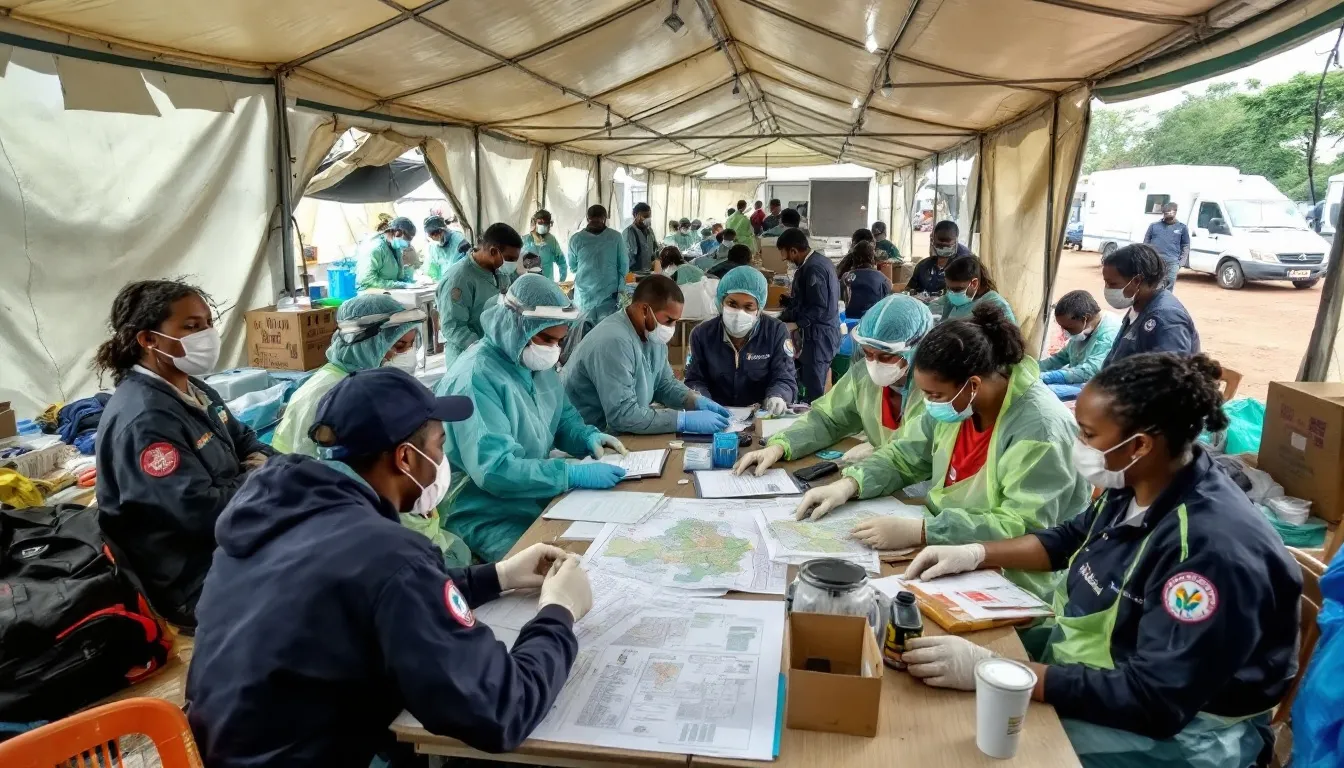
Global health security projects address threats that cross national borders and require coordinated international response capabilities. Disease surveillance networks for early detection of outbreaks in resource-limited settings represent a critical component of global health security, providing the early warning systems that enable rapid response to emerging infectious disease threats.
These surveillance networks often involve training local healthcare workers to recognize and report unusual disease patterns, establishing laboratory capacity for pathogen identification, and developing communication systems that enable real-time information sharing between countries and international health organizations. The effectiveness of these systems was demonstrated during the 2014 Ebola outbreak in West Africa, where surveillance networks enabled rapid identification of cases and implementation of control measures.
Pandemic preparedness planning and response capacity building in developing countries involves helping governments develop comprehensive emergency response plans, training healthcare workers in infection control procedures, and establishing supply chains for essential medical supplies and equipment. These projects recognize that global health security depends on ensuring that all countries have the capacity to detect, respond to, and contain infectious disease outbreaks.
Disaster response and recovery programs addressing health needs after natural disasters require pre-positioned resources, trained response teams, and coordination mechanisms that enable rapid deployment of medical care, public health services, and essential supplies to affected populations. These projects must address both immediate medical needs and longer-term recovery challenges, including mental health support, environmental health hazards, and healthcare system reconstruction.
Cross-border health initiatives addressing migration and refugee health challenges involve developing services for populations who may lack access to traditional healthcare systems and face unique health risks related to displacement, trauma, and cultural barriers. These projects often require collaboration between multiple countries and international organizations to ensure continuity of care and protection of vulnerable populations.
Biosecurity and biodefense research projects protect against biological threats by developing detection systems, treatment protocols, and response capabilities for potential bioterrorism events or laboratory accidents involving dangerous pathogens. These projects involve collaboration between public health agencies, law enforcement, and national security organizations to ensure comprehensive preparedness for low-probability, high-impact events.
Health Equity and Social Justice Projects
Health equity and social justice projects explicitly address the structural inequities that create and perpetuate health disparities, recognizing that achieving health for all requires dismantling systems of oppression and discrimination that affect access to resources, opportunities, and care. Community health needs assessments that identify and address structural racism in healthcare involve systematic examination of policies, procedures, and practices that result in differential health outcomes based on race, ethnicity, or other characteristics.
These assessments typically involve collaboration between health departments, community organizations, and affected populations to collect data on health outcomes and healthcare experiences, identify specific barriers to care, and develop action plans that address both individual and systemic factors contributing to health disparities.
Language access and cultural competency training programs for healthcare providers address communication barriers that prevent individuals from receiving appropriate care and reduce the quality of care provided to patients from diverse cultural and linguistic backgrounds. These programs involve training healthcare workers to use professional interpretation services effectively, understand cultural factors that affect health beliefs and behaviors, and provide care that respects patients’ values and preferences.
Housing and health initiatives addressing homelessness and housing insecurity recognize that stable housing is a fundamental prerequisite for health and that individuals experiencing homelessness face multiple barriers to accessing healthcare services. These projects often involve collaboration between housing authorities, healthcare organizations, and social service agencies to provide both immediate services and longer-term housing solutions.
Food security and nutrition programs targeting food deserts and food apartheid address the structural inequities that limit access to nutritious, affordable food in low-income communities and communities of color. These initiatives may involve supporting community gardens, improving access to grocery stores, and implementing programs that increase purchasing power for healthy foods.
Immigrant and refugee health services address the unique barriers that foreign-born individuals face in accessing healthcare, including legal status concerns, language barriers, cultural differences, and unfamiliarity with the healthcare system. These programs often provide services in community-based settings, use culturally appropriate outreach strategies, and address both medical and social service needs.
Data-Driven Public Health Projects
Electronic health record surveillance systems for real-time disease monitoring represent a significant advancement in public health practice, enabling continuous monitoring of disease trends, early detection of outbreaks, and rapid response to emerging health threats. These systems integrate data from healthcare providers, laboratories, and other sources to provide comprehensive surveillance capabilities that inform both immediate response decisions and longer-term prevention strategies.
The development and implementation of these systems requires collaboration between healthcare organizations, technology vendors, and public health agencies to ensure that data collection, analysis, and reporting capabilities meet both clinical and public health needs while protecting patient privacy and confidentiality.
Geographic information systems (GIS) projects mapping health disparities and resource allocation use spatial analysis to identify geographic patterns in disease occurrence, healthcare access, and social determinants of health. These projects enable public health agencies to target interventions to areas with the greatest need, optimize resource allocation, and monitor progress in reducing geographic health disparities.
Predictive modeling projects for disease outbreak forecasting and resource planning use mathematical models to predict disease transmission patterns, estimate resource needs for outbreak response, and evaluate the potential impact of different intervention strategies. These projects became particularly important during the COVID-19 pandemic, when modeling was used to predict hospital capacity needs, evaluate the impact of social distancing measures, and guide vaccine allocation strategies.

Health communication research using social media analytics to combat misinformation involves monitoring online conversations about health topics, identifying the spread of false or misleading information, and developing evidence-based communication strategies that address misconceptions while promoting accurate health information. This work requires collaboration between public health experts, communication specialists, and technology platforms to develop effective counter-messaging strategies.
Population health analytics projects identifying trends and intervention opportunities use large datasets to identify patterns in disease occurrence, healthcare utilization, and health outcomes that inform prevention strategies and policy development. These projects often involve collaboration between universities, health departments, and healthcare organizations to analyze data from multiple sources and translate findings into actionable recommendations for improving population health.
Policy and Systems Change Projects
Tobacco control policy implementation and enforcement programs demonstrate how comprehensive policy approaches can achieve population-wide health improvements through multiple complementary strategies. These programs typically involve implementing and enforcing smoke-free policies in public places, increasing tobacco taxes, restricting tobacco advertising and promotion, and providing cessation services to help current users quit tobacco.
The success of tobacco control efforts over the past several decades illustrates the power of sustained, comprehensive policy approaches: adult smoking prevalence in the United States declined from approximately 42% in 1965 to about 14% by 2019, preventing millions of premature deaths and reducing healthcare costs by billions of dollars annually.
Health impact assessments for urban planning and development projects evaluate the potential health consequences of proposed policies, programs, or projects before they are implemented, enabling decision-makers to modify proposals to maximize health benefits and minimize potential harms. These assessments typically involve collaboration between health departments, planning agencies, and community organizations to ensure that health considerations are integrated into decision-making processes.
Healthcare workforce development initiatives addressing provider shortages focus on increasing the number of healthcare workers in underserved areas and ensuring that the healthcare workforce reflects the diversity of the populations they serve. These projects often involve partnerships between universities, healthcare organizations, and government agencies to provide educational opportunities, loan forgiveness programs, and other incentives that encourage healthcare workers to practice in areas with the greatest need.
Health insurance expansion and healthcare access improvement programs address financial barriers to healthcare by expanding insurance coverage, reducing out-of-pocket costs, and improving access to care in underserved areas. These initiatives often involve implementing new insurance programs, expanding existing programs, and developing care delivery models that improve access while controlling costs.
Regulatory and legislative advocacy projects promoting public health priorities involve working with elected officials, regulatory agencies, and other stakeholders to develop and implement policies that protect and promote population health. These projects require understanding of the political process, development of evidence-based policy recommendations, and coalition building to generate support for public health initiatives.
Project Implementation and Impact Measurement
Community engagement strategies ensuring meaningful participation of affected populations are essential for project success and sustainability. Effective engagement involves more than simply informing communities about planned interventions; it requires involving community members in problem identification, solution development, implementation planning, and evaluation processes.
This participatory approach recognizes that communities have valuable knowledge about local conditions, priorities, and constraints that may not be apparent to outside experts, and that sustainable improvements in health outcomes require community ownership and leadership. Successful engagement strategies typically involve establishing community advisory boards, providing training and support for community members to participate effectively, and ensuring that community input influences project design and implementation decisions.
Evidence-based design principles incorporating scientific research and community knowledge involve systematically reviewing existing research evidence, adapting proven interventions to local contexts and populations, and developing new approaches when existing interventions are not available or appropriate. This process requires balancing fidelity to evidence-based practices with the need to adapt interventions to local conditions and community preferences.

Monitoring and evaluation frameworks measuring both process and outcome indicators provide the data needed to determine whether projects are being implemented as planned and achieving their intended outcomes. Process indicators typically measure project activities, outputs, and reach, while outcome indicators measure changes in health status, behavior, or other factors that projects are designed to influence.
Effective evaluation frameworks are developed early in the project planning process, include both quantitative and qualitative measures, and provide regular feedback that enables project teams to make adjustments during implementation. This continuous quality improvement approach recognizes that complex public health interventions often require ongoing modification based on implementation experience and changing conditions.
Sustainability planning ensuring long-term project viability and community ownership involves developing strategies for maintaining project activities and benefits after initial funding ends. This planning typically involves building local capacity to continue project activities, developing ongoing funding strategies, and ensuring that successful interventions are integrated into routine practice.
Scaling successful interventions from pilot programs to widespread implementation requires systematic approaches to adapting interventions for different contexts, building implementation capacity, and providing ongoing support for organizations implementing interventions. This process often involves developing training materials, technical assistance programs, and quality assurance systems that help ensure successful implementation across diverse settings.
Real-World Outcomes and Success Stories
The measurable impact of well-designed public health projects demonstrates their value for improving population health and reducing healthcare costs. Disease elimination campaigns provide perhaps the most dramatic examples of project success: the global smallpox eradication effort, completed in 1980, eliminated a disease that killed millions of people annually and now saves an estimated 2 million lives each year.
Similarly, the global polio eradication initiative has reduced polio incidence by over 99% since 1988, bringing the world to the brink of eliminating the second infectious disease in human history. This success required unprecedented international cooperation, sustained political commitment, and innovative approaches to reaching children in conflict zones and other challenging environments.
Community health worker programs have demonstrated significant impact in reducing maternal mortality in rural areas by improving access to prenatal care, skilled birth attendance, and postnatal support. Programs in Ethiopia, Rwanda, and other countries have achieved substantial reductions in maternal and infant mortality through comprehensive approaches that address both medical and social factors affecting pregnancy outcomes.
Vaccine programs prevent an estimated 2-3 million deaths annually and have dramatically reduced the incidence of diseases that once caused significant morbidity and mortality in children. The success of routine immunization programs demonstrates how sustained public health efforts can achieve population-wide protection against infectious diseases while generating substantial economic benefits through reduced healthcare costs and increased productivity.
Tobacco control initiatives have achieved remarkable success in reducing lung cancer rates and healthcare costs through comprehensive approaches that combine policy interventions, cessation support, and prevention programs. The economic benefits of tobacco control efforts far exceed their costs, with every dollar invested in comprehensive tobacco control programs yielding substantial returns in reduced healthcare costs and increased productivity.
Water and sanitation projects have prevented countless waterborne disease outbreaks by improving access to safe drinking water and adequate sanitation facilities. Projects in sub-Saharan Africa and other regions have achieved reductions in diarrheal illness of up to 40% in some populations, demonstrating the critical importance of environmental health interventions for protecting population health.
Building Inclusive and Equitable Public Health Projects
Principles of community-based participatory research ensure community leadership in identifying health priorities, developing intervention strategies, and conducting evaluation activities. This approach recognizes that communities are the ultimate experts on their own needs and that sustainable health improvements require community ownership and control of intervention processes.
Community-based participatory research involves establishing partnerships between community organizations and academic or governmental institutions that are based on mutual respect, shared decision-making, and equitable distribution of resources and benefits. These partnerships typically involve extensive relationship-building, capacity development, and ongoing dialogue to ensure that research and intervention activities serve community priorities and interests.
Cultural humility and responsiveness in project design and implementation require ongoing self-reflection and learning about how cultural factors affect health beliefs, behaviors, and outcomes. This approach goes beyond cultural competency training to emphasize the need for continuous learning, recognition of power dynamics, and commitment to addressing structural inequities that affect health outcomes.
Culturally responsive interventions are developed through collaboration with community members and cultural leaders to ensure that intervention strategies are consistent with community values, address relevant concerns, and use appropriate communication channels and methods. This process often involves extensive formative research to understand cultural factors that may affect intervention acceptability and effectiveness.
Addressing historical trauma and medical mistrust requires acknowledging past and ongoing injustices, demonstrating commitment to ethical research and intervention practices, and building relationships based on transparency, accountability, and mutual respect. This work often involves collaborating with community leaders and organizations that have established trust relationships, providing clear information about project purposes and procedures, and ensuring that communities benefit from research and intervention activities.
Ensuring representation of marginalized communities in project governance and decision-making requires intentional efforts to include diverse voices in leadership positions, provide support and training that enables meaningful participation, and address barriers that may prevent community members from participating effectively in governance activities.

Incorporating indigenous knowledge systems and traditional healing practices involves recognizing that communities have valuable knowledge about health and healing that can complement biomedical approaches to intervention. This integration requires respectful dialogue between different knowledge systems, recognition of intellectual property rights, and development of intervention approaches that honor both traditional and contemporary approaches to health and healing.
Future Directions and Emerging Challenges
Climate change adaptation and mitigation projects addressing health impacts represent an emerging area of public health practice that requires new approaches to intervention development and implementation. Climate change affects health through multiple pathways: extreme weather events, changes in infectious disease patterns, air quality degradation, food and water security threats, and displacement of populations.
Effective climate and health projects require collaboration between public health agencies, environmental organizations, emergency management agencies, and other sectors to develop comprehensive adaptation strategies that protect vulnerable populations while addressing the root causes of climate change. These projects often involve developing early warning systems for extreme weather events, improving emergency preparedness and response capabilities, and addressing the health co-benefits of climate mitigation strategies.
Digital health and telemedicine projects expanding access in remote areas use technology to overcome geographic barriers to healthcare access while maintaining quality of care. These projects often involve developing appropriate technology platforms, training healthcare workers to use digital tools effectively, and addressing infrastructure limitations that may prevent effective implementation of digital health solutions.
The COVID-19 pandemic accelerated adoption of telemedicine and other digital health technologies, providing valuable lessons about implementation challenges and opportunities for improving access to care. Future projects will likely focus on integrating digital health tools into routine practice, addressing disparities in technology access, and ensuring that digital health solutions are accessible to individuals with diverse technological capabilities and preferences.
Precision public health initiatives using genomics and personalized medicine represent an emerging approach to intervention development that tailors prevention and treatment strategies to individual characteristics and risk factors. These approaches use genetic information, biomarkers, and other individual-level data to identify high-risk individuals and develop targeted interventions that are more effective than population-wide approaches.
Implementation of precision public health approaches requires addressing ethical concerns about genetic privacy and discrimination, ensuring equitable access to genomic testing and personalized interventions, and developing workforce capacity to implement precision approaches in diverse communities and settings.
One Health approaches integrating human, animal, and environmental health recognize the interconnectedness of health across species and ecosystems. These approaches are particularly relevant for addressing emerging infectious diseases, antimicrobial resistance, food safety, and environmental health threats that require coordinated action across multiple sectors.
Effective One Health projects require collaboration between human health, veterinary, and environmental professionals, development of integrated surveillance systems, and implementation of intervention strategies that address health threats at the human-animal-environment interface.
Global health diplomacy projects promoting international cooperation and peace use health as a platform for building relationships between countries, addressing shared health threats, and promoting stability in regions affected by conflict or political instability. These projects recognize that health challenges often transcend national borders and that international cooperation is essential for addressing global health threats effectively.
The future of projects in public health will likely involve increased integration across sectors, greater emphasis on addressing structural determinants of health, and continued innovation in intervention development and delivery methods. Success will require sustained commitment to health equity, meaningful community engagement, and evidence-based approaches to intervention development and implementation.
As we face emerging challenges like climate change, global health security threats, and persistent health disparities, the multidimensional nature of public health practice becomes ever more critical. Projects that integrate scientific excellence with community engagement, policy advocacy with direct service delivery, and local action with global cooperation will be essential for protecting and promoting health in an increasingly complex and interconnected world.
The lessons learned from decades of public health practice demonstrate that systematic, evidence-based approaches to intervention development and implementation can achieve remarkable improvements in population health outcomes. By continuing to innovate, collaborate, and center equity in our work, we can build on these successes to address the health challenges of the future and ensure that all people have the opportunity to live healthy, productive lives.

