
Table of Contents
Published: January 18, 2026
Read Time: 15 Mins
Total Views: 335
During my years as an infectious disease physician and epidemiologist, I have witnessed firsthand how simple, evidence-based infection prevention measures can dramatically reduce the spread of infectious diseases in healthcare facilities, communities, and households. The COVID-19 pandemic reminded us all that prevention remains our most powerful tool against infectious threats, yet many people continue to underestimate the effectiveness of basic infection control measures that can protect themselves, their families, and their communities.
Effective infection prevention education begins with understanding that most infections are entirely preventable when we apply scientific knowledge consistently and systematically. The principles I outline here draw from decades of research in healthcare settings, community health programs, and outbreak investigations, offering practical strategies that work across diverse environments and populations.
Core Infection Prevention Principles
Understanding how infections spread provides the foundation for all effective prevention strategies. Pathogens need three elements to cause disease: a source (infected person or contaminated environment), a transmission pathway (direct contact, respiratory droplets, or contaminated surfaces), and a susceptible host. Breaking any link in this chain prevents infection transmission effectively, which is why comprehensive infection prevention programs focus on multiple simultaneous interventions.
Most infections enter the body through mucous membranes in the nose, mouth, and eyes, or through breaks in the skin. This knowledge explains why hand hygiene and avoiding face touching are so critical—our hands frequently contact contaminated surfaces and then transfer pathogens to these vulnerable entry points. Immune-compromised individuals, elderly adults over 65, and children under 5 face higher infection risks due to weakened or developing immune systems, making prevention even more crucial for these populations.
Prevention consistently proves more effective and cost-efficient than treatment after infection occurs. Healthcare associated infections alone cost the U.S. healthcare system billions of dollars annually, while comprehensive infection prevention programs in health care facilities have demonstrated the ability to prevent 1.7 million infections and save 99,000 lives per year according to CDC estimates.
Hand Hygiene and Personal Protective Measures
Proper Hand Washing Technique
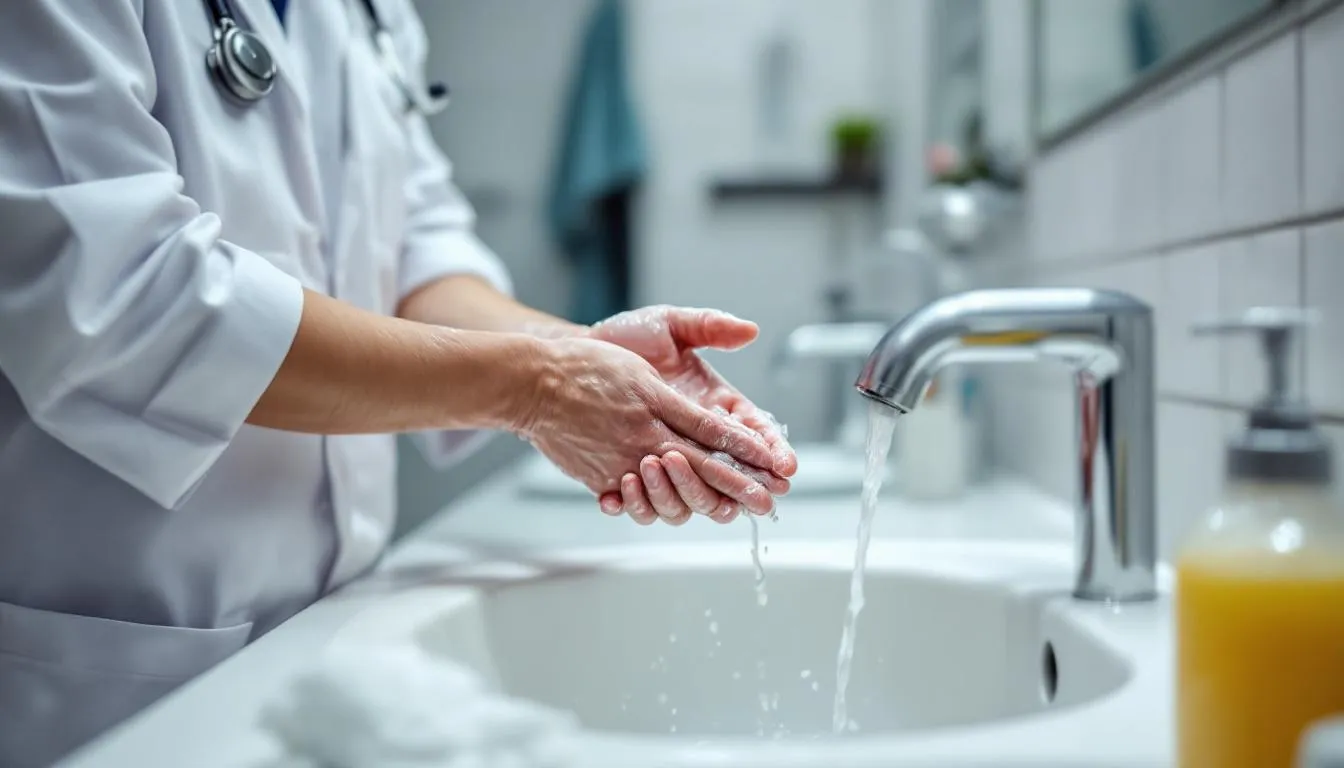
Hand hygiene represents the single most important infection control measure available to individuals and healthcare workers alike. Studies consistently demonstrate that effective hand washing or alcohol-based sanitizer use reduces pathogen transmission by up to 50% in both community and healthcare settings. The technique matters as much as the frequency—proper hand washing requires soap and water for a minimum of 20 seconds, ensuring coverage of all surfaces including between fingers, under nails, and around the wrists.
When soap and water are unavailable, alcohol-based hand sanitizer containing at least 60% alcohol provides effective pathogen elimination, though it cannot remove all types of germs or visible soil. Critical times for hand hygiene include before eating, after using the restroom, after coughing or sneezing, before and after patient contact or patient interaction, and after touching potentially contaminated surfaces in healthcare settings or public spaces.
Avoiding face touching, especially the eyes, nose, and mouth, with unwashed hands prevents pathogens from reaching mucous membranes where they can establish infection. This simple behavior change, while challenging to maintain consistently, significantly reduces transmission of respiratory tract infections and other diseases that enter through these routes.
Respiratory Etiquette and Mask Use
Proper respiratory etiquette involves covering coughs and sneezes with tissues or the elbow rather than hands, which prevents contamination of hands and reduces droplet spread to nearby individuals. Disposing of used tissues immediately and performing hand hygiene afterward completes this essential infection prevention practice.
Masks serve dual purposes in infection control: source control (preventing spread from infected patients or individuals) and personal protection for the wearer. N95 or KN95 respirators provide superior protection in crowded indoor settings during respiratory virus outbreaks, filtering at least 95% of airborne particles when properly fitted. Surgical masks, while less protective for the wearer, reduce droplet transmission by 70-80% when worn properly, making them highly effective for source control in healthcare facilities and community settings.
Appropriate personal protective equipment requires proper use to ensure effectiveness—replace masks when damp, damaged, or after 8 hours of continuous use, and ensure proper fit without gaps around the edges. Healthcare professionals in outpatient settings and health care settings should follow facility-specific protocols for mask use, especially when caring for infected patients or during periods of increased community transmission.
Environmental Cleaning and Disinfection
Environmental infection control focuses on eliminating pathogens from surfaces and objects that multiple people touch regularly. High-touch surfaces require daily cleaning and disinfection: doorknobs, light switches, phones, keyboards, countertops, handrails, and medical equipment in healthcare facilities. These contaminated surfaces can harbor viable pathogens for hours to days, depending on the specific organism and environmental conditions.
Effective environmental cleaning involves two distinct steps: cleaning to remove visible dirt and organic matter, followed by disinfection to kill remaining germs. Using EPA-approved disinfectants with appropriate contact times—typically 30 seconds to 5 minutes depending on the product and target pathogen—ensures reliable pathogen elimination. Many hospitals have implemented enhanced environmental cleaning protocols that include systematic approaches to ensure adherence to these evidence-based practices.
Bathrooms and kitchens deserve special attention due to moisture and organic matter that promote bacterial growth and provide ideal conditions for pathogen survival. Kitchen surfaces that contact raw meat require immediate cleaning and disinfection to prevent cross-contamination, while bathroom surfaces need regular attention to prevent transmission of gastrointestinal pathogens and other organisms commonly found in body fluids.
Increase cleaning frequency when any household member is ill or during community outbreaks of infectious diseases. Focus particularly on the patient’s room and shared spaces, using appropriate precautions to protect the person performing cleaning activities. Some healthcare facilities employ UV germicidal irradiation and other advanced technologies for terminal disinfection, but proper cleaning with standard EPA-approved products remains the cornerstone of environmental infection control in most settings.

Vaccination Strategies
Vaccination represents one of the most powerful infection prevention tools available at both individual and community levels, providing protection against vaccine preventable diseases that historically caused significant morbidity and mortality. Maintaining up-to-date vaccinations according to the CDC Adult Immunization Schedule ensures optimal protection throughout life as immunity wanes and new vaccines become available.
Annual influenza vaccination by October each year provides protection against circulating strains predicted to cause illness during the upcoming season. Influenza vaccines reduce illness risk by 40-60% when well-matched to circulating viruses, and even in years with suboptimal matching, vaccination reduces illness severity and duration. Healthcare workers and those in close patient contact should prioritize influenza vaccination to protect both themselves and vulnerable patients.
COVID-19 boosters require ongoing attention as recommendations evolve based on circulating variants, vaccine effectiveness studies, and individual risk factors. Most adults benefit from booster doses every 6-12 months, particularly those over 65, immunocompromised individuals, and healthcare providers in high-risk health care settings. Coordination with healthcare professionals ensures appropriate timing and vaccine selection based on individual circumstances.
Additional routine vaccinations for adults include Tdap (tetanus, diphtheria, pertussis) every 10 years, shingles vaccine for adults 50 and older, and pneumococcal vaccine for adults 65 and older or those with specific medical conditions. International travelers should consult healthcare providers about destination-specific vaccines 4-6 weeks before departure to allow adequate time for immune response development and series completion when multiple doses are required.
Food and Water Safety
Safe Food Handling
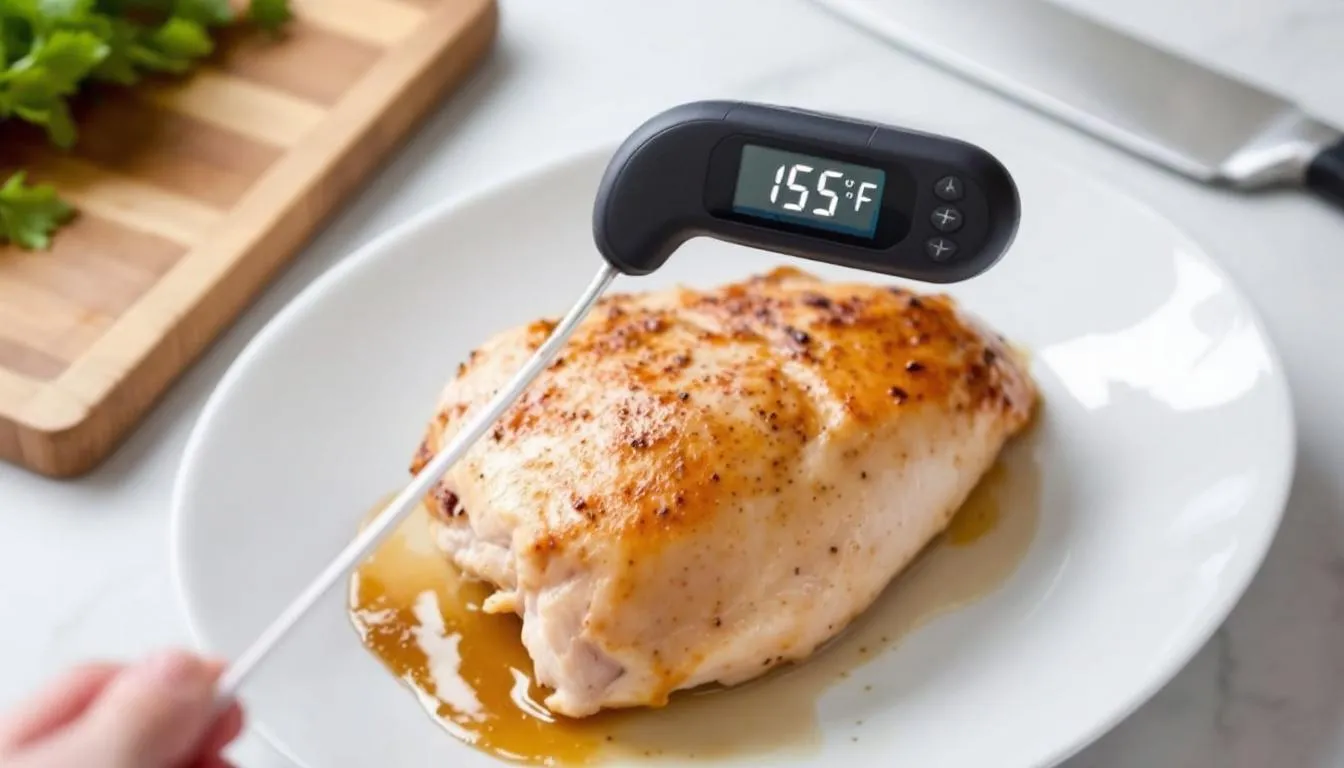
Foodborne pathogens cause an estimated 48 million illnesses, 128,000 hospitalizations, and 3,000 deaths annually in the United States, making food safety a critical component of infection prevention at home and in healthcare facilities. Proper cooking temperatures eliminate most bacterial and parasitic pathogens: poultry requires 165°F, ground meat 160°F, and whole cuts of beef and pork 145°F, verified using an accurate food thermometer rather than visual assessment.
Preventing cross-contamination requires separating raw and cooked foods using different cutting boards, utensils, and preparation areas, particularly when handling raw meat, poultry, and seafood. This separation extends to storage, with raw animal products stored below ready-to-eat foods in refrigerators to prevent dripping and contamination. Proper hand hygiene between handling different food types further reduces cross-contamination risk.
Temperature control prevents bacterial multiplication that occurs rapidly in the “danger zone” between 40°F and 140°F. Refrigerate perishable foods within 2 hours of cooking or purchasing (1 hour when ambient temperature exceeds 90°F), and maintain refrigerator temperatures at 40°F or below. When reheating leftovers, ensure internal temperature reaches 165°F throughout to eliminate any pathogens that may have multiplied during storage.
Washing fruits and vegetables under running water removes surface pathogens and pesticide residues, even for produce with peels you won’t eat, since cutting or peeling can transfer surface contaminants to edible portions. Avoid pre-washed salads and other ready-to-eat products if they appear slimy, smell off, or have been stored at inappropriate temperatures.
Water Safety
Water safety becomes particularly important during travel to areas with questionable water quality or following natural disasters that may compromise municipal water systems. Drinking bottled water from reputable sources or properly treating water through boiling for 1 minute at a rolling boil eliminates most bacterial, viral, and parasitic pathogens that cause traveler’s diarrhea and more serious waterborne illnesses.
When municipal water advisories are issued, follow public health authorities’ recommendations carefully, which typically include boiling water for drinking, cooking, and ice making. Avoid using tap water for brushing teeth, washing fruits and vegetables, or making beverages in areas where water quality is questionable, particularly in developing countries where water treatment infrastructure may be inadequate.
Commercial water purification tablets or portable filtration systems provide alternatives when boiling is impractical, though these methods may not eliminate all pathogens. Choose products certified to meet EPA or NSF standards for pathogen removal, and follow manufacturer instructions precisely to ensure effectiveness against the specific threats present in your location.
Travel and Community-Specific Precautions
Travel-related infection risks vary significantly by destination, season, and individual health status, requiring tailored prevention strategies based on specific threats. Research destination-specific health risks and required vaccinations on the CDC travel website at least 4-6 weeks before departure to allow adequate time for vaccination series completion and immune response development. Some countries require proof of specific vaccinations for entry, while others have seasonal disease patterns that influence optimal travel timing.
Pack essential infection prevention supplies including hand sanitizer, masks, and basic first aid supplies for travel, particularly to areas with limited healthcare infrastructure. Include additional supplies for extending stays or unexpected delays, and consider the local availability of familiar products when packing medications and personal care items.
Avoid contact with wild animals and stray pets to prevent rabies and other zoonotic diseases that require immediate medical attention and may not be readily available in remote locations. This precaution extends to avoiding feeding wildlife, which can lead to aggressive behavior and potential exposure incidents.
Use EPA-registered insect repellents containing DEET, picaridin, or oil of lemon eucalyptus to prevent vector-borne diseases like malaria, dengue, Zika, and Lyme disease. Apply repellents according to label instructions, and wear long sleeves and pants during peak mosquito activity periods (dawn and dusk) in endemic areas. Consider permethrin-treated clothing for extended outdoor activities in high-risk regions.
Healthcare Setting Safety
Healthcare facilities present unique infection risks due to the concentration of ill patients, invasive procedures, and antibiotic-resistant organisms. Advocate for your safety by ensuring healthcare workers perform hand hygiene before patient contact, and don’t hesitate to remind providers if you don’t observe this critical practice. Patient safety depends partly on patient engagement in infection control measures.
Ask healthcare providers about the necessity and removal timeline for medical devices like urinary catheters, central venous catheters, and breathing tubes, as these devices carry significant infection risks that increase with duration of use. The core components of device-associated infection prevention include daily assessment of continued need and prompt removal when no longer medically necessary.
Report signs of healthcare associated infections promptly: redness, warmth, drainage at surgical sites, fever, or other symptoms that develop during or after medical care. Early recognition and treatment of infections improve outcomes and prevent complications like sepsis or kidney failure that can result from delayed diagnosis.
Question antibiotic prescriptions and understand that antibiotics only treat bacterial infections, not viral illnesses like colds and flu. Appropriate use of antibiotics helps prevent antibiotic resistance while avoiding unnecessary side effects and disruption of normal body flora that provides natural protection against pathogens.
Stay home when sick to protect vulnerable patients in healthcare facilities, and reschedule non-urgent appointments when you have symptoms of infectious illness. This consideration extends to visiting hospitalized patients—follow facility policies about visitor restrictions, especially during respiratory illness seasons or when caring for immunocompromised patients.

Special Populations and High-Risk Situations
Immunocompromised Individuals
People taking medications that suppress immune function, receiving chemotherapy, or living with conditions like HIV face dramatically increased infection risks requiring enhanced precautions. Avoid crowds during respiratory illness seasons (October through March) when possible, and consider prophylactic medications during influenza outbreaks as recommended by healthcare providers familiar with your specific condition and treatment regimen.
Implement strict food safety measures including avoiding raw or undercooked foods, unpasteurized dairy products, and foods with high contamination risks like raw sprouts and deli meats. These additional precautions help prevent opportunistic infections that rarely affect healthy individuals but can cause severe illness in immunocompromised patients.
Coordinate with healthcare teams for modified vaccination schedules using inactivated vaccines rather than live vaccines, which can cause disease in immunocompromised individuals. Some vaccines may be less effective in immunocompromised patients, making infection prevention measures even more critical for staying healthy.
Household Illness Management
When a family member becomes ill with a potentially contagious infection, isolate the sick person in a separate room when possible, especially during the first 24-48 hours when viral shedding and transmission risk are typically highest. Ensure the patient room has adequate ventilation and easy access to bathroom facilities while minimizing contact with shared living spaces.
Designate one healthy caregiver to minimize exposure among household members, and have this person use appropriate personal protective equipment including masks and gloves when providing direct patient care. The designated caregiver should perform hand hygiene frequently and avoid contact with other household members immediately after patient interaction.
Use separate bathroom facilities for the ill person when available, or implement enhanced cleaning protocols if bathroom sharing is necessary. Wash the sick person’s laundry separately using the hottest appropriate water temperature and add bleach when safe for the fabric to eliminate pathogens that may survive normal washing cycles.
Monitor for worsening symptoms requiring medical attention: difficulty breathing, persistent fever above 101°F for more than 3 days, signs of severe dehydration like decreased urination or dizziness, or any symptoms that worsen after initial improvement. Have a plan for accessing medical care while maintaining infection control measures to protect healthcare workers and other patients.
Effective infection prevention requires consistent application of evidence-based measures across all aspects of daily life, from personal hygiene practices to environmental cleaning and healthcare decision-making. These strategies, developed through decades of scientific research and refined through real-world implementation in healthcare settings and communities worldwide, provide reliable protection against a broad spectrum of infectious diseases when applied systematically and maintained over time.
The investment in prevention—whether measured in time, effort, or resources—consistently proves more valuable than treating infections after they occur, both for individual health outcomes and broader public health impact. By implementing these science-backed infection prevention tips in our personal lives, families, and communities, we contribute to a collective defense against infectious diseases that protects the most vulnerable members of our society while reducing the overall burden of preventable illness.

