Table of Contents
Published: January 18, 2026
Read Time: 15.3 Mins
Total Views: 524
As an infectious disease physician who has spent decades responding to outbreaks across the globe, I can attest that viral emergence follows predictable patterns, yet each outbreak brings unique challenges that test our preparedness systems. The world’s attention may have shifted away from pandemic concerns following COVID-19, but recent virus outbreaks continue to emerge and resurge with alarming frequency, reminding us that infectious disease threats remain a constant reality requiring vigilant surveillance and coordinated response.
The period from 2022 to 2024 has witnessed several significant viral outbreaks that have collectively affected millions of people and exposed critical gaps in our global health security infrastructure. From the mpox outbreak that spread across more than 100 countries to the unprecedented H5N1 avian influenza spillover events in dairy cattle, these recent events demonstrate how quickly viruses can cross species barriers and geographic boundaries in our interconnected world.
Overview of Significant Viral Outbreaks (2022-2024)
The most impactful recent viral outbreaks have included mpox (formerly monkeypox), which surprised the global health community with its rapid spread outside traditional endemic areas; H5N1 avian influenza, which has shown concerning adaptations as it spreads among mammals; measles, experiencing a troubling resurgence worldwide; and dengue fever, which reached record-breaking case numbers in 2023. These outbreaks collectively represent over 6 million confirmed cases and thousands of deaths globally, affecting every continent and highlighting the interconnected nature of modern infectious disease threats.
Statistical analysis reveals a concerning trend: the World Health Organization reports that disease outbreaks have increased by 63% since 2011, with viral pathogens responsible for the majority of these events. Climate change, urbanization, and global travel patterns have created ideal conditions for viral emergence and rapid spread, while disrupted health systems following the COVID-19 pandemic have compromised surveillance systems and routine vaccination programs in many regions.
The importance of robust surveillance systems cannot be overstated, as these recent outbreaks demonstrate how quickly local transmission can evolve into regional or global threats. Early detection through genomic sequencing, wastewater surveillance, and community-based reporting has proved essential for containing spread and implementing appropriate public health measures.

Major Recent Viral Outbreaks
Mpox (Monkeypox) Global Outbreak 2022-2023
The mpox outbreak that began in May 2022 marked a pivotal moment in global health, representing the largest mpox outbreak ever recorded outside of Africa. The World Health Organization declared it a Public Health Emergency of International Concern, a designation that remained in place until May 2023. Over 87,000 confirmed cases were reported across 111 countries, with transmission patterns that differed significantly from historical outbreaks in endemic regions.
What made this outbreak particularly significant was its demonstration of sustained human-to-human transmission through close contact, primarily affecting men who have sex with men in non-endemic countries. This required rapid adaptation of contact tracing protocols, vaccination strategies targeting high-risk populations, and community engagement approaches that balanced public health messaging with protection against stigmatization.
The response revealed both strengths and weaknesses in our global preparedness systems. While genomic sequencing capabilities allowed for rapid identification and tracking of viral mutations, vaccine availability was severely limited initially, highlighting the need for better stockpiling and distribution mechanisms. Healthcare workers had to quickly develop new clinical protocols, as most had never encountered mpox patients.
Ongoing surveillance for clade I mpox emergence in Africa in 2024 remains critical, as this strain has shown higher mortality rates and different transmission characteristics compared to the clade II strain responsible for the 2022-2023 global outbreak.
H5N1 Avian Influenza Spillover Events 2024
Perhaps no recent virus outbreak has garnered more attention from pandemic preparedness experts than the unprecedented spread of H5N1 avian influenza among mammals in 2024. What began as typical seasonal influenza circulation in wild birds evolved into something far more concerning when the virus demonstrated sustained transmission in dairy cattle across multiple states in the USA.
Detection of H5N1 in raw milk samples raised immediate food safety concerns and prompted enhanced surveillance protocols for agricultural workers and veterinarians. Human cases in farmworkers in Texas, Michigan, and Colorado, while limited in number, represented a significant escalation in the virus’s ability to cross species barriers. Most cases were linked to direct contact with infected animals, particularly dairy cattle, but the pattern raised concerns about potential adaptation to mammalian hosts.
The Centers for Disease Control and Prevention has maintained that human-to-human transmission remains inefficient, but ongoing monitoring focuses on identifying any mutations that might enhance the virus’s pandemic potential. Vaccine development efforts have accelerated, with the FDA approves several candidate vaccines for potential deployment should sustained human transmission emerge.
This outbreak underscores the critical importance of One Health surveillance approaches that integrate monitoring across human, animal, and environmental health sectors. The detection of H5N1 in unexpected hosts like dairy cattle demonstrates how viral evolution can surprise even experienced epidemiologists.
Measles Resurgence Worldwide 2023-2024
The global resurgence of measles represents one of the most preventable yet concerning trends among recent virus outbreaks. World Health Organization data showing a 79% increase in measles cases globally in 2023 compared to 2022 reflects the devastating impact of disrupted vaccination programs during the COVID-19 pandemic.
Outbreak hotspots emerged across Europe, Southeast Asia, and parts of Africa, with unvaccinated children bearing the highest burden of severe disease and complications. The connection between declining MMR vaccine coverage rates and subsequent outbreaks provides clear evidence of the importance of maintaining high population immunity through vaccination.
What makes the measles resurgence particularly frustrating from a public health perspective is its complete preventability. The MMR vaccine is highly effective, widely available, and has an excellent safety profile established over decades of use. Yet vaccine hesitancy, combined with disrupted routine immunization schedules during the pandemic, created pockets of susceptibility that measles virus exploited with devastating efficiency.
Healthcare providers have reported increased hospitalizations among both children and adults, with complications including pneumonia, encephalitis, and secondary bacterial infections. The most common symptoms remain fever, cough, runny nose, and the characteristic rash, but severe cases require intensive medical management and can result in permanent disability or death.
Dengue Fever Record Surge 2023-2024
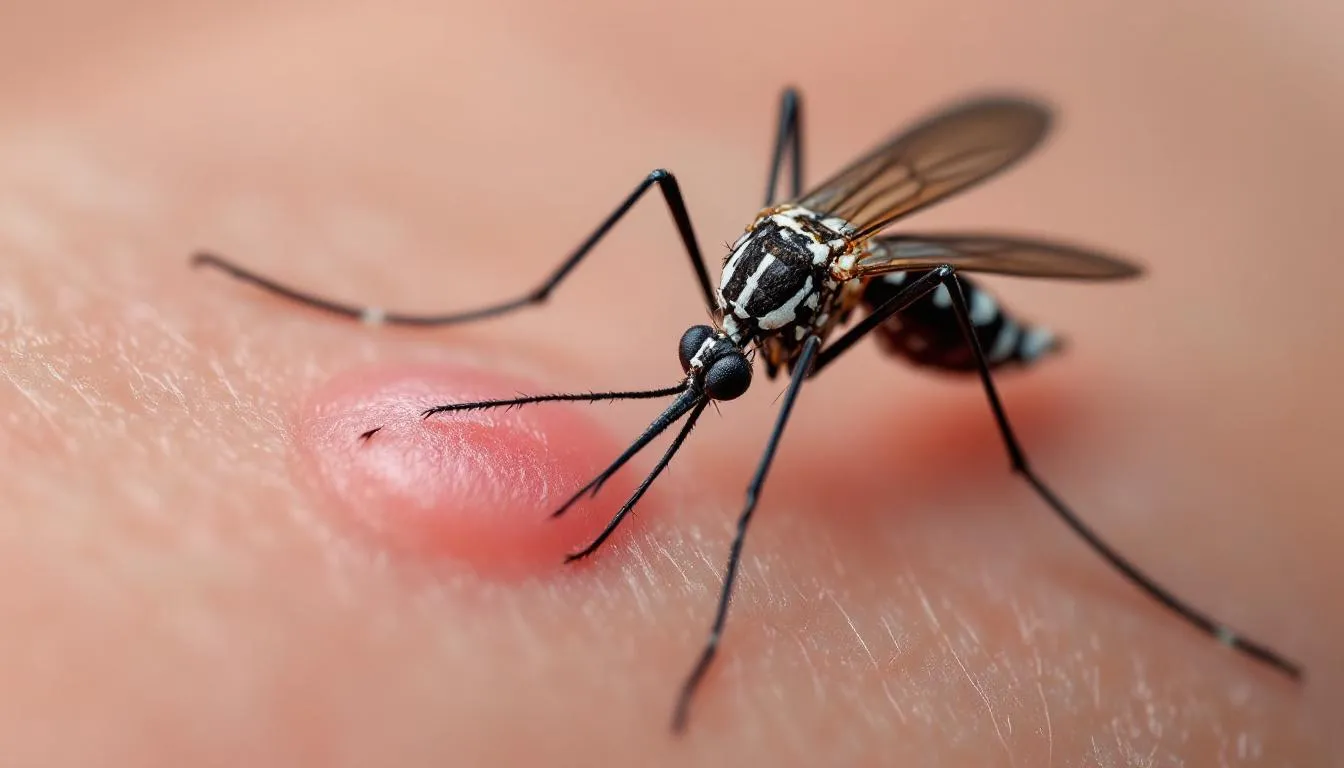
Dengue fever achieved an unwelcome milestone in 2023, with over 5 million cases reported globally representing the highest number on record. This vector-borne disease, transmitted by Aedes aegypti mosquitoes, has expanded its geographic range significantly as climate change creates favorable conditions for mosquito survival and reproduction in previously temperate regions.
Significant outbreaks in Bangladesh, Peru, and throughout the Americas demonstrated how environmental factors can drive explosive transmission. Rising temperatures, changing precipitation patterns, and urbanization have combined to create ideal breeding conditions for mosquito vectors while bringing larger human populations into contact with infected mosquitoes.
The challenge with dengue prevention lies partly in the complexity of existing vaccines and the limited effectiveness of traditional vector control strategies in urban environments. Unlike respiratory illnesses, dengue requires sustained mosquito population control, which demands community-wide environmental management and consistent public health investment.
Most cases present with fever, severe headache, muscle and joint pain, and in severe forms can progress to dengue hemorrhagic fever or dengue shock syndrome. Healthcare workers in affected regions have had to rapidly scale up clinical capacity to manage large numbers of patients, particularly children who face higher risks of severe complications.
Root Causes and Contributing Factors
Understanding the root causes behind these recent virus outbreaks requires examining the complex interplay of environmental, social, and systemic factors that have created conditions favorable for viral emergence and spread. Climate change stands out as perhaps the most significant driver, creating favorable conditions for vector-borne diseases while extending transmission seasons and expanding the geographic range of disease vectors into new territories.
The COVID-19 pandemic created a perfect storm of circumstances that contributed to subsequent outbreaks. Vaccine hesitancy increased in many communities, partly driven by misinformation and eroded trust in public health institutions. Disrupted immunization programs left gaps in population immunity, particularly among children who missed routine vaccinations during lockdowns and health system disruptions.
Increased human-animal interface through deforestation, agricultural expansion, and wildlife trade continues to create opportunities for zoonotic spillover events. The H5N1 situation exemplifies how intensive agricultural practices can create conditions for viral adaptation and transmission between species, while urbanization brings larger human populations into closer contact with potential reservoir species.
Global travel and trade networks, while essential for economic development, facilitate rapid disease spread once outbreaks begin. A single infected person can now travel across continents within the incubation period of most viral diseases, making containment increasingly challenging without robust surveillance and rapid response capabilities.
Weakened health systems in low-resource settings affect both surveillance capacity and response effectiveness. Limited laboratory capacity, insufficient healthcare worker training, and inadequate diagnostic capabilities mean that outbreaks may go undetected until they have already achieved significant community spread.
Prevention and Preparedness Lessons
Surveillance and Early Detection
The recent virus outbreaks have reinforced the critical importance of robust surveillance systems capable of detecting emerging threats before they become major public health emergencies. Genomic sequencing and global data-sharing platforms like GISAID have proved invaluable for tracking viral evolution and transmission patterns in real-time, enabling rapid identification of concerning variants or mutations.
Wastewater surveillance has emerged as a particularly powerful early warning system for community transmission, often detecting viral circulation days or weeks before clinical cases are identified. This approach proved effective during COVID-19 and has been adapted for monitoring other pathogens, including mpox and influenza viruses.
The One Health approach, integrating human, animal, and environmental health monitoring, has become essential for detecting zoonotic threats before they establish sustained human transmission. The H5N1 situation demonstrates how monitoring animal populations can provide crucial early warning signals for potential pandemic threats.
Community-based surveillance systems in remote and resource-limited areas remain critical for global health security, as these regions often serve as the epicenter for emerging infectious diseases. Training local healthcare workers in outbreak investigation and response protocols ensures that detection capabilities extend beyond major urban centers.
Vaccine Development and Distribution
Recent outbreaks have highlighted both the remarkable progress in vaccine technology and the persistent challenges in equitable global distribution. The success of mRNA platform adaptability, first demonstrated during COVID-19, has been applied to other pathogens with promising results, enabling more rapid development timelines for emerging threats.
However, the mpox outbreak exposed significant gaps in vaccine stockpiling and distribution mechanisms. Despite having effective vaccines available, limited global supply and complex distribution logistics meant that many affected communities lacked access during critical transmission periods. This experience underscores the need for better advance procurement agreements and regional stockpiling strategies.
Maintaining high routine immunization coverage remains fundamental to preventing resurgence of vaccine-preventable diseases like measles. The disruption of routine vaccination programs during COVID-19 created susceptibility gaps that will require sustained catch-up campaigns and renewed focus on reaching under-vaccinated populations.
Development of universal vaccines for influenza and other rapidly mutating viruses represents a critical research priority, as current strain-specific approaches may prove insufficient for addressing pandemic threats like H5N1 that continue to evolve rapidly.

Public Health Infrastructure Strengthening
Investment in laboratory capacity and diagnostic capabilities at local levels has proved essential for effective outbreak response. The ability to rapidly confirm cases, conduct antimicrobial resistance testing, and perform genomic sequencing locally reduces dependence on distant reference laboratories and enables faster decision-making during critical response periods.
Training healthcare workers in outbreak investigation and response protocols ensures that public health capacity extends beyond specialized epidemic intelligence services. Recent outbreaks have demonstrated the value of having clinicians who can recognize unusual patterns, collect appropriate specimens, and implement infection control measures while awaiting specialized support.
Strengthening international health regulations and cross-border coordination mechanisms remains crucial for managing outbreaks that cross national boundaries. The recent virus outbreaks have shown how quickly local transmission can become regional or global challenges, requiring rapid information sharing and coordinated response efforts.
Building community trust through transparent communication and engagement has emerged as perhaps the most critical factor in successful outbreak response. Vaccine hesitancy and misinformation can undermine even the most technically sound public health interventions, making community engagement a core competency for health departments and healthcare workers.
Global Response Mechanisms and Future Outlook
The World Health Organization’s Health Emergencies Programme has implemented significant improvements since COVID-19, including enhanced early warning systems, streamlined emergency declaration processes, and better coordination mechanisms for international response. These changes have been tested during recent outbreaks and have shown measurable improvements in response speed and effectiveness.
CEPI’s 100 Days Mission for rapid vaccine development against Disease X represents an ambitious but achievable goal that could transform our ability to respond to emerging pandemic threats. This initiative aims to compress vaccine development timelines from months to weeks, potentially enabling containment of outbreaks before they achieve global spread.
G7 and G20 commitments to pandemic preparedness funding have provided essential resources for strengthening global health security infrastructure, though sustained political commitment will be required to maintain these investments over time. Recent outbreaks have demonstrated the economic and social costs of inadequate preparedness, making the case for continued investment.
Emerging technologies including artificial intelligence for outbreak prediction and real-time surveillance offer promising tools for enhancing detection and response capabilities. Machine learning algorithms can identify unusual patterns in surveillance data, predict likely transmission pathways, and optimize resource allocation during response efforts.
Looking toward the future, several trends will likely shape the landscape of viral threats and our response capabilities. Climate change will continue expanding vector habitats and creating new opportunities for viral emergence, while urbanization and global connectivity will maintain pressure for rapid spread once outbreaks begin.
The integration of self reported data from digital health platforms with traditional surveillance systems offers opportunities for earlier detection and more comprehensive monitoring, though privacy and data quality concerns require careful attention. Healthcare providers increasingly rely on electronic health records and mobile health applications that can provide real-time insights into disease trends and outbreak patterns.
Ongoing outbreaks will continue to test our preparedness systems and reveal areas requiring improvement. The key lies in maintaining vigilance during inter-pandemic periods, when political attention and resource allocation often shift away from infectious disease threats.
Investment in research and development must encompass not only vaccines and therapeutics but also improved diagnostic tools, novel vector control strategies, and better understanding of viral ecology and evolution. The investigation into zoonotic spillover mechanisms, environmental factors influencing transmission, and social determinants of outbreak impact will inform more effective prevention strategies.
As we analyze the trends from recent virus outbreaks, several clear patterns emerge that should guide future preparedness efforts. First, surveillance systems must be maintained and strengthened continuously, not just during active outbreaks. Second, vaccine coverage must be protected and enhanced through sustained public engagement and accessible delivery systems. Third, global cooperation and resource sharing remain essential for managing threats that recognize no borders.
The evidence from recent years demonstrates that viral emergence is inevitable in our interconnected world, but devastating outbreaks are not. With adequate investment in surveillance, prevention, and response capabilities, combined with sustained political commitment and community engagement, we can detect threats early and contain them before they become global crises.
Our experience with COVID-19 and subsequent outbreaks has provided invaluable lessons about what works and what doesn’t in infectious disease prevention and control. The challenge now lies in applying these lessons consistently, maintaining preparedness during quiet periods, and building the resilient health systems needed to address future threats.
The pattern of recent virus outbreaks reinforces that viral emergence represents one of the most significant ongoing threats to global health security. However, our growing understanding of outbreak dynamics, coupled with advancing technology and enhanced international cooperation, provides reason for cautious optimism about our ability to prevent future pandemics while effectively managing the ongoing outbreaks that will inevitably continue to emerge.