
Table of Contents
Published: July 1, 2026
Read Time: 26.1 Mins
Total Views: 196
When I receive a call about unusual disease clusters, the clock starts ticking immediately. As an infectious disease physician who has spent decades investigating outbreaks around the world, I’ve learned that every outbreak tells a story—not just of microbial transmission, but of the complex interplay between science, society, and human behavior. The difference between a contained cluster and a devastating epidemic often comes down to how quickly we can detect, investigate, and respond to these deviations from normal disease patterns.
Behind every successful outbreak response lies a sophisticated network of surveillance systems, trained epidemiologists, and public health infrastructure that most people never see. Yet understanding this hidden machinery has never been more important, as infectious disease outbreaks continue to emerge and spread in our interconnected world. From the coli contamination in our food supply to the spread of measles in undervaccinated communities, outbreaks test not only our scientific capabilities but also the trust between health authorities and the public they serve.
This article demystifies the science and strategy behind outbreak detection and control, revealing how public health systems work to protect communities and why preparedness and global cooperation remain our best defenses against emerging health threats.
What Defines a Disease Outbreak
An outbreak represents a fundamental deviation from expected disease patterns—specifically, a sudden increase in the number of cases of a disease beyond what is typically expected within a specific geographic area or population over a distinct period. This definition hinges on three critical concepts: the baseline incidence of disease in a community, the threshold that defines “unusual,” and the temporal and geographic boundaries that contain the event.
The distinction between outbreak, endemic disease, epidemic, and pandemic lies primarily in scale and geographic spread. Endemic diseases maintain relatively stable, predictable levels within populations (malaria in certain regions of Tanzania, for example). An outbreak typically describes localized increases in disease incidence, while epidemics suggest broader regional or national impact. Pandemics cross international boundaries and affect large numbers of people across multiple continents, as we witnessed with COVID-19.
Consider these examples across different scales: a local food poisoning event affecting 10-50 people at a restaurant represents a classic small-scale outbreak; a regional measles outbreak affecting hundreds of children across multiple school districts demonstrates intermediate scale; pandemic influenza affecting millions globally illustrates the largest scale. Each requires different response strategies and resources, yet all share common investigative principles.
The epidemiological triad of time, place, and person defines outbreak parameters precisely. Time encompasses both the epidemic curve (cases plotted over time) and the incubation period between exposure and symptom onset. Place includes the geographic distribution of cases and potential environmental sources. Person characteristics—age, sex, occupation, vaccination status, underlying health conditions—help identify vulnerable populations and transmission patterns.
Importantly, even a single case of certain dangerous diseases constitutes an outbreak due to their potential for catastrophic spread or public health impact. The appearance of smallpox, Ebola, or certain forms of listeria monocytogenes in populations where these diseases are not expected triggers immediate outbreak protocols, regardless of case numbers.
How Outbreaks Begin and Spread
Every outbreak has an origin story that begins with index cases—the first identified cases in an investigation, though not necessarily the first people infected. The concept of “patient zero” captures public imagination, but epidemiologists focus more broadly on identifying transmission pathways and the conditions that allow pathogens to spread beyond their usual patterns.
Transmission pathways determine how rapidly and widely disease can spread. Person-to-person transmission, as seen with respiratory viruses like influenza and COVID-19, can lead to explosive growth when infectious individuals have multiple contacts. Foodborne transmission, such as the 2018 E. coli outbreak linked to romaine lettuce, often affects people across wide geographic areas who consumed contaminated products from the same source. Waterborne transmission can affect entire communities sharing contaminated water supplies, while vector-borne diseases like malaria depend on environmental conditions that support vector populations. Airborne transmission poses particular challenges, as pathogens can spread through ventilation systems and remain infectious in the environment.
The basic reproduction number (R0) quantifies outbreak potential by measuring how many secondary cases one infected person generates in a completely susceptible population. When R0 exceeds 1, transmission accelerates; when it falls below 1, outbreaks decline. Measles has an R0 of 12-18, making it highly contagious, while seasonal influenza typically has an R0 of 1-2. Understanding R0 helps predict outbreak trajectories and design control strategies.
Environmental and social factors dramatically amplify transmission potential. Population density and crowding create opportunities for respiratory pathogen spread, as we observed in early COVID-19 transmission in urban areas. Poor sanitation systems facilitate waterborne disease transmission. International travel and global supply chains can rapidly disseminate pathogens across continents. Social gatherings, religious ceremonies, and cultural practices can create superspreading events where single individuals infect dozens of others.
The 2003 SARS outbreak exemplifies how modern transmission dynamics operate. Beginning in Guangdong Province, the virus spread through international travel to Hong Kong, then rapidly to Canada, Singapore, and other countries. A single hotel guest infected multiple international travelers, who carried the virus to their home countries within days. Similarly, the 2014 West Africa Ebola epidemic demonstrated how limited healthcare infrastructure and burial practices could sustain transmission for months, ultimately requiring international intervention to break transmission chains.
The Public Health Surveillance Network
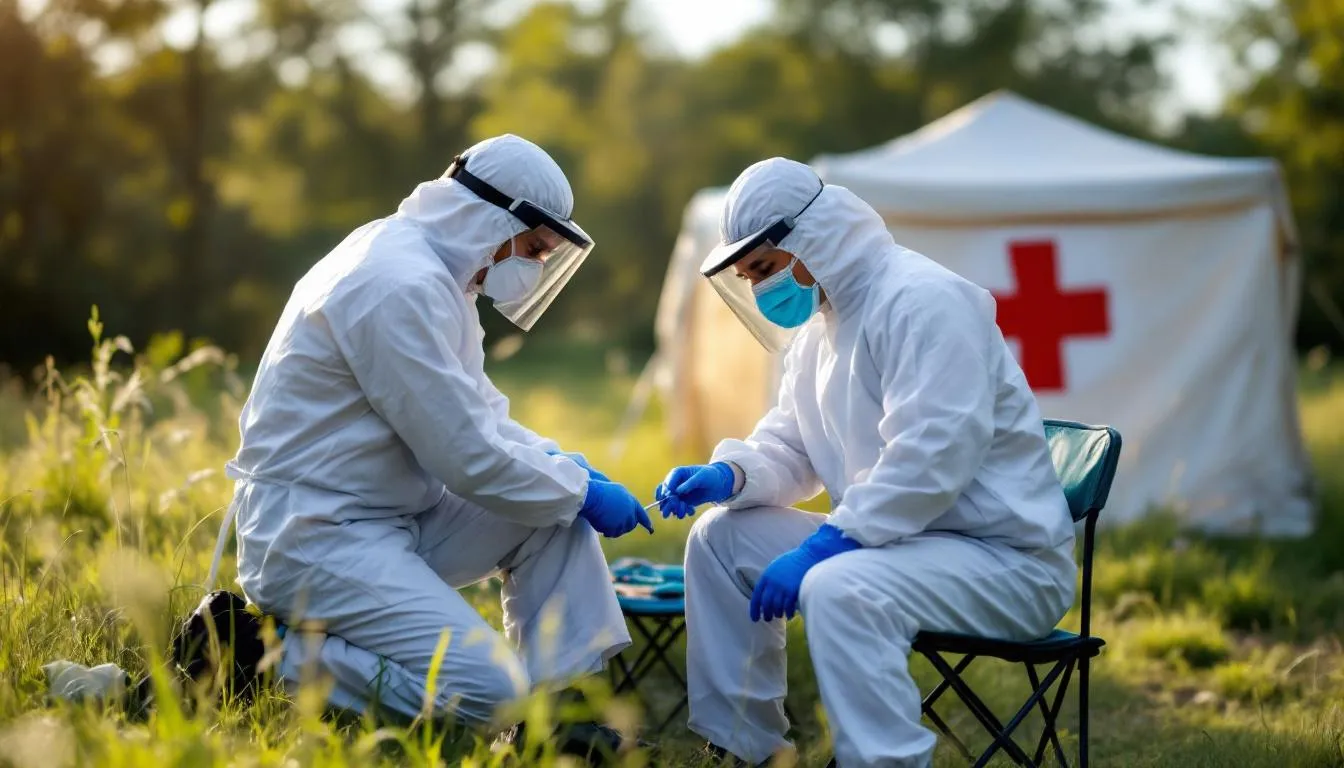
Modern outbreak detection relies on sophisticated surveillance networks that monitor disease patterns continuously, seeking signals of unusual activity in the vast background of normal human illness. These systems operate at multiple levels, from local healthcare provider reporting to global surveillance coordinated by the world health organization and other international agencies.
Global surveillance systems like the WHO Disease Outbreak News provide real-time information about significant disease events worldwide. The CDC’s Global Health Security initiatives work with countries to strengthen their outbreak detection and response capabilities. These international networks proved critical during COVID-19, allowing rapid sharing of information about the novel virus and its transmission characteristics.
National reporting systems form the backbone of outbreak detection. The CDC’s National Outbreak Reporting System (NORS) collects data on foodborne, waterborne, and other infectious disease outbreaks from state and local health departments. The WHO International Health Regulations require countries to report public health emergencies of international concern, creating legal frameworks for transparency and cooperation.
Laboratory networks detect unusual disease patterns and emerging pathogens through systematic testing and analysis. The CDC’s Laboratory Response Network can rapidly identify bioterrorism agents, emerging infectious diseases, and antimicrobial resistance patterns. Whole genome sequencing now allows investigators to track pathogen transmission with unprecedented precision, revealing outbreak connections that would have been impossible to detect previously.
Syndromic surveillance monitors symptoms and syndromes before laboratory confirmation becomes available. These systems analyze emergency department visits, pharmacy sales, school absenteeism, and even internet search patterns to detect unusual disease activity. During the COVID-19 pandemic, surveillance of influenza-like illness provided early warnings of community transmission.
Modern technology revolutionizes outbreak detection through artificial intelligence, machine learning, and real-time data analysis. Genomic sequencing results that once took weeks now complete in hours. AI algorithms can identify unusual patterns in electronic health records or social media posts that might indicate emerging outbreaks. Mobile technology enables real-time reporting from remote areas previously invisible to surveillance systems.
However, surveillance quality varies dramatically worldwide. Well-resourced health systems can detect outbreaks within days or weeks, while resource-limited settings may lack the laboratory capacity, trained personnel, or reporting systems necessary for timely detection. This disparity creates global vulnerabilities, as pathogens emerging in surveillance-weak areas can spread undetected until they reach better-monitored populations.
Outbreak Investigation Methods
Outbreak investigation follows systematic protocols designed to identify sources, interrupt transmission, and prevent future occurrences. The traditional 10 steps of outbreak investigation provide a framework that epidemiologists adapt to specific circumstances while maintaining scientific rigor and public health focus.
The first step, verifying the diagnosis and confirming that an outbreak exists, requires careful comparison with baseline disease rates and assessment of whether observed cases exceed expected levels. Investigators must distinguish true outbreaks from reporting artifacts, surveillance changes, or normal statistical variation. This verification process often involves reviewing clinical records, laboratory results, and population data to establish that genuine increases in disease incidence have occurred.
Defining cases precisely ensures consistency across the investigation. Standard case definitions specify clinical criteria, laboratory requirements, time periods, and geographic areas that determine who counts as a case. These definitions typically include confirmed cases (meeting all criteria), probable cases (meeting most criteria), and possible cases (meeting some criteria). Clear case definitions allow different investigators and agencies to work with consistent data and enable meaningful analysis of transmission patterns.
Epidemiological tools form the analytical core of outbreak investigations. Case-control studies compare exposures between sick and well individuals to identify risk factors and potential sources. Cohort studies follow exposed populations over time to measure attack rates and identify protective factors. Contact tracing maps transmission chains and identifies individuals at risk of infection. These methods provide statistical evidence to support or refute hypotheses about outbreak causes.
Laboratory confirmation establishes definitive diagnoses, identifies specific pathogen strains, and provides information about antimicrobial resistance patterns. Modern laboratory techniques include pathogen isolation, serology, molecular diagnostics, and whole genome sequencing. Genetic analysis can link cases with extraordinary precision, revealing transmission chains and ruling out coincidental clustering of unrelated cases.
Environmental investigations examine potential sources and vehicles of transmission. Food safety inspections assess restaurant practices, agricultural operations, and food processing facilities. Water testing evaluates municipal supplies, wells, and recreational water sources. Vector control assessments examine breeding sites and vector populations. These investigations often reveal the environmental conditions that allowed pathogens to amplify and spread.
Timeline reconstruction and attack rate calculations help investigators understand transmission dynamics and identify critical exposures. The epidemic curve, plotting cases by date of onset, reveals whether transmission is ongoing, whether control measures are working, and whether secondary transmission is occurring. Attack rates (proportion of exposed individuals who develop illness) help quantify infectivity and identify high-risk exposures.
Case Study: Investigating a Foodborne Outbreak
The 2018 E. coli outbreak linked to romaine lettuce demonstrates modern foodborne outbreak investigation. The first cases appeared in early April, with patients reporting bloody diarrhea and some developing hemolytic uremic syndrome, a serious complication affecting kidneys. Initial case reports to state health departments triggered routine laboratory testing that identified E. coli O157:H7.
Multi-agency coordination between the CDC, FDA, and state health departments began immediately. Epidemiologists conducted case-control studies comparing foods eaten by sick and well individuals, identifying romaine lettuce as the suspected vehicle. Traceback investigations followed the supply chain from retail stores back through distributors to farms. The USDA FSIS and FDA collaborated on environmental sampling and inspection of implicated facilities.
Challenges in traceback investigations highlighted supply chain complexity. Romaine lettuce from multiple farms mixed in distribution centers, making it difficult to identify specific sources. Records systems varied in quality and completeness. The seasonal nature of agricultural production meant that implicated farms might have finished harvesting before investigators arrived.
Whole genome sequencing revolutionized this investigation by providing genetic fingerprints that could link cases with extraordinary precision. Previously, investigators relied on less discriminating methods that couldn’t distinguish between related and unrelated strains. Genomic analysis revealed that cases from different states shared identical or closely related bacterial strains, providing definitive evidence of a common source even when traditional epidemiological methods reached their limits.
The investigation ultimately identified contaminated irrigation water as the likely source, leading to improved agricultural water standards and enhanced surveillance systems for leafy greens. This outbreak resulted in 210 people across 36 states becoming sick, with 96 hospitalizations and 5 deaths, demonstrating the serious public health impact of foodborne infectious diseases.

Control and Containment Strategies
Effective outbreak control requires layered strategies that interrupt transmission at multiple points while addressing the specific characteristics of each pathogen and population. Prevention strategies operate at three levels: primary prevention blocks initial infections, secondary prevention reduces transmission from infected individuals, and tertiary prevention minimizes complications and death among those already infected.
Primary prevention strategies focus on eliminating exposure opportunities before infection occurs. Vaccination campaigns can rapidly increase population immunity, as demonstrated by successful measles outbreak control through emergency immunization programs. Vector control reduces disease transmission by targeting mosquitoes, ticks, or other arthropods that carry pathogens. Sanitation improvements address waterborne and foodborne transmission pathways. Food safety measures, including inspection, recall, and public advisories, can quickly remove contaminated products from the market.
Secondary prevention strategies aim to reduce transmission from infected individuals through early detection, isolation, and treatment. Case isolation prevents infectious individuals from spreading disease to others, while quarantine restricts movement of exposed individuals who might be incubating infection. Contact tracing identifies individuals at risk and connects them with appropriate monitoring, testing, or prophylaxis. Screening programs can identify asymptomatic infections before they contribute to ongoing transmission.
Tertiary prevention focuses on reducing complications and mortality among infected individuals through appropriate medical care, supportive treatment, and rehabilitation services. Early antiviral treatment can reduce severity and duration of illness for some viral infections. Antibiotics can treat bacterial infections and reduce transmission periods. Supportive care prevents complications and reduces case fatality rates, particularly important for vulnerable populations.
Non-pharmaceutical interventions become critical when medical countermeasures are unavailable or insufficient. Social distancing measures reduce contact rates and slow transmission of respiratory pathogens. Travel restrictions can limit geographic spread, though their effectiveness depends on timing and implementation quality. School closures can interrupt transmission among children and reduce community spread, though they carry significant social and economic costs. Workplace modifications, event cancellations, and gathering restrictions all aim to reduce opportunities for pathogen transmission.
Risk communication strategies ensure that accurate, actionable information reaches affected populations quickly and effectively. Public health messaging must balance urgency with accuracy, provide clear guidance on protective actions, and address public concerns and misconceptions. Effective communication builds trust and compliance with control measures while avoiding unnecessary panic or complacency.
Modern Outbreak Response Tools
Emergency operations centers coordinate multi-agency response using incident command systems adapted from emergency management. These centers integrate epidemiological analysis, laboratory services, logistics, communications, and field operations under unified command structures. During large-scale outbreaks, centers operate continuously, bringing together expertise from multiple agencies and jurisdictions.
The Strategic National Stockpile maintains reserves of medical countermeasures for public health emergencies, including vaccines, antibiotics, antiviral medications, and medical supplies. Rapid deployment capabilities can deliver critical resources to affected areas within hours, as demonstrated during anthrax bioterrorism events and H1N1 influenza pandemic response.
Digital contact tracing and exposure notification systems leverage smartphone technology to supplement traditional contact tracing methods. These systems can identify potential exposures more rapidly and completely than manual methods, though they face challenges related to adoption rates, privacy concerns, and technical limitations. COVID-19 demonstrated both the potential and limitations of digital tools for outbreak response.
Rapid vaccine development platforms enable faster response to novel pathogens through advanced manufacturing techniques, streamlined regulatory processes, and international coordination. mRNA vaccine technology, proven during COVID-19, allows development and production of vaccines against new pathogens in months rather than years. Emergency use authorizations provide regulatory frameworks for deploying medical countermeasures before completing traditional approval processes.
The Human Story Behind Outbreaks
Behind every outbreak statistic lies human experiences of illness, fear, loss, and resilience. Understanding these personal dimensions is essential for effective public health response, as outbreaks test not only our medical systems but also our social bonds and collective capacity to care for one another during crisis.
Outbreaks impose severe impacts on affected communities that extend far beyond direct health effects. Economic disruption occurs as businesses close, workers stay home sick, and supply chains break down. The 2003 SARS outbreak devastated tourism and hospitality industries in affected cities, leading to massive job losses and business failures. Social stigma can isolate individuals and communities associated with disease, as we witnessed with early AIDS discrimination and anti-Asian sentiment during COVID-19.
Psychological trauma affects not only those who become ill but entire communities living under threat of infection. The constant fear of contagion, isolation from normal social connections, and uncertainty about the future create mental health burdens that persist long after outbreaks end. Children may experience developmental delays and educational setbacks. Healthcare workers often suffer moral injury from being unable to save all patients despite their best efforts.
Healthcare workers face extraordinary challenges during outbreak response, working long hours under dangerous conditions while their own families worry about exposure risks. During the 2014 Ebola epidemic in West Africa, healthcare workers had infection rates far higher than the general population, yet many continued caring for patients despite inadequate protective equipment and limited treatment options. The dedication of these frontline workers often determines outbreak outcomes, yet they receive insufficient recognition and support for their sacrifices.
Vulnerable populations consistently bear disproportionate outbreak burdens due to underlying health conditions, limited healthcare access, crowded living conditions, and occupational exposures. Elderly individuals face higher mortality rates from infectious diseases due to weakened immune systems and underlying chronic conditions. Immunocompromised patients may experience prolonged infections and serve as sources of ongoing transmission. Socioeconomically disadvantaged communities often have higher exposure risks and limited ability to implement protective measures like isolation or quarantine.
Personal stories from recent outbreaks illustrate both human resilience and systemic failures. COVID-19 frontline workers demonstrated extraordinary courage while facing unprecedented challenges and personal risks. Ebola survivors in West Africa showed remarkable strength while confronting stigma and economic hardship. Vaccine hesitancy challenges reflect complex interactions between personal experiences, cultural beliefs, and trust in institutions.
These human dimensions remind us that effective outbreak response requires not only scientific expertise but also empathy, cultural competence, and commitment to health equity. Public health measures that ignore human needs and social realities often fail to achieve their intended goals and may create additional harm for already vulnerable populations.
Trust, Communication, and Public Cooperation
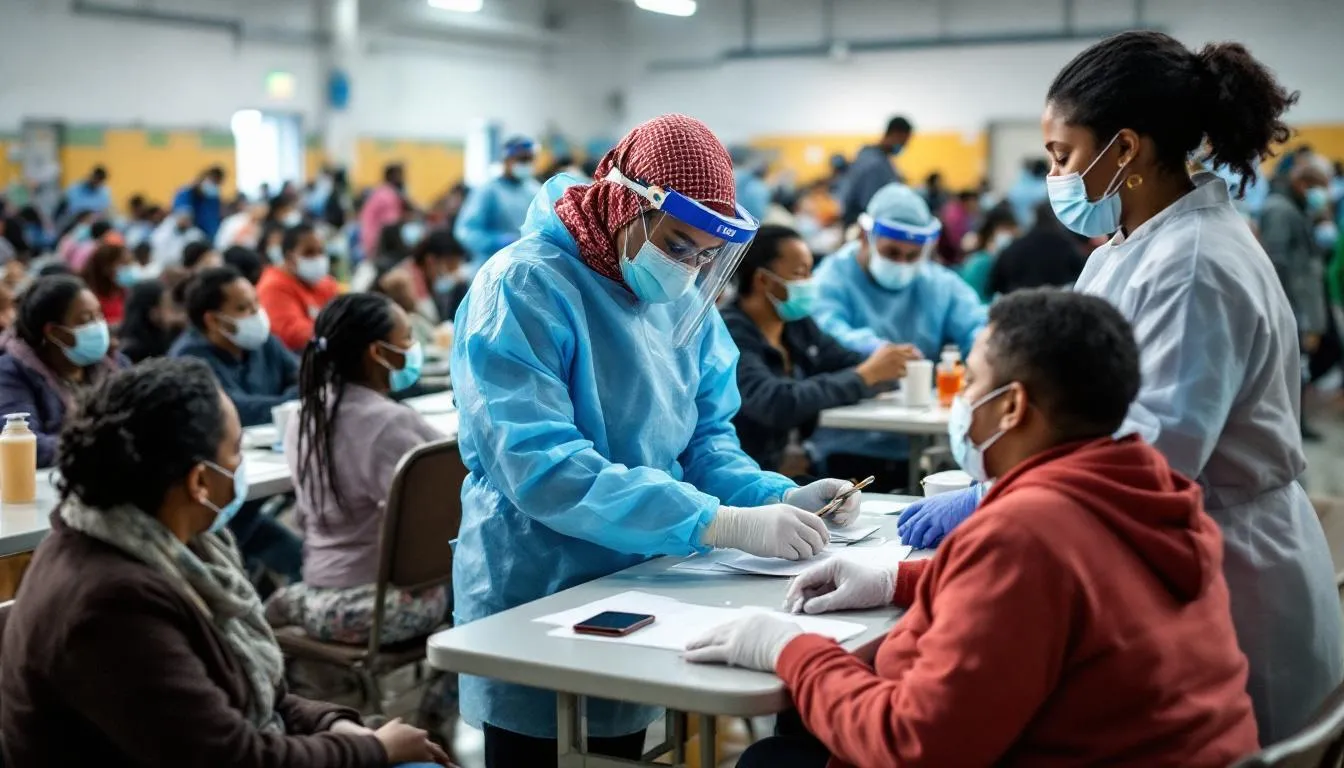
The success of outbreak control measures depends fundamentally on public trust and cooperation, making risk communication as critical as any medical intervention. Historical examples demonstrate that communication failures can undermine even the most scientifically sound response strategies, while effective communication can build the social cohesion necessary for collective action against disease threats.
Historical communication failures offer important lessons for modern outbreak response. The 1976 swine flu vaccination campaign resulted in more reported deaths from vaccine complications than from the flu itself, creating lasting public skepticism about emergency vaccination programs. Early HIV/AIDS response was marked by stigmatization, denial, and inadequate information sharing that delayed effective prevention efforts and exacerbated discrimination against affected communities. These examples show how communication mistakes can have consequences that persist for decades.
Building public trust requires transparency, consistency, and cultural competence from health authorities. Transparency means sharing what we know, what we don’t know, and how our understanding evolves as new evidence emerges. During COVID-19, changes in guidance about masks and transmission routes created confusion, but clear explanation of the scientific process helped maintain credibility. Consistency across different agencies and officials prevents mixed messages that undermine public confidence.
Cultural competence recognizes that different communities have different values, beliefs, and communication preferences. Effective outbreak communication requires understanding local languages, trusted messengers, preferred media channels, and cultural practices that influence health behaviors. Community engagement from the earliest stages of response helps ensure that control measures are acceptable and feasible for affected populations.
Addressing misinformation and conspiracy theories has become increasingly challenging in the digital age, where false information can spread faster than accurate information. Social media platforms can amplify unfounded fears and promote ineffective or dangerous remedies. Successful counter-strategies combine fact-checking, trusted messenger engagement, and positive messaging that provides clear, actionable guidance. Simply debunking false information often proves insufficient; people need compelling alternatives that address their underlying concerns.
Balancing individual freedoms with collective public health protection requires careful consideration of proportionality, necessity, and equity. Public health measures that seem excessive or unfairly applied may provoke resistance and reduce compliance. Emergency powers must be clearly justified, time-limited, and subject to review. Enforcement strategies should emphasize education and support rather than punishment whenever possible.
Successful outbreak communication examples provide models for future response. Australia’s COVID-19 response featured clear, consistent messaging from trusted leaders, regular press conferences with transparent data sharing, and culturally appropriate materials for diverse communities. Measles vaccine acceptance campaigns in hesitant communities have succeeded through patient engagement, trusted healthcare provider relationships, and addressing specific concerns rather than dismissing them.
The relationship between public trust and outbreak control creates a feedback loop: successful control measures build trust in public health institutions, while trust enables more effective implementation of control measures. This dynamic makes investment in communication capacity and community relationships essential for outbreak preparedness, not just response.
Preparedness and Global Cooperation
Effective outbreak response begins long before the first case appears, requiring sustained investment in public health infrastructure, international cooperation frameworks, and research capabilities that form the foundation for rapid detection and control. The COVID-19 pandemic starkly illustrated both the consequences of underinvestment in preparedness and the potential for global cooperation when facing shared threats.
Investment in public health infrastructure encompasses multiple interconnected systems that must function reliably under stress. Surveillance systems require trained epidemiologists, laboratory capacity, data management capabilities, and reporting mechanisms that can rapidly detect and characterize unusual disease patterns. Laboratory capacity includes not only equipment and supplies but also skilled personnel, quality assurance programs, and networks that can share samples and results across jurisdictions.
Workforce training ensures that personnel can execute complex outbreak response activities under pressure. This includes epidemiologists who can conduct investigations, laboratory scientists who can identify pathogens, communications specialists who can manage public information, and incident commanders who can coordinate multi-agency response. Cross-training and surge capacity planning help ensure that critical functions continue even when staff become ill or overwhelmed.
International cooperation frameworks provide legal and operational structures for sharing information, resources, and expertise across borders. The WHO Health Emergencies Programme coordinates global outbreak response, maintains disease surveillance networks, and provides technical assistance to countries with limited capacity. The Global Health Security Agenda brings together governments, international organizations, and civil society to strengthen health security worldwide.
The WHO International Health Regulations create binding legal obligations for countries to report public health emergencies of international concern and maintain minimum core capacities for outbreak detection and response. These regulations were strengthened after SARS but still face implementation challenges, particularly in resource-limited settings. Current discussions focus on pandemic treaty negotiations that could create stronger mechanisms for international cooperation and resource sharing.
One Health approaches recognize that human, animal, and environmental health are interconnected, particularly for zoonotic diseases that emerge from animal populations. Surveillance systems that monitor wildlife, livestock, and environmental conditions can provide early warning of emerging threats before they reach human populations. This approach requires coordination between human health, veterinary, and environmental agencies that traditionally operate independently.
Research and development priorities for outbreak response tools include new vaccines, therapeutics, diagnostics, and delivery systems that can be rapidly deployed during emergencies. Platform technologies like mRNA vaccines enable faster development against novel pathogens. Point-of-care diagnostics can provide rapid results in resource-limited settings. Novel vaccine delivery systems could simplify logistics and improve coverage during emergencies.
Pandemic preparedness initiatives focus on the highest-consequence threats that could cause global disruption. This includes maintaining strategic reserves of critical supplies, developing surge manufacturing capacity for medical countermeasures, and conducting regular exercises to test response capabilities. The COVID-19 pandemic revealed critical gaps in supply chains, manufacturing capacity, and international coordination that require systematic attention.
Future Challenges and Opportunities
Climate change impacts on infectious disease emergence and spread represent growing challenges for outbreak prevention and control. Rising temperatures expand the geographic range of vector-borne diseases like malaria and dengue. Extreme weather events can disrupt water and sanitation systems, creating conditions for waterborne disease transmission. Ecosystem disruption may increase opportunities for zoonotic spillover events that give rise to novel human pathogens.
Antimicrobial resistance threatens to undermine our ability to treat bacterial infections, potentially making currently manageable outbreaks much more severe. Drug-resistant tuberculosis, gonorrhea, and other infections are spreading globally. New mechanisms of resistance continue to emerge and spread through bacterial populations. Maintaining effective antimicrobials requires coordinated action on surveillance, stewardship, infection prevention, and research across multiple sectors.
Urbanization and population density effects on transmission dynamics create both challenges and opportunities for outbreak control. Dense urban populations can support rapid transmission of respiratory pathogens but also enable efficient implementation of control measures. Urban infrastructure can provide reliable water and sanitation services but may also create vulnerabilities to terrorist attacks or natural disasters. Smart city technologies could enhance surveillance and response capabilities while raising privacy concerns.
Emerging technologies offer new tools for outbreak prevention and response, from artificial intelligence that can predict outbreak risk to novel manufacturing techniques that could rapidly produce vaccines and therapeutics. Blockchain technology might improve supply chain transparency and security. Genomic surveillance could provide real-time tracking of pathogen evolution and transmission. However, these technologies also create new vulnerabilities and require careful consideration of equity, privacy, and security implications.
Building resilient health systems that can withstand multiple simultaneous threats requires moving beyond single-hazard planning to all-hazards approaches that can respond to various types of emergencies. This includes maintaining spare capacity, developing flexible response capabilities, and building redundancy into critical systems. The goal is creating health systems that can continue providing essential services even while responding to major outbreaks or other emergencies.

The future of outbreak control will depend on our collective commitment to investing in preparedness, fostering international cooperation, and maintaining public trust. History shows that societies can overcome even devastating disease threats when they combine scientific expertise with social solidarity and political will. The challenge for the coming decades will be sustaining this commitment during quiet periods between crises, remembering that the price of public health security is eternal vigilance.
Outbreaks will continue to emerge as long as humans interact with each other and the natural world. Our ability to detect, investigate, and control these events determines whether they remain limited clusters or become global catastrophes. The science behind outbreak response continues advancing rapidly, but technology alone cannot substitute for the human elements—trust, cooperation, and commitment to protecting one another—that ultimately determine our collective security against infectious disease threats.
As we face an uncertain future marked by climate change, urbanization, and emerging pathogens, investing in outbreak preparedness is not just a public health imperative but a moral obligation to future generations. The systems we build today and the relationships we foster now will determine how well we respond to the next inevitable crisis. Every outbreak teaches us something new about both the pathogens we face and our own capacity for resilience and cooperation in the face of shared threats.

