
Table of Contents
Published: October 6, 2025
Read Time: 30.5 Mins
Total Views: 114
As an infectious disease physician and epidemiologist, I have spent decades studying vaccine preventable diseases and their profound impact on individual and community health. Among these diseases, rubella—also known as german measles—holds a particularly significant place in public health history, not because of its severity in most infected individuals, but because of the devastating consequences it can have for developing fetuses when pregnant women become infected.
The rubella vaccine represents one of modern medicine’s most remarkable achievements in preventing serious birth defects and protecting vulnerable populations. Through careful scientific development and widespread implementation, this vaccine has transformed rubella from a common childhood illness that caused thousands of cases of congenital rubella syndrome annually into a rare disease eliminated from many regions of the world.
Understanding the rubella vaccine—how it works, who needs it, and why it remains essential—is crucial for making informed healthcare decisions that protect not just ourselves, but the most vulnerable members of our communities.
What Is the Rubella Vaccine and Why It Matters
The rubella vaccine is a live, weakened virus vaccine that prevents rubella infection by stimulating the immune system to produce protective rubella antibodies. Unlike many other vaccines that target diseases primarily dangerous to the vaccinated individual, the rubella vaccine serves a dual purpose: protecting the vaccine recipient from mild illness while, more importantly, preventing the transmission of rubella virus to pregnant women who could suffer devastating consequences.
In the United States, single-antigen rubella vaccines are not available. Instead, protection against rubella comes through combination vaccines: the mmr vaccine (measles, mumps, and rubella) or the mmrv vaccine (measles, mumps, rubella, and varicella). These combination vaccines provide comprehensive protection against multiple vaccine preventable diseases in a single injection, making immunization more convenient and ensuring broader disease protection.
The rubella vaccine virus works by introducing a weakened form of the rubella virus into the body, allowing the immune system to recognize and remember the pathogen without causing natural rubella infection. This process typically generates robust rubella immunity that lasts for decades, with one dose providing approximately 97% effectiveness in preventing rubella infection.
What makes the rubella vaccine particularly critical is its role in preventing congenital rubella syndrome (CRS), a collection of severe birth defects that occur when the rubella virus infects a developing fetus. The vaccine’s importance extends far beyond individual protection—it creates a protective barrier around pregnant women through community immunity, ensuring that the rubella virus cannot circulate and reach those most vulnerable to its effects.

The development of rubella containing vaccines emerged from the urgent need to prevent the catastrophic outcomes witnessed during the major rubella epidemic of 1962-1965, which affected hundreds of thousands of people across Europe and the United States and resulted in thousands of cases of congenital rubella syndrome crs.
The Critical Importance of Preventing Congenital Rubella Syndrome
Congenital rubella syndrome represents one of the most preventable yet devastating consequences of infectious diseases. When a pregnant woman becomes infected with the rubella virus, particularly during the first trimester of pregnancy, the virus can cross the placental barrier and infect the developing fetus, causing a constellation of severe birth defects that can affect virtually every organ system.
The spectrum of damage caused by maternal infection during pregnancy is extensive and often permanent. Babies born with congenital rubella may experience deafness, blindness, congenital heart defects, intellectual disability, and autism spectrum disorders. The earlier in pregnancy the maternal infection occurs, the more severe and widespread the birth defects tend to be. During the first eight weeks of pregnancy, the risk of serious birth defects approaches 90% when the mother contracts rubella.
Beyond the individual birth defects, congenital rubella syndrome can also lead to pregnancy complications including miscarriage, stillbirth, and premature delivery. The emotional and financial burden on families affected by CRS is profound, often requiring lifelong medical care and specialized services for children born with these preventable disabilities.
The only effective prevention for congenital rubella syndrome is vaccination before pregnancy occurs. Once a woman is pregnant, it is too late for vaccination, as rubella containing vaccines cannot be administered during pregnancy due to the theoretical risk of the vaccine virus affecting the developing fetus. This makes pre-conception immunity through vaccination absolutely critical for women of childbearing age.
The concept of herd immunity becomes particularly important when considering rubella prevention. When vaccination rates in a community reach sufficient levels (typically 85-90%), the virus cannot sustain transmission chains, effectively protecting pregnant women who may not be immune. This community protection serves as a safety net, ensuring that even women who are unaware of their pregnancy status or who have waning immunity are protected from rubella exposure.
Countries with high vaccination coverage have demonstrated the remarkable effectiveness of this approach. Nations that have achieved and maintained high rubella vaccination rates have successfully eliminated congenital rubella syndrome, with some reporting zero cases for consecutive years. This success demonstrates that CRS is entirely preventable through comprehensive vaccination programs.
Who Should Receive the Rubella Vaccine
The rubella vaccine recommendations encompass a broad population to ensure comprehensive protection against both rubella infection and congenital rubella syndrome. Understanding who should receive rubella vaccination requires considering both individual risk factors and broader public health objectives.
All children should receive rubella protection as part of their routine vaccinations, typically through the mmr vaccine. This universal childhood vaccination serves as the foundation for preventing rubella circulation in communities and protecting future generations from both the disease itself and its consequences for unborn babies.
Adults without evidence of immunity represent another critical population for rubella vaccination, with special emphasis on women of childbearing age. Healthcare workers, childcare providers, international travelers, college students, and military personnel face elevated exposure risks and should ensure their vaccination status is current. These populations often serve as potential transmission vectors, making their protection essential for broader community health.

The assessment of immunity involves either documented vaccination records or blood test results showing adequate rubella antibodies. For many adults, particularly those born before comprehensive vaccination programs, determining immunity status may require laboratory testing, as vaccination records may be incomplete or unavailable.
Children and Routine Vaccination Schedule
The routine childhood vaccination schedule provides the optimal framework for rubella protection through the mmr vaccine. The first dose is administered between 12-15 months of age, when maternal antibodies have waned sufficiently to allow effective immune response to the vaccine while ensuring protection during the vulnerable early childhood period.
The second dose of mmr vaccine is given between 4-6 years of age, typically before school entry. This timing serves multiple purposes: it ensures protection during the school-age years when exposure risks increase, provides a booster effect for enhanced immunity, and offers protection for any children who may not have responded adequately to the first dose. The minimum interval between doses is 28 days, allowing flexibility in scheduling while maintaining optimal effectiveness.
For families planning international travel with young children, early vaccination considerations may apply. Children aged 6-11 months traveling internationally may receive an early dose of mmr vaccine, though this dose does not count toward the routine two-dose series and regular scheduling should continue as planned.
The mmrv vaccine option is available for children aged 12 months to 12 years, providing protection against varicella (chickenpox) in addition to measles, mumps, and rubella. While convenient, the mmrv vaccine carries a slightly increased risk of febrile seizures compared to separate mmr and varicella vaccines, requiring careful discussion between healthcare providers and parents.
Adults and Catch-Up Vaccination
Adult vaccination requirements depend on birth year, vaccination history, and individual risk factors. Adults born before 1957 are generally considered immune to rubella due to widespread natural measles infection and rubella exposure during childhood, though this assumption may not apply to all individuals, particularly in healthcare settings where documentation may be required.
Adults born in 1957 or later without evidence of immunity should receive at least one dose of mmr vaccine unless contraindicated. This single dose typically provides adequate protection for most adults, though specific populations may require two doses for optimal protection.
Healthcare workers represent a special category requiring enhanced protection due to their occupational exposure risks and their potential to transmit infections to vulnerable patients. Most healthcare facilities require two doses of mmr vaccine or laboratory evidence of immunity for healthcare personnel. International travelers also benefit from two doses, particularly when visiting areas where rubella remains endemic.
Women of childbearing age deserve particular attention in adult vaccination programs. Those without evidence of immunity should receive mmr vaccination, ideally before becoming pregnant. The vaccine should not be administered during pregnancy, and women should avoid becoming pregnant for at least one month after vaccination, though inadvertent vaccination during pregnancy has not been associated with adverse outcomes.
Special Populations and Considerations
Certain populations require individualized assessment for rubella vaccination. Pregnant women cannot receive rubella containing vaccines due to the theoretical risk of vaccine virus transmission to the developing fetus, though extensive surveillance has found no evidence of vaccine-associated birth defects. Susceptible pregnant women should receive vaccination immediately postpartum to ensure protection during future pregnancies.
Individuals with weakened immune systems require case-by-case evaluation. While live vaccines like mmr are generally contraindicated in severely immunocompromised individuals, those with mild immunosuppression may safely receive vaccination under medical supervision. The decision requires careful assessment of the individual’s immune status and consultation with specialists familiar with their condition.
Healthcare workers face mandatory immunization policies in many facilities, reflecting the critical importance of preventing healthcare-associated transmission. These policies typically require documentation of two doses of mmr vaccine or laboratory evidence of immunity, with some facilities requiring annual titer checking to ensure continued protection.
International travelers should receive particular attention, especially those visiting areas where rubella remains endemic. Many countries in Southeast Asia and Africa continue to experience significant rubella transmission, making vaccination essential for travelers who may encounter the virus and potentially introduce it to susceptible populations upon return.
Vaccine Safety and Effectiveness
The safety and effectiveness profile of rubella vaccines, particularly when administered as part of the mmr vaccine, represents one of the most extensively studied and well-documented examples in modern immunization practice. Decades of use in millions of vaccine recipients worldwide have established a comprehensive understanding of both the benefits and rare risks associated with rubella vaccination.
The effectiveness of rubella vaccination is remarkable, with 97% effectiveness after one dose and near 100% effectiveness after two doses. This level of protection has proven sufficient to interrupt rubella transmission in communities with high vaccination coverage, leading to the elimination of both rubella and congenital rubella syndrome in multiple countries and regions.
Protection from rubella vaccination appears to be long-lasting, with studies suggesting immunity persists for at least 20 years and likely for life in most vaccine recipients. Unlike some vaccines that require regular boosters, the robust immune response generated by rubella vaccination typically provides enduring protection throughout the periods when it matters most—particularly during the reproductive years when pregnancy could occur.
The safety record of rubella vaccines spans decades of comprehensive monitoring through multiple surveillance systems, including the Vaccine Adverse Event Reporting System (VAERS) and the Vaccine Safety Datalink (VSD). These systems continuously monitor vaccine safety and have consistently demonstrated that the benefits of rubella vaccination far outweigh the rare risks.
One of the most important aspects of vaccine safety involves addressing misconceptions, particularly the thoroughly debunked claim linking mmr vaccines to autism. Multiple large-scale studies involving millions of children have found no association between rubella or other vaccines and autism spectrum disorders. The original study suggesting this link has been retracted due to fraudulent data manipulation, and its lead author lost his medical license.
The continuous safety monitoring of rubella vaccines provides ongoing reassurance about their safety profile. Healthcare providers receive training in recognizing and managing the rare serious reactions, ensuring that the already low risks are further minimized through proper medical care.
Common Side Effects
Most people who receive the mmr vaccine experience no side effects or only mild reactions that resolve quickly without treatment. The most common side effects include low grade fever, mild rash, and swollen lymph nodes, typically occurring 7-12 days after vaccination as the immune system responds to the vaccine antigens.
Joint pain represents a more notable side effect, particularly in adult women, occurring in approximately 25% of susceptible adult women who receive rubella containing vaccine. This joint pain typically begins 1-3 weeks after vaccination and may affect multiple joints, particularly in the fingers, wrists, and knees. While sometimes concerning to vaccine recipients, this reaction is temporary and resolves within days to weeks without causing permanent joint damage.
The runny nose and mild illness symptoms sometimes reported after vaccination reflect the normal immune response to the vaccine and should not be confused with natural disease. These reactions indicate that the immune system is appropriately responding to the vaccine and developing protection against future infection.
Parents and healthcare providers should understand that these common side effects are generally signs of an appropriate immune response rather than concerning reactions. Simple comfort measures, including acetaminophen for fever and local cool compresses for injection site discomfort, typically provide adequate symptom relief.
Rare but Serious Reactions
Severe allergic reactions (anaphylaxis) represent the most serious potential side effect of rubella vaccination, occurring in fewer than one in a million doses administered. These reactions typically occur within minutes of vaccination and require immediate medical attention, which is why vaccination providers maintain emergency equipment and protocols for managing allergic reactions.
Temporary low platelet count (thrombocytopenia) occurs rarely after mmr vaccination, with an estimated incidence of approximately one case per 30,000-40,000 doses. This condition typically resolves spontaneously without treatment, though medical monitoring may be required to ensure platelet counts return to normal levels.
Febrile seizures represent a particular consideration with the mmrv vaccine, which carries approximately twice the risk of fever-related seizures compared to separate administration of mmr and varicella vaccines. While concerning for parents, febrile seizures do not cause permanent neurological damage and do not increase the risk of future epilepsy.
Brain inflammation (encephalitis) has been reported very rarely after mmr vaccination, with an incidence significantly lower than the risk of encephalitis from natural measles infection. The relationship between vaccination and these rare cases of encephalitis remains unclear, as similar rates of encephalitis occur in unvaccinated populations.
Healthcare providers receive specific training in recognizing and managing these rare reactions, ensuring that vaccine recipients have access to appropriate care should serious reactions occur. The rarity of these events, combined with the effectiveness of medical management, means that the overall risk-benefit ratio strongly favors vaccination.
Who Should Not Receive the Rubella Vaccine
While rubella vaccination is safe and recommended for most people, certain individuals should not receive rubella containing vaccines due to increased risk of complications or reduced vaccine effectiveness. Understanding these contraindications ensures that vaccination recommendations are appropriately individualized while maintaining the safety of the immunization program.
Pregnant women represent the most important contraindication to rubella vaccination. The theoretical risk of vaccine virus transmission to the developing fetus, while never documented to cause harm, necessitates avoiding vaccination during pregnancy. Women who are pregnant should wait until after delivery to receive mmr vaccination, and those planning pregnancy should complete vaccination at least one month before conception.
Severely immunocompromised individuals may not safely receive live vaccines like mmr due to the risk of vaccine virus replication and disease. This includes people receiving high-dose immunosuppressive therapy, those with severe primary immunodeficiency disorders, and individuals with advanced HIV disease. However, immunocompromised status requires individual assessment, as many people with mild immune suppression can safely receive mmr vaccine.
People with severe allergies to vaccine components, including gelatin or the antibiotic neomycin, should not receive mmr vaccines. Healthcare providers can assess allergy histories and may recommend skin testing in cases where the significance of reported allergies is unclear.
Individuals currently taking salicylates (aspirin-containing medications) should not receive the mmrv vaccine due to potential interactions, though this contraindication does not apply to the standard mmr vaccine. This represents one reason why healthcare providers may choose mmr vaccine over mmrv for certain patients.
Active untreated tuberculosis represents another contraindication to live vaccine administration, as tuberculosis can worsen in immunocompromised states. Individuals with latent tuberculosis can typically receive mmr vaccine safely, but those with active disease should complete appropriate treatment before vaccination.
Moderate to severe acute illness, with or without fever, warrants postponing vaccination until the individual recovers. This recommendation prevents confusion between vaccine side effects and symptoms of the underlying illness, and ensures optimal immune response to the vaccine when the person is healthy.
Recent blood transfusion or administration of other blood products may interfere with mmr vaccine effectiveness due to passive antibody transfer. The timing of vaccination after blood product administration depends on the specific product received and requires consultation with healthcare providers familiar with current recommendations.
Global Impact and Public Health Success
The global impact of rubella vaccination represents one of public health’s most remarkable success stories, demonstrating how coordinated vaccination efforts can eliminate devastating diseases and their consequences. Since the introduction of rubella vaccines in 1969, the transformation in disease incidence and the prevention of congenital rubella syndrome has been nothing short of extraordinary.
The United States achieved elimination of rubella and congenital rubella syndrome in 2004, meaning that the disease no longer spreads continuously within the country. This achievement followed decades of comprehensive vaccination programs that achieved and maintained high coverage rates, effectively interrupting virus transmission chains and protecting vulnerable populations.
The disease control and prevention efforts extend far beyond individual countries. The World Health Organization has established a goal of global rubella elimination by 2030, building on the success achieved in the Americas and other regions that have eliminated rubella through sustained vaccination efforts. This ambitious target reflects the understanding that rubella elimination is not only achievable but essential for protecting future generations.
Countries with high vaccination coverage have documented dramatic reductions in both rubella cases and congenital rubella syndrome. Before widespread vaccination, congenital rubella syndrome affected thousands of newborns annually in developed countries alone. In regions with sustained high vaccination rates, CRS has become essentially a disease of the past, with some countries reporting zero cases for consecutive years.
The economic benefits of rubella vaccination extend far beyond the immediate healthcare cost savings. Preventing even a single case of congenital rubella syndrome saves hundreds of thousands of dollars in lifetime medical care costs, special education services, and lost productivity. When multiplied across entire populations, these savings demonstrate that vaccination programs provide exceptional return on investment.
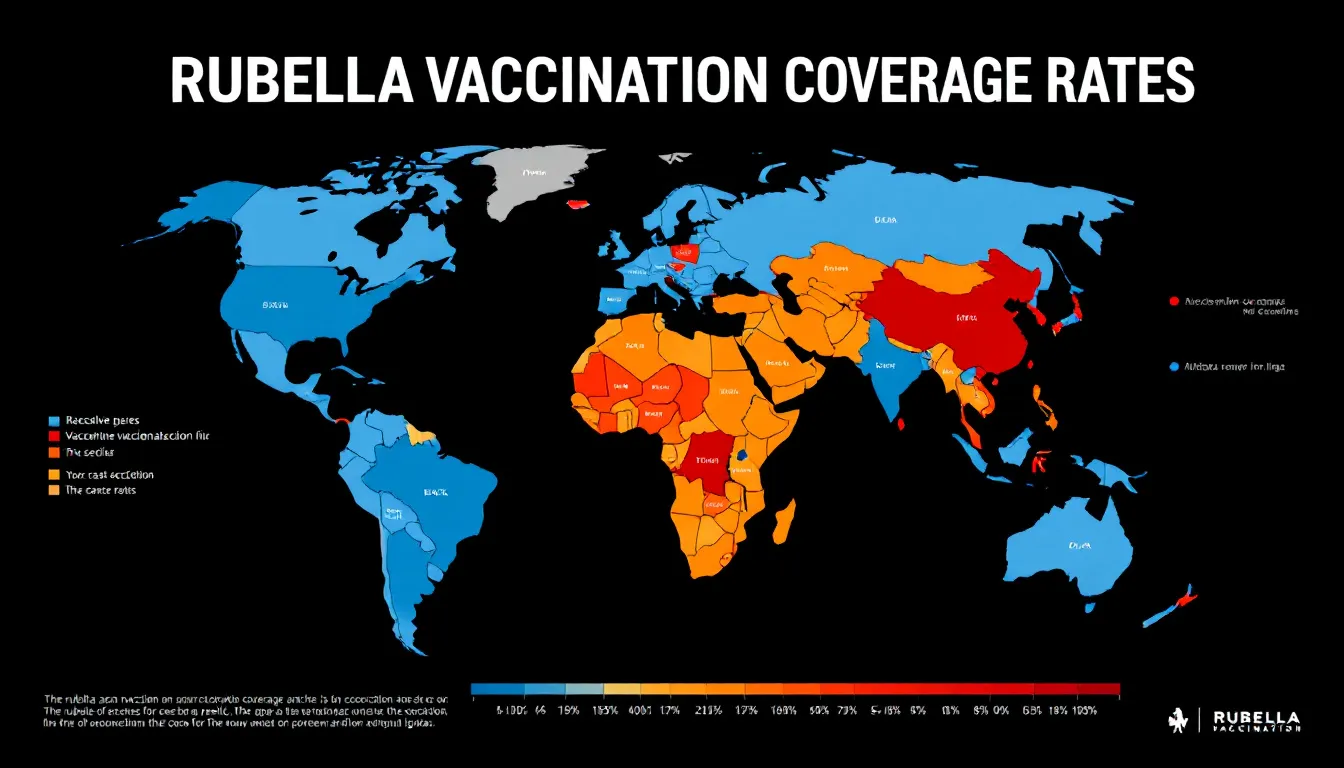
However, significant challenges remain on the global stage. The Measles & Rubella Partnership estimates that approximately 110,000 babies are still born annually with congenital rubella syndrome, primarily in Southeast Asia and Africa where vaccination coverage remains insufficient. This ongoing burden emphasizes the critical importance of expanding access to rubella vaccines worldwide.

The surveillance systems established to monitor rubella and congenital rubella syndrome provide crucial data for maintaining elimination status and detecting any resurgence of disease transmission. These systems combine laboratory confirmation of suspected cases with epidemiological investigation to ensure rapid detection and response to any potential outbreaks.
The success of rubella elimination efforts has also contributed to strengthening broader immunization programs and disease surveillance systems, creating infrastructure that benefits prevention efforts for other vaccine preventable diseases. This systematic approach to disease prevention serves as a model for addressing other global health challenges.
Addressing Common Concerns and Misconceptions
As a physician who has spent decades working in infectious diseases and public health, I frequently encounter concerns and misconceptions about vaccines, including those related to rubella vaccination. Addressing these concerns with compassionate, evidence-based information is essential for maintaining public confidence in vaccination programs and ensuring continued protection against preventable diseases.
The most persistent and thoroughly debunked misconception involves the false claim linking mmr vaccines to autism. This concern, originally based on a fraudulent study that has been retracted and discredited, continues to cause anxiety among some parents despite overwhelming scientific evidence demonstrating no connection between vaccination and autism spectrum disorders. Multiple large-scale studies involving millions of children have consistently found no association between rubella or other vaccines and autism.
Concerns about receiving multiple vaccines simultaneously represent another common worry that deserves careful explanation. The immune system regularly encounters and successfully responds to thousands of antigens from bacteria, viruses, and environmental sources. The antigens in vaccines represent a tiny fraction of this daily exposure, and the immune system easily handles the challenge of responding to multiple vaccine antigens at once.
The question of natural immunity versus vaccine-induced immunity frequently arises in discussions about rubella vaccination. While natural rubella infection does provide immunity, it comes with the risk of transmitting infection to pregnant women during the contagious period, potentially causing congenital rubella syndrome. Additionally, natural measles infection carries significant risks of complications, including brain inflammation and death, making vaccination the much safer approach to achieving immunity.
Religious and philosophical considerations sometimes influence vaccination decisions, and these concerns deserve respectful discussion. Many religious leaders and organizations support vaccination as a means of protecting community health and preventing suffering. Healthcare providers can help families explore how vaccination aligns with their values of protecting vulnerable community members, particularly pregnant women and unborn babies.
The importance of community protection through high vaccination rates cannot be overstated when addressing individual concerns. Each person who receives rubella vaccination contributes to the protective barrier that prevents virus circulation and protects those who cannot be vaccinated due to medical conditions or pregnancy. This collective responsibility represents a fundamental aspect of living in interconnected communities.
Addressing vaccine hesitancy requires patience, empathy, and commitment to providing accurate information while respecting individual concerns. Healthcare providers play a crucial role in these conversations, taking time to listen to specific worries and providing personalized information that addresses individual circumstances and values.
Getting Vaccinated: Access and Practical Information
Accessing rubella vaccination through mmr or mmrv vaccines has become increasingly convenient, with multiple options available to ensure that cost, location, or scheduling concerns do not prevent vaccination. Understanding the practical aspects of getting vaccinated helps individuals and families make informed decisions and follow through with vaccination plans.
Healthcare providers represent the primary source for rubella vaccination, offering the advantage of comprehensive medical assessment and personalized recommendations based on individual health status and risk factors. Primary care physicians, pediatricians, and family medicine providers routinely stock mmr vaccines and can assess vaccination needs as part of regular healthcare visits.
Pharmacies have expanded their vaccination services significantly, with many chain pharmacies now offering mmr vaccination for adults and children over specific ages. This expanded access provides convenient options for people who may have difficulty scheduling healthcare provider appointments or who prefer the flexibility of pharmacy-based services.
Local health departments continue to serve as essential vaccination providers, particularly for uninsured or underinsured individuals. Many health departments offer vaccination clinics with sliding-scale fees based on ability to pay, ensuring that financial constraints do not prevent access to essential immunizations.
Insurance coverage for rubella vaccination is comprehensive under most health insurance plans, including Medicare and Medicaid. The Affordable Care Act requires most insurance plans to cover recommended vaccines without cost-sharing, eliminating copayments or deductibles for vaccination services when provided by in-network providers.
For uninsured individuals, the Vaccines for Children (VFC) program provides free vaccines for eligible children, while many community health centers and federally qualified health centers offer vaccination services at reduced costs. Some pharmaceutical companies also provide patient assistance programs for vaccine access.
The vaccination process itself is straightforward, typically involving a brief medical assessment to ensure vaccination is appropriate, followed by injection administration, usually in the upper arm. Most providers observe vaccine recipients for 15-20 minutes after vaccination to monitor for any immediate reactions, though serious reactions are extremely rare.
Record keeping represents an important aspect of vaccination that deserves attention. Maintaining vaccination records helps ensure appropriate timing of subsequent doses and provides documentation for school, employment, or travel requirements. Many providers now use electronic immunization registries that help track vaccination status and send reminders for due vaccines.
International travel considerations may require special attention to rubella vaccination status. Some countries require proof of measles and rubella immunity for entry, particularly during outbreak situations. The Centers for Disease Control recommends ensuring mmr vaccination is current before international travel, particularly to areas where rubella remains common.
Expert Recommendations and Future Directions
Current recommendations from the Centers for Disease Control and Prevention (CDC) and the Advisory Committee on Immunization Practices (ACIP) reflect decades of experience with rubella vaccination and ongoing assessment of optimal strategies for disease prevention. These evidence-based guidelines provide the foundation for clinical practice and public health policy related to rubella prevention.
The standard recommendation remains two doses of mmr vaccine for children, with the first dose at 12-15 months and the second at 4-6 years of age. For adults without evidence of immunity, at least one dose of mmr vaccine is recommended, with specific populations requiring two doses for optimal protection. These recommendations balance individual protection with community immunity goals.
Ongoing research continues to refine our understanding of rubella vaccine immunity duration and the need for booster doses. Current evidence suggests that two doses of mmr vaccine provide long-lasting, likely lifelong protection for most recipients. However, continued surveillance monitors vaccine effectiveness and durability to inform future policy decisions.
The integration of rubella vaccination information into comprehensive resources like the Vaccine-Preventable Diseases hub on DrJayVarma.com serves to provide accessible, evidence-based information for healthcare providers, policymakers, and the public. This type of integrated approach helps ensure that accurate information is readily available to support informed decision-making about vaccination.
Global vaccination strategies continue to evolve as countries work toward the World Health Organization goal of rubella elimination by 2030. These efforts require sustained political commitment, adequate funding, and robust health systems capable of delivering vaccines to all populations, particularly in areas where coverage has historically been low.
The challenges of maintaining high vaccination coverage in elimination settings require ongoing attention to surveillance, outbreak response, and maintenance of public confidence in vaccination programs. Countries that have eliminated rubella must remain vigilant to prevent reintroduction of the virus and must maintain high vaccination rates to preserve elimination status.
Future developments in rubella vaccination may include improved vaccine formulations, alternative delivery methods, or enhanced strategies for addressing vaccine hesitancy. However, the current vaccines have proven remarkably effective and safe, suggesting that improved delivery and access may be more important than technological advances in the vaccines themselves.

The importance of maintaining high vaccination coverage cannot be overstated as we move forward. Even small decreases in vaccination rates can allow disease resurgence, as seen with measles outbreaks in communities with reduced vaccination coverage. Sustained commitment to vaccination programs remains essential for protecting current and future generations from rubella and its consequences.
The role of healthcare providers in promoting rubella vaccination extends beyond simply administering vaccines to include education, advocacy, and maintenance of public confidence in vaccination programs. Providers must stay current with recommendations, address patient concerns effectively, and serve as trusted sources of information in their communities.
Resources and Additional Information
Accessing reliable, up-to-date information about rubella vaccination requires knowing where to find authoritative sources that provide evidence-based guidance for both healthcare providers and the public. The following resources represent the most trusted and comprehensive sources for rubella and mmr vaccine information.
The Centers for Disease Control and Prevention provides comprehensive information about rubella vaccines through their vaccination and immunization webpages, including detailed information for healthcare providers, patient education materials, and current immunization schedules. The CDC’s vaccine information statements offer standardized, evidence-based information that healthcare providers must provide to patients before vaccination.
State and local health departments serve as valuable resources for region-specific information about vaccination requirements, clinic locations, and outbreak updates. Many health departments maintain websites with vaccination information and provide telephone consultation services for healthcare providers and the public.
Professional medical organizations, including the American Academy of Pediatrics, the American Academy of Family Physicians, and the Infectious Diseases Society of America, provide clinical guidance and policy statements related to rubella vaccination. These organizations often translate complex scientific information into practical clinical recommendations.
For international travelers, the CDC’s travel health website provides country-specific vaccination recommendations and requirements, helping ensure appropriate protection before travel to areas where rubella may be endemic. Many travel medicine clinics specialize in providing comprehensive pre-travel consultation and vaccination services.
Patient education materials are available in multiple languages through various organizations, helping ensure that language barriers do not prevent access to important vaccination information. The CDC, professional medical organizations, and many health departments provide translated materials for diverse populations.
The integration of rubella vaccination information into comprehensive platforms like DrJayVarma.com creates opportunities for healthcare providers and the public to access coordinated, evidence-based information about multiple vaccine preventable diseases. This type of integrated approach helps ensure consistency in messaging and provides context for understanding rubella vaccination within broader public health efforts.
Healthcare provider consultation remains the most important resource for individualized vaccination recommendations. Providers can assess personal risk factors, review medical history, and provide personalized guidance that takes into account individual circumstances and preferences while ensuring adherence to evidence-based recommendations.
As we continue to work toward global elimination of rubella and prevention of congenital rubella syndrome, maintaining access to accurate, comprehensive information about vaccination remains essential. The combination of authoritative scientific resources, practical clinical guidance, and accessible public education materials provides the foundation for informed decision-making about this critical public health intervention.
The rubella vaccine represents one of our most powerful tools for preventing suffering and protecting the most vulnerable members of our communities. Through continued commitment to vaccination programs, ongoing surveillance, and maintenance of public confidence in vaccines, we can work toward a world where no child is born with the preventable disabilities caused by congenital rubella syndrome.
For those seeking to understand their vaccination status or make decisions about rubella vaccination, I encourage consultation with healthcare providers who can provide personalized recommendations based on individual circumstances, risk factors, and health status. Together, we can ensure that the remarkable success of rubella vaccination continues to protect current and future generations from this preventable disease and its devastating consequences.
Additional Questions
- What age is rubella vaccine given?
- What is the rubella vaccine for?
- Do adults need the rubella vaccine?
- Is rubella vaccine the same as MMR?
- What is the vaccine for rubella?
- At what age is the rubella vaccine given?
- Is rubella vaccine only for females?
- What is the rubella vaccine used for?
- Who needs the rubella vaccine?
- What type of disease is rubella?
- Is MMR a life-long vaccine?
- Do adults need an MMR booster?
- At what age is the MMR vaccine given?
- What is the MMR vaccine used for?
- What is the life expectancy of someone born with congenital rubella syndrome?
- What is a congenital rubella syndrome?
- What are the long term effects of congenital rubella syndrome?
- What does a rubella rash look like?
- How often should the rubella vaccine be given?
- How often do you need to get a rubella shot?
- When is a child vaccinated for rubella?
- Do adults need 1 or 2 MMR vaccines?

