Table of Contents
Published: July 6, 2026
Read Time: 13.9 Mins
Total Views: 124
When COVID-19 first struck New York City in early 2020, the city became the epicenter of America’s greatest public health crisis in over a century. Amid the chaos and uncertainty, one physician emerged as a central figure in orchestrating the city’s science-driven response: Dr. Jay Varma. As senior advisor for public health and COVID-19 to Mayor Bill de Blasio, Varma brought decades of infectious disease expertise to bear on an unprecedented challenge, demonstrating how rigorous scientific methodology could guide effective crisis management in the nation’s largest city.
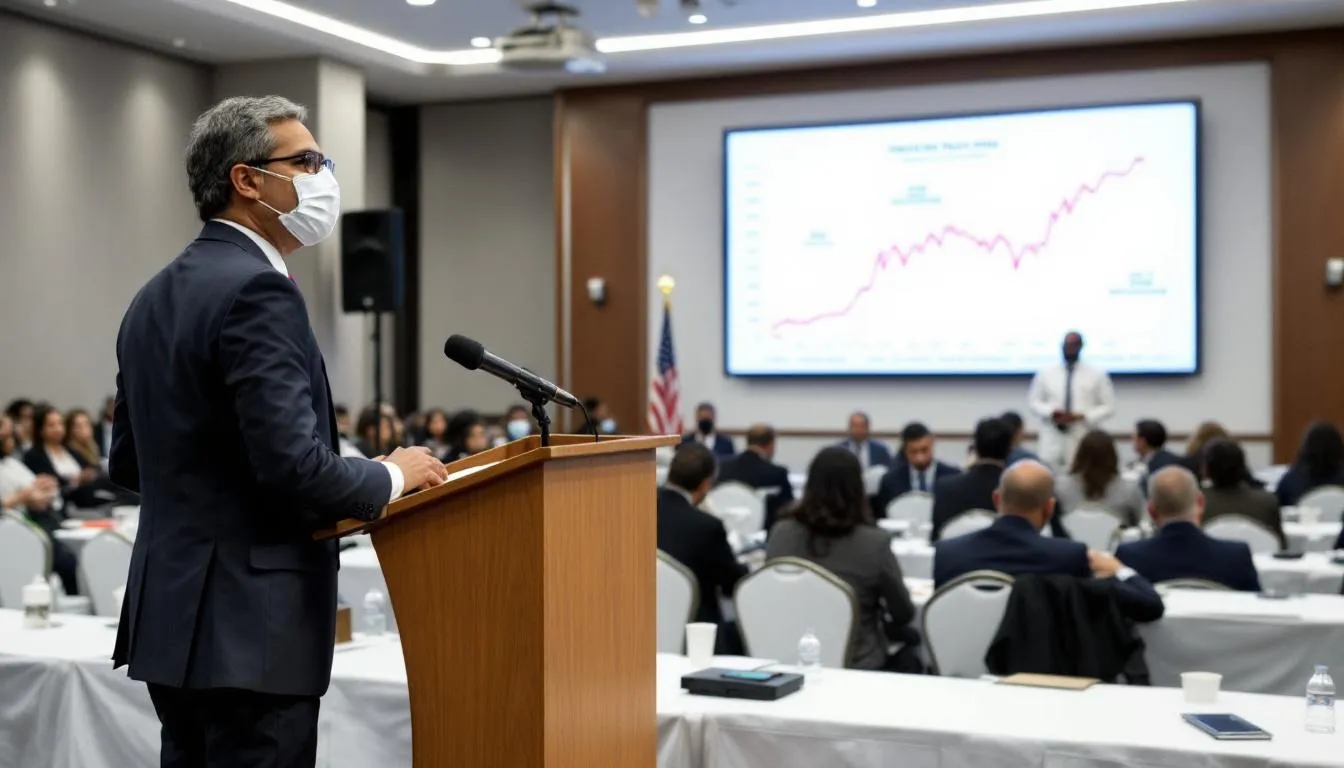
Varma’s leadership during the pandemic exemplified the critical role that public health officials play in translating complex epidemiological data into actionable policy. His approach, grounded in the best available science and informed by years of experience with global disease outbreaks, helped shape not only New York City’s response but also influenced pandemic strategies across the United States and beyond.
Dr. Jay Varma’s Leadership Role in NYC’s COVID-19 Response
Dr. Varma’s appointment as senior advisor for public health came at a crucial moment when New York City faced overwhelming COVID-19 transmission rates and a healthcare system pushed to its breaking point. Arriving in April 2020, he immediately assumed responsibility for coordinating the city’s comprehensive pandemic response strategy, working directly with city hall to integrate scientific expertise into municipal policy-making during the crisis.
His central role encompassed developing testing protocols, implementing contact tracing programs, designing school reopening strategies, and later orchestrating vaccine distribution campaigns. Throughout his tenure, which extended through the city’s recovery phases, Varma served as the primary architect of New York City’s data-driven approach to pandemic management, ensuring that policy decisions remained anchored in epidemiological evidence rather than political expediency.
The timeline of his involvement spanned the most critical phases of the pandemic response, from the initial surge that overwhelmed hospitals in spring 2020 through the Delta variant wave in 2021. His integration of scientific expertise with municipal policy-making became a model for other cities grappling with similar challenges, demonstrating how public health leadership could effectively guide government decision-making during a complex health emergency.
Scientific Background and Epidemiological Expertise
Dr. Jay Varma brought exceptional credentials to his role in New York City’s COVID-19 response, built on a foundation of rigorous academic training and extensive field experience. His educational background includes a Harvard undergraduate degree and medical training at UC San Diego, followed by specialized training through the Centers for Disease Control and Prevention’s prestigious Epidemic Intelligence Service, where he developed expertise in disease outbreak investigations and epidemiological analysis.
Prior to the pandemic, Varma had already established himself as a leader in infectious disease control through his work with the CDC, where he spent over two decades addressing global health challenges. His international experience included leadership roles in responding to HIV/AIDS, tuberculosis, malaria, Zika, and measles outbreaks, providing him with deep expertise in pandemic prevention and emergency health strategy across diverse settings from Southeast Asia to Africa.

His previous roles within the New York City health department included deputy commissioner positions where he gained firsthand experience managing urban health challenges. This background proved invaluable when he later faced the unprecedented scale of COVID-19, as he could draw on established relationships within the city’s public health system and proven experience with complex disease control operations.
Varma’s track record with prior health emergencies, including responses to Ebola outbreaks, measles cases, and Legionnaires’ Disease incidents, demonstrated his ability to coordinate rapid, evidence-based responses under pressure. His international experience with the Africa CDC and various pandemic prevention initiatives had honed his skills in building surveillance systems and coordinating multi-stakeholder responses, capabilities that would prove essential during the COVID-19 crisis.
Data-Driven Testing and Contact Tracing Infrastructure
One of Dr. Varma’s most significant contributions to New York City’s COVID-19 response was the development of a comprehensive testing laboratory network that transformed the city’s diagnostic capacity. When he arrived in April 2020, the city was detecting only approximately 10% of actual COVID-19 infections due to severely limited testing infrastructure, a situation that required immediate and dramatic intervention.
Working with partners across the city’s healthcare system, Varma coordinated the rapid expansion of laboratory testing capacity, ensuring free and widespread access to COVID-19 testing throughout all five boroughs. The system was deliberately designed with equity as a central principle, with testing sites strategically located in neighborhoods at highest risk, particularly communities of color that had been disproportionately affected by the pandemic.
The implementation of citywide contact tracing programs represented another major infrastructure achievement under Varma’s leadership. The Test & Trace Corps, as it became known, represented an unprecedented municipal investment in disease surveillance, fielding thousands of case investigators and contact tracers who were deliberately recruited from the communities they served to foster trust and ensure culturally competent communication.
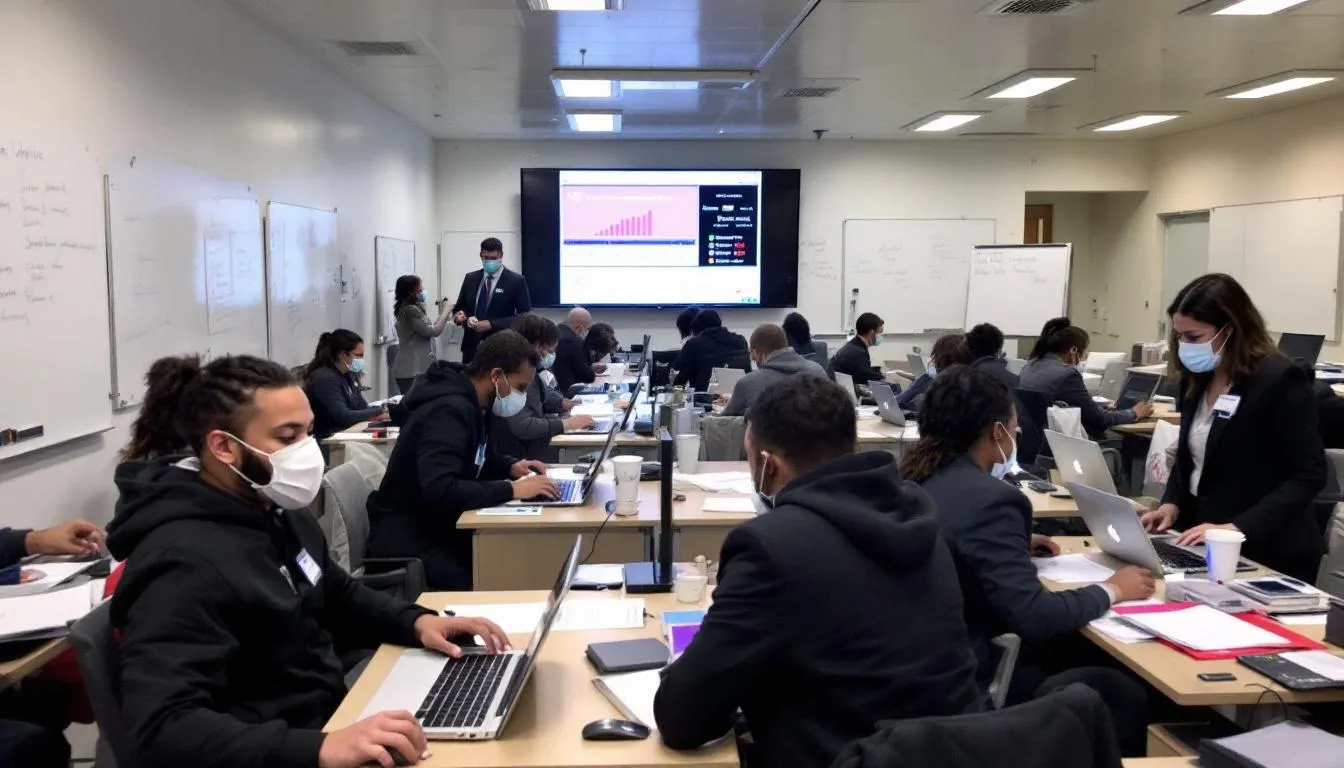
Beyond traditional testing and tracing, Varma pioneered the introduction of wastewater monitoring systems for early outbreak detection, allowing the city to identify emerging hotspots before clinical cases became apparent. This innovative surveillance approach, combined with genomic sequencing initiatives for variant tracking, created one of the most sophisticated real-time monitoring systems deployed by any major city during the pandemic.
The integration of real-time data analytics into public health decision-making became a hallmark of Varma’s approach, enabling dynamic adjustments to resource allocation and policy responses based on evolving epidemiological patterns. This data-driven methodology ensured that the city’s response remained nimble and evidence-based throughout the changing phases of the pandemic.
Evidence-Based School Reopening Strategy
Dr. Varma served as the principal architect of New York City’s public school COVID-19 safety protocols, developing what would become one of the most scientifically rigorous approaches to educational continuity during the pandemic. His strategy balanced the critical need to protect public health with the recognition that prolonged school closures carried significant educational and social costs, particularly for the city’s most vulnerable students.
The scientific studies that emerged from New York City’s school reopening experience, many of which Varma helped design and implement, provided crucial evidence demonstrating relatively low transmission rates in school settings when appropriate safety measures were maintained. These findings influenced national policy discussions and helped other school districts develop their own reopening strategies based on empirical evidence rather than speculation.

Central to the school safety strategy was the development of comprehensive testing programs specifically designed for educational facilities, including regular surveillance testing of students and staff, rapid response protocols for positive cases, and sophisticated contact tracing procedures adapted to school environments. These programs required coordination between the Department of Education, the Department of Health and Mental Hygiene, and numerous community partners.
Varma’s approach to balancing public health priorities with educational continuity needs exemplified his broader philosophy of evidence-based policy-making that considered multiple dimensions of community well-being. The publication of research validating school safety strategies provided transparent documentation of the city’s experience, contributing valuable data to the global understanding of how to maintain educational services during a pandemic while protecting students, families, and school personnel.
Vaccine Mandate Implementation and Public Health Policy
The strategic development of New York City’s vaccine mandate framework represented one of Dr. Varma’s most consequential policy contributions, establishing protocols that would later influence similar initiatives across the country. His evidence-based approach to phased business reopening protocols ensured that economic recovery efforts remained aligned with public health objectives, preventing premature reopening that could have triggered renewed outbreaks.
Varma’s coordination of vaccination campaigns targeted high-risk communities with particular attention to addressing historical healthcare disparities that had contributed to disproportionate COVID-19 impacts. The city’s vaccination strategy, developed under his guidance, prioritized both medical vulnerability and social equity, ensuring that communities most affected by the pandemic received priority access to vaccines while maintaining broad population coverage.
During the Delta variant surge, Varma’s advocacy for continued prevention measures demonstrated his commitment to following the science even when political pressure favored relaxing restrictions. His recommendations were consistently grounded in epidemiological data showing increased transmission risks, and his public communication helped New Yorkers understand the rationale behind evolving guidance as new variants emerged.
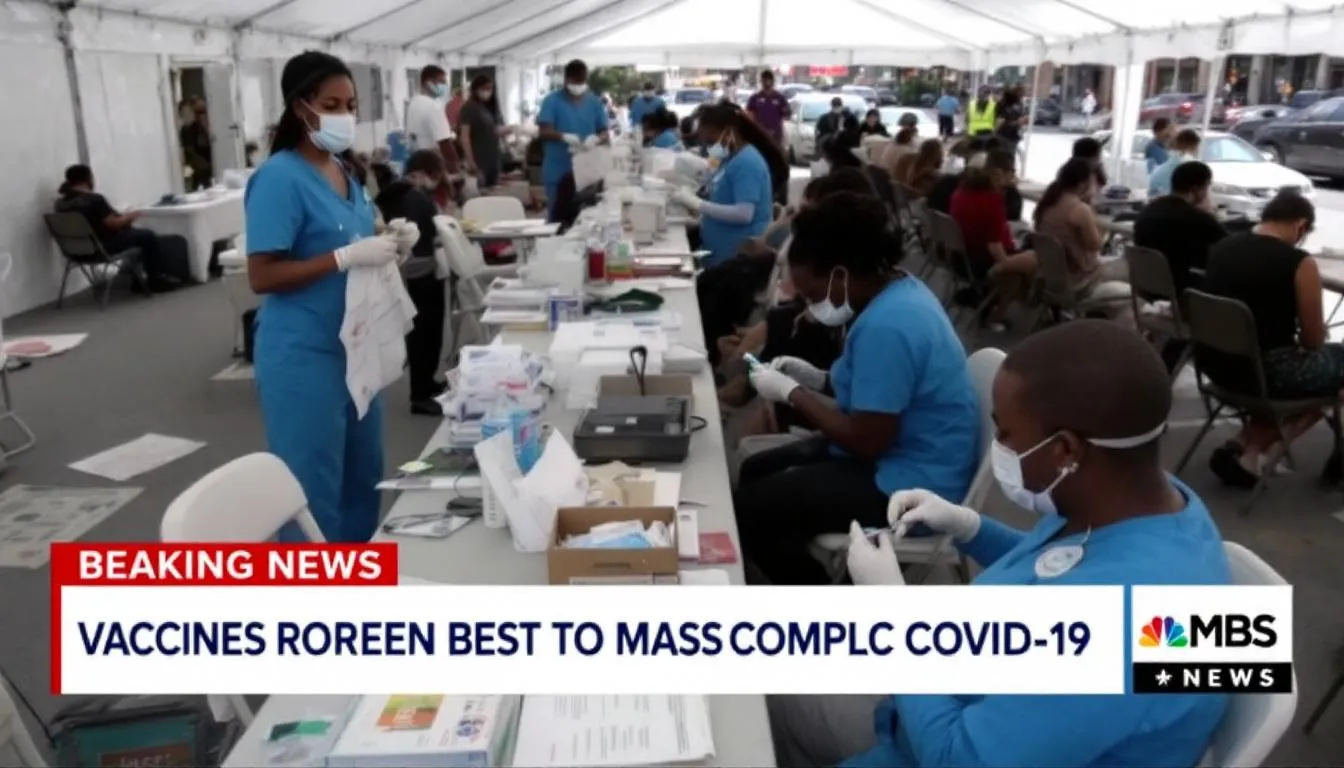
The integration of equity considerations into vaccine distribution strategies became a defining feature of New York City’s approach, with Varma ensuring that vaccination sites were located in communities with the greatest need and staffed by personnel who could communicate effectively with diverse populations. By July 2021, over 70% of adults in the city had received at least one vaccine dose, representing one of the highest vaccination rates among major American cities.
Crisis Management and Public Communication
Dr. Varma’s role in translating complex scientific data for public understanding became crucial as New Yorkers navigated rapidly changing information about COVID-19 transmission, treatments, and prevention strategies. His frequent appearances in numerous media outlets, including ABC News and the New York Daily News, helped maintain public trust by providing clear, honest communication about both what was known and what remained uncertain about the evolving pandemic.
The coordination between city agencies, healthcare systems, and federal authorities required navigating complex jurisdictional challenges while maintaining scientific integrity in policy recommendations. Varma’s experience with multi-stakeholder responses from his international work proved invaluable in managing these relationships and ensuring that New York City’s response remained coherent despite pressure from various political and administrative directions.
Managing public health messaging during evolving pandemic conditions required balancing transparency about scientific uncertainty with the need to provide clear guidance for public action. Varma’s approach emphasized honesty about the limitations of current knowledge while providing the best available recommendations based on existing evidence, a strategy that helped maintain the public’s confidence in official guidance even as recommendations evolved.
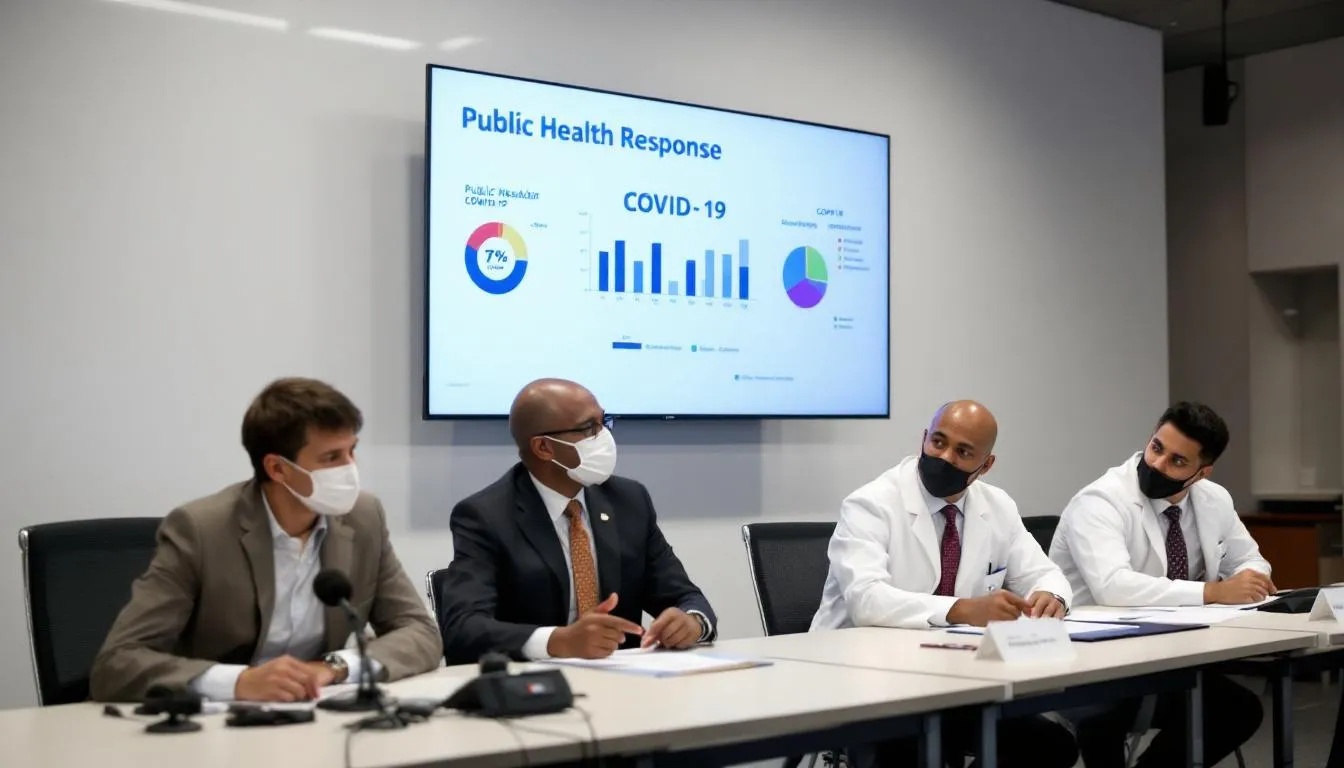
The challenge of balancing economic recovery needs with ongoing health safety requirements required sophisticated modeling and analysis to identify strategies that could support business operations while minimizing transmission risks. Varma’s team developed protocols for various sectors, from restaurants to entertainment venues, that provided specific guidance based on transmission risk assessments and community vulnerability factors.
National and Global Impact of NYC’s COVID-19 Response Model
New York City’s data-driven approach to pandemic management, developed under Dr. Varma’s leadership, influenced urban pandemic responses across the United States and internationally. Cities facing similar challenges looked to NYC’s experience with testing scale-up, contact tracing implementation, and equity-focused vaccination strategies as models for their own programs.
The contributions to national understanding of school safety during pandemics proved particularly significant, as other school districts adapted NYC’s protocols for their own use. The research published based on the city’s experience provided evidence that helped shape federal guidance on educational continuity during health emergencies, demonstrating how local innovation could inform national policy.
International recognition of New York City’s testing and surveillance innovations led to requests for technical assistance from cities worldwide facing COVID-19 outbreaks. Varma’s approach to wastewater monitoring and genomic sequencing became templates for other urban areas seeking to develop early warning systems for disease surveillance.
The lessons learned from New York City’s response shaped broader public health preparedness strategies, particularly regarding the importance of maintaining robust surveillance infrastructure and community-based response capacity. Varma’s experience demonstrated how cities could serve as laboratories for innovation in pandemic response, generating knowledge that benefits global public health security.
Dr. Varma’s continued influence on global pandemic prevention initiatives extends through his work with international organizations and his advocacy for strengthening disease surveillance systems worldwide. His $1 million grant from the Bill & Melinda Gates Foundation to assess global disease surveillance practices during COVID-19 aims to identify best practices that can inform future pandemic preparedness efforts.
Transition to Academic Leadership and Ongoing Contributions
Dr. Varma’s appointment to Weill Cornell Medicine and his establishment of the Center for Pandemic Prevention and Response represents a natural evolution of his career from frontline crisis management to long-term institutional capacity building. In his role as executive vice president and director of the center, he continues to advance evidence-based approaches to public health preparedness while training the next generation of leaders.
His academic research initiatives build directly on experiences gained during New York City’s COVID-19 response, focusing on practical applications of epidemiological science to real-world policy challenges. The center’s work emphasizes the integration of surveillance technology, community engagement strategies, and policy frameworks that can be rapidly deployed during future health emergencies.

The mentorship of next-generation public health leaders represents a key component of Varma’s current work, as he helps train physicians and epidemiologists who will face future pandemic challenges. His teaching emphasizes the importance of maintaining scientific rigor while developing practical skills in crisis communication and multi-stakeholder coordination.
Varma’s ongoing contributions to national and international pandemic preparedness efforts include advocacy for sustained investment in public health infrastructure and the development of practical preparedness protocols that can be implemented by governments at all levels. His work emphasizes that effective pandemic response requires consistent practice and adequate resourcing rather than emergency improvisation.
Through his academic platform, Varma continues to reject dangerous extremist efforts to undermine public health science, maintaining his commitment to evidence-based policy even when facing political pressure. His voice remains influential in national discussions about how to save lives during health emergencies while respecting democratic governance and community values.
The lessons from his leadership during New York City’s COVID-19 response continue to inform global discussions about urban pandemic preparedness, demonstrating how scientific leadership can effectively guide policy decisions during complex health crises. His ongoing research and advocacy work ensures that the innovations developed during the pandemic will contribute to improved preparedness for future health emergencies, helping keep Yorkers safe and protecting communities worldwide from the next pandemic threat.
Dr. Jay Varma’s leadership during New York City’s COVID-19 response exemplifies how scientific expertise, when effectively integrated with public policy, can guide communities through their greatest challenges while building stronger foundations for future resilience.