
Table of Contents
Published: September 29, 2025
Read Time: 3.5 Mins
Total Views: 333
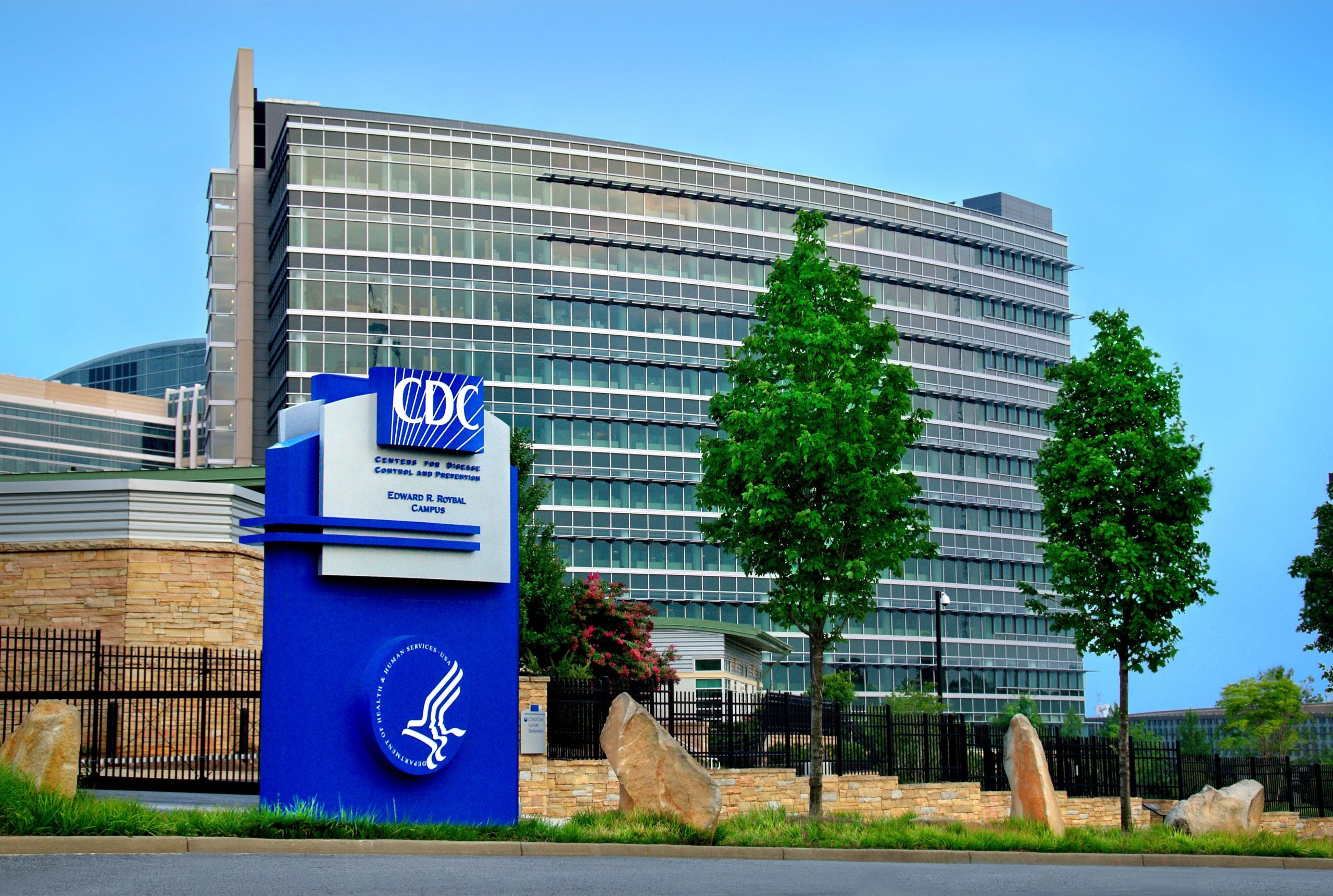 This is a brief overview of major news about CDC from the past week. In this overview, I will describe the major themes from news coverage and reference important insights and events within these themes.
Escalating Violence and Polarization Around CDC
Coverage this week reflected growing concern about the intersection of political extremism, anti-vaccine activism, and direct threats to CDC staff and public health institutions.
- The Trace reported on the reflections of a former CDC employee following the deadly August shooting at CDC headquarters. The article detailed how years of internal strain and external hostility culminated in tragedy.
- Mother Jones described how anti-vaccine activists held a rally on the exact site where an anti-vaccine gunman killed an officer last month, underscoring the symbolic targeting of CDC.
- Important Context documented how former Trump health officials repeatedly attacked mRNA vaccines and CDC credibility for years prior to the August shooting, framing the violence as the culmination of sustained disinformation.
Vaccine Policy Under RFK Jr.
Most headlines this week focused on Health Secretary Robert F. Kennedy Jr. and the sweeping changes his leadership is imposing on vaccine policy.
- PBS outlined twelve ways Kennedy has undermined vaccine confidence since taking office, including efforts to delegitimize scientific advisory processes.
- MSNBC reported that Kennedy appointed a long-time vaccine opponent as a CDC autism adviser, someone who has publicly claimed that every vaccinated child suffers harm.
- Politico analyzed how Kennedy could reshape vaccine recommendations by bypassing expert advisory committees.
- Washington Post identified five troubling themes from Kennedy’s new CDC vaccine advisers, highlighting the weakening of science-based decision-making.
- The Nation published a sharply critical piece describing Kennedy and Trump as presiding over “a massacre of the innocents,” linking reduced vaccine uptake to preventable illness.
Political Pushback Against RFK Jr.
Lawmakers and commentators responded to Kennedy’s policies with escalating political opposition.
- MedPage Today argued that Democrats should consider trading federal spending concessions in exchange for Kennedy’s resignation.
- The Hill reported on the introduction of the “Stop RFK’s BS Act” by a Michigan Democrat to curtail Kennedy’s authority.
- Fox News highlighted Rep. Stevens’ plan to introduce articles of impeachment, citing “health care chaos.”
- The Hill separately noted the filing of formal impeachment articles against Kennedy in the House.
- New York Times covered Kennedy’s rejection of United Nations global health goals, positioning his agenda in opposition to international consensus.
Federal and State Attacks on Public Health Institutions
Alongside Kennedy’s leadership, broader federal and state-level actions threaten to weaken CDC capacity and public health infrastructure.
- Healio interviewed experts about CDC’s major cuts to foodborne illness surveillance, raising concerns about future outbreak detection.
- CNBC reported that CDC removed more than a dozen webpages on sexual and gender identity and health equity, a rollback in public-facing information.
- WUSF explained how Florida Surgeon General Joseph Ladapo’s call to halt mRNA technology could hinder both vaccine innovation and broader medical research.
- KFF Health News described how public health workers face growing political threats, including looming mass firings at federal agencies.
- Guardian highlighted expert warnings that Trump administration cuts to CDC budgets could weaken responses to chronic illness and national security threats.
Other Developments in Federal Public Health
Beyond CDC, a few articles this week illustrated other aspects of the strained federal public health environment.
- Wired shared an oral history of federal employees involved in DOGE, reflecting on how morale and mission evolved under pressure.
- HHS press release announced the deployment of more than 70 Public Health Service officers to strengthen health care in tribal communities.

