
Table of Contents
Published: July 21, 2026
Read Time: 30.5 Mins
Total Views: 28
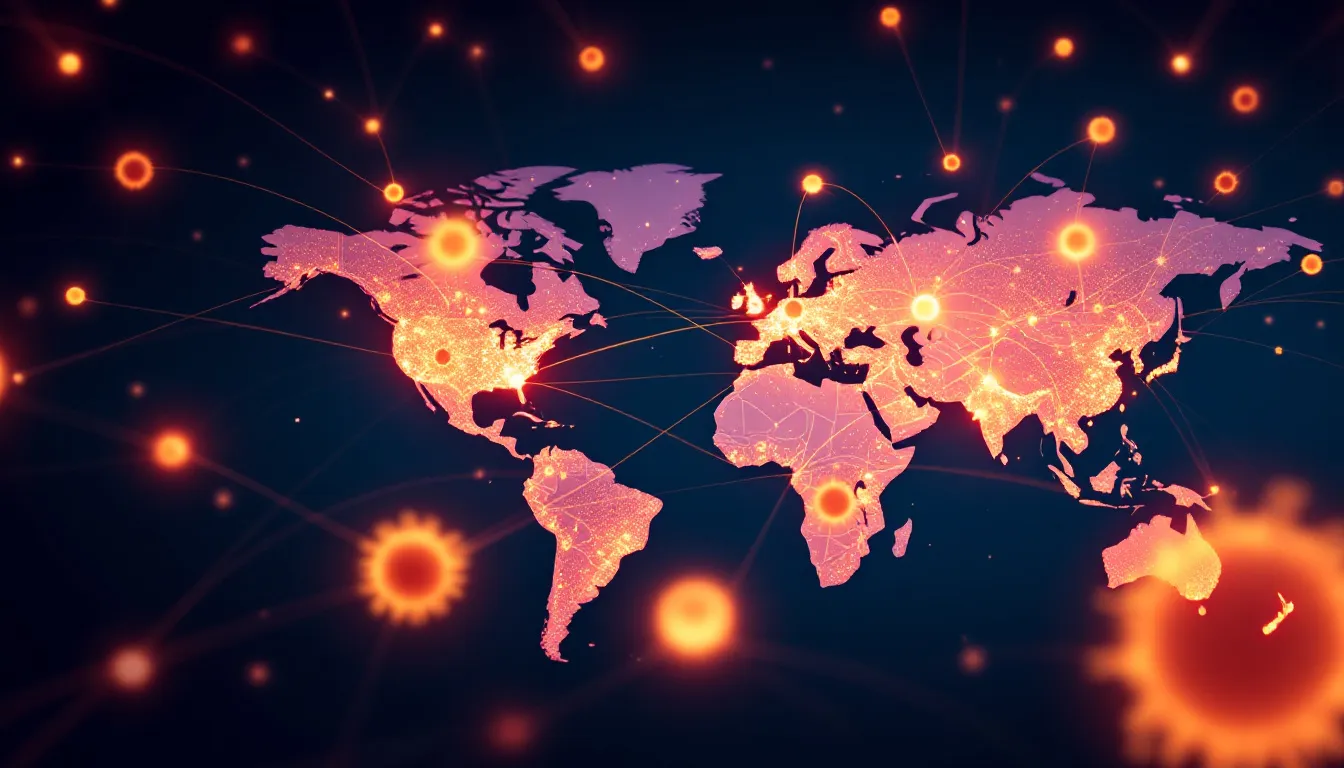
The emergence of sophisticated artificial intelligence tools has fundamentally transformed how health disinformation spreads across global networks, creating what experts now recognize as a new category of threat: the ai generated health crisis. When the world health organization identified an “infodemic” running parallel to COVID-19, few anticipated how artificial intelligence would soon weaponize health misinformation on an unprecedented scale, challenging the very foundations of global health security and international health regulations designed to protect people worldwide from acute public health events. This surge of AI-driven disinformation has also challenged existing public health systems and international cooperation, exposing vulnerabilities in transparency and equitable global health governance.
This technological evolution represents more than just an upgraded version of traditional misinformation; it constitutes a paradigmatic shift in how false health information is created, distributed, and weaponized. The ability of ai models to generate convincing medical content, create synthetic expert testimonials, and coordinate massive disinformation campaigns has introduced new variables into the complex equation of global health governance, forcing us to reconsider fundamental assumptions about information authenticity, public trust, and the mechanisms through which health systems protect populations from both biological and informational threats. The history of international health frameworks, shaped by colonial legacies and evolving social contexts, continues to influence how we address these challenges, while past approaches to information warfare inform current strategies. As disinformation tactics evolve, it is important to recognize the parallels to the Cold War era, when propaganda and covert information operations were used extensively by nation-states, highlighting the continuity and adaptation of information warfare strategies into the present day.
Understanding AI-Generated Health Crises
An ai generated health crisis emerges when artificial intelligence technologies are deliberately deployed to create, amplify, or manipulate false health information with sufficient sophistication and scale to influence individual and collective public health behaviors, ultimately contributing to measurable real-world health consequences. Unlike traditional health misinformation campaigns that relied on human-generated content and manual distribution networks, these crises leverage the unprecedented capabilities of modern ai models to produce content that is often indistinguishable from legitimate health guidance while being distributed through automated systems that can reach millions of people within hours.
The technological arsenal enabling these crises includes deepfake videos that can place fabricated words into the mouths of trusted health officials, large language models capable of generating convincing but entirely false research papers, synthetic audio systems that can replicate the voices of medical experts, and automated bot networks that amplify selected narratives across social media platforms. These tools, many of which have become accessible to non-state actors since 2022, represent a democratization of disinformation capabilities that was previously available only to well-resourced nation-states or sophisticated criminal organizations.
The distinction between traditional misinformation and AI-powered disinformation campaigns becomes apparent when examining specific cases that have emerged since the widespread deployment of advanced ai models. During the covid 19 pandemic, researchers documented instances of ChatGPT-generated false vaccine studies that appeared on preprint servers with sophisticated methodology sections and fabricated data sets, requiring expert medical knowledge to identify as fraudulent. Similarly, deepfake videos of health officials from various countries circulated on social media platforms, appearing to make statements contradicting official public health guidance, with production quality that would have required significant technical expertise and financial resources just a few years earlier. For example, in 2023, a widely shared deepfake video depicted a prominent European health minister falsely announcing the suspension of a national vaccination program, leading to a measurable drop in vaccination rates in the affected region. Another example involved a fabricated research paper, generated by an AI language model, that was cited by several online forums and news outlets before being debunked, illustrating the real-world impact of AI-driven health disinformation.
The scale of impact becomes clear when considering the world health organization’s identification of the “infodemic” as a parallel threat to the COVID-19 pandemic itself between 2020 and 2024. What began as human-driven misinformation campaigns evolved into AI-enhanced operations capable of generating personalized false health content in different languages, targeting specific cultural contexts and geographical regions with messages fine tuned to local concerns, fears, and social dynamics. This evolution has forced international health authorities to dedicate substantial resources to combating information threats that now endanger people’s health as directly as traditional biological agents.
AI-Driven Disinformation and Public Health Impact
The amplification of traditional health misinformation through artificial intelligence represents a fundamental escalation in both the sophistication and reach of false health narratives, transforming isolated conspiracy theories into coordinated campaigns capable of influencing public health outcomes at national and international levels. AI-driven disinformation has contributed to the securitization of pandemics, reframing them from public health challenges into security threats, which in turn influences policy decisions and international responses. This amplification occurs through multiple interconnected mechanisms: automated content generation that can produce thousands of variations on false health claims, targeted distribution algorithms that identify and exploit vulnerable populations, and coordination networks that synchronize messaging across platforms and geographical regions to create the appearance of organic, grassroots health movements.
Case studies from the covid pandemic reveal the devastating effectiveness of AI-generated false health claims in undermining evidence-based public health interventions. Research conducted during this period documented the circulation of fabricated research papers that appeared to demonstrate vaccine dangers, complete with sophisticated statistical analyses and references to non-existent clinical trials. These documents, generated by advanced language models and distributed through academic-appearing websites, required significant medical expertise to identify as fraudulent, meaning they often circulated widely before being debunked by health authorities.

The measurable impact on vaccination rates provides stark evidence of how AI-driven health disinformation translates into concrete public health consequences. A comprehensive analysis covering the period from 2019 to 2023 documented a 30% global rise in measles cases, with epidemiological investigation linking this increase directly to regions where AI-amplified anti-vaccine campaigns had achieved significant penetration. The correlation between exposure to AI-generated health misinformation and vaccine hesitancy proved particularly strong among parents in high income countries, where sophisticated targeting algorithms exploited specific cultural and political concerns to maximize message effectiveness.
The economic consequences of AI-driven health misinformation extend far beyond immediate healthcare costs, encompassing productivity losses, resource diversion, and long-term damage to health system effectiveness. Conservative estimates suggest that AI-driven health misinformation cost the United States healthcare system alone approximately $50 billion between 2020 and 2024, including costs associated with treating preventable diseases, conducting additional public health communications campaigns, and implementing technological countermeasures. These figures do not account for the broader economic impacts of reduced productivity due to vaccine-preventable illness or the costs associated with restoring public trust in health institutions.
Mechanisms of AI-Powered Health Disinformation
The technical infrastructure underlying AI-powered health disinformation campaigns relies on the convergence of several advanced technologies, each contributing unique capabilities that, when combined, create a threat ecosystem far more sophisticated than traditional misinformation operations. Large language models such as GPT-3 and GPT-4 serve as the content generation engine, capable of producing medical narratives that incorporate technical terminology, statistical references, and citation patterns that mimic legitimate health research while containing entirely fabricated information designed to support predetermined conclusions.
Deepfake technology represents perhaps the most psychologically powerful component of this technological arsenal, enabling the creation of synthetic videos featuring doctors, health officials, and medical researchers making statements they never actually made. These videos, generated using generative adversarial networks and other advanced machine learning techniques, can be produced with sufficient quality to deceive casual viewers while being distributed at scale through social media platforms. The psychological impact of seeing a trusted medical authority appear to endorse false health information cannot be overstated, particularly when the synthetic content is designed to exploit existing concerns or cultural sensitivities within target communities.
Automated bot networks powered by artificial intelligence coordinate the distribution and amplification of false health content across multiple platforms simultaneously, creating the appearance of organic community support for particular health narratives while actually representing coordinated manipulation campaigns. These networks can rapidly adapt their messaging strategies based on real-time feedback, testing different approaches to maximize engagement and identify the most effective angles for targeting specific demographic groups or geographical regions.
The generation of fake research papers and medical studies represents a particularly insidious application of AI technology, as these documents exploit the trust that both healthcare professionals and the general public place in scientific literature. AI-generated studies appearing on preprint servers include sophisticated methodology sections, fabricated data sets with realistic statistical patterns, and reference lists that combine real citations with non-existent sources, creating documents that require expert analysis to identify as fraudulent.
Documented Health Impacts
The transition from theoretical concern to documented public health impact occurred rapidly as AI-powered disinformation campaigns began achieving measurable effects on health-seeking behaviors, treatment compliance, and disease prevention efforts. Hospital systems in regions with high exposure to AI-generated anti-vaccine content reported increased hospitalizations for vaccine-preventable diseases, with pediatric wards seeing particular increases in measles, pertussis, and other childhood diseases that had been largely controlled through routine immunization programs.
Healthcare facilities themselves became targets of AI-generated misinformation campaigns designed to discourage people from seeking medical treatment during critical periods. False information about hospital capacity, treatment protocols, and safety measures spread through social media networks enhanced by AI amplification, leading to documented cases of delayed medical treatment that resulted in preventable complications and deaths. Emergency departments reported treating patients who had avoided seeking care for serious conditions due to fears instilled by AI-generated content about healthcare facilities and medical interventions.
The mental health impacts of AI-generated panic-inducing health content became particularly apparent during the 2020-2022 pandemic period, when sophisticated targeting algorithms identified individuals expressing health anxiety and systematically exposed them to content designed to exacerbate their fears. Mental health professionals reported increased rates of health-related anxiety disorders, with many patients specifically citing social media content that investigation later revealed to be AI-generated or AI-amplified misinformation.
Violence against healthcare workers linked to AI-amplified conspiracy theories emerged as a global phenomenon, with documented incidents in countries including India, Brazil, and the United States. In these cases, AI-generated content created compelling narratives that portrayed healthcare workers as participants in deliberate harm against local communities, leading to physical attacks, threats, and harassment that forced some healthcare facilities to implement additional security measures and some medical professionals to relocate.
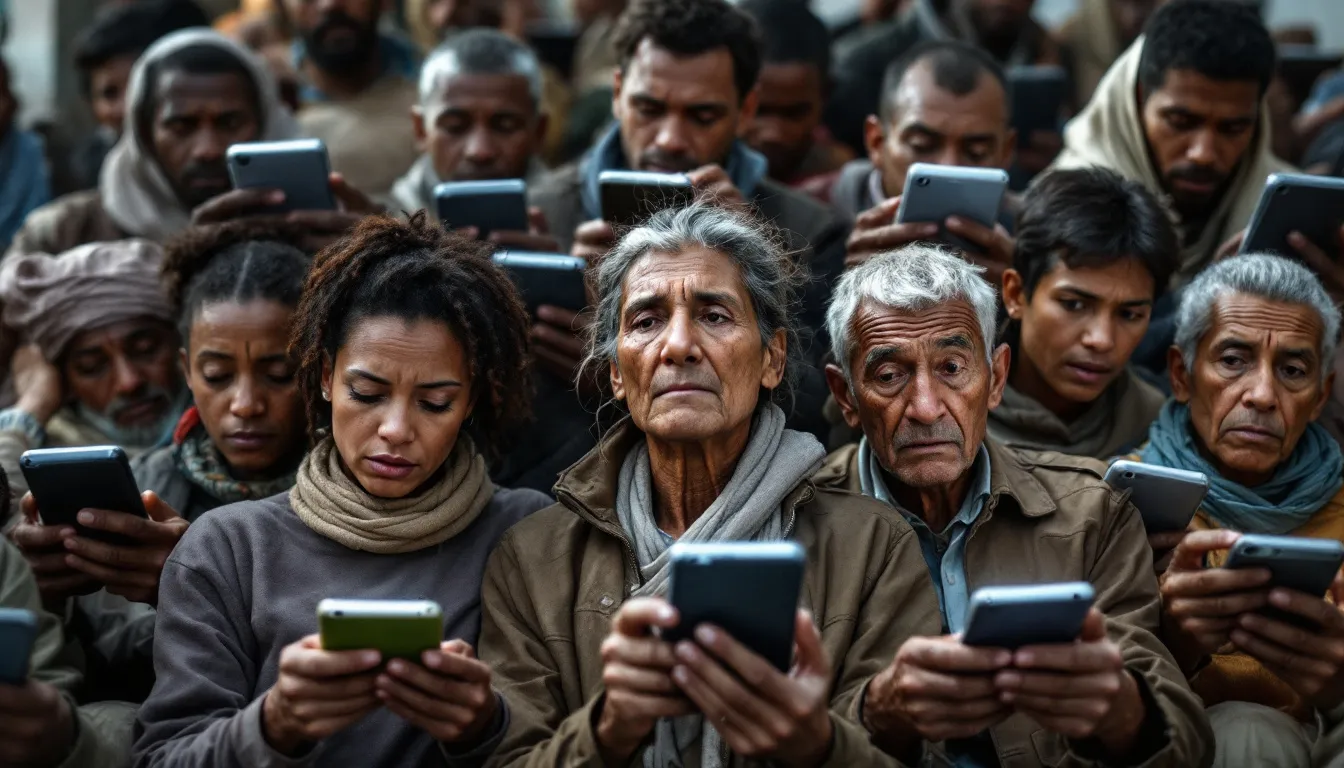
Preventable disease outbreaks in communities targeted by AI-driven health misinformation campaigns provide perhaps the most direct evidence of how artificial intelligence can be weaponized to create real-world health crises. Epidemiological investigation of these outbreaks consistently revealed patterns of exposure to AI-generated content that undermined confidence in proven public health interventions, creating pockets of vulnerability that enabled the rapid spread of infectious disease outbreaks that should have been contained through routine prevention measures.
Geopolitical Risks and State-Sponsored AI Health Disinformation
The weaponization of artificial intelligence for health disinformation represents a new frontier in international conflict, where nation-state actors leverage AI technologies to undermine the health security of rival countries through information warfare rather than traditional biological weapons. Other nations have also weaponized online falsehoods to influence or destabilize foreign societies and political systems, emphasizing the international dimension of information warfare. This evolution reflects a sophisticated understanding of how modern societies depend on public trust in health institutions, making health disinformation an attractive vector for achieving strategic objectives while maintaining plausible deniability and avoiding direct military confrontation.
Intelligence analysis has identified several nation-state actors as primary drivers of AI-enhanced health disinformation campaigns, with Russia, China, Iran, and North Korea each developing distinct approaches that reflect their broader strategic objectives and technological capabilities. Russian operations, building on the established “firehose of falsehood” strategy, have been enhanced with AI tools during the covid 19 pandemic to create more sophisticated and targeted health misinformation campaigns designed to undermine confidence in Western medical institutions and vaccines while promoting alternative narratives that serve Russian geopolitical interests.
Chinese AI-generated content operations have focused particularly on undermining confidence in Western vaccine efficacy while promoting traditional Chinese medicine alternatives and Chinese-manufactured health products. These campaigns demonstrate sophisticated understanding of target audiences, using AI to generate culturally appropriate content in multiple languages that appears to originate from local sources while actually representing coordinated state-sponsored messaging designed to advance Chinese economic and political objectives in global health markets.
US intelligence reports documenting foreign AI-powered influence operations targeting American public health infrastructure reveal the scope and sophistication of these efforts, which include attempts to manipulate public opinion regarding vaccine safety, medical research credibility, and government health policy. These operations represent a form of asymmetric warfare that allows less powerful actors to inflict significant damage on more technologically advanced societies by exploiting the very information systems and democratic institutions that characterize modern high-income countries.
The economic dimensions of AI-generated health disinformation campaigns extend beyond immediate health costs to encompass broader impacts on global supply chains, pharmaceutical markets, and international trade relationships. When AI-enhanced misinformation campaigns successfully undermine confidence in particular medical products or treatments, the resulting market disruptions can affect manufacturing, distribution, and research investment decisions that ripple through the global economy, creating strategic advantages for competitors while imposing costs on targeted nations.
Cyber-Bio Warfare Evolution
The integration of artificial intelligence into health disinformation represents the emergence of what security analysts characterize as fifth-generation biowarfare, combining cyber capabilities, AI technologies, and natural disease dynamics to create hybrid threats that transcend traditional categories of biological weapons and information warfare. This evolution reflects the recognition that in interconnected, information-dependent societies, the ability to manipulate health-related information and behaviors can achieve strategic objectives comparable to traditional biological weapons while avoiding many of the technical, legal, and ethical constraints associated with developing and deploying actual biological agents.
The COVID-19 coronavirus outbreak served as an inadvertent testing ground for AI-enhanced information warfare capabilities, with major powers experimenting with different approaches to using artificial intelligence to shape health narratives, influence public policy decisions, and advance strategic objectives through health-related information manipulation. The pandemic period demonstrated how AI could be used to amplify existing social divisions, undermine international cooperation, and create sustained confusion about evidence-based health interventions, providing valuable lessons for future applications of these technologies.
Intelligence community assessments have elevated AI-powered health disinformation to the level of national security threat, recognizing that sophisticated campaigns can achieve effects comparable to traditional weapons of mass destruction in terms of their ability to cause widespread harm, disrupt social order, and undermine government effectiveness. Unlike biological weapons, which require significant technical expertise and resources to develop and deploy, AI-powered health disinformation campaigns can be conducted by relatively small teams with access to commercially available AI models and social media platforms.
The comparison to traditional biological weapons reveals both the advantages and limitations of AI-powered health disinformation as a strategic tool. While these campaigns offer greater reach, plausible deniability, and lower technical barriers than biological weapons development, they also depend on target population characteristics such as social media usage, information literacy levels, and existing trust in health institutions, making their effectiveness variable across different cultural contexts and political systems.
International law has struggled to address AI-powered health disinformation, as existing frameworks for biological weapons, information warfare, and cyber attacks do not adequately capture the hybrid nature of these threats. The absence of clear legal frameworks creates opportunities for actors to exploit legal gray areas while making it difficult for targeted nations to respond effectively through established international mechanisms.
International Security Implications
The strategic implications of AI-generated health crises extend beyond bilateral relationships to encompass multilateral security arrangements, international health cooperation frameworks, and global governance institutions that form the foundation of the current international system. Addressing these challenges requires action at the international level, with comprehensive policies and multilateral responses to ensure effective cross-border cooperation and global health governance. NATO’s consideration of Article 5 applicability to AI-generated health attacks represents a fundamental question about whether information warfare targeting public health constitutes an armed attack warranting collective defense measures, with implications for how military alliances adapt to emerging threat categories that blur traditional distinctions between military and civilian targets.
United Nations Security Council discussions regarding AI health disinformation as a threat to international peace during 2023 and 2024 reflect growing recognition that these campaigns can achieve effects comparable to traditional security threats while operating through information systems that cross international boundaries with minimal friction. The challenge of establishing international consensus on appropriate responses reflects deeper disagreements about information sovereignty, platform governance, and the balance between free expression and protection from harmful content.
The impact on international health cooperation represents perhaps the most concerning long-term consequence of AI-powered health disinformation campaigns, as these operations systematically undermine the trust and cooperation that enable effective responses to global health emergencies. When AI-generated content creates suspicion about the motives of international health organizations, the effectiveness of collaborative disease surveillance, vaccine distribution, and emergency response efforts can be significantly compromised, creating vulnerabilities that persist long after specific disinformation campaigns end.
Border closures and travel restrictions triggered by AI-amplified health panic demonstrate how these campaigns can achieve immediate geopolitical objectives by manipulating public perceptions of health risks. Throughout Europe and Asia, documented cases of travel restrictions implemented in response to AI-generated health scares reveal how sophisticated information manipulation can influence government policy decisions with consequences for international commerce, diplomatic relationships, and regional stability.
The targeted destabilization of developing nations through AI health disinformation campaigns represents a particularly concerning application of these technologies, as countries with limited technological resources for detecting and countering sophisticated information operations may be especially vulnerable to manipulation. These campaigns can undermine already fragile health systems, reduce confidence in international assistance programs, and create conditions for political instability that serve the strategic interests of sponsor nations while imposing devastating costs on target populations.

Detection and Mitigation Strategies
The world health organization’s global initiative to combat AI-generated health misinformation, launched in 2023, represents the most comprehensive international effort to address this emerging threat through coordinated detection, response, and prevention strategies. A recent report evaluating the effectiveness of these detection and mitigation strategies has provided crucial data that informs ongoing policy development and technological implementations. This initiative builds on existing frameworks for health emergency response while incorporating new capabilities specifically designed to identify and counter AI-generated content, including partnerships with technology companies, academic institutions, and national health authorities to create integrated systems for real-time monitoring and rapid response to health disinformation campaigns.
Technical solutions for detecting AI-generated health content have evolved rapidly as the sophistication of generative models has increased, creating an ongoing competition between detection and generation capabilities that security experts compare to traditional cybersecurity dynamics. Companies like Sentinel AI have developed specialized tools for identifying synthetic health content, using machine learning techniques to analyze linguistic patterns, consistency indicators, and metadata signatures that can reveal AI generation, though the effectiveness of these tools requires constant updating as new generation techniques emerge.
Government responses to AI health disinformation have varied significantly across jurisdictions, with the European Union’s Digital Services Act establishing some of the most comprehensive provisions for addressing AI-generated health content through platform accountability requirements, transparency obligations, and enforcement mechanisms. These regulations require major social media platforms to implement systems for detecting and removing AI-generated health misinformation while providing users with tools for reporting suspicious content and accessing authoritative health information.
Platform policies implemented by Meta, Google, TikTok, and other major technology companies reflect evolving approaches to balancing free expression concerns with public health protection, incorporating AI detection systems, content labeling requirements, and algorithmic adjustments designed to reduce the distribution of health misinformation while promoting authoritative sources. The effectiveness of these measures depends heavily on the ongoing efforts of platforms to invest in detection capabilities, collaborate with health authorities, and adapt their systems as new threats emerge.
International cooperation frameworks, including the G7 AI health security working group established in 2024, provide mechanisms for sharing threat intelligence, coordinating response strategies, and developing common standards for addressing AI-generated health crises. These collaborative efforts recognize that the cross-border nature of AI health disinformation requires coordinated international responses that can match the scale and sophistication of the threats while respecting different national approaches to information governance and platform regulation.
Early Warning Systems
The development of AI-powered detection systems capable of identifying synthetic health content in real-time represents a critical component of comprehensive defense strategies, requiring significant investment in both technological capabilities and human expertise to ensure that detection systems can keep pace with evolving generation techniques. These systems combine automated analysis of content characteristics with human oversight to ensure accuracy while minimizing false positives that could inadvertently restrict legitimate health communication.
The world health organization’s EPI-WIN platform has been enhanced with AI detection capabilities designed to provide rapid response to emerging health misinformation campaigns, integrating real-time monitoring of social media platforms, news sources, and scientific publications to identify suspicious patterns that may indicate coordinated disinformation efforts. This system enables health authorities to respond quickly to emerging threats while providing the public with authoritative information that can counter false narratives before they achieve widespread circulation.
Academic partnerships between institutions like the Stanford Digital Health Center and international health organizations have created research networks dedicated to understanding the evolving landscape of AI health disinformation, developing new detection techniques, and training healthcare professionals to recognize and respond to synthetic content. These collaborations combine technical expertise in artificial intelligence with deep understanding of health communication, public health practice, and the social dynamics that influence how health information spreads through communities.
Industry collaboration with technology companies has focused on developing watermarking and provenance tracking systems for AI-generated health content, creating technical standards that would enable the identification of synthetic content while preserving the privacy and security of legitimate users. These initiatives require careful balance between detection capabilities and user privacy, as well as international coordination to ensure that technical standards are compatible across different platforms and jurisdictions.
Investment in media literacy programs specifically targeting AI-generated health misinformation reflects recognition that technological solutions alone cannot address the full scope of the threat, requiring public education efforts that help individuals develop skills for evaluating health information, recognizing manipulation techniques, and accessing authoritative sources. These programs must be tailored to different demographic groups, cultural contexts, and technological literacy levels to ensure broad effectiveness across diverse populations.
Future Outlook and Preparedness
The projected evolution of AI health disinformation capabilities through 2030 suggests that current mitigation efforts represent only the beginning of a sustained technological and policy challenge that will require continuous adaptation as both offensive and defensive capabilities develop. Advances in generative AI technology, including more sophisticated language models, improved deepfake generation, and enhanced targeting algorithms, will likely create new categories of health disinformation that current detection systems cannot address, requiring sustained investment in research, development, and international cooperation to maintain effective defenses. The activities required to ensure global health security preparedness and response to AI-generated health crises include proactive surveillance, rapid response coordination, and ongoing evaluation of both technological and policy measures.
The integration of AI health crisis preparedness into the revision process for international health regulations represents a fundamental recognition that the regulatory frameworks governing global health security must evolve to address information threats alongside traditional biological hazards. This integration involves developing new categories of health emergencies, establishing protocols for international cooperation in responding to disinformation campaigns, and creating mechanisms for rapid information sharing that can enable coordinated responses to AI-generated health crises.
Investment priorities for global health security increasingly emphasize AI-specific threat mitigation, including funding for detection technology development, training programs for health professionals, and research into the public health impacts of synthetic health content. These investments must balance immediate operational needs with longer-term research and development requirements, ensuring that health systems can respond effectively to current threats while building capabilities to address future challenges as AI technology continues to evolve. It is also crucial to integrate climate change considerations into health security frameworks, as environmental changes can influence the emergence and spread of future health threats.
Regulatory frameworks needed to address AI-generated health crises at national and international levels must navigate complex questions about platform accountability, content moderation, and the balance between free expression and public health protection. These frameworks require careful consideration of different legal traditions, cultural values, and technological capabilities across countries, while ensuring that regulations can adapt to rapidly evolving technological capabilities without creating unintended barriers to legitimate health communication.

Building resilient health communication systems resistant to AI-powered disinformation campaigns involves strengthening the fundamental infrastructure through which health information reaches the public, including investment in trusted communication channels, training for healthcare professionals in digital communication, and development of rapid response capabilities that can counter false narratives with authoritative information. These systems must be designed to maintain effectiveness even when facing sophisticated manipulation campaigns that exploit existing social divisions or cultural concerns. The environment plays a significant role in the emergence and spread of health threats, so preparedness planning should also consider environmental factors that contribute to the risk of infectious disease outbreaks and other public health emergencies.
The reality of AI-generated health crises as a persistent feature of the global health landscape requires fundamental changes in how we approach public health communication, emergency preparedness, and international cooperation. Success in addressing these challenges will depend on our ability to match the pace of technological development with appropriate investments in defense capabilities, regulatory frameworks, and international cooperation mechanisms that can protect public health while preserving the benefits of AI technology for improving health outcomes worldwide.
The commitment required to address AI-generated health crises extends beyond government and health sector actors to encompass technology companies, academic institutions, civil society organizations, and individual citizens who must all play roles in creating resilient information environments that support evidence-based health decision-making. This collective effort represents one of the defining challenges of our time, testing our ability to harness the benefits of artificial intelligence while protecting ourselves from its potential to cause harm when misused by malicious actors seeking to undermine the foundations of global health security.
As we navigate this complex landscape, the focus must remain on protecting the most vulnerable populations from the harmful effects of AI-generated health misinformation while preserving the democratic values and open information systems that enable scientific progress and informed public discourse. The tools and strategies we develop to address these challenges will shape not only our response to current threats but also our capacity to maintain public health in an era of rapidly advancing artificial intelligence technology.
Health Security and International Regulations
Health security stands at the forefront of global priorities, with the World Health Organization (WHO) serving as a central pillar in the establishment and enforcement of international health regulations. The International Health Regulations (IHR 2005) provide a robust framework that guides countries in building and maintaining the core capacities necessary to safeguard public health across international boundaries. These regulations are designed to minimize the risk and impact of acute public health events—such as infectious disease outbreaks—that can rapidly cross geographical regions and threaten the well-being of people worldwide.
Effective health security relies on the ability of countries to detect, assess, and respond to emerging health threats in a timely and coordinated manner. This requires not only strong national health systems but also a commitment to ongoing efforts in collaboration, knowledge sharing, and resource mobilization among nations, international organizations, and other stakeholders. By working together, countries can enhance their collective ability to respond to global health emergencies, reduce the risk of diseases spreading across borders, and ensure that acute public health events do not endanger people’s health on a global scale.
The nature of health security is inherently dynamic, demanding continuous improvement of health systems, investment in new technologies, and the development of innovative methods to assess and manage risk. The aim is to create resilient systems capable of responding to both known and emerging threats, whether they arise from natural disease outbreaks or novel challenges such as AI-generated health disinformation. As the world becomes increasingly interconnected, the importance of international regulations and collaborative systems in protecting public health and security has never been greater.
Global Health Disparities: High Income Countries and Disinformation
While high-income countries often enjoy advanced health systems and better health outcomes, the global spread of disinformation presents a unique challenge that can deepen existing health disparities. Infectious disease outbreaks, such as those witnessed during the COVID-19 pandemic, have demonstrated that no country is immune to the risks posed by rapidly spreading false information. Disinformation can fuel fear, erode public trust, and undermine effective public health responses, increasing the risk of disease transmission not only within high-income countries but also across the globe.
High-income countries have a critical role to play in addressing the threat of health disinformation. By investing in public health education, expanding access to reliable health information, and supporting global health initiatives, these nations can help mitigate the impact of disinformation and promote health equity. The deployment of advanced AI models offers new opportunities to deliver personalized, accurate health information to people worldwide, especially in regions where access to healthcare and trustworthy information is limited.
Addressing disinformation is not just a domestic concern for high-income countries; it is a global responsibility. By leveraging their resources and technological capabilities, these countries can support efforts to reduce health disparities, improve global health outcomes, and protect people worldwide from the risks associated with misinformation. In a world where health threats and information flow freely across borders, a coordinated, global approach to combating disinformation is essential for safeguarding public health and reducing the risk of future disease outbreaks.
Ethical Considerations in AI-Driven Health Disinformation
As AI models become increasingly central to the fight against health disinformation, ethical considerations must remain at the core of their development and deployment. One of the primary challenges is ensuring that AI models are fine-tuned to account for different languages, cultural contexts, and geographical regions. Without careful attention to these factors, there is a risk that AI-driven solutions could inadvertently perpetuate or even exacerbate existing health disparities, particularly in communities that have historically been underserved or misrepresented.
Bias and error in AI models present additional risks, as inaccurate or culturally insensitive information can undermine public health efforts and endanger the well-being of individuals and communities. To mitigate these risks, it is essential to implement robust testing and ongoing evaluation of AI systems, ensuring that they deliver accurate, reliable, and contextually appropriate health information. Human oversight remains a critical safeguard, providing the necessary review and judgment to catch errors and prevent the spread of misinformation.
Ethical considerations also extend to the principles guiding the use of AI in public health. Respect for autonomy, non-maleficence, and beneficence should inform every stage of AI model development and deployment, ensuring that these technologies are used to promote the health and well-being of all people. By prioritizing transparency, accountability, and inclusivity, the global health community can harness the power of AI to improve health outcomes while minimizing the risk of harm from disinformation. In this way, ethical stewardship of AI models becomes a cornerstone of efforts to build trust, protect communities, and advance global health security.

