
Table of Contents
Published: July 14, 2026
Read Time: 39.2 Mins
Total Views: 157
Every medical decision, from a routine prescription to a pandemic response strategy, depends on data. When COVID-19 arrived in New York City in early 2020, our ability to respond effectively hinged on one critical factor: the quality and speed of our data collection systems. As I coordinated the city’s public health response, I witnessed firsthand how robust data collection in healthcare can mean the difference between containing an outbreak and watching it spiral out of control, between saving lives and losing them to preventable complications.
Healthcare data collection forms the backbone of modern medicine, yet many people—including some healthcare professionals—underestimate its profound impact on daily clinical care, population health, and medical research. This systematic process of gathering, recording, and analyzing health information shapes every aspect of our healthcare system, from the moment a patient schedules an appointment to the development of new treatments that will benefit future generations.
What Is Healthcare Data Collection and Why It Matters
Data collection in healthcare encompasses the systematic gathering, recording, and storage of patient information, clinical outcomes, and population health indicators. This process extends far beyond the traditional medical record; it includes everything from laboratory results and imaging studies to patient-reported outcomes and population surveys. The collected data serves multiple purposes: supporting individual patient care, advancing medical research, informing public health policy, and driving quality improvement initiatives across healthcare organizations.
The distinction between routine clinical data collection and research-focused data gathering is crucial for understanding the full scope of healthcare data systems. Routine clinical data collection occurs during standard patient care activities—documenting vital signs, recording diagnoses, tracking medications, and noting treatment responses. This information becomes part of the patient’s medical record and supports immediate clinical decision-making. Research-focused data collection, by contrast, involves structured protocols designed to answer specific scientific questions, often requiring additional patient consent and specialized data collection methods.

The evolution from paper-based records to electronic health records (EHRs) represents one of the most significant transformations in healthcare delivery. Historical medical records, handwritten on paper charts and stored in physical filing systems, limited our ability to analyze patterns, coordinate care across providers, or respond rapidly to emerging health threats. The digital revolution has fundamentally changed how we collect data, enabling real-time access to patient information across different healthcare settings and supporting advanced analytics that can identify disease patterns, predict complications, and optimize treatment protocols.
This transformation aligns with the principles of evidence-based medicine that emerged in the 1990s, establishing the foundation for clinical decisions based on systematic research evidence rather than tradition or intuition alone. Evidence-based medicine requires high quality data from diverse sources—randomized clinical trials, observational studies, and real-world evidence from routine clinical care. The ability to collect, analyze, and apply this evidence has revolutionized medical practice, leading to more effective treatments, improved patient outcomes, and reduced healthcare costs.
My experience managing New York City’s COVID-19 response illustrated the critical importance of robust data collection systems in public health emergencies. Our ability to track disease transmission, monitor hospital capacity, and guide policy decisions depended entirely on the quality and timeliness of data generated from multiple sources: emergency departments reporting syndromic surveillance data, laboratories providing test results, hospitals tracking bed availability, and contact tracing teams documenting exposure networks. Without these interconnected data collection systems, we would have been operating blindly during the most consequential public health crisis of our generation.
The Critical Role of Data in Modern Healthcare Delivery
Data collection shapes daily clinical decision-making for individual patients in ways that most people never see or fully appreciate. When a physician reviews a patient’s medical record before an appointment, they’re accessing years of collected data: previous diagnoses, medication histories, allergy information, laboratory results, and clinical notes from other providers. This comprehensive view enables more informed decisions about diagnosis and treatment, reduces the risk of harmful drug interactions, and ensures continuity of care across different healthcare settings.
Real-time patient monitoring through wearable devices, laboratory results, and vital signs has transformed how we detect and respond to clinical deterioration. Modern hospitals use sophisticated data collection systems that continuously monitor patients’ heart rates, blood pressure, oxygen levels, and other physiological parameters. These systems can automatically alert healthcare professionals to concerning changes, enabling rapid interventions that can prevent complications or save lives. The data collected from these monitoring systems also contributes to our understanding of disease progression and treatment effectiveness.
Clinical decision support systems represent another powerful application of collected data in daily healthcare delivery. These systems analyze patient data in real-time, comparing it against evidence-based guidelines and alerting healthcare providers to potential issues such as drug allergies, dangerous drug interactions, or recommended preventive care measures. For example, when a physician prescribes a medication, the system can instantly check the patient’s allergy history, current medications, and kidney function to ensure the prescription is safe and appropriate.

Population health management using aggregated data enables healthcare organizations to identify disease patterns and health disparities across their patient populations. By analyzing data from thousands of patients, healthcare systems can identify groups at high risk for specific conditions, target interventions to prevent complications, and measure the effectiveness of their care delivery. This population-level perspective complements individual patient care and enables more proactive, preventive approaches to health maintenance.
Quality improvement initiatives driven by outcome measurements and performance metrics depend entirely on systematic data collection. Healthcare organizations routinely measure and track indicators such as infection rates, readmission rates, patient satisfaction scores, and clinical outcomes. This data allows them to identify areas for improvement, implement targeted interventions, and monitor progress over time. Without robust data collection, quality improvement efforts would lack the evidence base necessary for meaningful change.
Supporting Clinical Care Teams
Immediate access to patient histories, allergies, and previous treatments across healthcare systems represents one of the most tangible benefits of modern healthcare data collection. When a patient presents to an emergency department, healthcare providers can quickly access their complete medical record, including recent laboratory results, imaging studies, and medication lists. This immediate access can be lifesaving when patients are unconscious or unable to communicate their medical history.
Coordination between specialists, primary care providers, and emergency departments depends on shared access to patient data. When a cardiologist adjusts a patient’s medication regimen, that information needs to be immediately available to the patient’s primary care provider, pharmacist, and any emergency department that might treat the patient in the future. Electronic health records enable this level of coordination, reducing the risk of conflicting treatments or missed information.
Tracking medication adherence, treatment responses, and side effects over time provides valuable insights for optimizing individual patient care. Pharmacy data can reveal when patients are not filling their prescriptions as prescribed, enabling healthcare providers to address barriers to adherence. Clinical notes documenting treatment responses help providers adjust dosages or switch to alternative medications when initial treatments prove ineffective.
Early warning systems for sepsis, heart failure, and other critical conditions exemplify how data collection can directly save lives. These systems continuously analyze multiple data streams—laboratory results, vital signs, medication administration records—to identify patients at risk for life-threatening complications. When the algorithm detects concerning patterns, it immediately alerts the healthcare team, enabling rapid interventions that can prevent organ failure or death.
Enabling Preventive Medicine
Vaccination tracking systems that prevent outbreaks and ensure immunization coverage rely on comprehensive data collection from multiple sources. Public health departments maintain immunization registries that track individual vaccination histories, identify children who are overdue for vaccines, and monitor community-wide vaccination coverage. During disease outbreaks, these registries enable rapid identification of susceptible individuals and targeted vaccination campaigns.
Cancer screening programs using population-based registries and follow-up systems demonstrate the power of systematic data collection for preventive care. These programs track which patients are due for mammograms, colonoscopies, or other screening tests, send automated reminders to patients and providers, and monitor follow-up of abnormal results. Research using data from these registries has led to improvements in screening guidelines and early detection strategies.
Chronic disease management through continuous glucose monitoring, blood pressure tracking, and lifestyle data collection enables more personalized and effective treatment approaches. Patients with diabetes can use continuous glucose monitors that provide real-time data about their blood sugar levels, allowing for more precise insulin dosing and better glycemic control. This patient-generated health data integrates with electronic health records to provide healthcare providers with detailed information about disease management between office visits.
Risk stratification models that identify high-risk patients for targeted interventions depend on comprehensive data collection from multiple sources. These models analyze factors such as medical history, laboratory results, medication adherence, and social determinants of health to predict which patients are most likely to experience complications or require intensive interventions. Healthcare organizations use these predictions to allocate resources more effectively and provide proactive care to those who need it most.
Types and Sources of Healthcare Data
Healthcare data collection encompasses both primary data gathered directly from patients and secondary data repurposed from existing sources. Primary data collection involves direct patient contact through surveys, clinical examinations, and interviews, providing detailed information about symptoms, experiences, and outcomes that may not be captured in routine clinical care. Secondary data utilizes information originally collected for other purposes, such as administrative claims data used for billing that can be analyzed to study treatment patterns and outcomes.
Real-world evidence from electronic health records, pharmacy records, and patient registries provides insights into how treatments perform outside the controlled environment of clinical trials. This type of data collection captures the complexity of real-world patient populations, including those with multiple chronic conditions, varying degrees of medication adherence, and diverse social circumstances that affect health outcomes.
Population surveillance data from the Centers for Disease Control and Prevention (CDC), state health departments, and international organizations like the World Health Organization provides the foundation for public health monitoring and response. These surveillance systems collect data on disease occurrence, risk factors, and health behaviors across entire populations, enabling the detection of disease outbreaks, monitoring of health trends, and evaluation of prevention programs.
Clinical Data Sources
Electronic health records (EHRs) serve as comprehensive repositories of patient information, integrating data from multiple sources into a single accessible platform. Modern EHR systems like Epic and Cerner collect and organize vast amounts of clinical data, including demographics, medical histories, diagnostic codes, medication orders, laboratory results, and clinical notes. These systems enable healthcare providers to access complete patient information instantly, support clinical decision-making, and facilitate communication between different members of the healthcare team.
Laboratory information systems containing test results, pathology reports, and diagnostic imaging generate enormous volumes of structured data that support both individual patient care and population health research. These systems automatically transmit results to healthcare providers, enable trending of laboratory values over time, and support quality control measures to ensure accurate and reliable testing. The integration of laboratory data with EHRs provides a comprehensive view of patient health status and treatment responses.
Pharmacy data including prescriptions, drug interactions, and adherence patterns offers valuable insights into medication management and patient outcomes. Pharmacy information systems track when prescriptions are filled, identify potential drug interactions, and monitor for duplicate therapy or contraindications. This data supports medication reconciliation efforts, enables assessment of treatment adherence, and provides evidence for optimizing medication regimens.

Wearable devices and mobile health apps collecting continuous physiological data represent a rapidly growing source of healthcare information. These devices can monitor heart rate, physical activity, sleep patterns, and other health indicators outside traditional healthcare settings, providing a more complete picture of patient health and behavior. The integration of this patient-generated health data with traditional medical records offers new opportunities for personalized medicine and remote patient monitoring.
Patient-reported outcome measures (PROMs) capturing quality of life and symptom severity provide essential information about treatment effectiveness from the patient’s perspective. These standardized questionnaires collect data about pain levels, functional status, emotional well-being, and treatment satisfaction that may not be apparent during clinical examinations. PROMs enable healthcare providers to better understand the impact of treatments on patients’ daily lives and adjust care plans accordingly.
Public Health Surveillance Systems
Notifiable disease reporting systems for infectious disease monitoring form the backbone of public health surveillance efforts. Healthcare providers and laboratories are required by law to report certain communicable diseases to public health authorities, providing early warning of potential outbreaks and enabling rapid response measures. These reporting systems have evolved from paper-based notifications to electronic reporting systems that provide real-time data transmission and automated case classification.
Vital statistics from birth certificates, death certificates, and marriage records provide fundamental demographic and health information for population health planning. Birth certificate data captures information about maternal health, birth outcomes, and infant characteristics that inform maternal and child health programs. Death certificate data provides information about causes of mortality and life expectancy that guides public health priorities and resource allocation.
Environmental health data including air quality, water safety, and foodborne illness investigations connects environmental exposures to health outcomes. These data collection systems monitor environmental hazards, track the occurrence of environmentally related diseases, and support efforts to prevent exposure to harmful substances. The integration of environmental health data with clinical and epidemiological data enables a more comprehensive understanding of factors affecting population health.
Healthcare-associated infection surveillance through the National Healthcare Safety Network provides standardized data collection and analysis of infections occurring in healthcare settings. This surveillance system enables healthcare facilities to track their infection rates, compare their performance to national benchmarks, and identify opportunities for improvement. The data collected through this system has led to significant reductions in healthcare-associated infections and improved patient safety.
Emergency department syndromic surveillance for outbreak detection uses real-time data from emergency departments to identify unusual patterns of illness that might indicate disease outbreaks or bioterrorism events. These systems analyze chief complaints, diagnostic codes, and other clinical data to detect increases in specific syndromes such as respiratory illness, gastrointestinal illness, or neurological symptoms. Syndromic surveillance provides early warning of potential public health threats before laboratory confirmation is available.
Benefits of Robust Healthcare Data Collection
Improved patient safety through medication error prevention and adverse event monitoring represents one of the most direct benefits of comprehensive healthcare data collection. Electronic prescribing systems that access patient allergy information, current medications, and laboratory results can prevent dangerous drug interactions and dosing errors. Adverse event reporting systems collect data about medication side effects, medical device failures, and other safety issues, enabling rapid identification of safety problems and implementation of corrective measures.
Enhanced clinical outcomes via evidence-based treatment protocols and personalized medicine depend on high-quality data from multiple sources. Clinical decision support systems use collected data to recommend evidence-based treatments, ensure adherence to clinical guidelines, and identify patients who might benefit from specific interventions. Precision medicine approaches use genomic data, clinical characteristics, and treatment response data to tailor therapies to individual patients, improving effectiveness and reducing side effects.
Cost reduction through elimination of duplicate tests, prevention of complications, and optimized resource allocation demonstrates the economic value of effective data collection. When healthcare providers have immediate access to recent laboratory results and imaging studies, they can avoid ordering unnecessary duplicate tests. Predictive analytics using collected data can identify patients at risk for complications, enabling preventive interventions that reduce the need for expensive emergency care or hospitalization.
Accelerated medical research enabling faster drug development and clinical trial recruitment benefits from comprehensive data collection systems that can identify suitable research participants and track treatment outcomes. Electronic health records can be used to identify patients who meet specific criteria for clinical trials, reducing the time and cost required for study recruitment. Real-world evidence from routine clinical care can supplement traditional clinical trial data, providing insights into treatment effectiveness in broader patient populations.
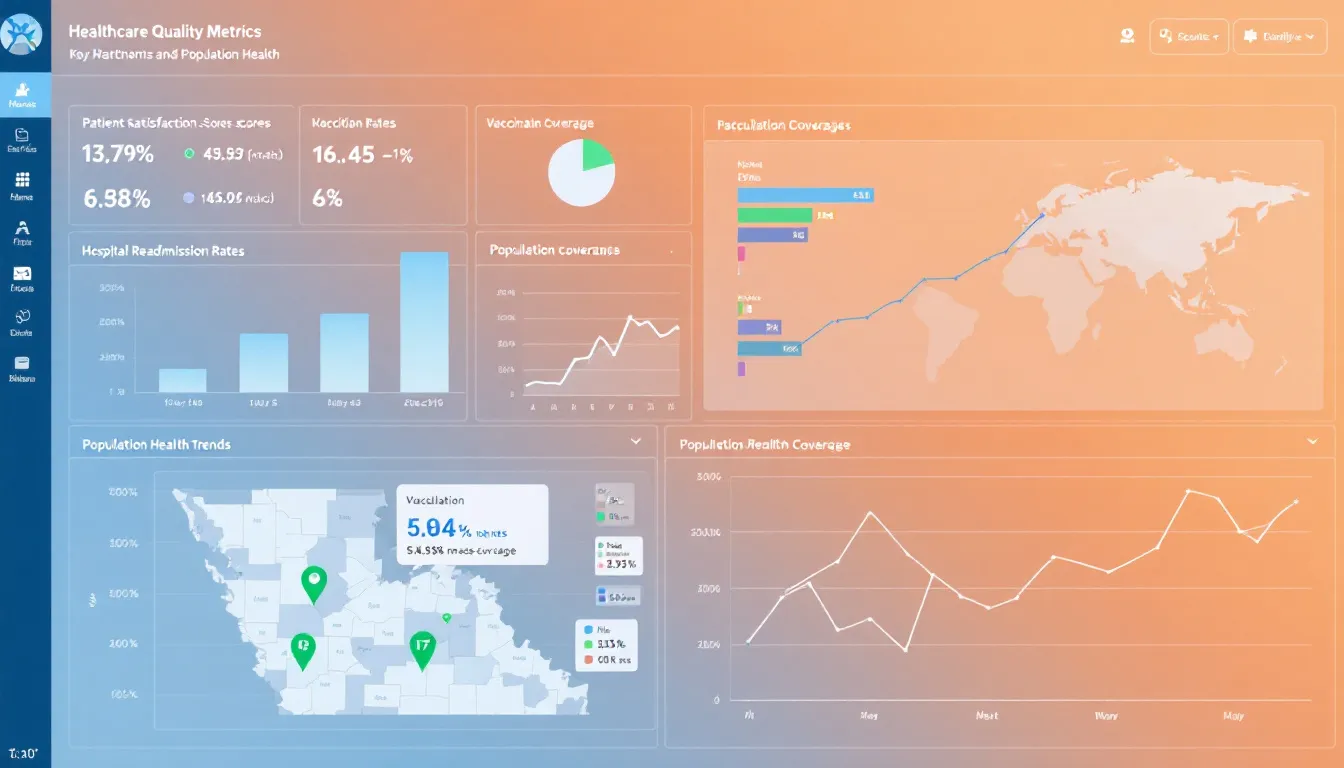
Public health protection through rapid outbreak detection and response coordination relies entirely on robust surveillance data collection systems. The COVID-19 pandemic demonstrated how real-time data collection from laboratories, hospitals, and public health agencies enabled rapid identification of cases, tracking of disease transmission, and coordination of response efforts. Without these data systems, public health officials would have been unable to monitor the pandemic’s progression or evaluate the effectiveness of control measures.
Population Health Improvements
Health equity advancement through identification and elimination of care disparities requires comprehensive data collection that captures demographic characteristics, social determinants of health, and clinical outcomes across diverse populations. Healthcare organizations use this data to identify groups that may be receiving suboptimal care, implement targeted interventions to address disparities, and monitor progress toward health equity goals. Quality measurement systems increasingly include measures of equity and require healthcare organizations to report on their performance in caring for vulnerable populations.
Chronic disease prevention programs targeting high-risk communities and individuals use population-level data to identify areas with high rates of diabetes, hypertension, heart disease, and other chronic conditions. Public health agencies use this information to allocate resources, develop targeted prevention programs, and partner with community organizations to address underlying risk factors. The success of these programs depends on ongoing data collection to monitor program effectiveness and adjust strategies as needed.
Maternal and child health monitoring reducing infant mortality and improving birth outcomes exemplifies how systematic data collection can drive improvements in critical health areas. Surveillance systems track indicators such as prenatal care utilization, birth weight, gestational age at delivery, and infant mortality rates. This data enables identification of high-risk populations, evaluation of intervention programs, and monitoring of progress toward national health objectives.
Mental health surveillance supporting suicide prevention and substance abuse treatment uses data from multiple sources to monitor the prevalence of mental health conditions, identify high-risk populations, and evaluate the effectiveness of prevention and treatment programs. Suicide surveillance systems collect data from death certificates, medical examiner reports, and healthcare records to identify risk factors and inform prevention strategies. Substance abuse monitoring systems track drug overdose deaths, emergency department visits, and treatment admissions to guide public health responses.
Healthcare System Optimization
Capacity planning for hospitals, ICUs, and specialty services based on utilization patterns enables healthcare organizations to allocate resources more effectively and reduce waiting times for patients. Data collection systems track bed occupancy rates, procedure volumes, and patient flow patterns to identify capacity constraints and optimize resource allocation. Predictive models using historical data can forecast future demand and guide decisions about staffing levels, equipment purchases, and facility expansion.
Workforce planning using data on provider shortages and patient demand projections helps healthcare organizations and policymakers address critical workforce needs. Data on provider supply, retirement patterns, and geographic distribution informs decisions about medical education funding, residency program development, and recruitment strategies. Patient demand projections based on demographic trends and disease prevalence guide workforce planning efforts and ensure adequate provider capacity for future needs.
Supply chain management for medications, medical devices, and personal protective equipment relies on data collection systems that track inventory levels, usage patterns, and supply disruptions. Healthcare organizations use this data to optimize inventory management, reduce waste, and ensure adequate supplies for patient care. During the COVID-19 pandemic, supply chain data became critical for managing shortages of personal protective equipment and ensuring equitable distribution of scarce resources.
Performance benchmarking allowing healthcare organizations to compare outcomes and best practices depends on standardized data collection and reporting systems. Organizations use benchmark data to identify areas where their performance lags behind peers, implement improvement initiatives, and monitor progress over time. Public reporting of performance data creates transparency and accountability, encouraging healthcare organizations to continuously improve their quality and safety performance.
Challenges and Risks in Healthcare Data Collection
Privacy breaches and cybersecurity threats affecting patient confidentiality and trust represent one of the most significant challenges facing healthcare data collection systems. The Health Insurance Portability and Accountability Act (HIPAA) establishes strict requirements for protecting patient privacy, but healthcare organizations continue to experience data breaches that expose sensitive patient information. Ransomware attacks on healthcare systems have become increasingly common, disrupting patient care and exposing millions of patient records to unauthorized access.
Data quality issues including incomplete records, coding errors, and inconsistent documentation undermine the reliability and usefulness of collected data. Healthcare providers often face time pressures that can lead to incomplete or inaccurate data entry, while complex coding systems for diagnoses and procedures create opportunities for errors. Poor data quality can lead to incorrect clinical decisions, flawed research conclusions, and ineffective policy decisions.
Interoperability problems preventing seamless data sharing between healthcare systems continue to limit the potential benefits of healthcare data collection. Despite significant investments in electronic health records, many systems cannot easily exchange data with each other, creating silos of information that hinder care coordination and limit the ability to aggregate data for research and quality improvement purposes. Different systems often use incompatible data formats, terminology, and technical standards.
Bias in data collection and analysis leading to health disparities and inadequate care for vulnerable populations represents a growing concern as healthcare organizations increasingly rely on data-driven decision-making. Historical patterns of discrimination and inequitable access to care can be perpetuated or amplified by biased algorithms and incomplete data collection. Underrepresentation of minority populations in clinical databases and research studies can lead to treatments that are less effective for diverse patient populations.
Provider burden from excessive documentation requirements reducing time for patient care has become a significant issue as healthcare organizations implement more comprehensive data collection systems. Healthcare providers report spending increasing amounts of time on documentation and data entry tasks, potentially reducing the time available for direct patient care. The complexity of modern EHR systems can create inefficiencies and frustration that may negatively impact provider satisfaction and patient interactions.
Privacy and Security Concerns
HIPAA compliance requirements and penalties for data breaches create significant responsibilities for healthcare organizations implementing data collection systems. Organizations must implement technical, administrative, and physical safeguards to protect patient information, conduct regular risk assessments, and train employees on privacy and security requirements. Violations can result in substantial financial penalties and reputational damage that can undermine patient trust.
Ransomware attacks on healthcare systems disrupting patient care and exposing sensitive information have increased dramatically in recent years. These attacks can shut down entire hospital systems, forcing providers to revert to paper records and potentially delaying critical patient care. Recovery from ransomware attacks can take weeks or months and cost millions of dollars, while the exposure of patient data can have lasting consequences for affected individuals.
Third-party data sharing risks with insurance companies, employers, and technology vendors create additional privacy concerns for patients and healthcare organizations. Many healthcare organizations share data with external partners for purposes such as quality improvement, research, and care coordination, but these relationships can create new vulnerabilities and potential conflicts of interest. Patients may not fully understand how their data is being shared or used by third parties.
Patient consent challenges in secondary use of data for research and quality improvement highlight the complexity of balancing data utility with privacy protection. While patients generally consent to have their data collected for their own care, they may not understand or agree to secondary uses of their data for research or quality improvement purposes. Obtaining meaningful consent for all potential uses of healthcare data is challenging given the complexity of modern data systems and the multiple purposes for which data may be used.
Data Quality and Bias Issues
Underrepresentation of minority populations in clinical databases and research studies perpetuates health disparities and limits the generalizability of research findings. Historical exclusion of women, minorities, and elderly patients from clinical trials has resulted in treatments that may be less effective or safe for these populations. Even routine clinical data collection may be biased if certain populations have less access to healthcare or are less likely to seek care from providers who participate in data collection systems.
Socioeconomic bias in healthcare access affecting the completeness of population health data creates significant challenges for understanding and addressing health disparities. Patients with limited financial resources may delay seeking care, receive care from providers with less sophisticated data collection systems, or have gaps in their medical records due to fragmented care. This can result in incomplete or biased data that may not accurately represent the health status and needs of vulnerable populations.
Geographic disparities in data collection capabilities between urban and rural healthcare systems can create additional biases in healthcare data. Rural healthcare providers may have less access to advanced EHR systems, fewer resources for data collection and analysis, and limited technical support for implementing sophisticated data systems. This can result in rural populations being underrepresented in healthcare databases and research studies.
Algorithmic bias in AI systems perpetuating healthcare inequities and discrimination represents an emerging concern as healthcare organizations increasingly use artificial intelligence for clinical decision-making. Machine learning algorithms trained on biased historical data may perpetuate or amplify existing disparities in care. For example, algorithms used for risk prediction may be less accurate for minority patients if the training data primarily represents white patients.
Technology and Innovation in Healthcare Data Collection
Artificial intelligence applications in automated data extraction, pattern recognition, and predictive analytics are transforming how healthcare organizations collect and use data. Natural language processing (NLP) systems can extract structured information from clinical notes, radiology reports, and other unstructured text, making this information more accessible for analysis and decision-making. Machine learning algorithms can identify patterns in large datasets that would be impossible for humans to detect, enabling new insights into disease mechanisms and treatment effectiveness.
Cloud computing solutions enabling secure data storage, backup, and disaster recovery provide healthcare organizations with scalable and cost-effective options for managing their data collection systems. Cloud-based systems can automatically backup data, provide redundant storage to prevent data loss, and enable rapid recovery from system failures. These solutions also enable healthcare organizations to access advanced analytics capabilities without investing in expensive on-site infrastructure.
Interoperability standards like HL7 FHIR (Fast Healthcare Interoperability Resources) facilitating seamless data exchange between systems represent a critical advancement in healthcare data collection. These standards enable different EHR systems to communicate with each other, allowing patients’ data to follow them as they move between healthcare providers. Improved interoperability reduces duplicate data entry, improves care coordination, and enables more comprehensive data analysis.

Blockchain technology for secure, tamper-proof health records and clinical trial data integrity offers potential solutions to some of the security and trust challenges in healthcare data collection. Blockchain systems can create immutable records of data transactions, ensuring that data has not been altered or corrupted. This technology may be particularly valuable for clinical research, where data integrity is critical for regulatory approval and scientific validity.
Internet of Things (IoT) devices providing continuous monitoring and real-time health data streams are expanding the scope and granularity of healthcare data collection. These devices can monitor patients’ vital signs, medication adherence, physical activity, and environmental exposures outside traditional healthcare settings, providing a more complete picture of health and disease. The integration of IoT data with traditional healthcare data creates new opportunities for personalized medicine and preventive care.
Emerging Data Collection Methods
Natural language processing (NLP) extracting structured data from clinical notes and radiology reports enables healthcare organizations to access valuable information that was previously locked in unstructured text. NLP systems can identify mentions of symptoms, diagnoses, medications, and other clinical concepts in free-text notes, making this information available for analysis and decision-making. Advanced NLP systems can even identify temporal relationships and contextual information that help interpret the clinical significance of documented findings.
Genomic sequencing data integration for precision medicine and pharmacogenomics applications represents one of the most promising areas of healthcare data collection innovation. As the cost of genomic sequencing continues to decline, healthcare organizations are beginning to integrate genomic data with traditional clinical data to guide treatment decisions. Pharmacogenomic data can help predict how patients will respond to specific medications, enabling more personalized and effective treatment approaches.
Social determinants of health data from community organizations, housing authorities, and social services provide critical context for understanding health outcomes and designing effective interventions. Healthcare organizations are increasingly recognizing that factors such as housing stability, food security, and educational attainment have profound impacts on health outcomes. Collecting and integrating this type of data requires new partnerships and data sharing agreements between healthcare organizations and community-based organizations.
Telehealth platforms generating new types of remote patient monitoring and virtual care data have expanded rapidly, particularly during the COVID-19 pandemic. These platforms collect data about patient symptoms, medication adherence, and health behaviors through video consultations, remote monitoring devices, and patient-reported outcome measures. The integration of telehealth data with traditional clinical data provides new insights into patient health and enables more flexible and accessible care delivery models.
Data Collection in Public Health and Epidemic Response
The COVID-19 pandemic provided unprecedented lessons about the critical importance of robust public health data collection systems for epidemic response. Our experience in New York City demonstrated how real-time surveillance data could guide policy decisions, allocate scarce resources, and monitor the effectiveness of public health interventions. Laboratory reporting systems that provided rapid test results, hospital capacity data that informed surge planning, and contact tracing systems that tracked disease transmission all proved essential for managing the pandemic response.
Global health security through international disease surveillance networks and data sharing agreements requires unprecedented coordination and standardization of data collection methods across countries and organizations. The World Health Organization’s Global Health Observatory collects and analyzes health data from countries around the world, enabling monitoring of global health trends and rapid detection of disease outbreaks that could threaten international security. These systems require substantial investments in data collection infrastructure and technical capacity, particularly in low-resource settings.
Climate change health impacts monitoring through environmental health data integration represents an emerging area of public health data collection that will become increasingly important in coming decades. Public health agencies are developing systems to monitor heat-related illness, air quality impacts on respiratory health, and vector-borne disease transmission patterns that may be affected by changing climate conditions. These systems require integration of environmental monitoring data with traditional health surveillance data.
Health emergency preparedness using predictive modeling and resource allocation algorithms depends on comprehensive data collection about healthcare system capacity, supply chains, and population vulnerability. Emergency preparedness systems collect data about hospital bed capacity, ventilator availability, pharmaceutical stockpiles, and healthcare workforce capacity to support rapid response to natural disasters, disease outbreaks, and other health emergencies.
Community health assessment data guiding local public health planning and intervention strategies enables public health agencies to understand the specific health needs and priorities of their communities. These assessments typically involve collecting data from multiple sources, including vital statistics, surveillance systems, healthcare providers, and community surveys. The data collected through these assessments informs strategic planning, resource allocation, and program development at the local level.
Infectious Disease Surveillance
Real-time laboratory reporting systems for rapid pathogen identification and antimicrobial resistance monitoring have become essential tools for controlling infectious disease outbreaks. These systems enable public health agencies to quickly identify unusual patterns of infection, track the spread of antibiotic-resistant organisms, and monitor the effectiveness of treatment protocols. Electronic laboratory reporting systems can transmit results to public health agencies within hours of testing, enabling rapid response to potential outbreaks.
Wastewater surveillance for early detection of community disease transmission represents an innovative approach to infectious disease monitoring that gained prominence during the COVID-19 pandemic. By monitoring sewage for viral genetic material, public health agencies can detect disease transmission in communities before clinical cases are identified through traditional surveillance methods. This approach provides early warning of outbreaks and can guide targeted testing and intervention strategies.
Healthcare worker exposure tracking and occupational health monitoring systems protect the health and safety of healthcare personnel who may be exposed to infectious diseases during the course of their work. These systems track healthcare worker exposures to infectious agents, monitor the effectiveness of personal protective equipment, and identify opportunities for improving infection control practices. Data from these systems informed safety protocols during the COVID-19 pandemic and continue to guide occupational health policies.
International travel-associated disease surveillance through border health screening programs helps prevent the international spread of infectious diseases. These systems collect data about travelers’ health status, travel history, and potential disease exposures to identify individuals who may be infected with dangerous pathogens. Border health screening data contributed to efforts to control the spread of COVID-19 and continues to monitor for emerging infectious disease threats.
Best Practices for Improving Healthcare Data Collection
Standardization of data collection methods, terminology, and reporting formats across healthcare organizations represents one of the most important strategies for improving the quality and utility of healthcare data. Standardized data elements enable meaningful comparison of outcomes across different providers and healthcare systems, facilitate research that combines data from multiple sources, and reduce the burden of data collection by eliminating redundant or conflicting requirements.
Staff training programs on proper data entry, privacy protection, and quality assurance procedures are essential for ensuring that healthcare data collection systems achieve their intended purposes. Healthcare providers and support staff need ongoing education about the importance of accurate data entry, the proper use of coding systems, and the requirements for protecting patient privacy. Training programs should emphasize how data quality affects patient care and provide practical guidance for improving data accuracy and completeness.
Patient engagement strategies to improve data accuracy and completeness through shared decision-making recognize that patients are important partners in the data collection process. When patients understand how their data will be used and how it can benefit their care, they are more likely to provide accurate and complete information. Patient portals and other tools that give patients access to their own data can help identify and correct errors while encouraging patient participation in data collection efforts.
Regular data audits and validation processes to ensure accuracy, completeness, and reliability should be standard practice for all healthcare data collection systems. These audits can identify patterns of missing or inaccurate data, evaluate the performance of data collection processes, and guide improvements to data quality. Automated data validation tools can identify potential errors in real-time, while manual chart reviews can provide more detailed assessments of data quality.
Investment in modern IT infrastructure supporting scalable, secure, and interoperable data systems requires significant financial commitments from healthcare organizations and policymakers. However, these investments are essential for realizing the full benefits of healthcare data collection. Organizations should prioritize systems that can grow with their needs, integrate with other systems, and provide robust security protections for sensitive patient information.
Building Trust and Transparency
Clear communication with patients about how their data will be used and protected is essential for maintaining public trust in healthcare data collection systems. Patients have a right to understand what data is being collected about them, how it will be used, who will have access to it, and what protections are in place to safeguard their privacy. Healthcare organizations should provide clear, understandable privacy notices and obtain meaningful consent for data collection and use.
Community engagement in data governance decisions affecting local populations ensures that data collection efforts reflect community values and priorities. Public health agencies and healthcare organizations should involve community representatives in decisions about what data to collect, how to collect it, and how to use it for community benefit. Community engagement can help identify potential unintended consequences of data collection efforts and build support for data-driven improvements to health and healthcare.
Regular public reporting of data collection outcomes, quality metrics, and improvement efforts demonstrates accountability and transparency in healthcare data systems. Healthcare organizations should regularly report on their data quality performance, describe how they are using data to improve care, and acknowledge limitations or challenges in their data collection efforts. Public reporting creates incentives for continuous improvement and helps build public confidence in healthcare data systems.
Ethical oversight committees reviewing data collection practices and research protocols provide important safeguards for protecting patient rights and ensuring that data collection efforts meet ethical standards. These committees should include diverse perspectives, including patient representatives, and should regularly review data collection policies and procedures to ensure they remain appropriate and effective.
The Future of Healthcare Data Collection
Integration of social determinants of health data with clinical records for comprehensive patient care represents one of the most promising directions for the future of healthcare data collection. Healthcare organizations are increasingly recognizing that factors such as housing, education, income, and social support have profound impacts on health outcomes. Collecting and integrating this type of data requires new partnerships with community organizations and innovative approaches to data sharing and privacy protection.
Precision medicine initiatives using genomic, environmental, and lifestyle data for personalized treatments will become increasingly common as the cost of genetic testing continues to decline and our understanding of gene-environment interactions improves. These initiatives require sophisticated data collection and analysis capabilities that can integrate multiple types of data and identify patterns that predict treatment responses. The integration of genomic data with traditional clinical data will enable more targeted and effective treatments for a wide range of conditions.

Global health data sharing platforms supporting pandemic preparedness and research collaboration will become increasingly important as we face the ongoing threat of emerging infectious diseases and other global health challenges. These platforms will require unprecedented levels of coordination and standardization across countries and organizations, as well as robust protections for privacy and data security. The COVID-19 pandemic demonstrated both the potential benefits and challenges of global health data sharing.
Patient-controlled data systems giving individuals ownership and control over their health information represent a fundamental shift in how we think about healthcare data governance. These systems would enable patients to decide who has access to their data, for what purposes, and under what conditions. While technically challenging to implement, patient-controlled data systems could help address some of the privacy and trust concerns that currently limit the potential of healthcare data collection.
Real-time health system monitoring enabling proactive interventions and continuous quality improvement will become standard practice as healthcare organizations develop more sophisticated data collection and analysis capabilities. These systems will be able to identify emerging problems before they affect large numbers of patients, predict resource needs before shortages occur, and optimize care delivery in real-time based on changing conditions.
Conclusion: Data as the Foundation of Modern Healthcare
Healthcare data collection serves as the essential foundation upon which modern medicine and public health are built. From the individual patient encounter where a physician accesses years of medical records to make an informed treatment decision, to the global surveillance networks that detect emerging pandemic threats, robust data collection systems enable evidence-based care, drive continuous improvement, and protect population health.
My experience leading New York City’s COVID-19 response reinforced my conviction that healthcare leaders must prioritize investment in robust, equitable, and secure data systems. The quality of our data collection directly determines our ability to respond to health emergencies, reduce disparities in care, and advance medical knowledge that benefits all patients and communities. We cannot afford to treat data collection as an afterthought or administrative burden; it must be recognized as a critical infrastructure investment that supports every aspect of healthcare delivery.
The challenges we face—privacy protection, data quality, interoperability, and bias—are significant but not insurmountable. They require sustained commitment, adequate resources, and collaborative efforts across the entire healthcare ecosystem. We must balance innovation with privacy protection, efficiency with equity, and technological advancement with human values. The future of healthcare depends on our collective commitment to developing data collection systems that serve all patients while maintaining the highest standards of privacy, security, and ethical conduct.
As we move forward, healthcare professionals, policymakers, and community leaders must work together to ensure that the enormous potential of healthcare data collection is realized in ways that benefit everyone. This means investing in modern infrastructure, training healthcare workers, engaging patients and communities in governance decisions, and maintaining unwavering focus on health equity. Only through such comprehensive efforts can we build the learning healthcare system of the future—one that continuously improves through evidence-based data collection and analysis, ultimately delivering better health outcomes for all.

