Table of Contents
Published: September 15, 2025
Read Time: 3.3 Mins
Total Views: 238
Inside Outbreaks: Ebola in Congo – Spillover, Spread, and the Fight to Contain It
In this episode of Inside Outbreaks on Thermometer, Dr. Jay Varma and Dr. Jon Epstein dive into a newly declared Ebola outbreak in Kasai Province, Democratic Republic of the Congo (DRC). With at least 68 suspected or confirmed cases and 14 deaths — including four among healthcare workers — this outbreak is a stark reminder of how dangerous Ebola remains and why global vigilance is critical.
🔗 Watch the full video: Ebola Outbreak in Congo Explained | Inside Outbreaks
What’s Different About This Outbreak
Genetic sequencing from DRC’s National Institute for Biomedical Research shows this is likely a new spillover event, meaning the virus jumped from wildlife into humans rather than being reignited from a previous survivor. This is significant: it highlights that Ebola’s natural reservoir — most likely bats — continues to pose a risk wherever humans and animals come into close contact.
Dr. Varma and Dr. Epstein explain how spillover happens:
- Bat reservoirs carrying Ebola infect humans directly or through an intermediate host.
- The “index case” may not be the first person identified, since early cases often die without being reported.
- Outbreaks then spread through two main pathways: unsafe funerals and exposure in healthcare settings lacking proper infection control.
Tools for Containment
The good news is that Ebola control capacity is stronger than ever:
- Backward contact tracing is used to find how the outbreak started.
- Forward contact tracing is used to identify and vaccinate all contacts and contacts-of-contacts before they get sick.
- 400 vaccine doses have already been released for ring vaccination around confirmed cases.
- Monoclonal antibody treatments are available for those infected, improving survival rates compared to past outbreaks.
Ebola as a Warning for Global Public Health
The conversation also highlights troubling developments in the U.S.:
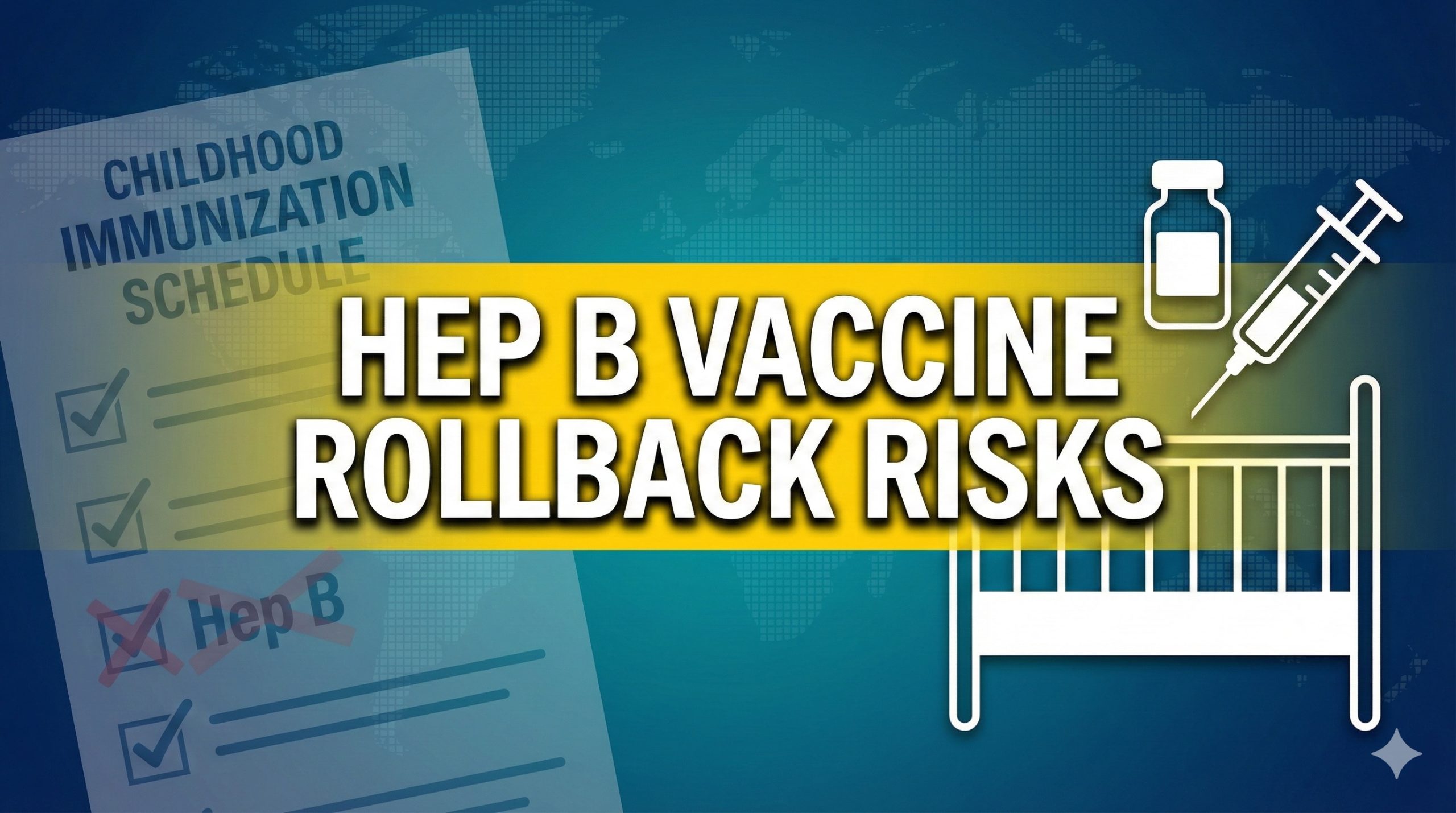
- Federal vaccine policy is being rolled back, with the CDC no longer recommending some vaccines for children and pregnant women.
- Senior CDC leaders have been fired, and federal messaging on vaccines has become politicized.
- States are weakening school vaccine mandates.
Dr. Varma warns that these changes risk making Americans sicker, leaving the public confused about which vaccines are safe and recommended. Diseases like measles and COVID do not respect state borders, and a patchwork of vaccine policies will undermine outbreak control.
What You Can Do
- Stay informed through professional societies like the American Academy of Pediatrics and CHOP’s Vaccine Education Center if federal guidance becomes unclear.
- Get vaccinated against flu and COVID this fall — both Dr. Varma and Dr. Epstein emphasize they will be boosting themselves and their kids.
- Support public health funding and advocacy to ensure outbreaks like this Ebola event stay contained overseas and do not threaten the U.S.
Key Takeaway: Ebola spillovers are inevitable, but large outbreaks are not. Strong public health systems, vaccination campaigns, and rapid response save lives. As the U.S. weakens its own public health infrastructure, it risks losing ground not just on Ebola preparedness, but on all infectious diseases.
Meta Description:
A deadly Ebola outbreak in Congo is a reminder that spillovers are inevitable but major epidemics are preventable with vaccines, tracing, and strong public health systems.
Primary Keywords:
Ebola, Ebola outbreak, Congo, Kasai Province, Ebola spillover, outbreak control, Ebola vaccine, contact tracing, zoonotic diseases, public health, outbreak response, H5N1, CDC, vaccine policy, epidemic preparedness, global health