Table of Contents
Published: December 1, 2021
Read Time: 3.3 Mins
Total Views: 326
Five Leadership Skills Public Health Officials Need for the Next Pandemic
As the Covid-19 pandemic unfolded, it revealed a critical truth: managing a public health crisis isn’t just about science and logistics—it’s about leadership. In an article for Harvard Business Review, Dr. Jay K. Varma, Dr. Theodore G. Long, and Dr. Dave A. Chokshi reflect on their leadership during New York City’s pandemic response and outline five essential skills that every public health leader must cultivate to meet the challenges of future crises.
1. Translate Science with Speed and Precision
Public health leaders aren’t just administrators—they’re translators of complex science. During the pandemic, information moved faster than peer review could keep up. Officials needed to read, assess, and communicate emerging data in real-time, sometimes before the rest of the scientific community could reach consensus. According to the authors, leaders must be able to say, “I read this study, and here’s what it means for our city,” not just defer to staff or experts.
2. Frame Decisions, Not Just Data
Evidence is essential, but policy demands more than data—it demands decisiveness. The authors describe how scientific training can hinder action, creating a paralysis of perfectionism. Effective public health leaders must weigh incomplete evidence, navigate uncertainty, and use structured frameworks to move from knowledge to action. They must also be aware of cognitive biases and make policy that balances public health with equity, feasibility, and societal values.
3. Think Big—and Ask Bigger
A scarcity mindset has long plagued public health. But, as the NYC team showed during Covid-19, bold thinking can unlock whole-of-government support. Their ambitious push for universal testing included creative partnerships, interagency coordination, and relentless advocacy. Leaders must be able to dream beyond their current budget—and have the courage to make “the big ask.”
4. Spend Political Capital Wisely
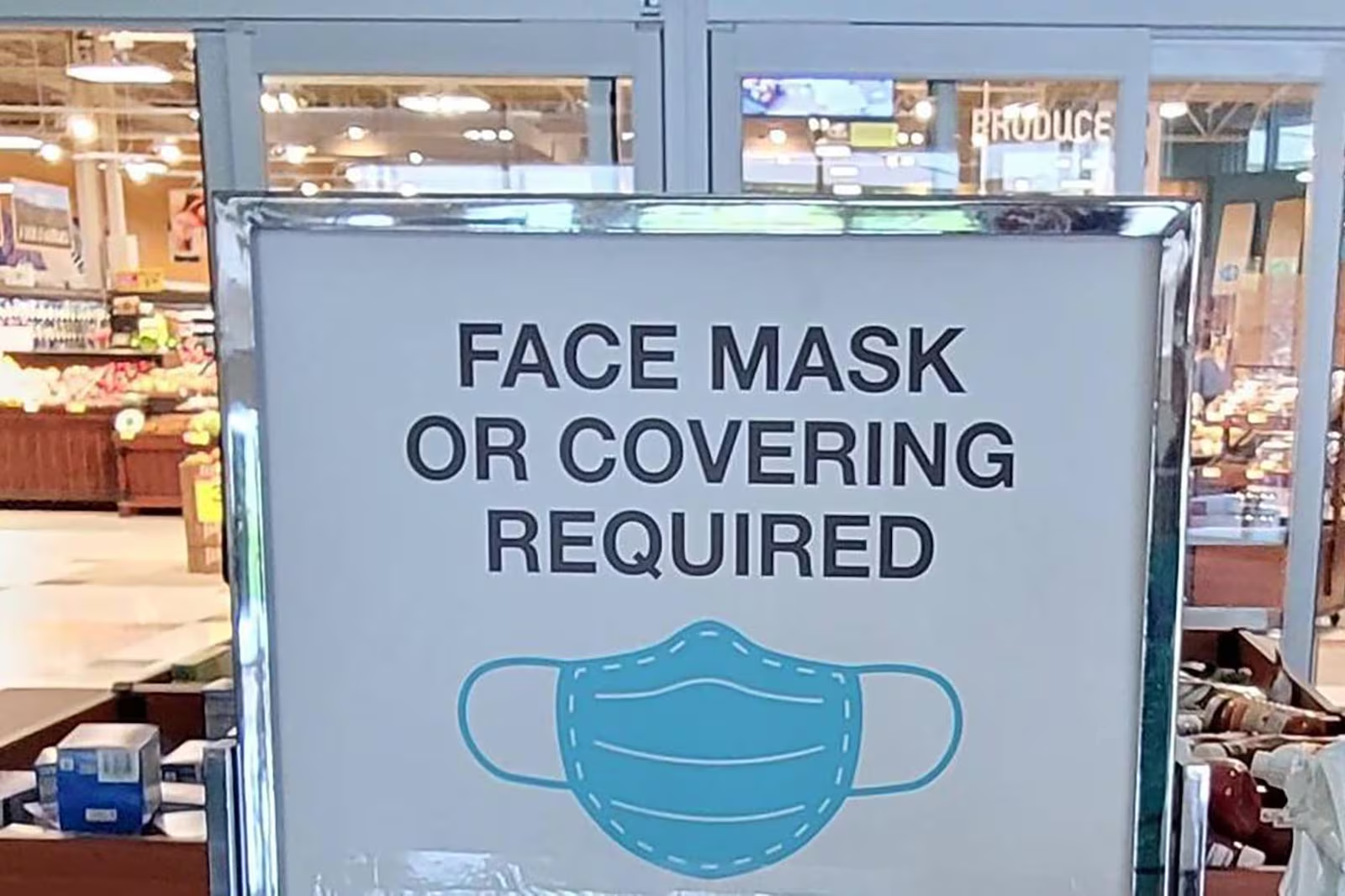
Pandemic decision-making involves tradeoffs. Push too hard on one issue, and you may lose credibility on another. The authors emphasize the importance of knowing when to hold firm and when to build consensus. During debates over masks and vaccine mandates, they chose to invest their influence where it would have the most impact—targeting vaccine uptake while allowing flexibility on masking to preserve public trust and implementation feasibility.
5. Think Like a Lawyer—From Day One
Nearly every Covid-era policy faced legal scrutiny. Whether it was defining “outdoor dining” or defending vaccine mandates, public health officials had to navigate constitutional challenges, regulatory constraints, and political power struggles. Leaders must understand legal concepts and collaborate closely with lawyers to ensure policies can survive legal tests without compromising public safety.
Building the Next Generation of Leaders
The authors argue that leadership training must evolve alongside epidemiologic tools. Graduate programs, CDC initiatives, and public health organizations must prioritize real-world leadership development—training future leaders not just in data analysis but in decision-making under pressure, public messaging, and legal literacy.
Future pandemics are inevitable. But failure doesn’t have to be. With the right leadership skills, public health officials can protect more lives, navigate political storms, and maintain public trust in the institutions designed to keep us safe.
Read the full article in Harvard Business Review:
👉 5 Skills Public Health Officials Need to Combat the Next Pandemic
By Dr. Jay K. Varma, Dr. Theodore G. Long, and Dr. Dave A. Chokshi. Published December 2, 2021