Table of Contents
Published: May 21, 2025
Read Time: 3.7 Mins
Total Views: 206
In Healthbeat, Dr. Jay Varma warns that measles — eliminated in the U.S. in 2000 — is once again on the rise, with hundreds of thousands to millions of cases possible if vaccine coverage continues to erode. Primary and urgent care clinics are on the front lines of detection and response, but most remain unprepared. Varma outlines the challenges of recognizing symptoms, strengthening infection control, ensuring vaccine and diagnostic supplies, and preparing policies for unvaccinated families.
Measles: A Resurgent Threat
After decades of progress, measles is staging a comeback in the United States. A JAMA study projects more than 850,000 cases in the next 25 years under current vaccination rates. A 10% decline could result in 11 million cases, and a 50% drop could unleash over 50 million cases and nearly 160,000 deaths.
Unlike other vaccine-preventable diseases, measles is uniquely poised to reestablish endemic transmission in the U.S. — a sobering reminder of the consequences of declining childhood vaccination and growing anti-vaccine sentiment.
Are Clinicians Ready?
For many U.S. physicians trained in the past three decades, measles is a disease they have never encountered. Its early symptoms — fever, cough, congestion, conjunctivitis — mimic other viral illnesses. Recognizing Koplik’s spots (tiny white oral lesions) and distinguishing rashes across skin tones are essential skills that have atrophied in training.
Measles also causes complications long after the initial infection, including encephalitis and “immune amnesia” that erases prior immunity, leaving survivors vulnerable to other infections. These realities demand renewed education for doctors and clinical staff.
Preparing the Front Line: Clinics and Staff
Front desk staff and medical assistants are often the first line of defense. They must be trained to identify febrile rash patients, apply airborne precautions, and move suspected cases into isolation quickly.
Covid-19 improved infection control in many clinics, but those protocols must now be re-examined. Varma advises:
- Screen patients before arrival for measles-compatible symptoms.
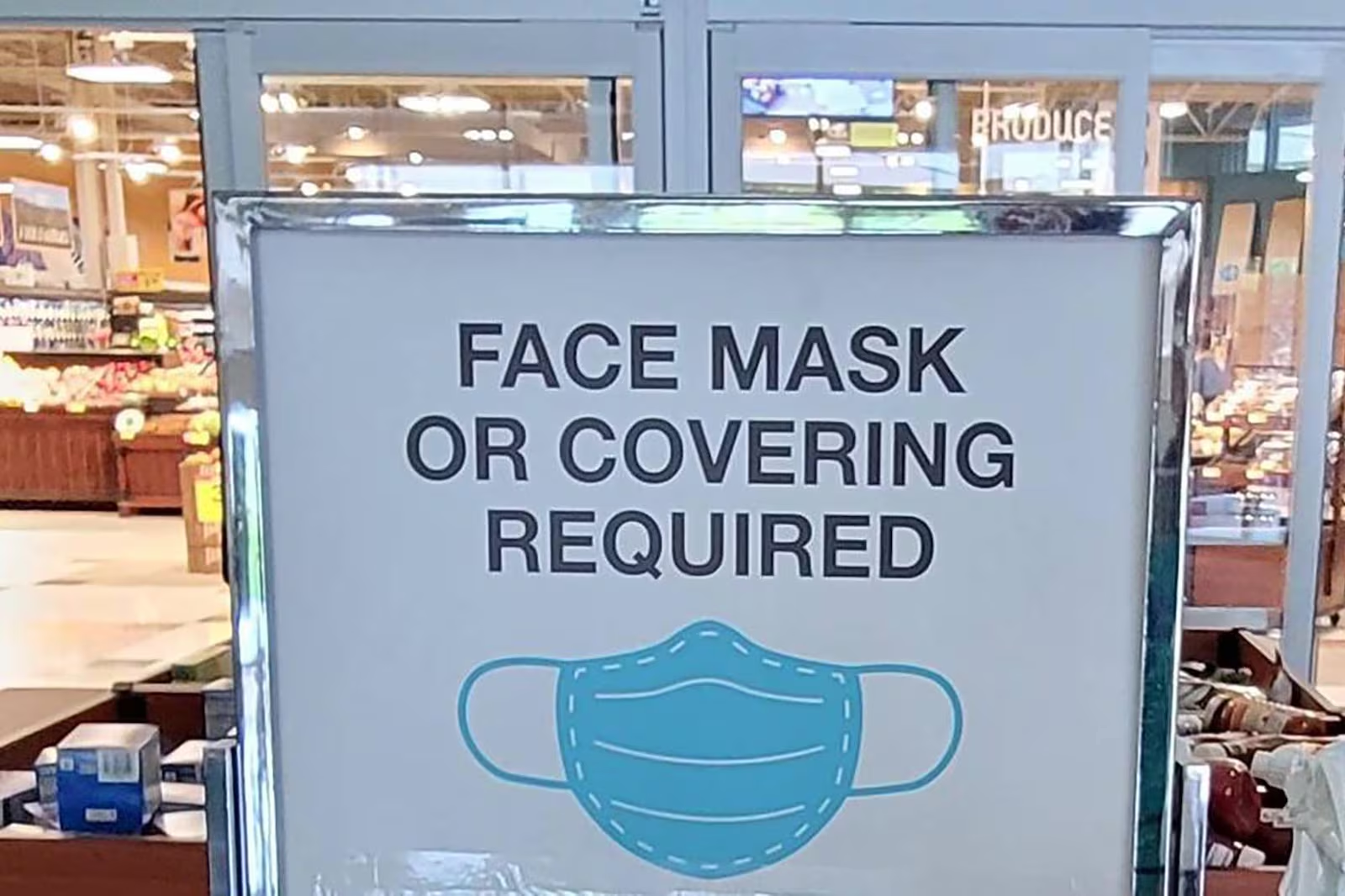
- Provide high-quality respirators for suspected airborne infections.
- Upgrade ventilation with HEPA filtration or MERV-13 HVAC systems.
- Confirm all staff are up to date on MMR vaccination.
- Maintain meticulous logs of everyone present in the clinic to aid contact tracing.
Supply Chains and Surge Capacity
Routine MMR vaccine orders focus on young children. But outbreaks will demand expanded vaccination for:
- Infants 6–11 months old (early protection)
- Teenagers missing their second dose
- Unvaccinated adults
- Concerned parents and community members
The U.S. vaccine supply chain is not designed for surges. Clinics may face weeks-long delays in getting new shipments. Diagnostic testing supplies and immune globulin for post-exposure prophylaxis are similarly limited. Preparing relationships with labs and suppliers now can prevent critical gaps later.
“Primary and urgent care facilities are the front line of detection and response in measles outbreaks — but most are insufficiently prepared.” —Dr. Jay Varma
Handling Vaccine Refusal
Few issues divide medicine more sharply than vaccine refusal. Clinics are permitted to discharge families who repeatedly refuse vaccines, but Varma stresses policies must be clear, respectful, and culturally sensitive.
Exceptions should be made for patients with medical contraindications or temporary barriers. The objective is not punishment but protection of staff and patients from preventable harm.
The Funding Gap
Primary care facilities are vital to outbreak control, yet preparedness funding typically flows to large hospitals. Covid-era investments have been slashed, leaving clinics without training, rapid response support, or resources to upgrade systems. Without renewed investment, the first line of defense will remain dangerously underprepared.
Looking Ahead
Varma concludes that the U.S. is entering a new era where diseases once thought conquered are reemerging while public health protections weaken. Preparing outpatient clinics now — through training, infection control, surge planning, and clear vaccination policies — could determine how well the nation withstands measles and future infectious disease threats.
📅 Publication Date & Outlet
May 21, 2025 | Healthbeat (Guest Essay by Dr. Jay K. Varma)