Table of Contents
Published: May 27, 2025
Read Time: 3.5 Mins
Total Views: 269
Dr. Jay Varma explains how to spot germ denial, a growing rejection of infectious disease science disguised as wellness or “natural health.” He outlines eight common arguments germ deniers use, why they are misleading, and how to recognize misinformation before it spreads.
Why Germ Denial Is Growing—and Why It Matters
In the U.S., skepticism toward science has taken many forms, but one of the most dangerous is germ denial—the rejection of the idea that microbes cause human disease. While some extreme deniers claim viruses and bacteria don’t exist, the more common and insidious version blends distrust of medicine with the language of natural health and self-care.
As Dr. Jay Varma emphasizes, recognizing germ denial is critical because misinformation framed as “common sense” wellness can endanger both individuals and communities.
What Is Germ Denial?
Germ theory is the foundation of modern medicine. It tells us that microorganisms—bacteria, viruses, parasites, fungi—cause disease, and that interventions like vaccines, antibiotics, and sterilization prevent them.
Germ denial rejects or minimizes this principle. Some adherents embrace “terrain theory,” the outdated 19th-century belief that only a “damaged terrain” (poor internal health) allows disease, dismissing the role of microbes entirely.
Understanding the arguments used by germ deniers helps individuals and communities push back against harmful misinformation.
“Germ denial often wears the mask of wellness or natural health—but at its core, it rejects the science that has saved millions of lives.” —Dr. Jay Varma
8 Common Signs of Germ Denial
1. “It’s not the germs, it’s the terrain.”
Claiming that only unhealthy people get sick ignores reality: microbes can and do infect otherwise healthy individuals.
2. Downplaying outbreaks or blaming victims.
Suggesting that people who die from infections were already weak is inaccurate and cruel. Healthy children and adults die every year from measles, meningitis, influenza, and other infections.
3. Blaming toxins instead of pathogens.
While pollutants and chemicals can harm health, dismissing pathogens in favor of toxins like “5G” or food dyes distracts from overwhelming evidence that microbes remain leading causes of disease.
4. Promoting lifestyle and supplements over vaccines.
Diet and exercise are important, but they cannot replace vaccines, which prepare the immune system to fight infection without the risk of severe illness.
5. Claiming infections are beneficial.
“Natural immunity” is not the same as safe immunity. While exposure to microbes shapes immunity, children do not need measles to grow into healthy adults.
6. Accusing scientists of profiteering.
Allegations that germ theory was invented to sell drugs echo anti-vaccine rhetoric. In reality, most infectious disease experts are motivated by public service and academic curiosity.
7. Casting public health measures as control.
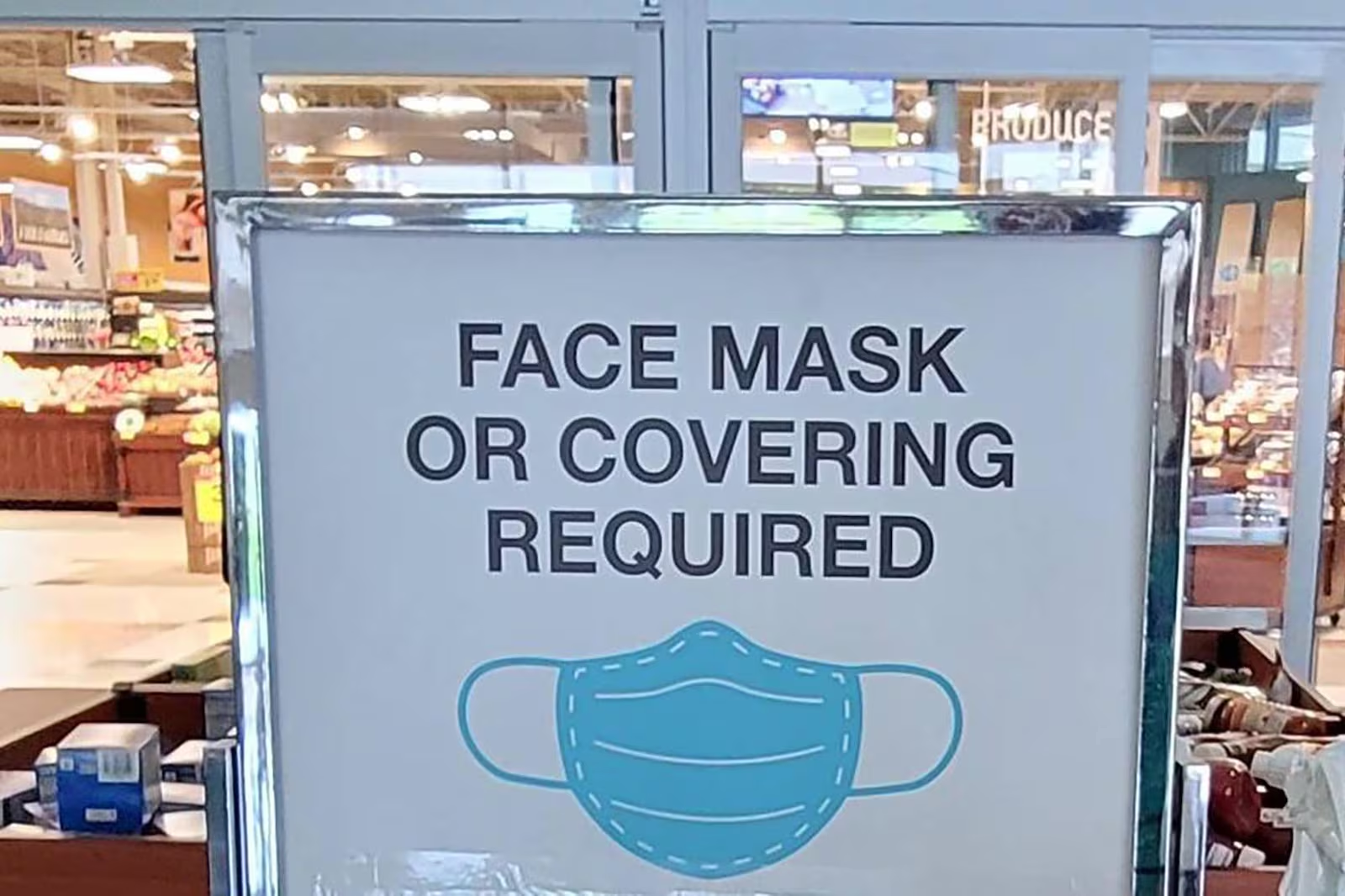
Masking, vaccination, and quarantine are portrayed as political power grabs, when in fact they expand freedom by protecting people from illness and enabling safe work, travel, and gathering.
8. Promoting unproven cures.
Supplements, detox regimens, and drugs like ivermectin or hydroxychloroquine are often promoted without evidence. At best, these are ineffective; at worst, they can be harmful.
Why This Matters for Public Health
Germ denial isn’t just a fringe belief. It spreads quickly because it taps into deeper emotions—fear, distrust, and a desire for control. By learning to recognize these arguments, health professionals and everyday citizens can push back against misinformation before it takes root.
As Dr. Varma notes, public health victories—from vaccines to clean water—depend on shared trust in science. Rejecting germ theory undermines decades of progress in reducing disease and saving lives.
📅 Publication Date & Outlet
May 28, 2025 | Psychology Today