Table of Contents
Published: October 27, 2025
Read Time: 17.4 Mins
Total Views: 104
As an infectious disease physician who has witnessed firsthand how individual health choices ripple through entire communities, I have come to understand that wellness being represents something far more profound than the commercialized self-care industry would have us believe. Throughout my career in epidemiology and public health, I have observed that true wellness is not just the absence of disease in a single person, but an active process that strengthens the fabric of our communities and builds collective resilience against health challenges.
The concept of wellness being has been co-opted by lifestyle brands and luxury wellness retreats, creating a dangerous misconception that optimal health is a privilege rather than a fundamental human right and public health necessity. This commodification has obscured the scientific foundation that underlies genuine wellness practices and their measurable impact on both individual lives and population health outcomes.
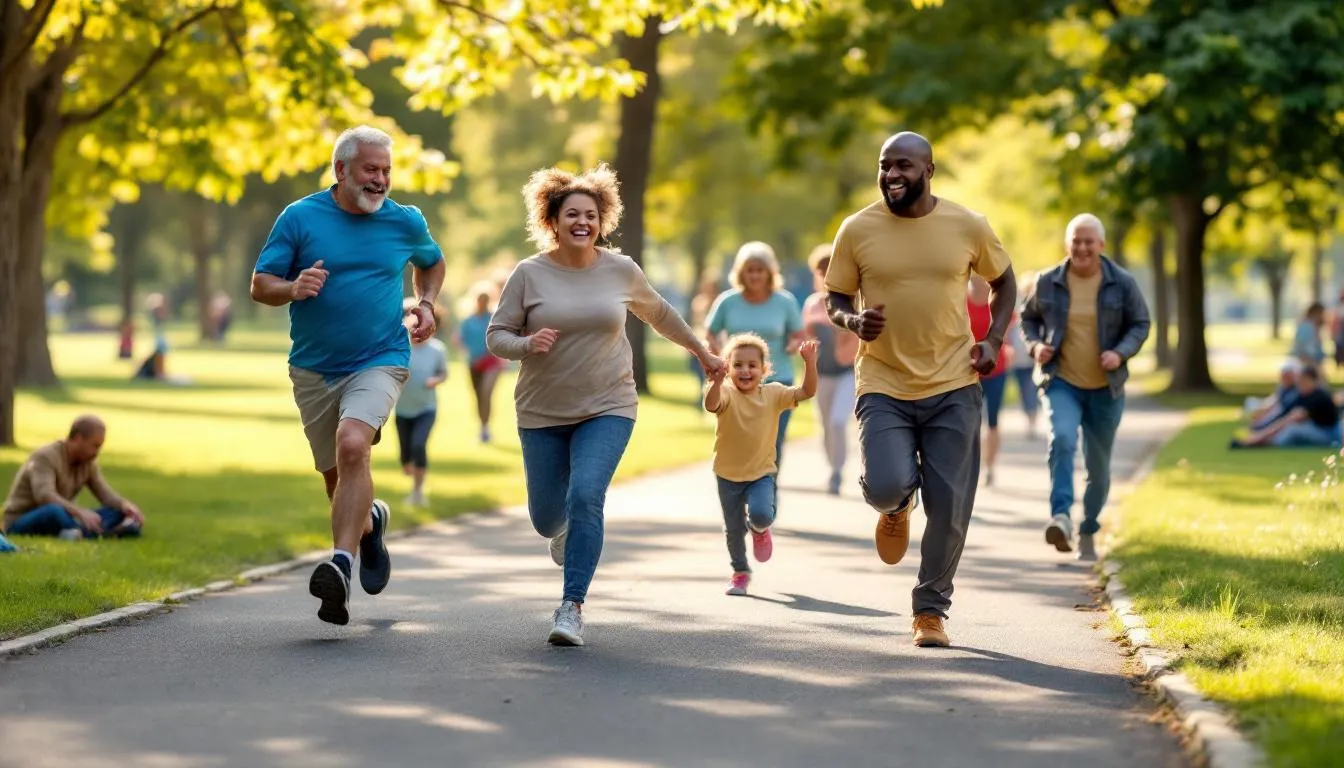
When we examine wellness being through an epidemiological lens, we discover that it encompasses multiple dimensions of health that are interconnected and mutually reinforcing. Physical health, mental wellbeing, social well being, environmental wellness, financial wellness, spiritual wellness, occupational wellness, and intellectual wellness form a complex web of factors that determine not only our own well being, but our ability to contribute meaningfully to community resilience and public health.
Understanding Wellness Being: Beyond Commercial Trends
Wellness being, properly understood, is the active, evidence-based pursuit of optimal health across multiple interconnected dimensions of human experience. Unlike the passive state of simply avoiding illness, wellness being requires conscious engagement with practices and choices that promote holistic health while simultaneously contributing to the well being of our communities.
The distinction between authentic wellness being and commercialized self-care lies in measurability, scientific grounding, and community impact. While commercial wellness often focuses on individual optimization and aesthetic outcomes, genuine wellness being emphasizes practices that create measurable improvements in health outcomes, reduce healthcare burden, and strengthen community resilience against health challenges.
Research consistently demonstrates that wellness being integrates individual health practices with population health principles. When we focus on evidence-based interventions rather than trendy lifestyle modifications, we create a foundation for both personal health and community protection. This integration becomes particularly apparent during public health emergencies, when individual wellness practices directly influence our collective ability to respond effectively to health challenges.
Wellness being as both personal discipline and public health responsibility requires us to recognize that our individual health choices affect not only our quality of life but also our capacity to work productively, support our loved ones during difficult times, and contribute to community resilience. This understanding transforms wellness from a private pursuit into a shared responsibility that benefits entire populations.
The Epidemiological Foundation of Wellness Being
The scientific evidence linking individual wellness practices to population health outcomes is both robust and compelling. Epidemiological studies consistently show that modifiable lifestyle factors—including tobacco use, physical activity levels, nutritional choices, sleep patterns, and stress management—account for the majority of preventable deaths and chronic diseases worldwide. These findings demonstrate that wellness being operates at both individual and population levels simultaneously.
During health crises like COVID-19, the relationship between personal health behaviors and community resilience becomes particularly evident. Communities with higher baseline levels of physical wellness, mental health support, and social cohesion demonstrated greater ability to adapt to public health measures, maintain essential services, and support vulnerable populations. This correlation illustrates what we might call “herd wellness”—the protective effect that results when a significant portion of a community engages in evidence-based wellness practices.

Data from healthcare systems worldwide show a clear correlation between community wellness levels and reduced healthcare burden. Populations with higher rates of preventive health behaviors, strong social support networks, and environmental wellness show decreased utilization of emergency services, lower rates of chronic disease complications, and improved outcomes during infectious disease outbreaks. These patterns demonstrate that individual wellness practices create measurable benefits that extend far beyond the person implementing them.
The concept of “herd wellness” parallels herd immunity in important ways. Just as vaccination of individuals protects entire communities, individual wellness practices create protective community effects. When community members maintain good physical health, practice stress management, engage in regular exercise, and maintain close relationships, they contribute to a collective resilience that benefits everyone, particularly those who may be more vulnerable due to age, underlying health conditions, or social circumstances.
The Seven Pillars of Evidence-Based Wellness Being
Physical Health and Infectious Disease Prevention
Physical wellness forms the foundation of wellness being and directly impacts our ability to prevent, respond to, and recover from infectious diseases. Evidence-based practices include maintaining current vaccinations, following nutritional guidelines that support immune function, engaging in regular physical activity, and practicing appropriate sleep hygiene. These practices not only improve individual health outcomes but also contribute to community infection control by reducing transmission rates and supporting healthcare system capacity.
The importance of good physical health extends beyond personal benefits to encompass our responsibility to protect others in our community. When we maintain optimal physical wellness, we reduce our likelihood of requiring medical care during health emergencies, preserve healthcare resources for those who need them most, and model healthy behaviors that influence the choices of our family members, close friends, and colleagues.
Specific recommendations based on CDC guidelines and clinical research include achieving at least 150 minutes of moderate-intensity exercise weekly, consuming a diet rich in fruits, vegetables, and whole grains while limiting processed foods, maintaining healthy body weight, getting seven to nine hours of quality sleep nightly, and staying current with recommended vaccinations and preventive screenings.
Mental and Emotional Resilience
Mental health and emotional wellness represent critical components of wellness being that directly influence our ability to cope with normal stresses, adapt to challenging circumstances, and maintain positive feelings even during difficult times. Research on stress management, mindfulness practices, and psychological well-being demonstrates that individuals with strong mental health are better equipped to support others, make sound decisions during crises, and contribute to community social cohesion.
The connection between individual mental health and community social cohesion becomes particularly important during pandemic response and other public health emergencies. Communities where residents have developed emotional wellness skills show greater compliance with public health measures, increased mutual support, and improved collective problem-solving capacity. These outcomes reflect the way that personal mental wellbeing contributes to broader social well being.
Evidence-based interventions for mental and emotional resilience include regular mindfulness or meditation practice, cognitive behavioral techniques for managing stress and anxiety, maintaining meaningful social connections, engaging in purposeful activities, and seeking professional mental health support when needed. These practices produce measurable outcomes including reduced rates of depression and anxiety, improved stress response, and increased life satisfaction.
Social Connection and Community Engagement
Social wellness represents one of the most powerful determinants of both individual and community health outcomes. Epidemiological studies consistently demonstrate that people with strong social networks and close relationships experience better physical health, greater longevity, and improved resilience during health challenges. The absence of meaningful social connection creates health risks comparable to smoking, obesity, and physical inactivity.
Social isolation significantly impacts health outcomes through multiple pathways, including increased inflammation, compromised immune function, elevated stress hormones, and reduced engagement in healthy behaviors. Conversely, individuals who maintain quality relationships and engage actively in their communities show improved cardiovascular health, better mental health outcomes, and increased ability to cope with illness and recovery.

Strategies for building meaningful connections while maintaining public health protocols include participating in community organizations, volunteering for causes that align with personal values, maintaining regular contact with family and close friends, engaging in group activities that promote health and wellness, and contributing skills and resources to support community resilience. These activities strengthen both individual social wellness and community capacity to respond to health challenges.
Environmental Health and Sustainability
Environmental wellness connects personal environmental choices to community health outcomes in ways that extend far beyond individual impact. Our physical environment—including air and water quality, access to green spaces, neighborhood safety, and exposure to environmental toxins—directly influences our health and the health of our communities. Environmental wellness practices support both individual and planetary health while contributing to health equity.
The relationship between environmental factors and health outcomes is well-documented in epidemiological research. Air pollution increases rates of respiratory disease, cardiovascular disease, and premature death. Access to parks and green spaces correlates with improved mental health, increased physical activity, and stronger social connections. Environmental hazards disproportionately affect vulnerable populations, making environmental wellness an issue of health equity and social justice.
Evidence-based environmental wellness practices include reducing exposure to air pollution through transportation choices, supporting policies that improve environmental health, creating healthier home and work environments, engaging in sustainable consumption practices, and advocating for environmental protections that benefit community health. These choices contribute to cleaner air and water, reduced exposure to harmful chemicals, and preservation of natural resources that support long-term health.
Economic Wellness and Health Equity
Financial wellness represents a fundamental determinant of health that influences our ability to access healthcare, maintain good nutrition, live in safe environments, and cope with health emergencies. The relationship between financial stress and health outcomes is well-established, with economic instability contributing to increased rates of chronic disease, mental health challenges, and reduced life expectancy.
Economic disparities significantly affect community health resilience, creating vulnerabilities that impact entire populations during health crises. Communities with greater economic inequality show reduced capacity to respond effectively to public health emergencies, higher rates of disease transmission, and increased burden on healthcare systems. Financial stability for individuals contributes to broader community stability and health equity.
Wellness being as a tool for addressing health inequities requires us to recognize that economic wellness includes not only personal financial management but also advocacy for policies that support economic stability for all community members. This broader understanding positions financial wellness as both an individual practice and a collective responsibility that strengthens entire communities.
Intellectual Growth and Health Literacy
Intellectual wellness encompasses cognitive engagement, continuous learning, and health literacy—all of which contribute significantly to long-term health outcomes and community resilience. Research demonstrates that people who engage in lifelong learning, maintain cognitive challenges, and develop strong health literacy skills show reduced rates of cognitive decline, better health decision-making, and increased ability to adapt to changing health information and recommendations.
Health literacy represents a particularly important aspect of intellectual wellness that directly impacts both individual and community health outcomes. During health emergencies, communities with higher levels of health literacy demonstrate better understanding of public health measures, increased compliance with prevention recommendations, and improved ability to distinguish evidence-based information from misinformation.
Intellectual wellness practices include staying informed about health research and recommendations, developing critical thinking skills for evaluating health information, engaging in continuous learning opportunities, participating in community education initiatives, and sharing accurate health knowledge with others. These activities strengthen both individual decision-making capacity and community preparedness for health challenges.
Purpose and Meaning in Health Context
Spiritual wellness—defined as the search for meaning, purpose, and connection to something greater than oneself—represents a critical but often overlooked dimension of wellness being. Research consistently shows that individuals with a strong sense of purpose experience better health outcomes, greater resilience during difficult times, and increased longevity. This dimension of wellness being extends beyond religious belief to encompass any source of meaning and purpose that connects us to values larger than individual self-interest.
Studies on life purpose and health outcomes demonstrate that people who identify clear sources of meaning in their lives show reduced rates of depression, better cardiovascular health, improved immune function, and greater ability to cope with illness and adversity. The connection between individual sense of purpose and community service creates a powerful synergy that strengthens both personal wellness and community resilience.
Evidence-based practices for developing spiritual wellness include clarifying personal values and priorities, engaging in practices that connect us to sources of meaning, contributing to causes that align with our values, developing gratitude and appreciation practices, and finding ways to serve others and contribute to community well-being. These activities create measurable improvements in mental health, physical health, and social connection.
Wellness Being in Practice: From Individual to Population Impact
Implementing wellness being requires specific, measurable daily practices backed by epidemiological evidence rather than vague aspirations for better health. Effective wellness being practices focus on consistency, measurement, and community engagement rather than perfectionism or individual optimization alone.
A comprehensive framework for tracking both individual progress and community impact includes regular assessment of physical health indicators (blood pressure, weight, fitness levels, sleep quality), mental health measures (stress levels, mood, emotional regulation), social connection quality (frequency and depth of meaningful relationships), environmental health factors (exposure to pollutants, access to green space), financial stability indicators, intellectual engagement levels, and sense of purpose and meaning.

Case studies from communities that implemented population-wide wellness initiatives during COVID-19 provide compelling examples of wellness being in action. Communities that had established strong wellness infrastructure—including mental health support systems, physical activity programs, social connection networks, and health education resources—demonstrated greater resilience during lockdowns, lower rates of mental health crises, and more effective adaptation to public health measures.
Tools for self-assessment and community engagement include regular health screenings and preventive care, participation in community wellness programs, tracking of personal wellness practices and their outcomes, engagement with local public health initiatives, and contribution of skills and resources to community health efforts. These tools enable individuals to monitor their progress while simultaneously contributing to community wellness data and initiatives.
The Future of Wellness Being: Building Resilient Communities
Wellness being principles prepare communities for future health challenges by creating robust systems of individual and collective health that can adapt to emerging threats. Communities that prioritize evidence-based wellness practices develop stronger healthcare systems, more effective public health infrastructure, and greater social cohesion—all critical factors for responding to health emergencies, environmental challenges, and social disruptions.
Evidence demonstrates that preventive wellness approaches significantly reduce healthcare costs while improving health outcomes across populations. Communities that invest in wellness being infrastructure—including access to healthy food, safe environments for physical activity, mental health resources, social support systems, and health education—experience measurable reductions in healthcare utilization, chronic disease rates, and health disparities.
The role of wellness being in health equity and social justice requires us to recognize that optimal health must be accessible to all community members regardless of economic status, race, gender, or other social factors. This understanding positions wellness being as a tool for addressing systemic inequities and creating communities where everyone can achieve their full potential for health and well being.
Integration of wellness being into public health policy and community planning represents an essential step toward creating sustainable, equitable health outcomes. Policies that support wellness being include investments in community infrastructure that promotes physical activity, mental health services, healthy food access, environmental protections, economic stability programs, educational opportunities, and social connection resources.
Getting Started: Your Wellness Being Action Plan
Beginning a wellness being practice requires a systematic approach that emphasizes evidence-based interventions, realistic goal-setting, and community connection rather than dramatic lifestyle changes or individual perfection. The most effective wellness being practices are those that can be maintained consistently over time while contributing to both personal health and community resilience.
A step-by-step guide for implementing evidence-based wellness practices begins with assessment of current health status across all dimensions of wellness being, identification of specific, measurable goals in each area, selection of evidence-based interventions that align with personal preferences and community resources, development of tracking systems to monitor progress, and establishment of connections with community wellness resources and support systems.
Specific metrics for tracking individual progress and community contribution include regular measurement of key health indicators, documentation of wellness practices and their outcomes, assessment of social connection quality and community engagement levels, evaluation of environmental health factors and sustainability practices, monitoring of financial wellness and stability, tracking of intellectual growth and health literacy development, and reflection on sense of purpose and meaning.
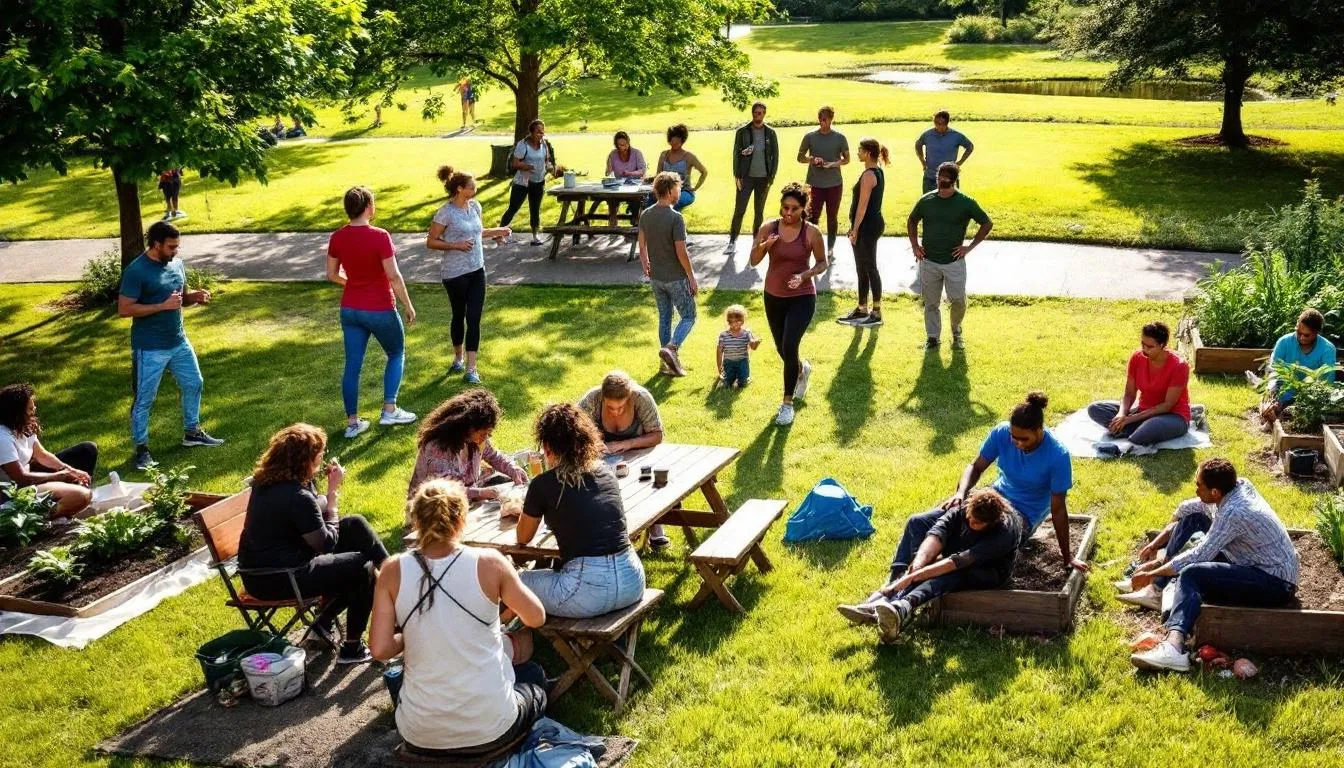
Resources for connecting with community wellness initiatives include local public health departments, community health centers, faith-based organizations, schools and educational institutions, workplace wellness programs, environmental organizations, volunteer opportunities that support community health, and advocacy groups working on health equity and policy change.
The importance of consistency, measurement, and community engagement over perfectionism cannot be overstated. Wellness being is an active process that develops over time through sustained practice rather than achieving perfect adherence to ideal behaviors. The goal is progress toward better health outcomes for individuals and communities, not individual optimization or aesthetic achievement.
As we face an uncertain future marked by emerging infectious diseases, climate change, social disruption, and health inequities, wellness being offers a pathway toward building the personal and community resilience we need to protect our health and support our loved ones. By grounding our wellness practices in scientific evidence, measuring our progress through objective outcomes, and connecting our individual health to community well being, we can transform wellness from a commercialized luxury into a fundamental tool for health equity, social justice, and collective resilience.
The choice to embrace wellness being represents both a personal commitment to evidence-based health practices and a contribution to the health and resilience of our communities. In a world where individual health choices have far-reaching consequences for collective well being, wellness being offers a framework for living that honors both our responsibility to ourselves and our obligation to others. Through consistent practice of evidence-based wellness behaviors, meaningful engagement with our communities, and commitment to health equity and environmental sustainability, we can create a future where optimal health is not a privilege but a shared reality that strengthens us all.
FAQs
- What is wellness well-being?
- What are the 5 points of well-being?
- Is it wellbeing or well-being or well-being?
- What are some examples of well-being?