
Table of Contents
Published: October 6, 2025
Read Time: 22.4 Mins
Total Views: 932
The development of covid 19 vaccines represents one of the most remarkable achievements in modern medical history, compressing what typically takes a decade into less than twelve months. When SARS-CoV-2 emerged in late 2019, the scientific community faced an urgent challenge: develop safe and effective vaccines against a novel coronavirus that was rapidly spreading across the globe, threatening to overwhelm healthcare systems and claim millions of lives.
As an infectious disease physician who helped guide pandemic response policy, I witnessed firsthand how these vaccines became the cornerstone of our exit strategy from the most devastating pandemic in over a century. The story of covid 19 vaccines is not merely one of scientific triumph; it is a complex narrative that encompasses unprecedented international collaboration, regulatory innovation, manufacturing scale-up, and the ongoing challenge of ensuring equitable access to life-saving medical treatment.
This comprehensive examination explores what we have learned since the first emergency use authorization was granted, why vaccination remains central to global disease control, and how these remarkable tools continue to save lives while we navigate an evolving viral landscape.
Understanding COVID-19 Vaccines: Foundation of Pandemic Response
Covid 19 vaccines are biological preparations specifically designed to provide immunity against SARS-CoV-2, the virus responsible for coronavirus disease 2019. Unlike traditional medical treatment that addresses symptoms after infection occurs, these vaccines serve a fundamentally preventive purpose: training the immune system to recognize and respond to the virus before severe disease develops.
The primary goal of covid 19 vaccination extends beyond individual protection to encompass broader public health objectives. These vaccines are designed to prevent severe disease, hospitalization, and death while reducing transmission and protecting healthcare system capacity. This multi-layered approach recognizes that even if breakthrough infections occur, vaccinated individuals typically experience milder symptoms and are less likely to require intensive medical care.
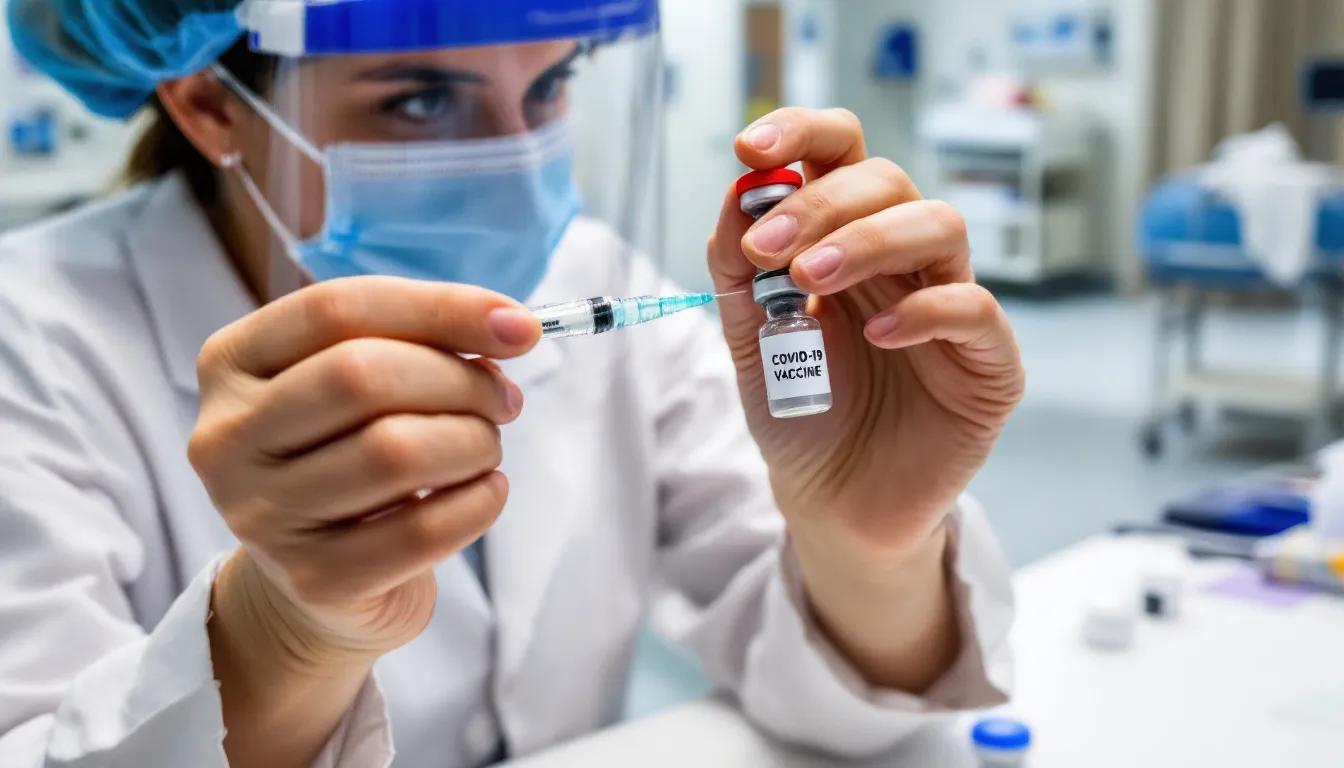
The timeline from virus identification to first vaccine approvals represents an unprecedented achievement in vaccine development. Within eleven months of SARS-CoV-2’s genetic sequence being published in January 2020, the first vaccines received emergency use authorization from regulatory agencies. This remarkable speed was made possible by decades of prior research on coronavirus vaccine platforms, significant financial investment that enabled parallel rather than sequential development phases, and regulatory agencies’ willingness to review data in real-time while maintaining rigorous safety standards.
These vaccines emerged as the cornerstone of our pandemic exit strategy, working alongside established public health measures such as masking, physical distancing, and improved ventilation. The integration of vaccination with these complementary approaches has proven essential for controlling viral spread while societies work to return to normal activities.
Types of COVID-19 Vaccines and Their Mechanisms
The rapid development of covid 19 vaccines leveraged multiple technological platforms, each with distinct advantages and characteristics. Understanding these different types provides insight into how vaccine science adapted to meet the urgent needs of a global pandemic.
mRNA Vaccines (Pfizer-BioNTech and Moderna)
The pfizer biontech and Moderna vaccines represent the first widespread use of mRNA technology in human vaccination, marking a revolutionary moment in vaccine science. These vaccines contain messenger RNA (mRNA) encapsulated in lipid nanoparticles, which serve as a delivery system that protects the genetic material and facilitates cellular uptake.
The mechanism begins when the vaccine dose is administered intramuscularly. The lipid nanoparticles fuse with cell membranes, releasing mRNA into the cytoplasm where cellular machinery translates the genetic instructions into the SARS-CoV-2 spike protein. This viral protein is then displayed on the cell surface, where it is recognized by the immune system as foreign, triggering both antibody production and T-cell responses.
This approach offers several advantages: the mRNA does not enter the cell nucleus where DNA is stored, it is rapidly degraded after protein synthesis, and the platform allows for quick adaptation to new viral variants by simply modifying the genetic sequence. However, these vaccines require ultra-cold storage temperatures, which initially complicated global distribution efforts.
Viral Vector Vaccines (Johnson & Johnson, AstraZeneca)
The johnson vaccine and AstraZeneca employ modified adenoviruses as vectors to deliver genetic instructions for spike protein production. These vaccines use a weakened adenovirus that cannot replicate in human cells but can still enter cells and deliver its genetic payload.
Unlike mRNA vaccines that require two dose vaccine regimens, the Johnson & Johnson vaccine was initially authorized as a single dose formulation, offering logistical advantages for mass vaccination campaigns. The immune response profile includes both humoral and cellular immunity, with protection developing approximately two weeks after administration.
While these vaccines offered manufacturing and distribution advantages due to standard refrigeration requirements, rare blood clotting events led to temporary pauses in administration and ultimately contributed to reduced use in many countries, including discontinuation in the United States.
Protein Subunit Vaccines (Novavax)
The Novavax vaccine represents a more traditional approach, delivering purified spike protein directly rather than providing genetic instructions for protein production. This vaccine combines recombinant spike protein with Matrix-M adjuvant, which enhances immune response activation.
This platform offers several advantages: it utilizes well-established manufacturing processes, requires only standard refrigeration, and may be more acceptable to individuals hesitant about newer vaccine technologies. Clinical trials demonstrated strong immunogenicity and effectiveness, with this vaccine receiving authorization for use in multiple countries and serving as an important option for achieving universal availability.
Clinical Development and Regulatory Approval Process
The development of covid 19 vaccines followed an accelerated but scientifically rigorous process that maintained essential safety and efficacy standards while compressing timelines through parallel development phases and real-time regulatory review.
The Pfizer-BioNTech vaccine underwent clinical trials involving 43,538 participants across multiple countries, with the phase III trial demonstrating 95% efficacy against symptomatic COVID-19. The Moderna vaccine showed similar results with 94.1% efficacy in preventing coronavirus disease in its pivotal trial of over 30,000 participants. These trials were designed with primary endpoints focusing on symptomatic disease prevention, while secondary endpoints examined protection against severe disease, hospitalization, and death.

The emergency use authorization process represented a careful balance between speed and safety. Regulatory agencies including the FDA required at least two months of safety data following vaccination, encompassing the timeframe when most vaccine-related adverse events typically occur. The centers for disease control and prevention, working with the FDA, established criteria that vaccines must demonstrate both safety and efficacy before authorization.
International regulatory harmonization played a crucial role in global vaccine access. The world health organization’s Emergency Use Listing procedure enabled coordinated evaluation of vaccine safety and efficacy data, facilitating distribution to other countries through initiatives like COVAX while maintaining rigorous scientific standards.
Vaccine Effectiveness: Clinical Trials and Real-World Evidence
Initial Clinical Trial Results
The pivotal clinical trials for covid 19 vaccines demonstrated remarkable efficacy against the original SARS-CoV-2 strain. The Pfizer-BioNTech vaccine showed 95% efficacy against symptomatic COVID-19, while the Moderna vaccine demonstrated 94.1% effectiveness in preventing coronavirus disease. The johnson vaccine, evaluated against more challenging viral variants, showed 66% overall efficacy but maintained 85% effectiveness against severe disease.
Most significantly, these trials demonstrated near-universal protection against hospitalization and death among vaccinated participants. During the trial periods, almost all severe outcomes occurred in the unvaccinated control groups, providing early evidence that vaccines could break the link between infection and severe disease that had characterized the pandemic’s first year.
Real-World Effectiveness Data
As vaccination programs expanded globally, real-world data confirmed and often exceeded clinical trial results. Israeli health system data, analyzing millions of vaccinated individuals, demonstrated 97% effectiveness against symptomatic disease and virtually complete protection against severe outcomes. This real-world evidence proved particularly valuable because it reflected vaccine performance under actual conditions rather than the controlled environment of clinical trials.
The centers for disease control and prevention conducted extensive studies showing 90% effectiveness against hospitalization among fully vaccinated adults across diverse populations and settings. These studies consistently demonstrated that vaccines maintained high effectiveness against severe outcomes even as breakthrough infections occasionally occurred, particularly among high-risk populations.
However, effectiveness varied against different viral variants. While vaccines maintained strong protection against the Alpha, Beta, and Gamma variants, the emergence of Delta and later Omicron variants revealed reduced effectiveness against infection, though protection against severe disease remained substantial. Data from multiple countries showed that two dose vaccine regimens provided diminished protection against symptomatic Omicron infection but continued to prevent most hospitalizations and deaths.
The phenomenon of waning immunity became evident approximately six months after vaccination, leading to recommendations for booster doses. Real-world studies demonstrated that a third dose restored protection levels, with effectiveness against hospitalization returning to over 90% among most people following booster administration.
Safety Profile and Monitoring Systems
Covid 19 vaccines have undergone the most intensive safety monitoring in vaccine history, with multiple overlapping surveillance systems tracking adverse events in real-time. This comprehensive monitoring has provided detailed understanding of both common and rare side effects across different age groups and populations.
Common side effects occur in the majority of vaccine recipients and typically resolve within 24-72 hours. These include pain at the injection site (affecting approximately 80% of recipients), fatigue (affecting 60-70%), headache (affecting 50-60%), and mild fever (affecting 10-15% after the first dose and 15-17% after the second dose). These reactions reflect normal immune system activation and are generally more frequent after the second dose of mRNA vaccines.
Serious adverse events remain rare but have been carefully characterized through extensive research and monitoring. Anaphylaxis, a severe allergic reaction, occurs in approximately 2-5 cases per million doses administered. Healthcare systems developed protocols for managing this risk, including observation periods after vaccination and immediate treatment availability.

Myocarditis and pericarditis, involving inflammation of heart muscle or surrounding tissue, have been observed primarily in young males following mRNA vaccination. Data from multiple countries indicates rates of approximately 12-13 cases per million second doses among males aged 12-17, with lower rates in other age groups. Most cases have been mild, responding well to treatment, with patients typically recovering completely.
The johnson vaccine was associated with thrombosis with thrombocytopenia syndrome (TTS), involving blood clots combined with low platelet counts. This rare condition occurred in approximately 3-4 cases per million doses, primarily affecting women under 50. While serious, the risk was quantified and communicated clearly, allowing individuals and healthcare providers to make informed decisions.
Benefit-risk analyses consistently demonstrate that vaccination benefits far outweigh risks across all recommended age groups. Even in young adults where myocarditis rates are highest, the risk of severe COVID-19 outcomes without vaccination substantially exceeds the risk of serious vaccine-related adverse events.
Global Impact: Lives Saved and Healthcare System Protection
The global impact of covid 19 vaccines can be measured through multiple metrics, with the most fundamental being lives saved and healthcare system capacity preserved. Research from leading institutions has quantified these benefits, providing clear evidence of vaccination’s transformative effect on pandemic outcomes.
A Commonwealth Fund study estimated that covid 19 vaccination prevented approximately 3.2 million deaths in the United States alone by the end of 2022. This analysis compared actual outcomes with modeled scenarios without vaccination, accounting for changing viral variants and population behavior. Globally, the world health organization estimates that vaccines prevented at least 14-20 million deaths during the first year of vaccination programs.
Healthcare system protection represents another crucial measure of vaccine impact. During periods of high viral transmission, the vast majority of hospitalizations and intensive care admissions occurred among unvaccinated individuals. Data from the cdc consistently showed that unvaccinated adults were 10-20 times more likely to be hospitalized with COVID-19 compared to vaccinated individuals, even accounting for breakthrough infections and waning immunity.
|
Outcome |
Unvaccinated Risk |
Vaccinated Risk |
Risk Reduction |
|---|---|---|---|
|
Hospitalization |
10-20x higher |
Baseline |
90-95% |
|
ICU Admission |
15-25x higher |
Baseline |
93-96% |
|
Death |
10-15x higher |
Baseline |
90-94% |
The economic benefits extend beyond direct healthcare costs to encompass broader societal impacts. Vaccination enabled the reopening of schools, businesses, and international travel while reducing the need for economically disruptive lockdown measures. Countries with higher vaccination coverage generally experienced fewer restrictions and more rapid economic recovery.
Vaccination programs also demonstrated remarkable efficiency in resource utilization. The cost per life saved through covid 19 vaccination compares favorably to other established public health interventions, with estimates suggesting costs of $3,000-5,000 per life-year saved in high-income countries and even greater value in settings with higher baseline mortality risks.
Global Vaccine Equity and Distribution Challenges
The distribution of covid 19 vaccines has revealed stark global inequities that continue to shape pandemic outcomes and highlight fundamental challenges in global health governance. While high-income countries achieved vaccination coverage exceeding 70-80% by mid-2022, many low- and middle-income countries struggled to reach even 20-30% coverage during the same period.
The COVAX initiative, led by the world health organization, Gavi (the vaccine alliance), and other partners, represented an ambitious attempt to ensure equitable vaccine access. COVAX aimed to deliver 2 billion doses by the end of 2021, sufficient to vaccinate high-risk populations globally. However, the initiative faced significant challenges including limited funding, manufacturing constraints, and export restrictions by vaccine-producing countries prioritizing domestic distribution.
Supply chain complexities compounded equity challenges. The ultra-cold storage requirements for mRNA vaccines created particular difficulties in regions with limited infrastructure, while competition for raw materials and manufacturing capacity favored countries with established pharmaceutical relationships. These logistical barriers meant that even when doses became available, many countries lacked the infrastructure for effective distribution and administration.
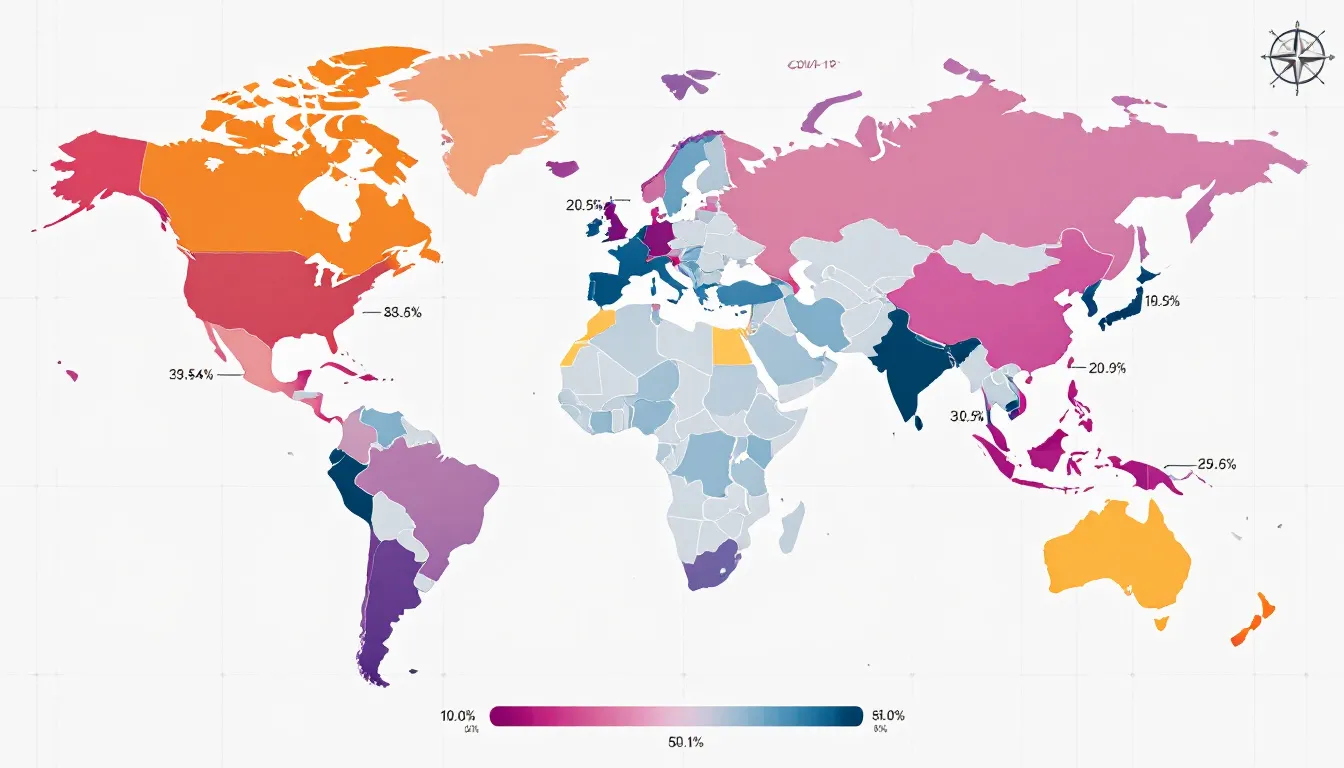
Intellectual property debates emerged as a contentious issue, with many advocates arguing for patent waivers to enable broader manufacturing. While the united nations and other organizations supported these measures, implementation proved complex due to the sophisticated manufacturing requirements and quality control standards necessary for vaccine production.
Domestic equity issues parallel global disparities, with significant variation in vaccination coverage across racial, ethnic, and socioeconomic groups within countries. Rural populations often faced greater barriers to access, while certain communities experienced higher rates of vaccine hesitancy due to historical medical mistrust and misinformation.
Addressing these equity challenges requires sustained attention to infrastructure development, technology transfer, and building trust in diverse communities. The pandemic has highlighted how global health security depends on universal access to essential medical interventions, making vaccine equity both a moral imperative and a practical necessity for preventing future variants and protecting global health.
Current Challenges and Evolving Landscape
Variant Emergence and Vaccine Adaptation
The continuous evolution of SARS-CoV-2 has required ongoing adaptation of covid 19 vaccines to maintain optimal effectiveness against circulating strains. The emergence of major variants—Alpha, Beta, Gamma, Delta, and the Omicron lineage—demonstrated the virus’s capacity for immune escape while highlighting the need for updated vaccine formulations.
The Omicron variant family, first identified in late 2021, represented a particular challenge due to its extensive mutations in the spike protein, the primary target of vaccine-induced immunity. Subvariants including BA.1, BA.2, BA.4/5, and more recent XBB lineages showed progressively greater capacity to evade immunity from both infection and vaccination, leading to increased breakthrough infections even among previously vaccinated populations.
In response to variant evolution, vaccine manufacturers developed bivalent formulations targeting both the original virus strain and specific variants. The BA.4/5 bivalent boosters, authorized in 2022, demonstrated improved effectiveness against circulating Omicron subvariants compared to original vaccine formulations. Subsequently, monovalent vaccines targeting XBB lineages were developed for the 2023-2024 season.
Current vaccine formulations for 2024-2025 reflect ongoing viral evolution, with updated compositions designed to address the most recent circulating strains. This adaptive approach, similar to annual influenza vaccine updates, represents a new paradigm for covid 19 vaccination requiring regular reformulation and administration.
Vaccine Hesitancy and Uptake Challenges
Declining vaccine uptake presents a significant challenge to maintaining population immunity, particularly for booster doses and updated formulations. While initial vaccine acceptance was relatively high in many countries, enthusiasm has waned over time due to multiple factors including perceived reduced risk, safety concerns, and pandemic fatigue.
Vaccine hesitancy varies significantly across populations and has been influenced by political polarization, misinformation campaigns, and eroding trust in public health institutions. Research demonstrates that healthcare provider recommendations remain the most influential factor in vaccination decisions, highlighting the importance of clear communication strategies and provider education.
The infodemic—the parallel spread of misinformation alongside the pandemic—has complicated public health messaging. False claims about vaccine safety, effectiveness, and necessity have spread rapidly through social media platforms, often outpacing fact-based information from health authorities. Addressing this challenge requires sophisticated communication strategies that acknowledge legitimate concerns while providing accurate, accessible information.
Booster uptake has proven particularly challenging, with many countries experiencing significantly lower coverage for third and fourth doses compared to initial vaccination series. This pattern reflects both practical barriers such as access and scheduling, as well as perceptual factors including unclear guidance about booster necessity and timing.
Future Outlook: Next-Generation Vaccines and Pandemic Preparedness
The development of next-generation covid 19 vaccines represents an active area of research aimed at addressing current limitations including waning immunity, variant resistance, and the need for frequent updating. Several promising approaches are advancing through clinical development and may transform our approach to coronavirus prevention.
Nasal and mucosal vaccines under development aim to provide sterilizing immunity by blocking infection at the point of viral entry. These vaccines could potentially reduce transmission more effectively than current intramuscular vaccines by generating robust mucosal immune responses in the respiratory tract where SARS-CoV-2 infection begins.
Pan-coronavirus vaccines represent perhaps the most ambitious goal, seeking to provide broad protection against multiple coronavirus species including future pandemic threats. These approaches target conserved viral regions less prone to mutation, potentially offering more durable and universal protection than current spike protein-focused vaccines.

Research into longer-lasting immunity focuses on improving the durability of vaccine-induced protection through novel adjuvants, delivery systems, and antigen design. Some experimental approaches aim to generate immune responses that persist for years rather than months, potentially reducing the need for frequent booster doses.
Manufacturing innovations including self-amplifying RNA vaccines and plant-based protein expression systems could address production capacity and global equity challenges. These technologies may enable more rapid, cost-effective vaccine production while maintaining safety and efficacy standards.
Pandemic preparedness initiatives, including the Coalition for Epidemic Preparedness Innovations (CEPI), have established goals for developing vaccines against novel pathogens within 100 days of identification. The covid 19 experience has provided valuable lessons for streamlining development processes while maintaining safety standards.
The integration of covid 19 vaccination with seasonal vaccination programs is likely to become standard practice, similar to annual influenza vaccination. This approach would simplify public health recommendations while ensuring continued population protection against evolving viral strains.
Practical Guidance and Recommendations
Current recommendations from the centers for disease control and prevention emphasize that covid 19 vaccination remains important for all eligible individuals, with specific guidance varying by age group, health status, and previous vaccination history. Understanding these recommendations helps individuals make informed decisions about their vaccination needs.
For most people aged 6 months and older, an updated covid 19 vaccine is recommended annually, similar to influenza vaccination. The specific number of doses depends on age, previous vaccination history, and individual risk factors. Children and adolescents typically require a primary series followed by periodic boosters, while adults may need updated vaccines annually.
Immunocompromised populations require special consideration, as these individuals may have reduced immune responses to vaccination and face higher risks from COVID-19. The cdc recommends additional doses and more frequent boosters for people with conditions such as organ transplantation, active cancer treatment, or severe immunodeficiency. These patients should work closely with their healthcare providers to develop personalized vaccination schedules.
Pregnancy presents unique considerations, with extensive data now demonstrating the safety and importance of covid 19 vaccination during pregnancy. Vaccination protects both pregnant individuals, who face increased risks from COVID-19, and their infants through maternal antibody transfer. Current recommendations encourage vaccination at any stage of pregnancy using mRNA vaccines.
International travel considerations continue to evolve, with many countries maintaining vaccination requirements for entry. Travelers should verify destination requirements and ensure their vaccination status meets international standards, including specific vaccine types and timing requirements.
Shared decision-making with healthcare providers remains essential, particularly for individuals with specific health conditions or concerns. Healthcare providers can assess individual risk factors, discuss benefits and potential risks, and provide personalized recommendations based on current evidence and guidelines.
Conclusion: Vaccines as a Tool for Continued Protection
The story of covid 19 vaccines represents both remarkable scientific achievement and ongoing public health necessity. From the unprecedented speed of development to the billions of doses administered globally, these vaccines have fundamentally altered the trajectory of the pandemic, preventing millions of deaths and enabling societies to begin rebuilding after devastating disruption.
The data remains unequivocal: covid 19 vaccines continue to provide substantial protection against severe disease, hospitalization, and death, even as viral evolution requires ongoing adaptation. While breakthrough infections occur and immunity wanes over time, vaccination consistently reduces the risk of severe outcomes across all age groups and populations studied.
Yet significant challenges persist. Global vaccine equity remains inadequate, with billions of people worldwide lacking access to basic vaccination, let alone updated formulations. Vaccine hesitancy in some populations undermines community protection, while declining booster uptake threatens to erode gains achieved through initial vaccination campaigns.

Looking forward, covid 19 vaccination will likely become an annual routine, integrated with other preventive health measures. Next-generation vaccines hold promise for more durable and broader protection, while improved global manufacturing and distribution systems may address persistent equity challenges.
The pandemic has taught us that vaccines alone, while remarkably effective, work best as part of comprehensive public health strategies. Combining vaccination with other protective measures—improved ventilation, appropriate masking during surges, and staying home when ill—provides layered protection that adapts to changing circumstances.
As an infectious disease physician who has witnessed the devastating impact of COVID-19 and the transformative effect of vaccination, I remain convinced that these remarkable tools represent our best path forward. The choice to vaccinate protects not only individuals but also contributes to community resilience and global health security.
The covid 19 vaccines have already saved millions of lives and will continue to serve as essential tools for protecting health, preserving healthcare system capacity, and maintaining the social and economic stability that allows communities to thrive. Their story continues to unfold, but their impact on human health and scientific progress is already assured a permanent place in medical history.
Additional Questions
- Do we still need COVID vaccines?
- What are the three main COVID vaccines?
- What are the side effects of the 5th COVID booster?
- What are the names of the COVID vaccines?
- Why are people still getting the vaccine?
- When did the COVID pandemic start?
- Had COVID still get vaccine?
- How long does the COVID vaccine last in your body?
- Who recommends for interrupted or delayed routine immunization?
- What is an example of an adverse event following an immunization?
- When the vaccination schedule is interrupted, it is necessary to restart.?
- What are some key diseases that are routinely immunized against?
- When did the COVID-19 vaccine roll out?
- Is there a new COVID vaccine coming out in 2025?
- Has the COVID vaccine been withdrawn?
- Are there still COVID vaccine mandates?
- What is a public health impact?
- What is an example of a health impact?
- What is the public health impact model?
- How does public health impact my life?

