
Table of Contents
Published: September 23, 2025
Read Time: 25.9 Mins
Total Views: 558
In July 2022, health officials in Rockland County, New York, confirmed something that hadn’t been seen in the United States for nearly a decade: a case of paralytic polio. The unvaccinated young adult had been infected with a vaccine-derived poliovirus, a stark reminder that even in countries where wild poliovirus has been eliminated for decades, and where vaccination campaigns have successfully eliminated polio from the U.S. and much of the Western Hemisphere, complacency around polio vaccination invites the return of this devastating infectious disease. Meanwhile, sewage surveillance in London detected poliovirus circulation in communities with declining vaccination coverage, underscoring a fundamental truth about polio eradication efforts: the mission isn’t complete until the virus is eliminated globally, and sustained vaccination remains our most powerful defense against resurgence.

The polio vaccine represents one of public health’s greatest achievements, transforming a feared disease that once paralyzed thousands of children each summer into a preventable condition. Yet this success story involves not one but two distinct vaccines—the inactivated polio vaccine (IPV) and oral polio vaccine (OPV)—each playing crucial roles in the global strategy to eradicate polio. Understanding these vaccines, their differences, and their continued importance reveals why polio vaccination remains critical even in countries that haven’t seen wild poliovirus transmission in years.
Why Polio Vaccination Remains Critical Today
The polio vaccine protects against three poliovirus types, with type 1 continuing to circulate in Afghanistan and Pakistan as of 2024, while types 2 and 3 have been declared eradicated globally. This progress represents an extraordinary achievement of the Global Polio Eradication Initiative, launched in 1988 when polio cases numbered over 350,000 annually across 125 countries. However, the distinction between elimination and eradication carries profound implications: elimination means zero cases in a specific geographic area, while eradication requires permanent, global cessation of all naturally occurring transmission.
The 2022 New York case and London sewage detections illustrate why vaccination matters even in polio-free countries. Poliovirus can be reintroduced through travel, and under-immunized populations provide the conditions necessary for transmission to resume. When vaccination coverage drops below critical thresholds—typically around 80-90% depending on the setting—both wild and vaccine-derived polioviruses can circulate and cause paralytic disease.
Modern polio vaccination strategies integrate with broader vaccine-preventable disease prevention through combination vaccines that protect against diphtheria, tetanus, and pertussis alongside polio. This integration recognizes that declining routine immunization threatens multiple diseases simultaneously, as we’ve observed with recent measles outbreaks in communities with low vaccination rates. The infrastructure and systems required to deliver polio vaccines effectively also strengthen overall immunization programs, creating synergies that extend far beyond polio prevention alone.
Two Vaccines, Two Strategies: IPV vs OPV
Both the inactivated polio vaccine (IPV), which is an inactivated vaccine, and the oral polio vaccine (OPV vaccine) prevent polio, but they work through fundamentally different mechanisms with distinct advantages and risks that have shaped global eradication strategy since the Global Polio Eradication Initiative began. The strategic deployment of these vaccines reflects a nuanced understanding of how different tools serve different purposes in the complex task of eliminating a virus that spreads through human populations.
The choice between IPV and OPV isn’t simply a matter of preference—it reflects careful consideration of epidemiological context, health system capacity, population immunity levels, and the specific challenges each vaccine addresses. In routine immunization programs serving well-vaccinated populations, IPV provides safe, effective protection without any risk of vaccine-associated paralytic polio. In outbreak response situations or areas with ongoing transmission, OPV’s ability to interrupt intestinal infection and provide community-level protection makes it indispensable despite its rare but real risks. OPV is a live vaccine that uses a weakened form of the poliovirus to induce immunity. There are different types of OPV, including the trivalent vaccine, which targets all three types of polioviruses, offering broad protection in eradication efforts.
Inactivated Polio Vaccine (IPV)
Developed by Jonas Salk in 1955, the inactivated polio vaccine (IPV) contains killed poliovirus administered by injection, representing the first successful vaccine against this paralyzing disease. The Salk vaccine, as it became known, was the first effective inactivated vaccine for polio and marked a major milestone in the broader context of inactivated vaccine research. Early efforts by researchers like Maurice Brodie laid the groundwork for the development of inactivated vaccines, which played a foundational role in polio vaccine history. The United States has used IPV exclusively since 2000, recognizing its excellent safety profile and effectiveness in preventing paralysis while acknowledging that it allows intestinal replication of poliovirus in vaccinated individuals.
IPV cannot cause vaccine-associated paralytic polio because the killed virus cannot replicate or revert to a neurovirulent form, making it the safer choice for routine immunization in countries with strong health systems and high vaccination coverage. The standard childhood schedule requires four doses: at 2 months, 4 months, 6-18 months, and 4-6 years, often delivered as part of combination vaccines that also protect against diphtheria, tetanus, and pertussis.
The limitation of IPV lies in its reduced ability to prevent intestinal infection compared to OPV, meaning vaccinated individuals can still become infected and potentially transmit poliovirus to others, though they remain protected from paralytic disease. This characteristic makes IPV ideal for maintaining population immunity in low-transmission settings but less effective than OPV for interrupting active virus circulation in outbreak situations.
Oral Polio Vaccine (OPV)
Albert Sabin’s oral polio vaccine, developed in the early 1960s, contains live weakened virus administered orally, providing both individual protection and community-level benefits through its unique mechanism of action. OPV induces robust intestinal immunity and creates “contact immunity” through viral shedding, meaning vaccinated individuals can indirectly protect unvaccinated community members—a crucial advantage in mass vaccination campaigns and resource-limited settings. It is important to receive the recommended number of OPV doses according to the vaccination schedule, as full protection against polio depends on accurate administration and documentation of all OPV doses.
The oral vaccine remains essential for mass vaccination campaigns in areas with ongoing transmission because it can interrupt poliovirus circulation more effectively than IPV. When the vaccine virus replicates in the intestinal tract and is excreted, it can immunize close contacts, amplifying the protective effects of vaccination campaigns beyond those directly vaccinated.
However, OPV carries the risk of vaccine associated paralytic poliomyelitis, a rare but serious adverse effect, occurring at a rate of approximately 1 case per 2.7 million doses administered. More significantly, in areas with low vaccination coverage, the weakened vaccine virus can circulate among under-immunized populations, and over time, genetically revert to a more virulent form capable of causing paralysis, leading to outbreaks of circulating vaccine-derived poliovirus.
The Complex Reality of Vaccine-Derived Poliovirus
Understanding vaccine-derived poliovirus requires grasping a counterintuitive reality: the oral polio vaccine that has been instrumental in bringing us to the brink of eradication can, under specific circumstances, mutate and create new polio outbreaks. This phenomenon occurs when OPV strains circulate in under-immunized populations, leading to the emergence of circulating vaccine derived polioviruses. These vaccine derived polio viruses can gradually revert to neurovirulent forms that cause paralytic disease indistinguishable from wild poliovirus infection, resulting in poliovirus infections.

The 2016 global switch from trivalent OPV (containing all three poliovirus types) to bivalent OPV plus IPV represented a calculated response to persistent type 2 circulating vaccine-derived poliovirus outbreaks. By removing type 2 from routine OPV while maintaining IPV coverage, this strategy aimed to eliminate the source of new type 2 vaccine-derived polio viruses while preserving protection against all three polio viruses.
Recent developments include the novel OPV2 (nOPV2), engineered with improved genetic stability to reduce the likelihood of reversion to neurovirulent forms. Early field data suggest significantly lower rates of reversion compared to the traditional Sabin OPV2, with only one documented genetic reversion event among 600 samples tested in Uganda. Countries deploying nOPV2 for outbreak response have generally avoided new circulating vaccine-derived poliovirus emergences, though challenges persist in areas with insufficient vaccination coverage or campaign quality.
The critical lesson from vaccine-derived poliovirus outbreaks is that adequate vaccination coverage prevents both wild and vaccine-derived poliovirus transmission. When coverage falls below 80%, communities become vulnerable to outbreaks regardless of whether the source is wild virus or vaccine-derived strains, emphasizing that robust routine immunization remains the foundation of polio prevention. Vaccine recipients are generally well protected, but rare complications such as vaccine-associated paralytic poliomyelitis (VAPP) can occur in some individuals.
Global Vaccination Strategies and Eradication Progress
The extraordinary progress toward polio eradication—with wild poliovirus types 2 and 3 declared eradicated globally and type 1 endemic only in Afghanistan and Pakistan—reflects sophisticated vaccination strategies adapted to local epidemiological conditions and health system capacities. In countries with high vaccine coverage, there is only a small risk of adults contracting polio due to widespread vaccinations and low exposure. However, disruptions in routine immunization due to COVID-19, armed conflict, and vaccine hesitancy threaten this progress by creating immunity gaps that both wild and vaccine-derived polioviruses can exploit.
Supplementary immunization activities, including national immunization days and targeted campaigns, work alongside routine vaccinations to maintain population immunity and respond rapidly to detected virus circulation. These campaigns rely heavily on OPV’s ability to provide intestinal immunity and interrupt transmission, particularly in areas where routine coverage remains suboptimal. The standard immunization schedule for polio includes three doses for primary protection, and completing the series with the third dose is critical for effective and long-lasting immunity.
Surveillance systems that detect poliovirus in sewage, combined with acute flaccid paralysis surveillance, provide early warning of virus circulation before paralytic cases appear. This approach enabled rapid detection of poliovirus circulation in London and guided targeted vaccination efforts to prevent outbreak establishment. The sensitivity of these surveillance systems has improved dramatically, allowing detection of even small amounts of virus circulation.
The challenges in Afghanistan and Pakistan—the last countries with endemic wild poliovirus transmission—illustrate the complex interplay between security concerns, community acceptance, and health system function. Vaccination teams face significant safety risks, while misinformation about vaccine safety and distrust of government health programs create pockets of unvaccinated children. Success in these final endemic areas requires not just effective vaccines but also community engagement, security arrangements, and sustained political commitment.
From Iron Lungs to Prevention: Historical Context
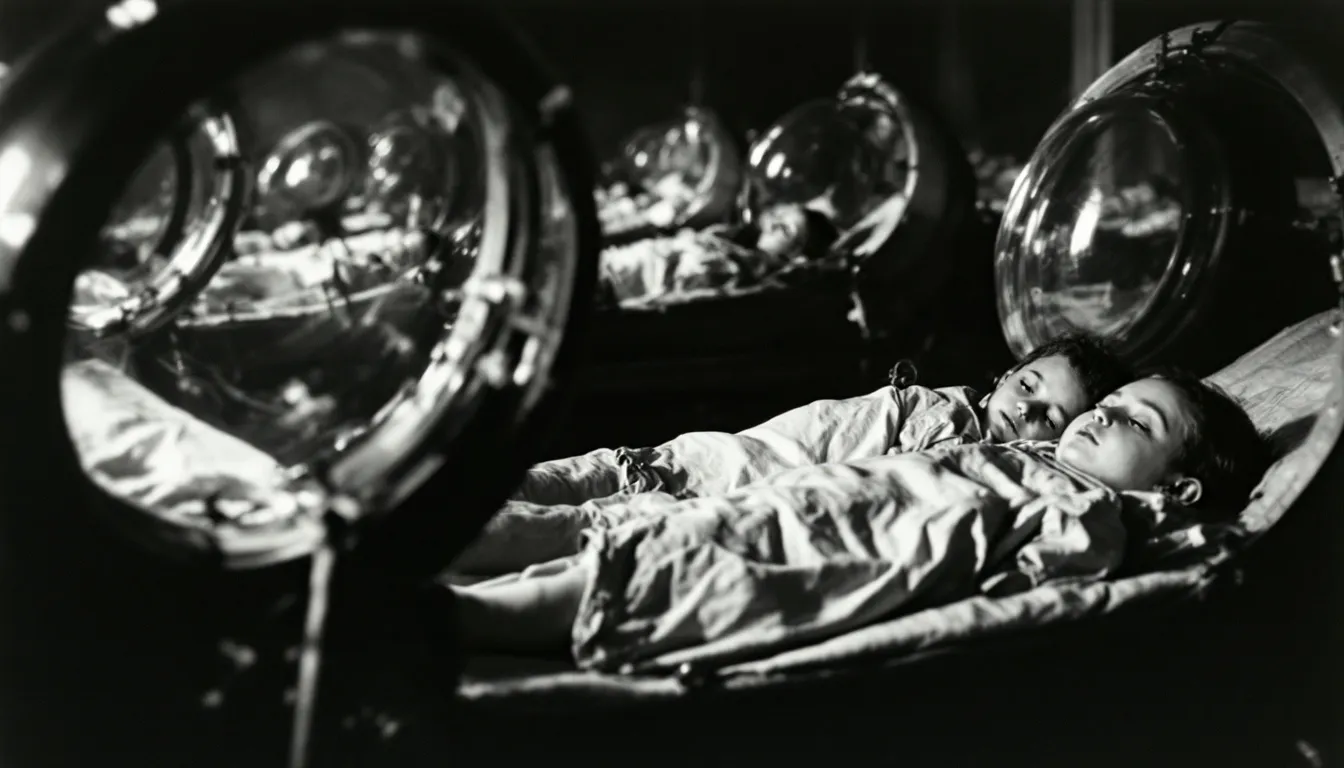
The pre-vaccine era of polio evokes images that defined mid-20th century childhood fears: iron lungs filling hospital wards, swimming pools closed during summer epidemics, and children confined to their homes during peak transmission seasons. The 1952 United States epidemic recorded 57,000 cases, with thousands of children requiring mechanical ventilation in iron lung machines when the virus attacked the neurons controlling breathing muscles.
Franklin D. Roosevelt’s experience with polio brought national attention to the disease’s devastating impact, transforming public understanding of disability while demonstrating that polio could affect anyone regardless of social status or economic circumstance. The March of Dimes, originally founded to support polio research and patient care, mobilized unprecedented public support for vaccine development and distribution.
A major breakthrough in the development of the first poliovirus vaccines was the successful cultivation of poliovirus in human tissue, which enabled researchers to study the virus and create effective vaccines. During vaccine production, the use of nonhuman cells, such as monkey kidney cells, became standard practice for growing and attenuating the virus. The transformation from this feared disease to a preventable condition represents one of public health’s most remarkable achievements. Mass vaccination campaigns with poliovirus vaccines reduced global polio cases by over 99%, from an estimated 350,000 cases in 1988 to fewer than 100 cases annually in recent years. This success saved countless children from paralysis while freeing entire generations from the summer terror that characterized the polio era.
Yet the legacy of polio extends beyond prevented cases. Post-polio syndrome affects 25-40% of polio survivors decades after their initial infection, causing new muscle weakness, pain, and fatigue that can significantly impact quality of life. This delayed complication serves as a reminder that polio prevention through vaccination remains far superior to any treatment for established infection.
Finding and Paying for the Polio Vaccine
Getting vaccinated against polio is easier and more accessible than ever, thanks to a robust network of healthcare providers, community health clinics, and public health departments dedicated to preventing this life-threatening infectious disease. In the United States, the inactivated poliovirus vaccine (IPV) is the only polio vaccine used for routine immunization, ensuring safe and effective protection against all three types of poliovirus. Most children receive IPV as part of their regular childhood vaccination schedule, often combined with other vaccines to streamline the process and maximize coverage.
For individuals who are not fully vaccinated or who face increased risk of polio infection—such as travelers heading to countries where polio outbreaks still occur—polio vaccination can be arranged through a healthcare provider or specialized travel clinic. While the oral polio vaccine (OPV) is no longer used in the US, it remains a critical tool in many countries, especially during mass vaccination campaigns aimed at eradicating polio in regions where the virus still circulates. These efforts, coordinated by organizations like the World Health Organization and the Global Polio Eradication Initiative, are essential for stopping both wild and vaccine-derived polioviruses worldwide.
The cost of the inactivated polio vaccine (IPV) can vary depending on your location, healthcare provider, and insurance status. Fortunately, most health insurance plans in the US cover the full cost of recommended vaccines, including the poliovirus vaccine, as part of routine preventive care. For families without insurance or those who are underinsured, programs like the Vaccines for Children (VFC) initiative offer free or low-cost vaccines to eligible children, ensuring that financial barriers do not prevent anyone from being fully vaccinated against polio.
In addition to the vaccine itself, there may be minor administrative fees or costs associated with office visits, but these are typically minimal compared to the lifelong protection provided. The benefits of polio vaccination—preventing paralytic polio, reducing the risk of polio outbreaks, and contributing to the global effort to eradicate polio—far outweigh any associated costs. By staying up to date with polio vaccination, individuals not only protect themselves but also help safeguard their communities from this potentially devastating infectious disease.
If you have questions about polio vaccination, including the differences between the inactivated polio vaccine (IPV) and the oral polio vaccine (OPV), or concerns about vaccine-associated paralytic polio, your healthcare provider is the best source of personalized guidance. Local health departments and reputable public health organizations can also provide up-to-date information on vaccine availability, eligibility for assistance programs, and the latest recommendations for travelers or those at increased risk.
Staying informed about polio vaccination and global eradication efforts is crucial as the world moves closer to eliminating this disease. Whether you are seeking the only polio vaccine used in the US or learning about bivalent OPV in international contexts, taking action to get vaccinated against polio is a vital step in protecting yourself, your family, and the broader public health.
Current Vaccination Recommendations
Polio vaccination represents the primary prevention strategy against a disease with no cure, requiring different approaches for childhood immunization, adult vaccination, and travel-related protection. Understanding these recommendations helps healthcare providers, policymakers, and individuals make informed decisions about polio vaccination in various circumstances. Individuals with mild illness, such as a cold or minor symptoms, can still receive the vaccine, while those with moderate or severe illness should wait until recovery.
The complexity of modern vaccination schedules reflects both the availability of safe, effective vaccines and the need to optimize protection while minimizing adverse events. Combination vaccines that include polio protection alongside other routine childhood immunizations streamline delivery while ensuring comprehensive protection against multiple vaccine-preventable diseases. The immune response to polio vaccination results in the production of protective antibodies, which provide immunity against poliovirus infection. In some booster or catch-up situations, a single dose of inactivated polio vaccine (IPV) or oral poliovirus vaccine (OPV) may be recommended to achieve or restore protective immunity.
Childhood Vaccination Schedule
The standard childhood polio vaccination schedule involves a 4-dose inactivated polio vaccine series administered at 2 months, 4 months, 6-18 months, and 4-6 years of age, typically delivered as part of combination vaccines that also protect against diphtheria, tetanus, and pertussis. This schedule provides robust, long-lasting immunity against all three poliovirus types while maintaining the safety profile that makes IPV suitable for routine use in children with normal immune systems.
Catch-up vaccination protocols address children who have missed doses or received vaccination outside the standard schedule, with minimum intervals between doses ensuring adequate immune response while allowing flexibility for real-world implementation. Children traveling to polio-affected areas may receive accelerated schedules, with the first dose acceptable as early as 6 weeks of age and minimum 4-week intervals between subsequent doses.
School entry requirements in most jurisdictions mandate completed polio vaccination, with exemption policies varying by location and typically including medical contraindications and, in some areas, religious or philosophical objections. These requirements serve as a crucial backstop for ensuring high vaccination coverage before children enter group settings where infectious disease transmission occurs most readily.
Healthcare providers play a critical role in ensuring timely vaccination while addressing parental concerns about vaccine safety, spacing, and necessity. Clear communication about the continued importance of polio vaccination, even in countries where the disease hasn’t been seen for decades, helps maintain the high coverage rates necessary for population protection.
Adult Vaccination Needs
Most adults in countries with established polio vaccination programs received childhood immunization that provides lifelong protection against paralytic polio, making routine adult vaccination unnecessary for the majority of the population. However, specific circumstances warrant adult polio vaccination, including international travel to areas with ongoing poliovirus transmission, laboratory work involving poliovirus, and healthcare work in settings where exposure risk may be elevated.
High-risk adults who were never vaccinated require a 3-dose primary series administered at 0, 1-2, and 6-12 month intervals, while those at increased risk who received childhood vaccination may need a single lifetime booster dose. The decision to vaccinate adults requires careful assessment of individual risk factors, travel plans, and occupational exposures.
Adults vaccinated outside the United States may have received different vaccines or schedules, requiring individualized assessment to determine if additional vaccination is warranted. Documentation of previous vaccination, while helpful, may not always be available or reliable, making clinical judgment crucial in determining appropriate recommendations.
Healthcare providers should maintain awareness of changing global polio epidemiology and travel recommendations, as the risk assessment for adult vaccination may change based on evolving virus circulation patterns and outbreak situations in various countries.
Travel Requirements
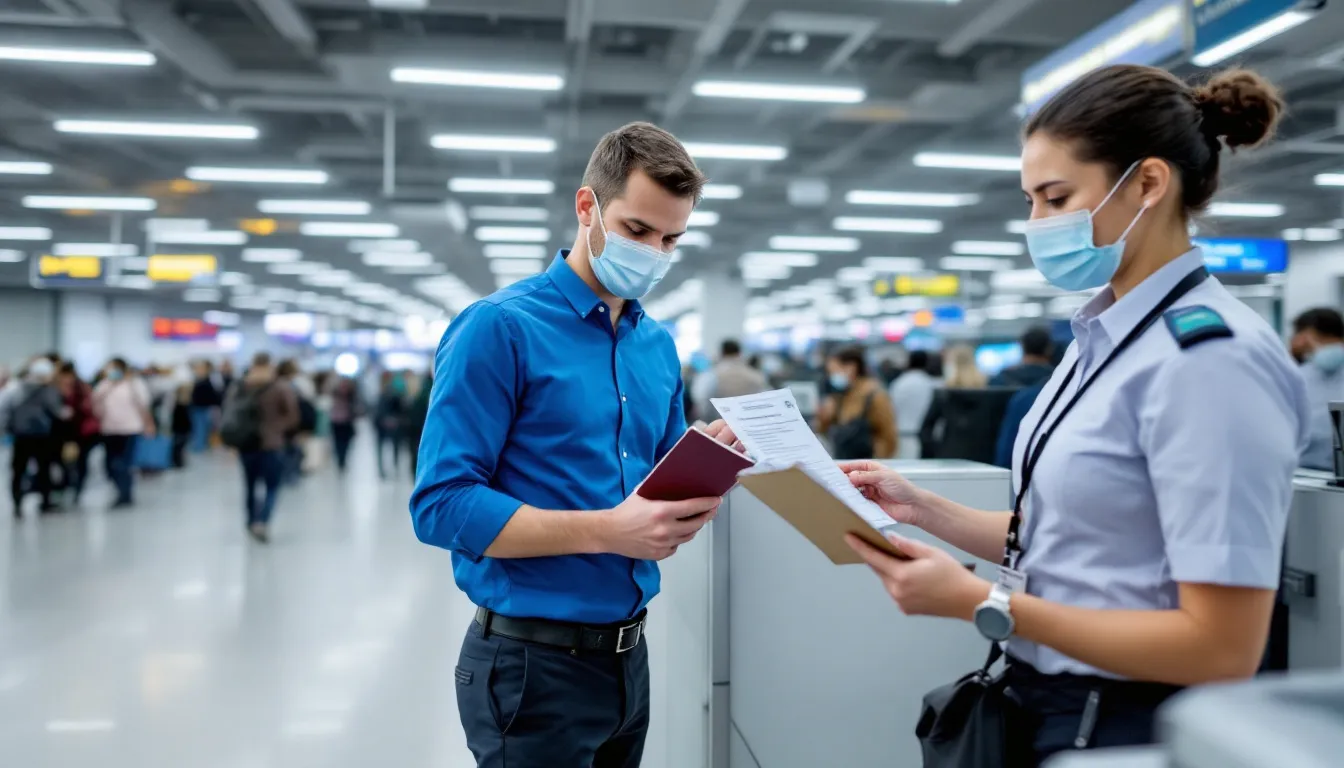
International Health Regulations require vaccination certificates for travel from countries affected by polio transmission, with these requirements serving both individual protection and global containment objectives. The 12-month validity period for vaccination certificates and 4-week minimum advance timing ensure travelers are protected while preventing international spread of poliovirus through travel.
Current high-risk countries requiring vaccination documentation include Afghanistan and Pakistan, where wild poliovirus continues to circulate, plus additional countries experiencing vaccine-derived poliovirus outbreaks. These requirements change based on evolving epidemiological conditions, making it essential for travelers and healthcare providers to check current recommendations before international travel.
Travel-related vaccination requirements extend beyond individual protection to serve as a critical component of global polio containment strategy. By ensuring that travelers from affected areas are vaccinated before departure, these requirements help prevent international virus spread while maintaining pressure for strong vaccination programs in affected countries.
Healthcare providers advising international travelers should be familiar with current requirements while emphasizing that vaccination provides individual protection regardless of regulatory requirements. For travelers from well-vaccinated countries, there is a very small risk of contracting polio, especially when vaccination coverage is high and public health measures are in place. The relatively low cost and excellent safety profile of IPV make it a reasonable precaution for travelers to any area with suboptimal vaccination coverage, even if not specifically required.
Safety Profile and Side Effects
The inactivated polio vaccine maintains an excellent safety record established over decades of use in hundreds of millions of individuals worldwide, with serious adverse events remaining extremely rare and generally limited to allergic reactions in susceptible individuals. In rare cases, an allergic reaction may occur shortly after vaccination, with symptoms such as difficulty breathing, swelling, or a skin rash; immediate medical attention should be sought if these symptoms develop. This safety profile reflects both the inactivated nature of the vaccine, which cannot cause polio infection, and extensive manufacturing safeguards that ensure product quality and purity.
Common side effects of IPV remain mild and localized, primarily involving injection site soreness, redness, or swelling that resolves within a few days without treatment. Systemic reactions such as fever or irritability occur less frequently and typically resolve quickly. These minor side effects reflect normal immune system activation and indicate that the vaccine is working to generate protective immunity.
The vaccine contains trace amounts of antibiotics—streptomycin, polymyxin B, and neomycin—used during manufacturing to prevent bacterial contamination. Individuals with known allergies to these antibiotics should discuss alternatives with their healthcare provider, though severe allergic reactions remain exceptionally rare even among individuals with documented antibiotic allergies.
Historical concerns about SV40 contamination in polio vaccines manufactured between 1955 and 1963 led to enhanced safety measures in current vaccine production, including the use of SV40-free cell lines and extensive testing protocols. Modern manufacturing standards eliminate this historical risk while maintaining the effectiveness that has made IPV the backbone of polio prevention in developed countries.
Unlike OPV, IPV cannot cause vaccine-associated paralytic polio because the killed virus cannot replicate or revert to a neurovirulent form. Polio primarily targets the nervous system, especially the spinal cord, where the virus can infect and damage nerve cells, leading to paralysis and other neurologic complications. This fundamental safety advantage makes IPV the preferred choice for routine immunization in countries with strong health systems and high vaccination coverage, where the benefits of OPV’s enhanced intestinal immunity and community protection effects are less critical.
Recent Outbreaks: Lessons in Vigilance
The 2022 Rockland County polio case marked the first paralytic polio diagnosis in the United States since 2013, serving as a stark reminder that declining vaccination coverage creates vulnerability even in countries with decades of successful polio prevention. The unvaccinated young adult’s infection with vaccine-derived poliovirus highlighted how global virus circulation can affect local communities when immunization gaps provide entry points for transmission.
Simultaneous sewage surveillance findings in London revealed poliovirus circulation in communities with suboptimal vaccination coverage, prompting targeted catch-up campaigns to prevent outbreak establishment. These detections occurred in areas with significant populations who had received primary immunization outside the UK, emphasizing the importance of ensuring adequate protection regardless of where initial vaccination occurred.
Recent circulating vaccine-derived poliovirus outbreaks in Africa and Asia demonstrate the continued vulnerability of areas with declining routine immunization coverage. Countries that had eliminated wild poliovirus decades earlier experienced new outbreaks when vaccination coverage dropped below critical thresholds, requiring intensive outbreak response campaigns to restore population immunity and interrupt transmission.
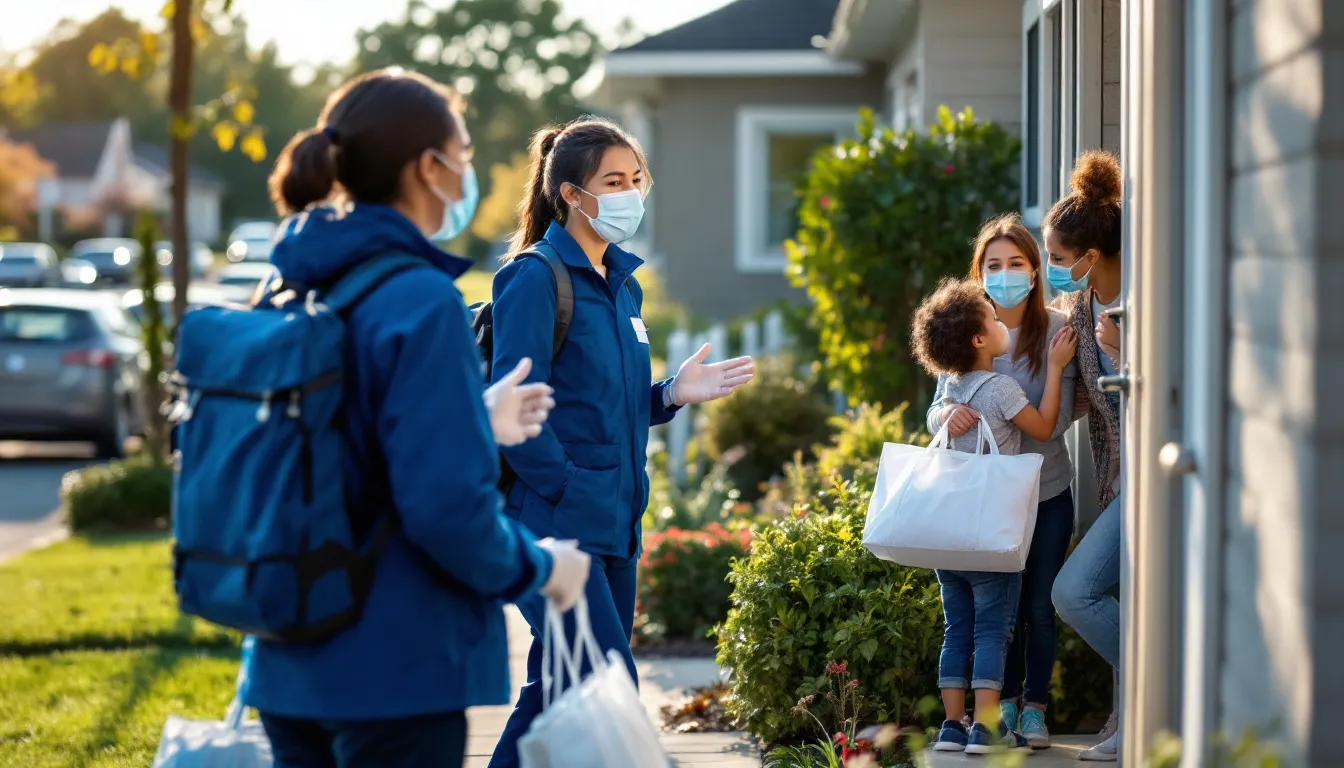
These outbreaks connect directly to broader trends in vaccine hesitancy affecting not only polio but also measles, diphtheria, and other vaccine-preventable diseases. Communities that reject or delay childhood vaccination create clusters of susceptibility that can sustain transmission of multiple pathogens, making polio vaccination part of a larger conversation about maintaining robust immunization programs.
The speed with which poliovirus can spread in under-immunized populations—evidenced by rapid geographic expansion during recent outbreaks—underscores the importance of maintaining high vaccination coverage rather than relying on outbreak response after transmission is established. Early detection through surveillance provides crucial lead time, but prevention through sustained immunization remains far more effective than reactive containment efforts.
The Path Forward: Maintaining Protection Until True Eradication
Stopping polio vaccination before achieving global eradication would invite rapid resurgence, as demonstrated by mathematical models showing that discontinuing immunization while poliovirus exists anywhere in the world could lead to hundreds of thousands of cases within decades. This sobering reality emphasizes that sustained vaccination programs remain essential until the virus is completely eliminated from human populations worldwide.
Maintaining high vaccination coverage requires robust surveillance systems that can detect virus circulation before paralytic cases appear, combined with rapid outbreak response capabilities that can quickly restore population immunity when gaps are identified. These systems depend on strong routine immunization programs, well-functioning laboratories, and coordinated public health infrastructure that extends far beyond polio-specific activities.
Healthcare providers serve as the front line for maintaining polio vaccination coverage through consistent recommendations, addressing vaccine concerns with evidence-based information, and ensuring timely administration according to recommended schedules. Their role extends beyond individual patient care to encompass community protection through achieving and maintaining high coverage rates in their practice populations.
Policymakers must sustain financial and political commitment to immunization programs even when vaccine-preventable diseases become rare, recognizing that the infrastructure required for polio eradication also strengthens pandemic preparedness and broader public health capabilities. School immunization requirements, vaccine financing mechanisms, and support for global eradication efforts all contribute to maintaining the progress achieved over decades of coordinated action.
Communities play a crucial role in sustaining vaccination programs through acceptance of immunization recommendations, support for public health measures, and recognition that individual vaccination decisions have collective consequences. The concept of community immunity—protection that extends beyond vaccinated individuals to encompass entire populations—depends on broad participation in vaccination programs.
The connection between polio vaccination and broader immunization system strengthening reveals how success against one disease creates capabilities that protect against multiple threats. Surveillance systems developed for polio detection can identify other infectious disease outbreaks, while vaccination delivery infrastructure supports routine immunization against numerous vaccine-preventable diseases.
As we stand on the brink of polio eradication—closer than ever to eliminating a disease that once terrorized communities worldwide—maintaining vigilance through continued vaccination represents both a tribute to the extraordinary progress achieved and an investment in the final push toward a polio-free world. The two vaccines that have brought us this far continue to serve complementary roles: IPV providing safe, effective protection in routine programs, and OPV remaining essential for outbreak response and high-transmission settings.
The stakes of this moment in public health history extend beyond polio itself. Successfully completing eradication while maintaining strong immunization systems demonstrates that coordinated global action can eliminate infectious diseases, providing a model for addressing future health threats while protecting the gains achieved through decades of dedicated effort. Until that final goal is reached, polio vaccination remains not just a medical intervention but a commitment to future generations who deserve to live free from the fear of paralytic polio.

