
Table of Contents
Published: October 6, 2025
Read Time: 16.5 Mins
Total Views: 202
As an infectious disease physician who has witnessed both the devastating impact of vaccine preventable diseases and the remarkable success of vaccination campaigns, I have seen firsthand how community immunity can transform public health outcomes. During my career studying disease transmission patterns and implementing infection control strategies, one concept has consistently proven central to protecting entire populations: herd immunity, also called community immunity.
The stakes of understanding this concept correctly have never been higher. Misinformation about herd immunity has proliferated during the coronavirus disease pandemic, leading some to advocate for dangerous approaches that would expose people unnecessarily to deadly diseases. Meanwhile, vulnerable community members—newborn babies, immunocompromised individuals, and many children who cannot receive vaccines—depend on the rest of us to create a protective barrier through vaccination.
This guide examines the science behind herd immunity, dispels common misconceptions, and explains why achieving herd immunity through vaccination represents both a medical necessity and an ethical imperative for communities worldwide.
What Is Herd Immunity?
Herd immunity occurs when a sufficient proportion of the population becomes immune to a contagious disease, creating indirect protection for those who remain susceptible. This phenomenon transforms individual immunity into community-wide protection, effectively breaking the chains of disease transmission that would otherwise spread infection throughout a population.

Think of herd immunity like firebreaks in a forest. When enough trees are removed or treated to resist fire, flames cannot jump from one area to another, protecting the entire forest even though some individual trees remain vulnerable. Similarly, when enough people develop immunity to an infectious disease, the pathogen cannot find enough susceptible hosts to sustain transmission, protecting even those who are not immune.
This population immunity creates what epidemiologists call indirect protection—shielding individuals who cannot be vaccinated due to age, medical conditions, or compromised immune systems. Unlike individual protection, which only benefits the vaccinated person, herd immunity extends protection across the whole population, making it a fundamentally communal phenomenon.
The concept applies specifically to contagious diseases that spread from person to person. Diseases transmitted directly from animals to humans, or those caused by environmental exposure, cannot be controlled through herd immunity because human-to-human transmission is not required for their persistence.
The Science Behind Herd Immunity
Understanding how herd immunity works requires grasping a key epidemiological concept: the basic reproduction number, known as R₀ (R-naught). This number represents how many people, on average, one infected person will infect in a completely susceptible population. The R₀ determines the herd immunity threshold—the critical proportion of immune individuals needed to prevent sustained disease transmission.
The mathematical relationship is straightforward: Herd Immunity Threshold = 1 – (1/R₀). This formula reveals why more contagious diseases require higher levels of population immunity to achieve protection.
Consider these specific examples from my clinical experience and epidemiological research:
Measles exemplifies why achieving high vaccination rates matters so critically. With an R₀ between 12 and 18, each infected person can transmit the virus to more than a dozen others in an unprotected population. This extraordinary contagiousness means that 95% of the population must be immune to reliably prevent outbreaks—leaving very little margin for undervaccination.
When vaccinated people encounter an infectious disease, their immune systems recognize and neutralize the pathogen before it can establish infection or be transmitted to others. These immune individuals act as circuit breakers in the transmission chain, preventing the pathogen from reaching susceptible community members. The more immune individuals present in a population, the more difficult it becomes for any infectious disease to find a pathway through the community.
Vaccines achieve this protection by training the immune system to produce antibodies and activate cellular defenses without causing the actual disease. This process mimics natural infection but eliminates the risks of illness, long-term complications, and death associated with the pathogen itself.
Two Pathways to Immunity: Vaccination vs. Natural Infection
Vaccination: The Safe and Ethical Path
Vaccination represents the safest, most reliable method for communities to achieve herd immunity. Vaccines work by presenting the immune system with harmless pieces of a pathogen—or weakened versions that cannot cause disease—allowing the body to develop protective antibodies and immune responses without experiencing illness.
The historical record demonstrates vaccination’s remarkable success in protecting populations. Smallpox, which killed an estimated 300 million people in the 20th century alone, became the first human disease eradicated through coordinated vaccination efforts. The World Health Organization declared smallpox eliminated in 1980, ending millennia of suffering from this devastating virus.
Polio provides another compelling example. Since 1988, global vaccination campaigns have reduced polio cases by 99%, from 350,000 annual cases across 125 countries to fewer than 200 cases confined to just two nations. This dramatic reduction prevented an estimated 18 million people from becoming paralyzed and saved countless lives.
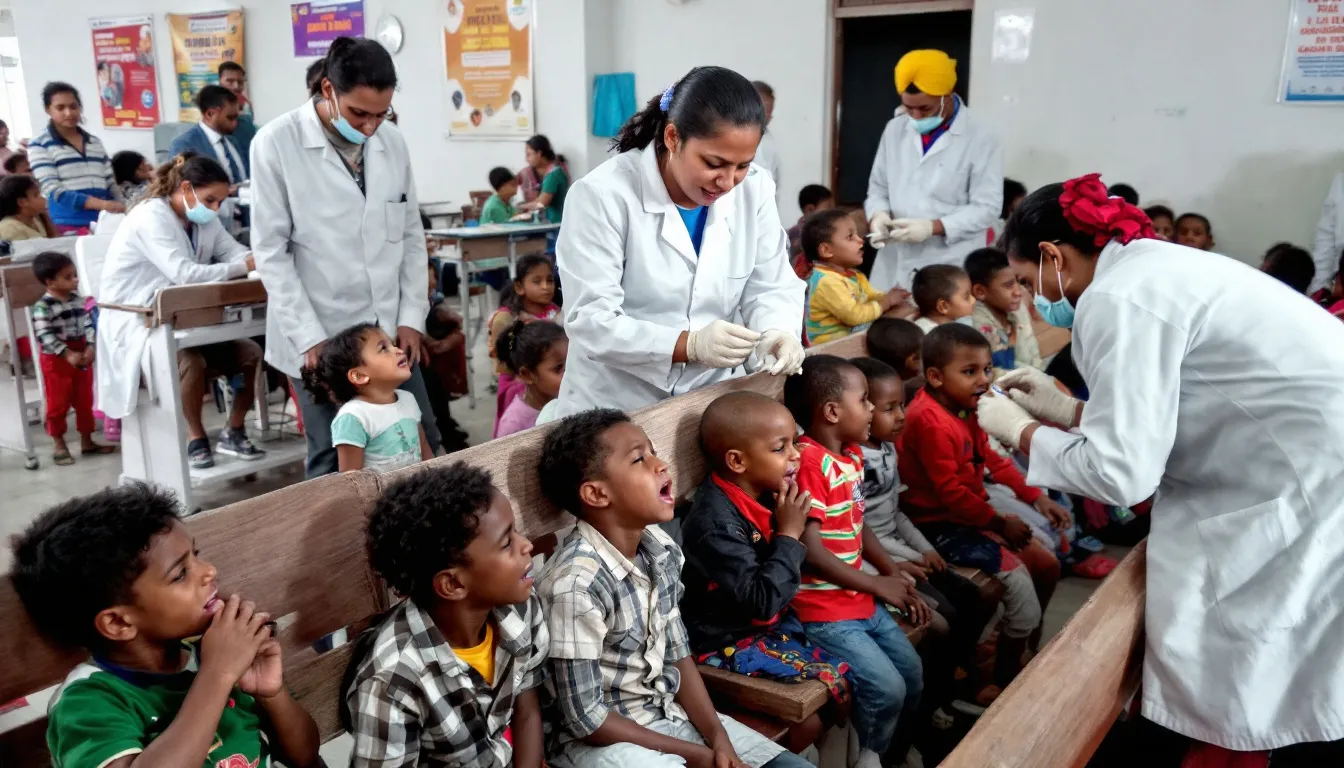
Measles vaccination has prevented approximately 21 million deaths between 2000 and 2017 alone, according to data from the World Health Organization. Before the measles vaccine became available in 1963, this highly contagious disease killed approximately 2.6 million people annually, with many children suffering severe complications including brain inflammation, pneumonia, and permanent disability.
Vaccination protects both individuals and communities simultaneously. When most people receive vaccines, the resulting high vaccination rates create a protective umbrella that shields vulnerable community members who cannot be immunized. This dual benefit makes vaccination uniquely powerful as a public health intervention.
Natural Infection: The Dangerous Alternative
Some advocate for achieving herd immunity through natural infection rather than vaccination, arguing that “natural immunity” provides superior or more durable protection. This approach is not only scientifically problematic but ethically unacceptable for several critical reasons.
First, relying on natural infection requires exposing people to the full disease process, including all associated risks of severe illness, long-term complications, and death. Before vaccination became available, infectious diseases imposed enormous tolls on human populations. Measles alone killed 2.6 million people annually; polio paralyzed thousands of children each year; and influenza pandemics regularly claimed millions of lives worldwide.
Second, immunity following natural infection varies dramatically between individuals and diseases. Some infections provide long-lasting protection, while others offer only temporary immunity that wanes over time. Previous infection with seasonal influenza, for example, provides limited protection against subsequent strains, requiring annual vaccination to maintain community protection.
Third, natural infection can overwhelm healthcare systems and disproportionately impact vulnerable populations. During the COVID-19 pandemic, hospitals in many countries reached capacity treating severe cases, forcing delays in other medical care and resulting in preventable deaths from both COVID-19 and other diseases.
Finally, achieving herd immunity through natural infection often requires infection rates that would result in unacceptable mortality. For COVID-19, with an infection fatality rate around 0.5-1% in most populations, reaching the 80-85% infection rate needed for herd immunity would translate to millions of deaths in large countries—an unconscionable human cost when safe, effective vaccines are available.
COVID-19 and the Herd Immunity Challenge
The coronavirus disease pandemic has highlighted both the promise and complexity of achieving herd immunity in real-world conditions. Early in the pandemic, epidemiologists estimated that 60-70% of the population would need immunity to reach the herd immunity threshold, based on initial R₀ estimates of 2.5-3.0 for the original SARS-CoV-2 virus.
However, several factors have complicated these initial calculations. The emergence of more transmissible variants, particularly the Delta and Omicron strains, significantly increased the virus’s R₀ value, pushing herd immunity threshold estimates to 80-85% or higher. Additionally, we discovered that immunity—whether from vaccination or previous infection—wanes over time, requiring booster vaccinations to maintain protection.

The virus’s ability to evolve and partially evade immune responses has further complicated efforts to reach stable herd immunity. New variants can reinfect people who recovered from earlier strains and cause breakthrough infections in vaccinated individuals, though vaccination continues to provide strong protection against severe disease and death.
These challenges have led public health experts to recalibrate expectations for COVID-19. Rather than pursuing complete elimination through herd immunity, current strategies focus on maintaining high vaccination rates to reduce severe illness, hospitalization, and death while accepting that some level of ongoing transmission may be inevitable.
This evolution in thinking reflects the dynamic nature of infectious disease control. As we learn more about how viruses behave and spread, our strategies must adapt accordingly. For COVID-19, this means emphasizing the continued importance of vaccination, including booster doses, while developing updated vaccines that target emerging variants.
Debunking Common Myths and Misconceptions
Misinformation about herd immunity has proliferated widely, particularly during the COVID-19 pandemic. As someone who has studied infectious diseases for decades, I feel compelled to address the most persistent and dangerous myths that continue to circulate.
Myth: “Natural immunity is always better than vaccine immunity.”
This oversimplification ignores the fundamental trade-offs involved. While natural infection sometimes produces robust immune responses, it comes at the cost of experiencing the actual disease, with all associated risks of complications, long-term effects, and death. Vaccines provide immune training without these dangers, often producing immunity comparable to or better than natural infection.
For some diseases, vaccines actually provide superior protection to natural infection. The HPV vaccine, for example, produces higher and more sustained antibody levels than natural HPV infection, providing better long-term protection against cervical cancer and other HPV-related diseases.
Myth: “Vaccines are more dangerous than the diseases they prevent.”
Extensive safety monitoring of vaccines has consistently demonstrated that serious adverse events are extremely rare, while the diseases vaccines prevent can cause severe illness, disability, and death. The risk-benefit calculation overwhelmingly favors vaccination for virtually all vaccine preventable diseases.
Consider measles: the vaccine causes serious allergic reactions in fewer than one in a million doses, while measles infection causes brain inflammation in one of every 1,000 cases and kills one to two children per 1,000 infected.
Myth: “Letting disease spread naturally is a viable public health strategy.”
This approach, sometimes called “natural herd immunity,” would require accepting massive numbers of preventable deaths and overwhelmed healthcare systems. For most infectious diseases, the human cost of reaching herd immunity through natural infection far exceeds any theoretical benefits.
During the 1918 influenza pandemic, approximately 50 million people died worldwide despite the absence of international air travel and much lower population density. Modern interconnectedness would likely make natural spread even more devastating for highly transmissible diseases.
Who Benefits from Herd Immunity?
Herd immunity provides protection for the entire community, but certain groups benefit especially from this indirect protection. Understanding who relies on community immunity helps clarify why vaccination represents a social responsibility, not merely a personal choice.
Immunocompromised individuals with weakened immune systems cannot mount strong responses to vaccines. People receiving chemotherapy for cancer, organ transplant recipients taking immunosuppressive medications, and individuals with certain genetic immune deficiencies depend on surrounding community members to prevent disease circulation.
Newborn babies represent one of the most vulnerable groups requiring community protection. Infants cannot receive most vaccines until they are several months old, leaving them susceptible to diseases like measles, pertussis, and influenza during their first year of life. High vaccination rates in the community create a protective cocoon around these vulnerable children.
Pregnant women face increased risks from many infectious diseases, which can cause complications for both mother and developing baby. Community immunity helps protect pregnant women from exposure, reducing risks of birth defects, premature delivery, and other pregnancy complications associated with infections.

Elderly individuals often experience waning immunity over time, making them more susceptible to infectious diseases despite previous vaccination. High community vaccination rates help protect older adults, particularly those in care facilities where diseases can spread rapidly among vulnerable populations.
One example of indirect protection extending beyond the immediate target population involves HPV vaccination. When vaccination rates among young women increased significantly, cervical cancer rates declined not only in vaccinated women but also in unvaccinated women who benefited from reduced virus circulation in their communities.
Similarly, pneumococcal vaccination in children dramatically reduced pneumonia and meningitis rates in unvaccinated adults and elderly individuals. This phenomenon, known as “spillover protection,” demonstrates how vaccination benefits extend throughout interconnected communities.
The Ethical Imperative of Community Protection
Vaccination transcends individual health decisions to become a matter of community solidarity and ethical responsibility. When we choose to get vaccinated, we contribute to a collective defense system that protects society’s most vulnerable members.
This ethical dimension becomes particularly clear when considering health equity. Infectious diseases disproportionately impact marginalized communities with limited access to healthcare, crowded living conditions, and underlying health disparities. High vaccination rates in more advantaged communities help protect these vulnerable populations from disease spread.
The concept of positive externalities in economics applies directly to vaccination. When individuals receive vaccines, they generate benefits that extend far beyond their personal protection, creating value for the entire community. These external benefits—protecting immunocompromised neighbors, shielding newborns, preventing healthcare system overload—represent powerful justifications for public investment in vaccination programs.
Balancing individual choice with collective well-being requires acknowledging that our health decisions affect others. The principle of reciprocity suggests that just as we benefit from others’ vaccination decisions, we have obligations to contribute to community protection through our own vaccination choices.
This framework does not ignore legitimate individual concerns about vaccination but places them in the broader context of community responsibility. Addressing vaccine hesitancy requires empathetic engagement with concerns while clearly communicating the scientific evidence supporting vaccination’s safety and effectiveness.
Religious and philosophical exemptions to vaccination requirements remain contentious issues in many communities. Public health authorities must balance respect for individual beliefs with the need to maintain vaccination rates sufficient for community protection, particularly in settings like schools where vulnerable children congregate.
Current Status and Future Outlook
Global progress toward achieving herd immunity varies dramatically by disease and region. Measles provides a sobering example of how fragile herd immunity can be. Despite having safe, effective vaccines available for decades, measles cases increased by 30% globally between 2016 and 2019, primarily due to declining vaccination rates in some communities.
The 2019 measles outbreak in the United States, which resulted in over 1,200 cases across 31 states, demonstrated how quickly disease can spread when vaccination rates drop below the herd immunity threshold. Most cases occurred in communities with high rates of vaccine refusal, illustrating the direct connection between vaccination coverage and disease outbreaks.
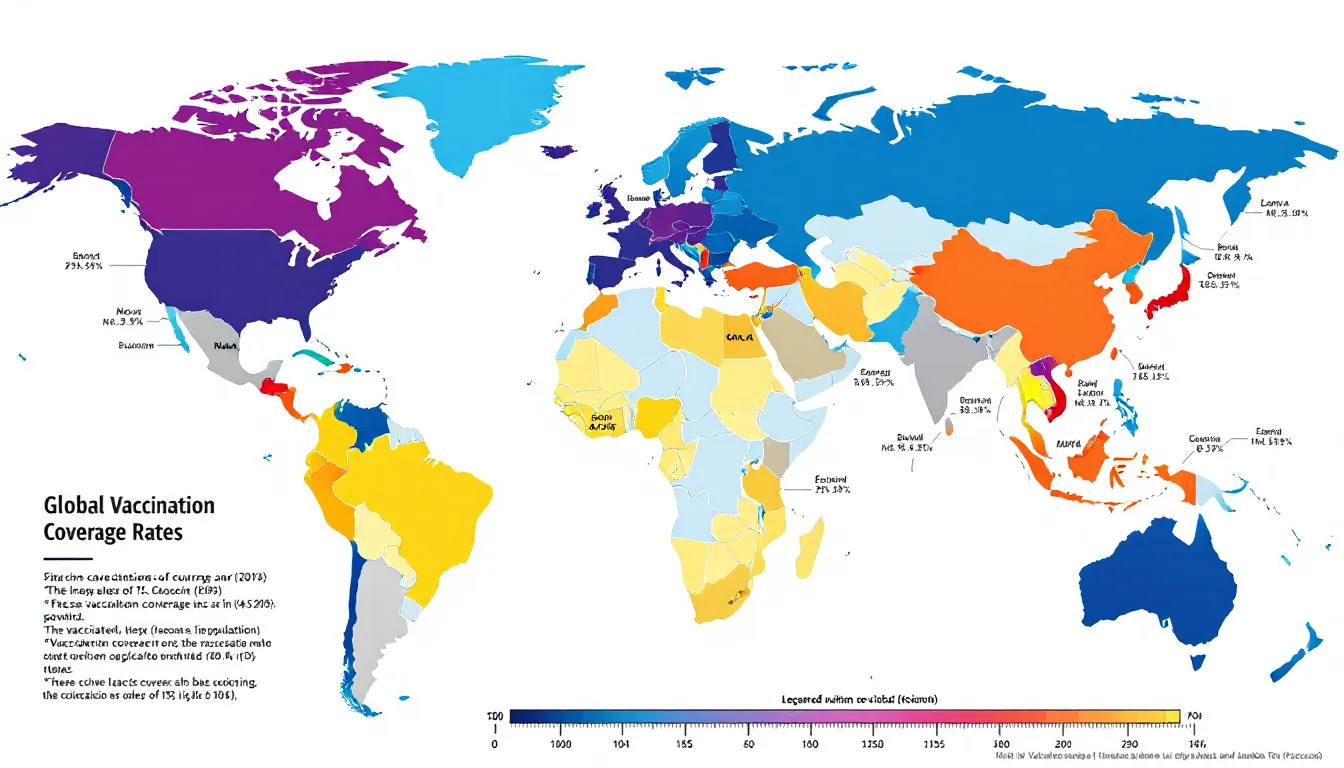
For COVID-19, vaccination progress has been substantial but uneven. While some countries achieved high vaccination rates rapidly, global coverage remains inadequate to achieve stable herd immunity. The emergence of variants that can partially evade immune responses has further complicated efforts to reach and maintain protective immunity levels.
Booster vaccinations have become essential for maintaining protection against COVID-19, particularly for elderly individuals and immunocompromised patients whose initial immune responses may wane more rapidly. Evidence suggests that booster doses significantly enhance protection against severe disease and death, even when breakthrough infections occur.
Updated vaccines targeting new variants represent an important frontier in maintaining effective immunity. The development of bivalent vaccines that target both original and variant strains demonstrates the scientific community’s ability to adapt vaccination strategies as viruses evolve.
Looking forward, several factors will influence our ability to achieve and maintain herd immunity for various diseases:
Vaccine technology advances may provide broader, longer-lasting immunity requiring fewer booster doses. Universal flu vaccines and pan-coronavirus vaccines under development could potentially provide protection against multiple strains or variants.
Global vaccine equity remains essential for controlling infectious diseases in our interconnected world. Viruses do not respect borders, and variants emerging in undervaccinated regions can spread globally, undermining immunity achievements elsewhere.
Public communication strategies must continue evolving to address misinformation and build confidence in vaccination. Trusted community leaders, healthcare providers, and public health officials all play crucial roles in maintaining high vaccination rates.
Surveillance systems need enhancement to detect outbreaks early and monitor immunity levels in populations. Understanding how long immunity lasts and when booster doses are needed requires ongoing monitoring of both vaccinated and unvaccinated individuals.
The long-term outlook for herd immunity depends on our collective commitment to evidence-based public health practices. Diseases like polio and measles remain controllable through vaccination, but only if we maintain high coverage rates and resist complacency about vaccine preventable diseases.
For COVID-19, experts increasingly view the virus as becoming endemic rather than eliminable through herd immunity. This transition requires shifting focus from preventing all infections to preventing severe disease, hospitalizations, and deaths through sustained vaccination efforts.
Achieving herd immunity remains within our reach for many diseases, but only through sustained commitment to vaccination and evidence-based public health practices. The choice between vaccination and natural infection as pathways to community protection is not merely a scientific question but a moral one, with clear implications for human suffering and social justice.
As we face current and future infectious disease challenges, the principle of herd immunity will continue guiding our response strategies. By choosing vaccination, we participate in one of humanity’s most successful collective endeavors: protecting our communities from preventable diseases through shared immunity and mutual care.

