
Table of Contents
Published: October 6, 2025
Read Time: 3.1 Mins
Total Views: 251
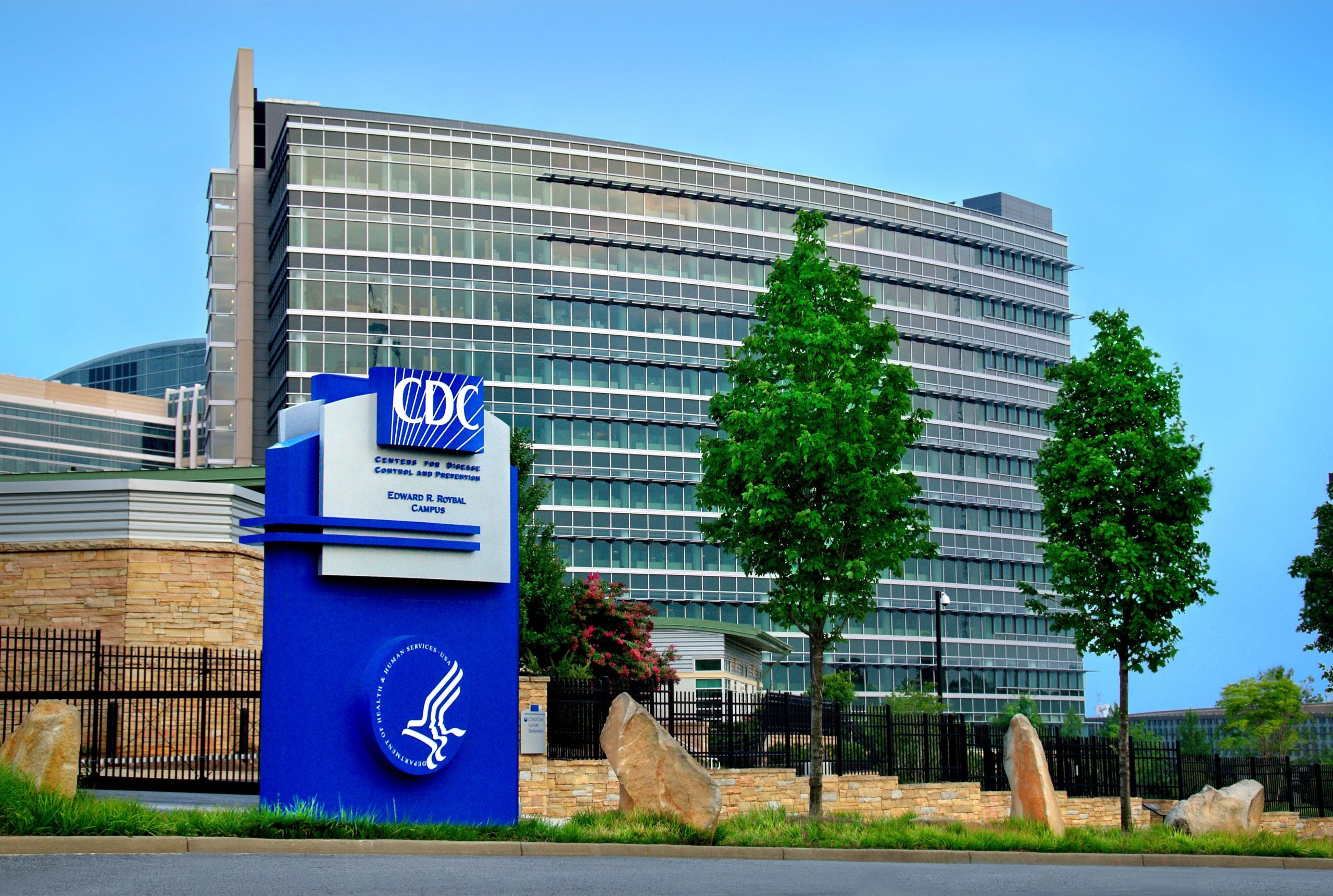
This is a brief overview of major news about CDC from the past week September 29-October 4, 2025. In this overview, I will describe the major themes from CDC news coverage and reference important insights and events within these themes.
Shutdown disrupts CDC operations and public health services
The federal government shutdown that began on October 1 has immediate and predictable effects. HHS estimates that about 41 percent of its workforce is furloughed. Multiple reports describe deteriorating morale at CDC and concern about permanent job losses. Local health departments report uncertainty about staffing, surveillance, and nutrition services.
- CIDRAP reported that “41% of HHS workforce [is] furloughed.”
- CBS News Atlanta covered CDC workers facing uncertain pay and futures.
- Fox5 Atlanta highlighted staff saying morale has never been lower.
- CNN described local concerns about outbreaks, staffing, and WIC services.
- Nature argued this shutdown is different because it contemplates mass layoffs across science agencies.
Vaccine access and national standards under strain
Delayed CDC guidance and funding pauses are cascading into clinic closures and confusion. States are stepping in unevenly. Debates about vaccine schedules and ACIP deliberations add to uncertainty. Evidence still supports strong benefits from routine immunization.
- NPR reported that CDC has not issued updated COVID vaccine guidance, leaving access in limbo.
- Baltimore Banner noted Howard County schools canceled vaccine clinics.
- Nebraska Public Media described extra steps now required for COVID shots.
- KFF Health News covered ACIP’s discussion of the HepB birth dose.
- CIDRAP summarized evidence that COVID vaccination prevented hospitalizations among infants and pregnant people.
- CBS News reported on calls to split the MMR vaccine; experts see no evidence to support changes.
Shutdown politics and ACA subsidies
The debate about whether to extend enhanced ACA premium tax credits is central to current negotiations. Public opinion is unambiguous in support of the federal government extending these credits to keep healthcare more affordable.
- KFF found that 78 percent of adults want Congress to extend these credits.
- The Conversation explained how the subsidy debate intersects with shutdown impacts on care.
Global health spillovers
U.S. policy changes reverberate globally. Recent reports link aid cuts to malaria deaths in Cameroon. Previous investigations documented drug supply interruptions that cost lives.
- Reuters documented increased malaria deaths following cuts to community health and drug supply programs.
- Washington Post investigated how a USAID pause stranded lifesaving drugs.
Scientific capacity and biosecurity risk
Federal science faces both immediate shutdown constraints and longer-term attrition. At the same time, AI creates new challenges for biosurveillance and regulation.
- Nature emphasized how mass layoffs would degrade scientific capacity.
- Washington Post reported that AI can generate toxic protein sequences that evade current DNA screening.
Persistent infectious disease threats need continuity
Even as attention shifts to the shutdown, long-standing threats demand uninterrupted surveillance and response.
- Medscape reported increasing congenital syphilis. Paywall may apply.
- CIDRAP summarized herd effects from HPV vaccination.
What does all this news mean? Unfortunately, we should expect prolonged operational instability if furloughs persist and especially if they turn into layoffs. Vaccine access has historically depended on timely federal guidance, funding, and logistic support. Absent that, states will diverge in policy and practice.




