
Table of Contents
Published: October 1, 2025
Read Time: 17.7 Mins
Total Views: 287
The robots in the medical industry represent one of healthcare’s most significant technological transformations, yet their real-world impact requires careful examination beyond the headlines. As Dr. Jay Varma observes, the medical robotics market, valued at $14.9 billion in 2024 and projected to reach $57 billion by 2032, demands evidence-based evaluation rather than technological enthusiasm alone. This analysis examines the clinical data, population health implications, and practical considerations that healthcare professionals, policymakers, and patients must understand when navigating this rapidly evolving landscape.
The integration of robotic systems into healthcare facilities represents a fundamental shift in how medical practices deliver patient care, from minimally invasive surgeries to routine logistical tasks in hospital rooms. However, the true measure of success lies not in technological sophistication but in measurable improvements to patient outcomes, healthcare efficiency, and population health equity.

Current State of Medical Robotics
The contemporary deployment of healthcare robotics spans four primary domains: surgical assistance, rehabilitation therapy, patient care support, and hospital operations management. Healthcare organizations worldwide have invested heavily in these technologies, with over 6,000 da Vinci surgical systems currently active globally, having performed more than 10 million procedures since FDA approval in 2000.
Dr. Varma’s assessment of current implementation data reveals a healthcare sector in transition, where robotic assistance has moved from experimental applications to standard practice in specific clinical contexts. The integration with existing healthcare infrastructure requires substantial workflow modifications, training protocols, and quality assurance measures that extend far beyond the initial technology acquisition.
Medical robots now operate across diverse healthcare environments, from patient rooms in major academic medical centers to specialized rehabilitation facilities serving elderly patients. The widespread adoption varies significantly by geographic region, healthcare system resources, and regulatory frameworks, creating disparities in access that warrant public health consideration.
Healthcare providers report that successful robotics integration depends heavily on interdisciplinary collaboration, comprehensive staff training, and robust technical support systems. The evidence suggests that institutions with strong change management processes and adequate financial resources achieve better outcomes than those implementing robotic systems without sufficient preparation.
Surgical Robotics: Evidence-Based Applications
The da Vinci Surgical System exemplifies both the potential and limitations of surgical robotics, with clinical outcomes data spanning over two decades of implementation across multiple surgical specialties. Comparative effectiveness research demonstrates measurable benefits in specific procedures, particularly in urology, gynecology, and cardiothoracic surgery, where confined anatomical spaces and complex tissue manipulation favor robotic precision.
In urologic procedures, particularly prostatectomy, meta-analyses show robotic approaches achieve reduced blood loss, shorter hospital stays, and similar oncologic outcomes compared to traditional surgery methods. Major medical centers including Johns Hopkins and Mayo Clinic report operative time improvements and decreased complication rates as surgical teams gain experience with robotic systems.
Gynecologic applications demonstrate similar patterns, with minimally invasive procedures for hysterectomy and myomectomy showing faster recovery times and reduced postoperative pain scores. However, the surgical team must maintain proficiency in both robotic and conventional techniques, as not all patients or clinical scenarios benefit from robotic intervention.
Cardiothoracic surgery represents perhaps the most compelling evidence base for surgical robots, where the precision required for coronary artery bypass and valve repair procedures leverages robotic capabilities effectively. The enhanced visualization and motion scaling provide surgeons with capabilities that extend beyond human limitations in these complex procedures.
The evidence base for robotic surgery continues to evolve, with ongoing clinical trials examining long-term outcomes, cost-effectiveness, and optimal patient selection criteria. Healthcare robotics research increasingly focuses on identifying specific clinical contexts where robotic assistance provides measurable advantages over conventional surgical approaches.
Rehabilitation and Therapeutic Robotics
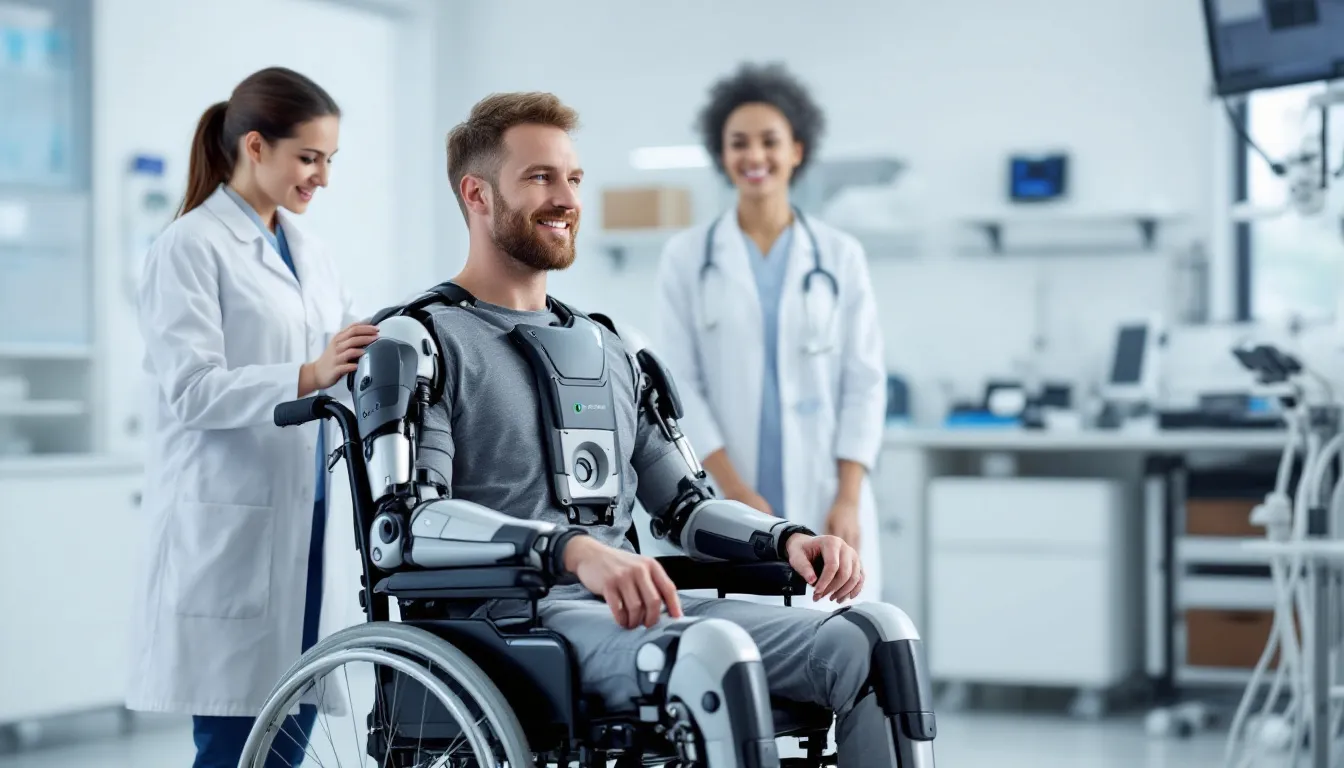
Rehabilitation robotics demonstrates some of the most compelling clinical evidence for improved patient outcomes, particularly in stroke recovery and spinal cord injury management. The EksoNR exoskeleton system shows quantified improvements, with clinical trial results indicating 60% improvement in ambulatory status for stroke patients utilizing robotic therapy compared to conventional rehabilitation approaches.
Therapeutic exoskeleton robots enable intensive, repetitive movement training that would be impossible for human therapists to provide consistently. Patients with multiple sclerosis, spinal cord injuries, and stroke-related mobility impairments show measurable functional improvements when robotic rehabilitation supplements traditional therapy protocols.
The PARO therapeutic robot represents an innovative approach to cognitive engagement and emotional support, particularly for elderly patients with dementia. Clinical studies demonstrate reduced agitation, improved social interaction, and decreased use of psychotropic medications in nursing facilities that provide cognitive engagement through robotic companions.
Cost-effectiveness analysis for rehabilitation robotics reveals complex considerations; while initial equipment costs are substantial, the ability to provide intensive therapy with fewer human resources and achieve faster functional recovery often justifies the investment. Healthcare systems report that robotic rehabilitation programs can serve more patients with equivalent or better outcomes compared to conventional therapy alone.
Social robots designed to provide cognitive engagement show particular promise in addressing the mental health challenges facing elderly patients in long-term care facilities. The evidence suggests these systems complement rather than replace human interaction, enhancing overall treatment regimens while providing consistent therapeutic presence.
Hospital Operations and Safety Robotics
Hospital-acquired infections represent a critical public health challenge where robotics technology demonstrates clear population-level benefits. Xenex disinfection robots, deployed in over 400 hospitals, show measurable reductions in healthcare-associated infections, with studies documenting 15-30% decreases in MRSA and C. difficile transmission rates.
Autonomous delivery systems like TUG robots handle various tasks throughout healthcare facilities, from transporting medications from pharmacy to patient rooms to managing laundry facilities and medical supply cabinets. UCSF Medical Center and similar institutions report significant efficiency gains and reduced human error in routine logistical tasks.
Telepresence robots, particularly the RP-VITA system, gained prominence during the COVID-19 pandemic, enabling remote patient monitoring while minimizing exposure risks for healthcare workers. These service robots allow physicians to conduct patient assessments, provide consultation, and maintain clinical relationships while adhering to infection control protocols.
Pharmacy automation represents another area where healthcare robots demonstrate measurable safety improvements. Automated dispensing systems show significant reductions in medication errors, improved inventory management, and enhanced tracking of controlled substances, contributing to overall patient safety initiatives.
The integration of robotics into hospital operations requires careful consideration of workflow disruption, staff training requirements, and maintenance protocols. Healthcare facilities report that successful implementation depends on comprehensive planning, stakeholder engagement, and robust technical support systems.
Public Health Implications and Population Health Outcomes
Dr. Varma’s analysis of robots in the medical industry reveals significant implications for healthcare access and equity that extend beyond individual patient encounters. The concentration of advanced robotic systems in well-resourced urban medical centers potentially exacerbates existing healthcare disparities, particularly affecting rural and underserved populations.
Telemedicine integration with robotic systems offers potential solutions for geographic access barriers, enabling remote surgical consultation and specialized care delivery to previously underserved areas. However, the infrastructure requirements and technical expertise needed for robotic telemedicine implementation remain substantial barriers for many healthcare systems.
Population-level infection control benefits from healthcare robotics extend beyond individual hospitals to community health outcomes. The systematic deployment of disinfection robots and automated hygiene monitoring systems contributes to reduced transmission of healthcare-associated pathogens, benefiting broader public health objectives.
Healthcare workforce implications require careful analysis, as robotics technology affects employment patterns across the medical field. While some routine tasks become automated, new roles emerge in robotic system operation, maintenance, and clinical oversight, requiring workforce development strategies that support career transitions.
The public health surveillance potential of medical robots generates valuable population health data, from infection control metrics to rehabilitation outcome tracking. This information can inform evidence-based policy decisions and resource allocation strategies that improve health outcomes at the community level.
Clinical Limitations and Evidence Gaps
Despite technological advances, significant limitations persist in current robotic applications that require honest acknowledgment from healthcare providers and policymakers. Dr. Varma emphasizes that surgical robotics do not universally superior outcomes compared to skilled conventional surgery, with benefits varying substantially by procedure type, surgeon experience, and patient characteristics.
Learning curve data for surgical robotics adoption shows considerable variation among surgeons and institutions, with some studies suggesting 150-250 cases needed to achieve proficiency for complex robotic procedures. This extended training period can temporarily impact patient outcomes and healthcare efficiency during the adoption phase.
Human clinical judgment remains superior in many diagnostic and treatment decisions, particularly those requiring complex reasoning, empathy, and contextual understanding that current artificial intelligence systems cannot replicate. Healthcare professionals must maintain critical thinking skills and clinical expertise even as they integrate robotic assistance into their practice.
Current evidence gaps include long-term outcome data for many robotic applications, optimal patient selection criteria, and comparative effectiveness research across diverse healthcare settings. The medical literature continues to evolve as more institutions gain experience with robotic systems and report outcomes data.
Overconcentration on technological solutions can detract from other evidence-based interventions that may provide greater population health benefits. Healthcare organizations must balance robotic investment with other clinical priorities, ensuring that technology adoption aligns with overall patient care objectives and public health needs.

Regulatory Framework and Safety Standards
The FDA classification system for medical robots primarily designates these devices as Class II medical devices requiring 510(k) clearance, though some advanced systems require more extensive premarket approval processes. This regulatory framework balances innovation promotion with patient safety protection, though rapidly evolving technology occasionally outpaces regulatory adaptation.
International standards including ISO 13485 for quality management systems and IEC 60601 for medical electrical equipment provide foundational safety requirements for healthcare robotics manufacturers. These standards address design controls, risk management, and clinical evaluation requirements that support safe implementation across diverse healthcare environments.
Cybersecurity considerations have gained prominence as medical robots increasingly connect to hospital networks and handle sensitive patient data. Healthcare organizations must implement robust cybersecurity protocols, regular security assessments, and incident response procedures to protect against potential system vulnerabilities.
Quality assurance protocols for robotic systems require ongoing safety monitoring, preventive maintenance schedules, and adverse event reporting systems. Healthcare facilities must establish comprehensive oversight procedures that ensure continued safe operation throughout the system lifecycle.
The regulatory landscape continues evolving as new robotic applications emerge, particularly in artificial intelligence integration and autonomous functionality. Policymakers must balance innovation support with appropriate safety oversight, ensuring that regulatory frameworks adapt to technological developments while maintaining public protection.
Economic Analysis and Healthcare Costs
The total cost of ownership for major robotic systems extends far beyond initial purchase prices, with the da Vinci system requiring $2+ million initial investment plus ongoing maintenance, training, and consumable costs. Healthcare organizations must conduct comprehensive financial analysis that includes these lifecycle costs when evaluating robotic adoption.
Cost-benefit analysis reveals complex trade-offs between higher upfront investments and potential long-term savings from reduced complications, shorter hospital stays, and improved operational efficiency. Early adopter healthcare systems report positive return on investment primarily in high-volume surgical programs with appropriate case mix and surgeon expertise.
Insurance coverage considerations increasingly influence robotic adoption patterns, as reimbursement policies vary by procedure type, payer, and geographic region. Healthcare providers must navigate complex billing requirements and justify the clinical necessity of robotic procedures to ensure appropriate reimbursement.
The economic impact extends beyond direct healthcare costs to include productivity gains from faster patient recovery, reduced worker compensation claims, and improved quality metrics that affect hospital ratings and referral patterns. These broader economic benefits often justify robotic investment even when direct cost comparisons appear unfavorable.
Healthcare pricing implications of robotic adoption remain controversial, with some critics arguing that technology costs contribute to overall healthcare inflation while proponents emphasize value-based care improvements and long-term cost savings from better patient outcomes.
Future Directions and Emerging Technologies
Artificial intelligence integration with surgical robotics represents the next technological frontier, with current capabilities including image recognition, tissue characterization, and procedural guidance systems. However, realistic timelines for autonomous surgical functions remain measured in decades rather than years, requiring substantial advances in safety validation and regulatory approval.
Micro-robotics for targeted drug delivery and diagnostic applications show promise in preclinical research, potentially enabling precision medicine approaches that deliver therapeutics directly to diseased tissues while minimizing systemic side effects. These technologies remain largely experimental but offer significant future potential for various medical conditions.
5G-enabled remote surgery gained international attention with China’s successful Parkinson’s surgery case in 2019, demonstrating technical feasibility for transcontinental robotic procedures. However, widespread implementation requires addressing latency concerns, regulatory frameworks, and liability considerations that currently limit practical applications.
Soft robotics and bio-compatible materials research focuses on developing robotic systems that integrate more naturally with human tissue, potentially enabling implantable devices and prosthetic limbs with enhanced functionality and patient acceptance. These developments remain primarily in research phases but show promise for future clinical applications.
The convergence of robotics with other emerging technologies, including nanotechnology, biotechnology, and advanced materials science, suggests future applications that extend far beyond current robotic capabilities. However, healthcare adoption typically occurs gradually, requiring extensive clinical validation and regulatory approval processes.

Frequently Asked Questions About Medical Robotics
Are robotic surgeries safer than traditional surgery?
Robotic surgery safety depends on the specific procedure, surgeon experience, and patient characteristics. For certain operations like prostatectomy and cardiac valve repair, robotic approaches demonstrate reduced blood loss and shorter recovery times. However, robotic surgery is not universally safer, and the surgical system choice should be based on individual clinical circumstances rather than technology preference alone.
Will robots replace doctors and healthcare workers?
Current evidence suggests robots enhance rather than replace healthcare professionals. While robotic systems automate certain routine tasks and provide surgical assistance, human judgment, empathy, and complex decision-making remain essential for patient care. Healthcare workers may need to adapt their skills, but the human element in medicine remains irreplaceable.
How much do robotic medical procedures cost?
Robotic procedure costs vary significantly by operation type and healthcare facility. Initial robotic surgery costs may be 20-30% higher than conventional approaches due to equipment and training expenses. However, faster recovery times, reduced complications, and shorter hospital stays can offset these costs. Patients should discuss financial implications with their healthcare providers and insurance companies.
Do hospitals need special training for robotic systems?
Yes, comprehensive training is essential for safe robotic system operation. Surgeons typically require 150-250 cases to achieve proficiency with complex robotic procedures. Healthcare facilities must invest in ongoing education, simulation training, and credentialing programs. The medical staff, surgical team, and support personnel all require specialized training for optimal patient outcomes.
Are robotic systems vulnerable to hacking or malfunction?
Like all connected medical devices, robotic systems face cybersecurity risks that healthcare organizations must address through robust security protocols, regular updates, and network protection measures. System malfunctions, while rare, can occur and require immediate backup procedures. Healthcare facilities maintain strict safety protocols and redundant systems to minimize risks to patient safety.
Practical Recommendations
For Patients
When considering robotic-assisted procedures, patients should ask their healthcare providers specific questions about surgeon experience, institutional volume, and expected outcomes compared to conventional alternatives. Understanding the surgeon’s robotic case experience and the hospital’s safety record provides important context for informed consent decisions.
Evaluating hospital robotics capabilities requires examining not just equipment availability but also support infrastructure, maintenance protocols, and staff training programs. Patients can inquire about complication rates, patient satisfaction scores, and outcome metrics for robotic procedures at their chosen healthcare facility.
Informed consent for robotic-assisted procedures should include discussion of potential benefits, risks, alternative treatment options, and surgeon-specific experience. Patients have the right to understand why robotic approach is recommended for their specific condition and what evidence supports this recommendation over traditional surgical methods.
The patient’s form and medical history significantly influence robotic procedure suitability, and patients should provide complete information about their health status, previous surgeries, and current medications to enable optimal treatment planning and risk assessment.
For Healthcare Providers
Implementation roadmap for healthcare systems considering robotic adoption should begin with comprehensive needs assessment, financial analysis, and stakeholder engagement processes. Successful programs require institutional commitment to training, quality improvement, and ongoing support that extends beyond initial equipment acquisition.
Training and credentialing requirements for robotic surgery programs must include simulator training, proctored cases, and ongoing competency assessment. Healthcare organizations should establish clear credentialing criteria, maintain training records, and provide continued education opportunities for optimal patient safety and clinical outcomes.
Quality metrics and outcome tracking for robotic procedures should include clinical outcomes, safety indicators, efficiency measures, and patient satisfaction scores. Regular data analysis and benchmark comparisons help identify improvement opportunities and demonstrate program value to institutional leadership and regulatory bodies.
Healthcare facilities must develop protocols for robotic system maintenance, emergency procedures, and backup plans to ensure continuous patient care capability. Technical support agreements, spare parts availability, and staff cross-training contribute to reliable robotic program operation.
For Policymakers
Regulatory framework recommendations for emerging robotic technologies should balance innovation promotion with patient safety protection through adaptive regulatory processes that can accommodate rapid technological development while maintaining appropriate oversight standards.
Healthcare workforce planning considerations for robotics integration require investment in education, training programs, and career transition support for affected healthcare workers. Policymakers should consider the broader economic implications of healthcare automation and develop strategies that support workforce adaptation.
Public health surveillance needs for robotic system safety and effectiveness include standardized outcome reporting, adverse event monitoring, and population-level impact assessment. This surveillance infrastructure supports evidence-based policy decisions and ensures that technological adoption benefits public health objectives.
Addressing healthcare equity implications of robotic adoption requires policies that prevent technology access from exacerbating existing healthcare disparities. Policymakers should consider financing mechanisms, geographic distribution requirements, and access standards that promote equitable robotic technology deployment across diverse healthcare settings.
The robots in the medical industry represent both significant opportunity and substantial responsibility for healthcare stakeholders. Dr. Varma’s analysis emphasizes that successful implementation requires evidence-based decision making, comprehensive planning, and ongoing commitment to quality improvement and patient safety. As this technology continues evolving, maintaining focus on measurable health outcomes and population health equity will ensure that robotic advances serve the broader goals of improving healthcare for all patients.
The future of medical robotics depends not on technological capabilities alone but on thoughtful integration that enhances human expertise, improves patient care, and addresses the complex challenges facing modern healthcare systems. Success requires collaboration among healthcare professionals, technology developers, policymakers, and patients to ensure that robotic innovations save lives and improve health outcomes across all populations.