
Table of Contents
Published: July 7, 2026
Read Time: 16.7 Mins
Total Views: 119
In my decades of work as an infectious disease physician and epidemiologist, few concepts have proven as fundamental to effective outbreak control as understanding the period of incubation. This seemingly simple measurement—the time between exposure to a pathogen and the onset of symptoms—serves as the foundation for virtually every aspect of our public health response to infectious diseases.
When COVID-19 emerged, one of our first priorities was determining its incubation period. This wasn’t merely an academic exercise; it was essential for establishing quarantine protocols, optimizing testing strategies, and implementing contact tracing measures that could slow transmission. The difference between a two-day and a fourteen-day incubation period would fundamentally alter how we approached disease control, affecting everything from international travel policies to workplace safety protocols.
Understanding incubation periods requires grasping both the underlying biological mechanisms and their practical implications for public health. As we’ve learned from managing outbreaks ranging from SARS to Ebola, the period of incubation shapes every decision we make about containing infectious diseases and protecting communities.
What Is the Period of Incubation?
The period of incubation represents the time interval between exposure to an infectious pathogen and the onset of clinical symptoms in the infected person. During this period, the pathogen is typically multiplying within the host’s body, but the individual remains asymptomatic and often unaware they’ve been infected.
This concept differs importantly from related terms that healthcare providers and epidemiologists use. The latency period refers specifically to the time until an infected person becomes infectious to others, while the infectious period describes how long someone can transmit the disease. These periods may overlap with the incubation period but serve different purposes in disease control planning.

The biological basis of incubation periods centers on pathogen multiplication, immune system recognition, and the accumulation of tissue damage until symptoms develop. When germs enter the body, they must reach sufficient numbers to trigger an immune response or cause enough cellular damage to produce noticeable symptoms. This process varies dramatically based on individual factors including age, immune status, the amount of pathogen exposure, and host genetics.
For example, an elderly person with compromised immunity might develop symptoms more quickly than a healthy adult exposed to the same pathogen load. Similarly, a massive exposure—such as inhaling contaminated droplets directly from an infected person—may result in a shorter incubation time compared to minimal exposure from contaminated surfaces.
The Science Behind Incubation Periods
Understanding the science behind incubation periods requires examining how pathogens behave once they enter the human body. Most infectious agents must undergo multiple replication cycles within human cells before reaching concentrations high enough to trigger symptoms. Viruses, for instance, hijack cellular machinery to start making copies of themselves, with each generation potentially doubling the viral load.
The immune system plays a crucial role in determining when symptoms appear. Our bodies must first detect the presence of foreign pathogens, then mount an inflammatory response that often produces the fever, fatigue, and other symptoms we associate with illness. This immune response timeline varies significantly among individuals and different types of infections.
The route of transmission significantly impacts incubation duration. Respiratory infections like influenza typically have shorter incubation periods because the virus directly contacts target tissues in the lungs and upper respiratory tract. Bloodborne pathogens may require longer periods to establish systemic infection, while sexually transmitted infections often have extended incubation times as they establish localized infections before spreading.
Bacterial infections generally follow different patterns than viral infections. Foodborne bacterial illness from contaminated food might produce symptoms within a few hours as bacterial toxins rapidly affect the digestive system. However, other bacterial diseases like tuberculosis can have incubation periods extending weeks or months as the slow-growing bacteria gradually establish infection in lung tissue.
Intrinsic vs. Extrinsic Incubation
Vector-borne diseases introduce additional complexity through the concepts of intrinsic and extrinsic incubation periods. The intrinsic incubation period describes pathogen development within the human host—for malaria, this typically ranges from seven to thirty days after a mosquito bite, depending on the specific parasite species and individual factors.
The extrinsic incubation period refers to pathogen development within the vector host itself. Before a mosquito can transmit malaria, the parasite must develop within the mosquito for ten to twenty-eight days, a process heavily influenced by environmental temperature. Warmer climates accelerate this development, potentially shortening the extrinsic incubation and increasing transmission rates.
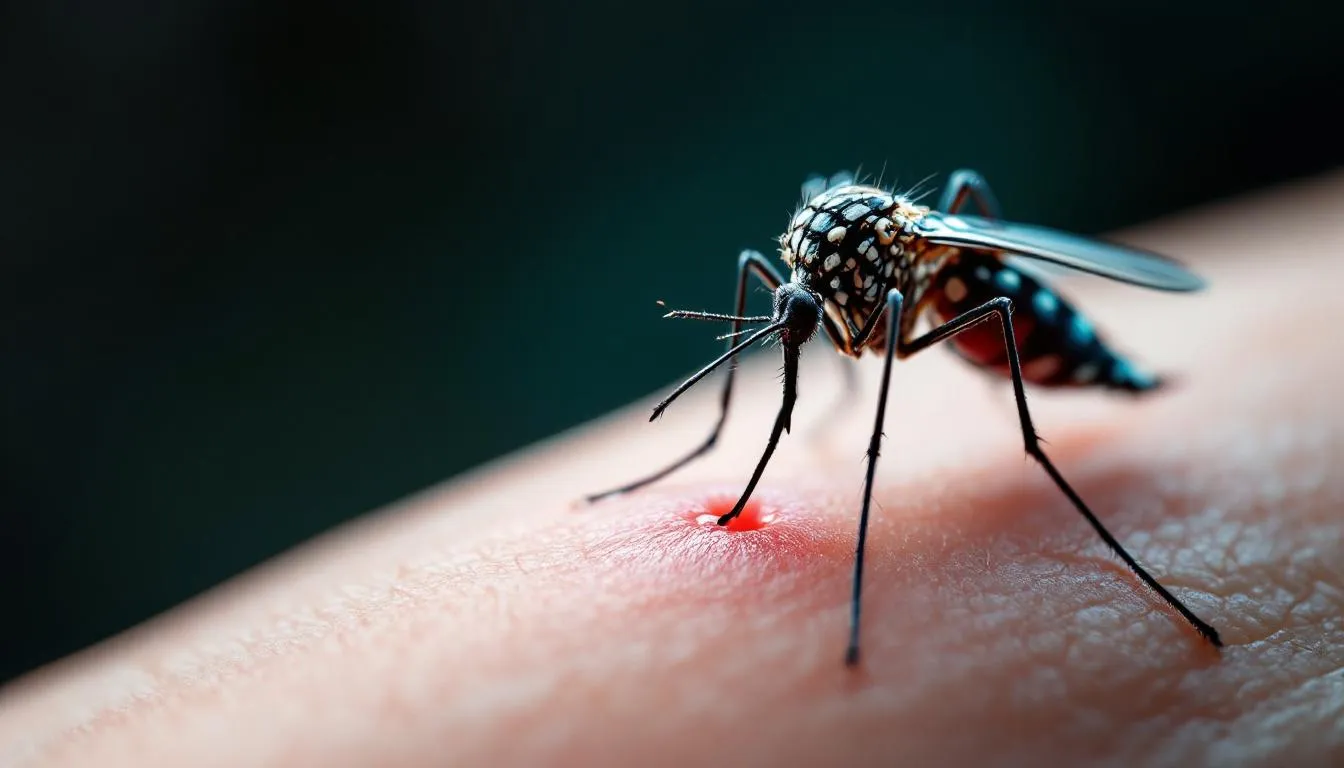
These concepts have profound implications for vector-borne disease control strategies. Understanding extrinsic incubation periods helps predict seasonal transmission patterns and guides the timing of vector control interventions. Climate change effects on temperature patterns may alter these extrinsic incubation periods, potentially expanding the geographic range and transmission seasons for diseases like malaria, dengue, and Zika virus.
Why Incubation Periods Matter in Disease Control
The period of incubation serves as the cornerstone for most disease control policies, fundamentally shaping how we respond to outbreaks. When the World Health Organization and national health agencies develop quarantine recommendations, they base duration guidelines on the known incubation period for each specific disease. The standard fourteen-day quarantine for COVID-19, for example, derived from early estimates that symptoms typically appeared within eleven to fourteen days of exposure.
Contact tracing efforts rely heavily on incubation period data to determine exposure windows and allocate limited resources effectively. If measles has an incubation period of eight to twelve days, epidemiologists know to focus their contact tracing efforts on exposures within that timeframe, rather than investigating contacts from three weeks prior when transmission would have been unlikely.
Hospital systems use incubation period estimates for surge capacity planning and healthcare worker protection protocols. During the early days of COVID-19, understanding the two to fourteen day incubation period helped hospitals anticipate when exposed healthcare workers might develop symptoms and plan staffing accordingly.
Vaccination strategies, particularly post-exposure prophylaxis, depend critically on incubation period knowledge. Rabies vaccination protocols work because the virus has a lengthy incubation period—often several weeks to months—providing sufficient time for vaccine-induced immunity to develop before symptoms appear. Without this extended incubation window, post-exposure vaccination would be ineffective.
Testing Strategies Based on Incubation Periods
Optimal testing timing depends entirely on understanding disease-specific incubation periods. Testing too early during the incubation period often yields false negative results because viral or bacterial loads haven’t reached detectable levels. For COVID-19, research showed that testing five to seven days post-exposure provided maximum sensitivity, balancing the need for early detection with test accuracy.
Pre-symptomatic testing in high-risk settings like healthcare facilities and nursing homes requires careful timing based on incubation period estimates. Serial testing protocols—repeated tests over several days—use incubation period data to maximize the probability of detecting infection before symptom onset and potential transmission to others.
The challenge of false negatives during early incubation has significant implications for testing strategies. A negative test result early in the incubation period cannot rule out infection, requiring repeat testing or continued monitoring. This principle shaped CDC recommendations for multiple tests following high-risk exposures, particularly in healthcare settings where early detection is crucial for preventing nosocomial transmission.
Healthcare providers must understand these testing limitations when counseling patients and making clinical decisions. A patient exposed to COVID-19 who tests negative two days later cannot assume they’re uninfected; they require continued monitoring and potentially repeat testing as they progress through the incubation period.
Quarantine and Isolation Guidelines
Quarantine duration calculations typically target the ninety-fifth percentile of observed incubation periods for each disease, ensuring that the vast majority of infections will manifest symptoms during the quarantine period. This approach balances public health protection with practical considerations about the social and economic impact of extended quarantines.
The CDC’s evolution of COVID-19 quarantine recommendations illustrates how incubation period data shapes policy. Initial fourteen-day recommendations were based on early estimates of the maximum incubation period. As more data became available, modified quarantine options emerged, including a seven-day quarantine combined with negative testing, reflecting refined understanding of incubation period distributions.

High-risk exposures typically warrant longer quarantine periods compared to low-risk exposures, with specific durations based on disease-specific incubation data. Healthcare workers exposed to patients with confirmed infections often face stricter quarantine requirements than community members with casual contact, reflecting both higher exposure risk and greater potential for onward transmission.
Economic and social considerations increasingly influence quarantine policy development, requiring careful balance between public health protection and societal impact. Shorter quarantine periods, when scientifically justified by incubation period data, can reduce economic disruption while maintaining effective disease control. This balance became particularly important during COVID-19 as extended quarantines affected workforce capacity across essential sectors.
Real-World Examples from Major Disease Outbreaks
COVID-19 provides perhaps the most comprehensive example of how incubation period understanding shapes outbreak response. The initial estimate of a two to fourteen day incubation period, with a median around five days, informed global quarantine policies, international travel restrictions, and contact tracing protocols. Most cases developed symptoms within eleven to twelve days, validating the fourteen-day quarantine standard adopted worldwide.
The 2003 SARS outbreak demonstrated how shorter incubation periods enable more aggressive containment strategies. With symptoms typically appearing two to ten days after exposure, health authorities could implement rapid case identification and isolation protocols. This relatively short and consistent incubation period contributed significantly to successful SARS containment, as cases could be identified and isolated before extensive community transmission occurred.
Ebola’s longer and more variable incubation period—ranging from two to twenty-one days—presented different challenges during the 2014-2016 West African outbreak. The extended period complicated contact tracing efforts and required longer quarantine periods for potentially exposed individuals. International travel policies had to account for this extended incubation window, leading to twenty-one-day monitoring periods for travelers from affected regions.
Seasonal influenza outbreaks illustrate how short incubation periods affect intervention timing. With symptoms typically appearing one to four days after exposure, the window for preventive measures is extremely narrow. School closure decisions must be made rapidly, as the brief incubation period means widespread transmission can occur before cases are identified and reported.
Case Study: COVID-19 Response
The evolution of COVID-19 response policies provides detailed insight into how incubation period data shapes public health practice. Initial CDC guidelines recommended fourteen-day quarantine based on early estimates from the New England Journal of Medicine and other publications documenting the range of incubation periods observed in early cases.
As the pandemic progressed and more data became available, policies evolved to reflect refined understanding of incubation period distributions. The introduction of ten-day quarantine options for asymptomatic individuals reflected analysis showing that most cases developed symptoms within this timeframe, balancing public health protection with practical considerations.
International travel restrictions and quarantine requirements varied significantly based on different interpretations of incubation period data. Some countries implemented longer quarantine periods as a precautionary measure, while others adopted shorter periods combined with testing protocols. These policy differences highlighted the ongoing challenges of translating scientific estimates into practical public health measures.
Contact tracing app development incorporated incubation period parameters to define exposure windows and notification triggers. Apps needed to balance sensitivity—capturing potentially infectious contacts—with specificity—avoiding excessive false alarms that could undermine public confidence. Incubation period estimates provided the temporal framework for these exposure notification algorithms.
Outbreak Investigation and Management
Epidemic curve construction relies fundamentally on incubation period estimates to understand outbreak dynamics and predict future cases. By working backward from symptom onset dates using known incubation periods, epidemiologists can estimate exposure dates and identify potential sources of infection. This back-calculation process helps pinpoint common exposures and guide targeted control measures.
Source identification through epidemiological investigation depends on accurate incubation period estimates to establish plausible exposure windows. If an outbreak involves a contaminated water source, investigators use the incubation period to determine which water exposures could plausibly account for observed cases, narrowing the investigation focus and enabling rapid control measures.
Secondary attack rate calculations require precise understanding of incubation periods to distinguish between generations of transmission. The time interval between index cases and secondary cases helps epidemiologists understand transmission chains and evaluate the effectiveness of control measures. Without accurate incubation period estimates, it becomes difficult to separate primary from secondary transmission events.
Public health intervention timing depends critically on incubation period knowledge to maximize effectiveness. Interventions implemented early in an outbreak may prevent cases that are still in their incubation period, while delayed interventions may miss opportunities to prevent transmission from cases nearing symptom onset.
Contact Tracing Applications
Priority contact identification relies on incubation period data to focus resources on the most epidemiologically important exposures. Contacts exposed within the incubation period receive priority for monitoring and testing, while those exposed outside this window may receive lower priority follow-up. This prioritization becomes essential when contact tracing resources are limited during large outbreaks.
Resource allocation for contact monitoring during incubation periods must balance thoroughness with capacity constraints. Understanding incubation period distributions helps health departments predict monitoring workloads and staff accordingly. Extended incubation periods require sustained monitoring efforts, while shorter periods allow for more intensive but brief surveillance.
Technology solutions increasingly leverage incubation period data to automate exposure notification and risk assessment. Smartphone apps use Bluetooth proximity data combined with incubation period parameters to identify potential exposures and recommend testing or quarantine. These systems require careful calibration of temporal parameters based on disease-specific incubation characteristics.
Cross-border contact tracing coordination relies on standardized incubation period estimates to ensure consistent approaches across jurisdictions. When cases travel between states or countries during their incubation period, coordinated response requires agreement on exposure windows and monitoring protocols. International health regulations increasingly incorporate standardized incubation period definitions to facilitate this coordination.
Challenges and Limitations in Practice
Individual variation in incubation periods presents ongoing challenges for developing effective one-size-fits-all policies. While population-level estimates provide useful guidance, individual cases may fall outside expected ranges, requiring flexibility in application of quarantine and testing protocols. Age, underlying health conditions, and genetic factors can all influence individual incubation periods, complicating standardized approaches.
Asymptomatic and pre-symptomatic transmission during incubation periods has fundamentally altered our understanding of disease control requirements. Traditional approaches assumed that symptom onset marked the beginning of infectiousness, but COVID-19 and other diseases demonstrated significant transmission can occur before symptoms develop. This reality requires expanded surveillance and control measures that extend beyond traditional symptom-based approaches.
Recall bias in exposure date determination complicates accurate incubation period estimation during outbreak investigations. Patients may have difficulty remembering exact exposure dates, particularly when multiple potential exposures occurred. This uncertainty affects both individual case management and population-level incubation period estimates used for policy development.
Emerging variants of established pathogens may alter incubation period characteristics, requiring ongoing surveillance and policy adaptation. SARS-CoV-2 variants showed some evidence of altered incubation periods compared to original strains, highlighting the need for continuous monitoring and policy flexibility. Public health systems must maintain capacity to rapidly update guidelines based on emerging evidence about pathogen evolution.
Future Directions in Incubation Period Research
Genomic factors influencing individual incubation period variation represent an emerging area of research with significant implications for personalized public health approaches. Understanding genetic factors that influence immune response timing could eventually enable more precise prediction of individual incubation periods, allowing for tailored quarantine and testing recommendations.
Artificial intelligence applications for real-time incubation period estimation show promise for improving outbreak response. Machine learning algorithms can process large datasets of exposure and symptom onset information to provide updated incubation period estimates as outbreaks evolve. These tools could enable more dynamic policy adaptation based on emerging evidence.
Climate change impacts on vector-borne disease incubation periods require increased research attention as global temperatures rise. Warmer temperatures generally accelerate both intrinsic and extrinsic incubation periods for vector-borne diseases, potentially altering transmission patterns and geographic distribution. This research will be crucial for long-term public health planning and vector control strategies.
Personalized medicine approaches to quarantine and testing based on individual risk factors represent the future of precision public health. Rather than uniform policies applied to entire populations, future approaches may incorporate individual factors such as age, comorbidities, vaccination status, and genetic markers to optimize quarantine duration and testing frequency for each person’s specific risk profile.
The period of incubation remains one of our most powerful tools for understanding and controlling infectious diseases. From the initial moments of pathogen exposure through the development of symptoms, this critical window shapes every aspect of our public health response. As we face future pandemic threats and ongoing challenges from established infectious diseases, our ability to accurately estimate and effectively utilize incubation period data will continue to determine our success in protecting public health.
The lessons learned from COVID-19 and other recent outbreaks underscore the importance of rapid, accurate incubation period estimation for effective disease control. Investment in surveillance systems, laboratory capacity, and analytical capabilities will enhance our ability to quickly characterize new threats and implement appropriate control measures. The period of incubation will undoubtedly remain central to these efforts, serving as both a scientific foundation and a practical guide for protecting communities from infectious disease threats.

