
Table of Contents
Published: June 19, 2026
Read Time: 21.5 Mins
Total Views: 173
Throughout human history, infectious diseases have shaped civilizations, driven medical breakthroughs, and continue to challenge global health security. As an infectious disease specialist who has spent decades responding to outbreaks from HIV/AIDS in urban communities to Ebola in West Africa, I have witnessed firsthand how these microscopic threats can devastate individuals, families, and entire societies. The ongoing COVID-19 pandemic serves as a stark reminder that despite remarkable advances in medicine, infectious diseases remain one of the greatest threats to human health and global stability.
Understanding the vast landscape of infectious diseases requires more than simply cataloging pathogens; it demands recognition of the complex interplay between biology, behavior, environment, and social inequality that shapes disease emergence, transmission, and impact. This comprehensive list of infectious diseases provides essential knowledge for health care providers, policymakers, students, and concerned citizens who seek to understand the scope and significance of these threats to global health.
Infectious diseases are illnesses caused by pathogenic microorganisms—bacteria, viruses, fungi, and parasites—that invade and multiply within their hosts, disrupting normal physiological processes. What makes these diseases particularly concerning is their ability to spread between individuals and across populations, creating outbreaks that can rapidly overwhelm health systems and disrupt societies. The classification of these diseases by pathogen type, transmission mode, and clinical impact helps us develop targeted prevention strategies, guide treatment decisions, and prepare for emerging threats.

Major Viral Infectious Diseases
Viral infections represent some of the most significant threats to global health, responsible for both seasonal epidemics and devastating pandemics. Viruses are obligate intracellular parasites that hijack cellular machinery to replicate, often causing severe illness and long-term complications in their human hosts.
Respiratory viruses constitute the most common types of viral infections encountered in clinical practice. COVID-19, caused by SARS-CoV-2, has claimed over seven million lives globally since 2019, demonstrating how a novel respiratory virus can rapidly spread across interconnected populations. Influenza virus continues to cause seasonal epidemics, with influenza A and B strains requiring annual vaccine updates based on global surveillance data. Respiratory syncytial virus (RSV) particularly affects infants and elderly patients, while rhinovirus causes the ubiquitous common cold that spreads easily through close contact and contaminated surfaces.
The hepatitis viruses represent a diverse group of pathogens that cause liver inflammation and can lead to chronic disease, cirrhosis, and liver cancer. Hepatitis A spreads through contaminated food and water, while hepatitis B and C are primarily bloodborne pathogens that can establish chronic infections lasting decades. According to the National Cancer Institute, chronic hepatitis B and C infections significantly increase the risk of developing hepatocellular carcinoma, making prevention through vaccination and harm reduction crucial public health priorities.
Human immunodeficiency virus (HIV) remains a leading cause of death globally, particularly in sub-Saharan Africa. While antiretroviral therapy has transformed HIV from a uniformly fatal disease to a manageable chronic condition, the virus continues to spread through sexual contact, injection drug use, and vertical transmission from mother to child. The impact on immune systems makes patients vulnerable to opportunistic infections that rarely affect healthy individuals.
Vector-borne viruses transmitted by mosquitoes and other arthropods cause significant morbidity in tropical and subtropical regions. Dengue fever affects over 100 million people annually, while Zika virus gained international attention during the 2015-2016 outbreak due to its association with birth defects. West Nile virus has become endemic in North America, causing neurologic disease in susceptible individuals. Climate change is expanding the geographic range of these diseases, with infected mosquito populations moving into previously unaffected temperate regions.
Bacterial Infectious Diseases
Bacterial infections encompass a broad spectrum of diseases affecting virtually every organ system in the human body. Unlike viruses, bacteria are living organisms that can sometimes be treated effectively with antibiotics, though the emergence of antimicrobial resistance increasingly complicates treatment decisions.
Respiratory bacterial infections remain major causes of morbidity and mortality worldwide. Mycobacterium tuberculosis, the causative agent of tuberculosis, kills over 1.5 million people annually and represents one of the top infectious disease killers globally. The disease primarily affects the lungs but can spread to virtually any organ system, including the brain and spinal cord. Streptococcus pneumoniae causes pneumonia, meningitis, and bloodstream infections, particularly in children and elderly patients. Legionnaires disease, caused by Legionella pneumophila, demonstrates how environmental bacteria can cause severe illness when inhaled through contaminated water systems.
Gastrointestinal bacterial infections frequently result from contaminated food or water, causing everything from mild gastroenteritis to severe, life threatening illness. Salmonella species cause foodborne illness affecting millions globally, while Shigella causes severe diarrhea through person-to-person transmission. Escherichia coli O157:H7 produces toxins that can cause hemolytic uremic syndrome, a potentially fatal complication affecting the kidneys and central nervous system. Vibrio cholerae continues to cause devastating outbreaks in areas with poor sanitation, demonstrating the critical link between infectious diseases and social determinants of health.
Sexually transmitted bacterial infections pose significant public health challenges, particularly among young adults. Chlamydia trachomatis is the most commonly reported bacterial infection in many developed countries, often causing asymptomatic infections that can lead to infertility if untreated. Neisseria gonorrhoeae has developed resistance to multiple antibiotics, creating treatment challenges for health care providers. Treponema pallidum, the causative agent of syphilis, can cause devastating complications affecting the cardiovascular and nervous system if left untreated.
The emergence of antimicrobial-resistant threats represents one of the most serious challenges facing modern medicine. Methicillin-resistant Staphylococcus aureus (MRSA) causes skin and soft tissue infections that are increasingly difficult to treat. Carbapenem-resistant Enterobacteriaceae represent a particularly concerning group of harmful bacteria that have developed resistance to last-line antibiotics, leaving few treatment options for infected patients.
Fungal Infectious Diseases
Fungal infections range from superficial skin conditions to life threatening systemic diseases, with the latter primarily affecting immunocompromised patients. The increasing use of immunosuppressive therapies and the growing population of patients with weakened immune systems has elevated the clinical significance of these infections.
Superficial fungal infections are among the most common types of infectious diseases encountered in primary care settings. Candida albicans causes thrush in the mouth and vaginal candidiasis in women, conditions that are generally mild but can become recurrent and problematic. Dermatophyte infections, including athlete’s foot and ringworm, affect millions of people worldwide and spread through direct contact with infected individuals or contaminated surfaces.
Systemic mycoses represent more serious fungal infections that can affect internal organs and cause severe illness. Histoplasma capsulatum is endemic in certain regions of North America, causing lung disease that can disseminate to other organs in immunocompromised patients. Blastomyces dermatitidis and Coccidioides immitis (which causes Valley fever) are geographically restricted fungi that can cause severe respiratory illness in both healthy and immunocompromised individuals.
Opportunistic fungal infections primarily affect patients with compromised immune systems, including those with HIV/AIDS, cancer patients receiving chemotherapy, and organ transplant recipients. Pneumocystis jirovecii causes pneumonia in patients with severely weakened immune systems, while Aspergillus species can cause invasive pulmonary disease with high mortality rates. Cryptococcus neoformans frequently causes meningitis in HIV-positive patients, requiring prolonged antifungal treatment.
Emerging fungal threats pose new challenges for health care providers and infection control teams. Candida auris has emerged as a multidrug-resistant pathogen causing healthcare-associated outbreaks that are difficult to control. Mucormycosis, sometimes called “black fungus,” gained attention during the COVID-19 pandemic due to increased cases among patients with diabetes and those receiving corticosteroid treatment.
Parasitic Infectious Diseases
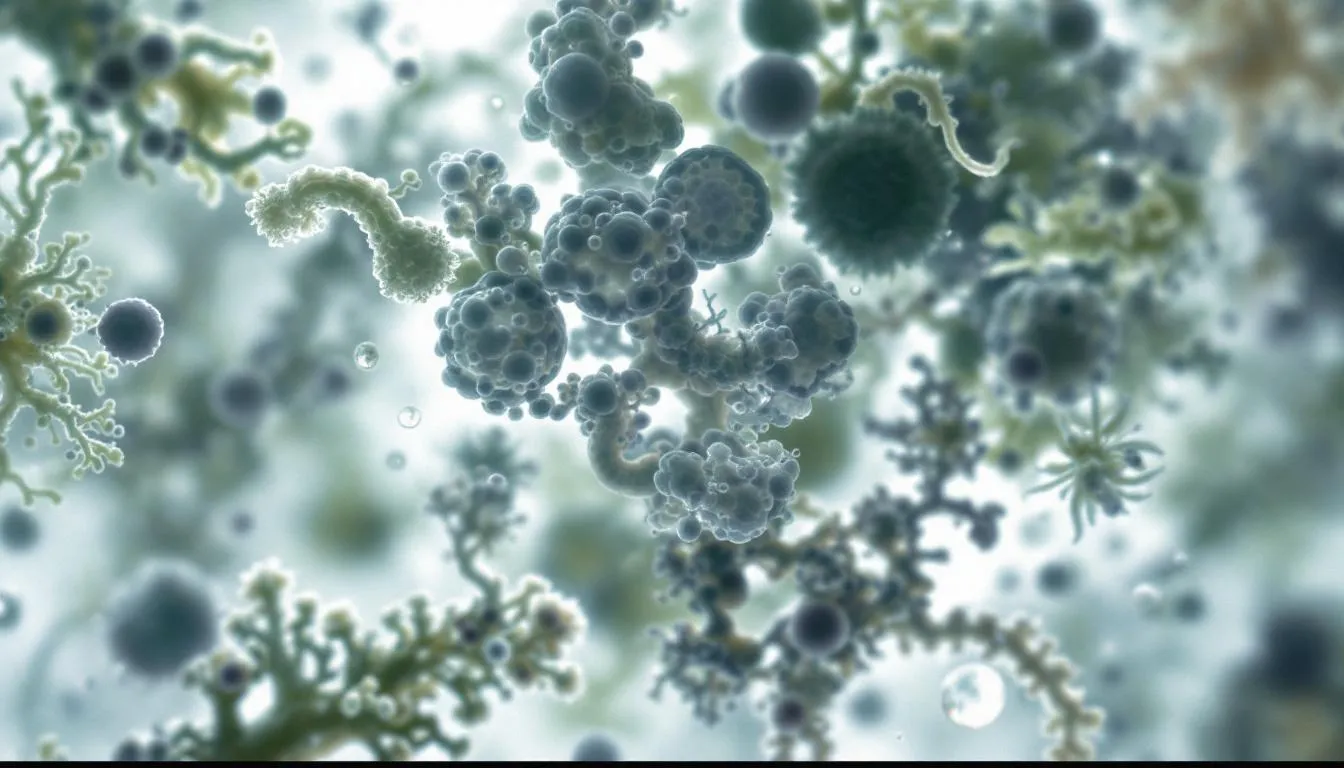
Parasitic diseases affect over one billion people worldwide, disproportionately impacting populations in low- and middle-income countries where poverty, poor sanitation, and limited access to healthcare create conditions conducive to transmission. These diseases encompass a diverse group of pathogens including protozoa, helminths, and arthropods.
Malaria remains one of the deadliest parasitic diseases, with Plasmodium falciparum causing the most severe form of the disease. Despite significant progress in control efforts, malaria still kills over 600,000 people annually, primarily children under five years of age in sub-Saharan Africa. The disease is transmitted through the bite of an infected mosquito and can rapidly progress to cerebral malaria, affecting the brain and causing seizures, coma, and death if not treated promptly.
Intestinal parasites cause a significant burden of disease globally, particularly affecting children and contributing to malnutrition and impaired cognitive development. Giardia lamblia is a leading cause of waterborne diarrheal disease, while Entamoeba histolytica can cause both intestinal disease and liver abscesses. Cryptosporidium parvum causes severe diarrhea in immunocompromised patients and has been responsible for large waterborne outbreaks in developed countries.
Helminth infections affect over one billion people globally, with soil-transmitted helminths being among the most common types of parasitic infections. Ascaris lumbricoides (roundworm), Trichuris trichiura (whipworm), and hookworm species cause significant morbidity through chronic infections that can persist for years. These infections contribute to anemia, malnutrition, and impaired physical and cognitive development in children.
Vector-borne parasites cause some of the most neglected tropical diseases affecting the world’s poorest populations. Trypanosoma brucei causes African sleeping sickness, a disease that affects the central nervous system and is uniformly fatal if untreated. Leishmania species cause cutaneous, mucocutaneous, and visceral disease depending on the infecting species and host factors.
Vaccine-Preventable Diseases
The development and widespread use of vaccines represents one of the greatest public health achievements in human history, preventing millions of deaths annually and eliminating or controlling diseases that once terrorized populations. However, vaccine hesitancy and gaps in coverage continue to leave vulnerable populations at risk.
Childhood vaccination programs have dramatically reduced the burden of infectious diseases in children. Measles, once a leading cause of childhood mortality, has been reduced by over 90% globally through vaccination efforts. However, declining vaccination rates in some communities have led to resurgent outbreaks, demonstrating the fragility of herd immunity. Mumps and rubella, often called German measles, are also controlled through the MMR vaccine, with rubella being particularly important to prevent during pregnancy due to the risk of congenital rubella syndrome.
Poliovirus has been eliminated from most of the world through global vaccination efforts, with only Afghanistan and Pakistan reporting endemic transmission. The success of polio eradication efforts demonstrates the power of coordinated global health initiatives. Diphtheria, tetanus, and pertussis (whooping cough) are controlled through the DTP vaccine series, though pertussis continues to circulate and requires booster doses throughout life.
Adult and adolescent vaccines address diseases that affect older populations or become relevant as individuals engage in higher-risk behaviors. Human papillomavirus (HPV) vaccination prevents the development of cervical and other cancers caused by oncogenic HPV types. Meningococcal vaccines protect against invasive meningococcal disease, which can cause rapid onset meningitis and sepsis with high mortality rates.
Travel-related vaccines protect individuals visiting areas where specific diseases are endemic. Yellow fever vaccination is required for travel to certain regions of Africa and South America, while Japanese encephalitis vaccine is recommended for travelers to rural areas of Asia. Typhoid fever vaccination protects against Salmonella Typhi infection in areas with poor sanitation.
Emerging and Re-emerging Infectious Diseases
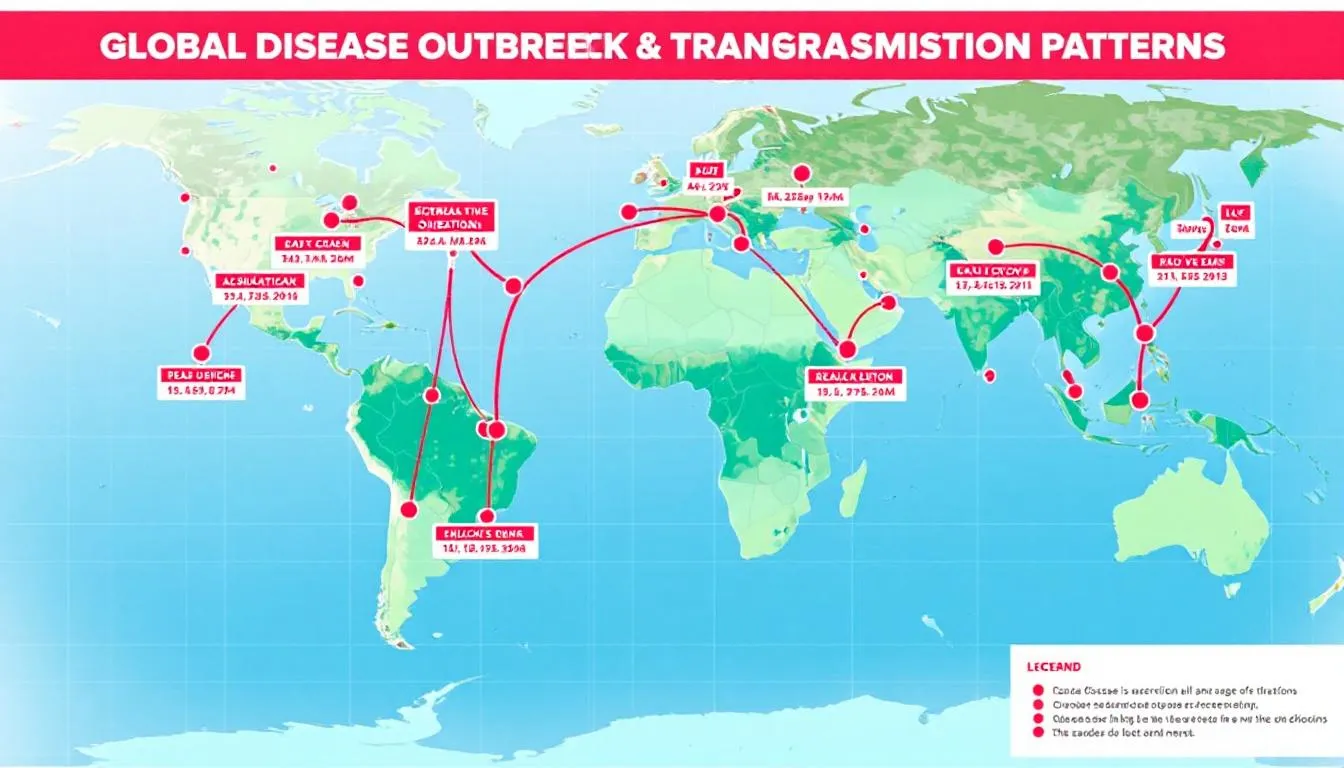
The 21st century has witnessed numerous outbreaks of emerging infectious diseases, highlighting the constant threat of novel pathogens and the re-emergence of previously controlled diseases. Climate change, globalization, deforestation, and changes in human behavior continue to create conditions conducive to disease emergence.
Recent pandemic threats have demonstrated the vulnerability of global health systems to novel respiratory viruses. Severe acute respiratory syndrome (SARS) emerged in 2003, causing global panic before being contained through aggressive public health measures. Middle East Respiratory Syndrome (MERS-CoV) continues to cause sporadic cases and healthcare-associated outbreaks in the Arabian Peninsula. The 2009 H1N1 influenza pandemic reminded us that influenza viruses continue to pose pandemic threats through antigenic shift and reassortment.
Zoonotic spillover events represent a major source of emerging infectious diseases, with most pandemic threats originating in animal populations before adapting to human transmission. Nipah virus causes severe encephalitis and respiratory disease, with case fatality rates exceeding 70% in some outbreaks. Monkeypox, previously confined to Central and West Africa, caused a global outbreak in 2022, demonstrating how changes in population immunity and social behaviors can lead to the emergence of previously rare diseases.
Climate change is expanding the geographic range of vector-borne diseases, bringing mosquito and tick-borne pathogens into previously unaffected regions. Dengue fever is expanding into temperate regions as Aedes aegypti mosquitoes adapt to new climatic conditions. Lyme disease, transmitted by infected ticks, has expanded its range northward as warming temperatures extend tick habitats.
Antimicrobial resistance represents one of the most serious threats to global health security, with the potential to return us to a pre-antibiotic era where common infections become untreatable. Pan-drug resistant tuberculosis has emerged in several countries, while carbapenem-resistant organisms are spreading globally through healthcare systems and environmental contamination.
Healthcare-Associated Infections
Healthcare-associated infections pose significant challenges for hospitals and other healthcare facilities, affecting approximately one in 25 hospitalized patients in the United States. These infections not only cause direct harm to patients but also increase healthcare costs and contribute to the spread of antimicrobial-resistant organisms.
Hospital-acquired infections typically occur when invasive medical devices provide pathways for bacteria to enter normally sterile body sites. Central line-associated bloodstream infections occur when bacteria migrate along intravenous catheters, potentially causing life threatening sepsis. Catheter-associated urinary tract infections are among the most common healthcare-associated infections, particularly in patients requiring prolonged urinary catheterization.
Surgical site infections remain a significant complication of operative procedures, despite advances in surgical techniques and infection prevention protocols. These infections can range from superficial wound infections to deep tissue and organ space infections that may require additional surgery and prolonged antibiotic treatment. Prosthetic joint infections and cardiac device infections are particularly challenging due to biofilm formation on foreign materials.
Ventilator-associated pneumonia affects critically ill patients requiring mechanical ventilation, with Pseudomonas aeruginosa, Acinetobacter baumannii, and Klebsiella pneumoniae being common causative organisms. These infections are associated with increased mortality, prolonged hospital stays, and higher healthcare costs.
The emergence and spread of multidrug-resistant organisms in healthcare settings poses ongoing challenges for infection control programs. Methicillin-resistant Staphylococcus aureus (MRSA), vancomycin-resistant Enterococcus (VRE), and extended-spectrum beta-lactamase (ESBL)-producing Enterobacteriaceae require special precautions to prevent transmission. Clostridioides difficile causes antibiotic-associated colitis and has become increasingly virulent and difficult to treat.
Transmission Modes and Disease Classification
Understanding how infectious diseases spread is fundamental to developing effective prevention and control strategies. Different pathogens have evolved various mechanisms to move between hosts, and recognizing these patterns helps public health professionals target interventions appropriately.
Airborne transmission occurs when pathogens remain suspended in air and can travel significant distances before being inhaled by susceptible individuals. Tuberculosis exemplifies this transmission mode, with Mycobacterium tuberculosis able to remain viable in air for hours. Measles virus is highly contagious through airborne transmission, with one infected person capable of infecting 12-18 susceptible individuals. COVID-19 has highlighted the importance of airborne transmission for respiratory viruses, leading to recommendations for improved ventilation and masking in indoor settings.
Vector-borne diseases require an intermediate arthropod host to complete their transmission cycle, making their control dependent on understanding vector ecology and behavior. Malaria transmission depends on Anopheles mosquitoes, while dengue, Zika, and chikungunya are transmitted by Aedes species mosquitoes. Tick-borne diseases include Lyme disease, Rocky Mountain spotted fever, and numerous other conditions transmitted through bug bite exposure during outdoor activities.
Foodborne and waterborne illnesses result from ingestion of contaminated food or water, often due to inadequate sanitation or food safety practices. Salmonella species cause millions of cases of foodborne illness annually, while norovirus is a leading cause of acute gastroenteritis outbreaks in closed settings. Hepatitis A spreads through the fecal-oral route, particularly in areas with poor sanitation, while cholera continues to cause devastating outbreaks following natural disasters or in refugee settings.
Contact transmission encompasses both direct physical contact and indirect contact through contaminated surfaces or objects. Many skin and soft tissue infections spread through direct contact, while respiratory viruses can also spread through contact with contaminated surfaces followed by touching the face. Sexually transmitted infections represent a specific category of contact transmission requiring intimate physical contact.
Bloodborne pathogens spread through contact with infected blood or other body fluids, requiring specific precautions in healthcare settings and among individuals at higher risk for exposure. HIV, hepatitis B, and hepatitis C are the most significant bloodborne pathogens, spreading through sexual contact, injection drug use, and occupational exposures among healthcare workers.
Global Impact and Public Health Significance
Infectious diseases continue to represent a leading cause of death and disability worldwide, accounting for approximately 25% of global mortality and disproportionately affecting low- and middle-income countries. The burden of infectious diseases reflects not only biological factors but also social determinants of health including poverty, inequality, and limited access to healthcare services.
Lower respiratory infections, including pneumonia and bronchitis, rank among the top causes of death globally, affecting all age groups but particularly impacting children under five and adults over 65. Tuberculosis remains a leading infectious disease killer, with drug-resistant strains posing increasing challenges for treatment programs. HIV/AIDS continues to cause significant mortality in sub-Saharan Africa, while malaria predominantly affects children in the same region.
Pandemic preparedness has become a critical priority following the COVID-19 pandemic, which demonstrated how rapidly novel pathogens can spread globally and overwhelm health systems. Surveillance systems that can detect unusual disease patterns and facilitate rapid response are essential for preventing localized outbreaks from becoming global health emergencies. The development of platform technologies for rapid vaccine development represents a crucial advancement in pandemic preparedness.
Health equity issues pervade infectious disease epidemiology, with marginalized populations bearing disproportionate burdens of disease due to various risk factors including crowded housing, poor sanitation, limited healthcare access, and occupational exposures. Indigenous communities, racial and ethnic minorities, and economically disadvantaged populations consistently experience higher rates of infectious diseases and worse outcomes.
The economic burden of infectious diseases extends far beyond direct healthcare costs to include lost productivity, educational disruption, and broader economic impacts from travel restrictions and supply chain disruptions. The COVID-19 pandemic highlighted how infectious diseases can trigger global economic recessions and exacerbate existing inequalities.
Social determinants of health play crucial roles in infectious disease transmission and outcomes, with poverty creating conditions that facilitate spread while limiting access to prevention and treatment. Overcrowded housing increases transmission risk for respiratory pathogens, while poor sanitation facilitates spread of enteric pathogens. Limited access to healthcare delays diagnosis and treatment, increasing both individual complications and community transmission.
Prevention and Control Strategies
Effective infectious disease prevention requires a comprehensive approach that addresses multiple levels of intervention, from individual behavioral changes to population-level policy interventions. The most successful prevention strategies combine multiple approaches tailored to specific pathogens and transmission patterns.
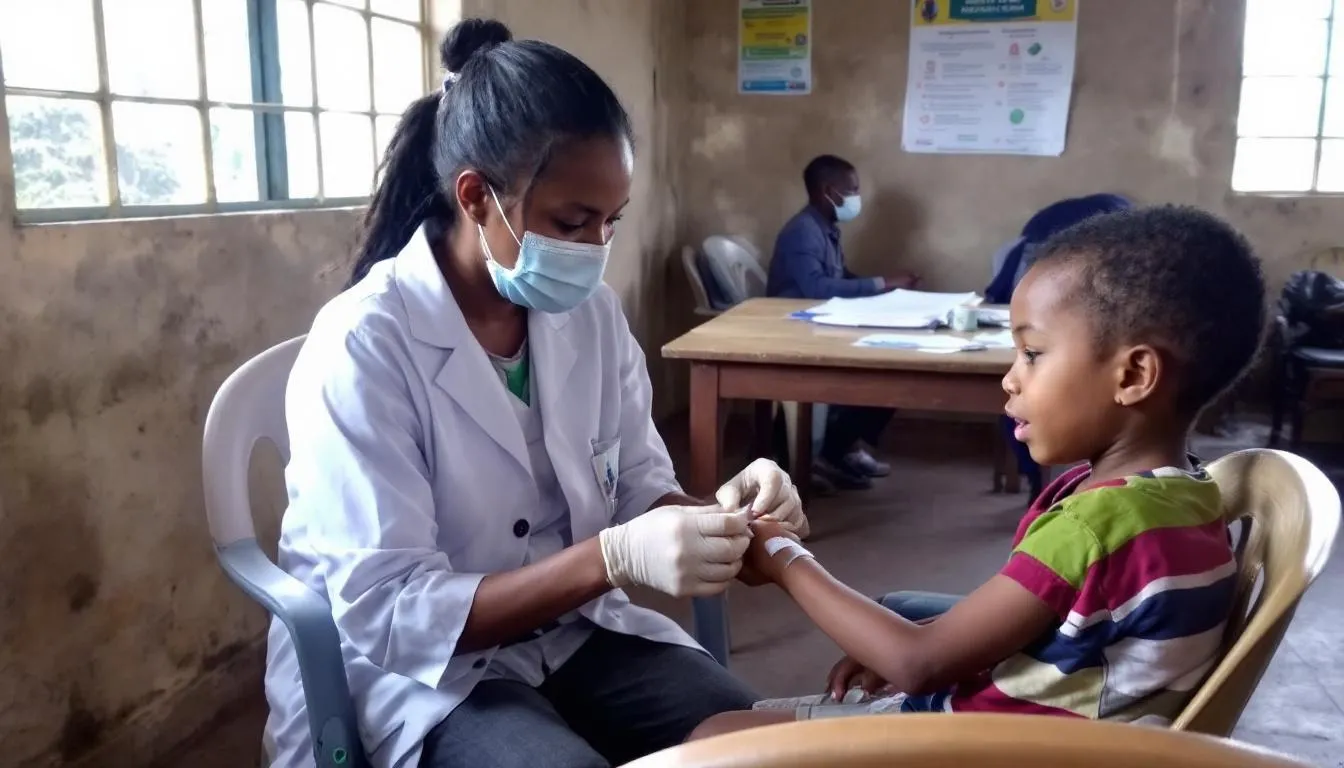
Primary prevention focuses on preventing infection before exposure occurs, with vaccination representing the most successful primary prevention strategy in human history. Routine childhood vaccination programs have eliminated or dramatically reduced the burden of numerous diseases, while adult vaccination programs address age-specific risks and occupational exposures. Vector control strategies, including insecticide-treated bed nets for malaria prevention and mosquito control programs for arboviral diseases, represent crucial primary prevention approaches for vector-borne diseases.
Hand hygiene remains one of the most effective and cost-efficient infection prevention measures, reducing transmission of numerous pathogens including respiratory viruses, enteric pathogens, and healthcare-associated infections. Safe food and water practices prevent foodborne illness, while proper sanitation systems prevent numerous waterborne diseases that continue to affect billions of people globally.
Secondary prevention involves early detection and treatment to prevent progression to severe disease and reduce transmission to others. Screening programs for sexually transmitted infections allow for early treatment before complications develop, while contact tracing for infectious diseases helps identify and treat infected individuals before they develop symptoms and transmit to others.
Antimicrobial stewardship programs promote appropriate use of antibiotics, antifungals, and antivirals to preserve the effectiveness of these critical medications while preventing the development of resistance. These programs are essential in both healthcare settings and community practice, requiring coordination between prescribers, pharmacists, and public health authorities.
Infection control measures in healthcare settings prevent transmission of pathogens between patients, healthcare workers, and visitors. Standard precautions apply to all patient encounters, while transmission-based precautions provide additional protection for patients infected with particularly contagious or dangerous pathogens. Personal protective equipment, environmental cleaning, and isolation protocols form the foundation of healthcare infection control.
Public health interventions during outbreaks may include quarantine for exposed individuals, isolation for infected patients, social distancing measures to reduce transmission, travel restrictions to prevent geographic spread, and mass prophylaxis campaigns to protect susceptible populations. The effectiveness of these interventions depends on early implementation, community compliance, and adequate resources for enforcement.
The One Health approach recognizes the interconnections between human, animal, and environmental health, promoting coordinated surveillance and response across these sectors. Many emerging infectious diseases originate in animal populations before spilling over to humans, making surveillance of animal diseases crucial for preventing human outbreaks. Environmental monitoring can detect pathogens in water systems, soil, or air before human cases occur.
In my experience responding to infectious disease outbreaks across multiple continents, I have witnessed both the devastating impact of these diseases and the remarkable human capacity to respond effectively when equipped with scientific knowledge, adequate resources, and political commitment. The comprehensive understanding of infectious diseases presented in this overview provides the foundation for evidence-based prevention and control efforts that can protect individuals, communities, and global populations.
The battle against infectious diseases is ongoing and requires sustained vigilance, continued investment in research and public health infrastructure, and recognition that health security depends on addressing the social and environmental conditions that facilitate disease emergence and spread. As we face an uncertain future marked by climate change, increasing urbanization, and continued global connectivity, our collective response to infectious diseases will determine not only individual health outcomes but the stability and prosperity of human civilization itself.
The complex interplay of biology, behavior, environment, and inequality that shapes infectious disease patterns demands comprehensive approaches that address root causes while maintaining capacity for rapid response to emerging threats. By understanding the full spectrum of infectious diseases and their determinants, we can work toward a future where preventable infectious diseases no longer claim millions of lives or disrupt societies worldwide.

