
Table of Contents
Published: June 16, 2026
Read Time: 31.5 Mins
Total Views: 249
After decades working in infectious diseases and public health, I’ve learned that the question isn’t whether we can prevent the disease—it’s whether we have the collective will to implement what we already know works. Every outbreak I’ve investigated, every chronic disease epidemic I’ve studied, and every health crisis I’ve helped manage has reinforced a fundamental truth: disease prevention succeeds when we integrate personal health behaviors, environmental design, medical innovation, and policy-level interventions into one coherent framework.
The COVID-19 pandemic laid bare both our prevention capabilities and our systemic failures. We developed vaccines in record time, implemented infection control measures that saved millions of lives, and demonstrated the power of coordinated public health responses. Yet we also witnessed how health inequities, misinformation, and fragmented systems can undermine even our most sophisticated prevention strategies. These lessons underscore why effective disease prevention requires far more than individual responsibility—it demands systemic transformation.
Today, chronic diseases account for 70% of deaths in the United States, with many entirely preventable through evidence-based interventions. Meanwhile, infectious diseases continue to pose existential threats to global security, while new pathogens emerge with concerning regularity. The convergence of these challenges demands a prevention framework that addresses root causes, builds resilient systems, and ensures equitable access to life-saving interventions.
The Science of Disease Prevention: Understanding the Four Pillars
Disease prevention operates across four distinct but interconnected levels, each targeting different stages of disease progression with specific interventions designed to maximize population health outcomes. Understanding these prevention levels provides the scientific foundation for comprehensive health strategies that address both immediate threats and long-term health security.
Primordial prevention addresses fundamental social determinants and environmental conditions before risk factors emerge in populations. This approach focuses on creating societal conditions that foster health from birth through policy changes, urban planning, and educational systems. For example, designing neighborhoods with walkable infrastructure, ensuring access to healthy foods, and implementing clean air regulations create environments where healthy behaviors become the default choice rather than requiring individual willpower.
Primary prevention targets individuals who are susceptible but not yet affected by disease, aiming to stop illness before it starts through direct risk reduction. Vaccination represents the most successful primary prevention intervention in human history—smallpox eradication, achieved through coordinated global immunization campaigns, prevented an estimated 200 million deaths. Current CDC vaccination schedules for children prevent 42,000 deaths and 20 million cases of disease annually, while adult immunizations against influenza, pneumonia, and human papillomavirus continue to reduce disease burden across all age groups.
Secondary prevention focuses on early detection of disease in asymptomatic individuals through screening programs that identify conditions when treatment is most effective. The success of cervical cancer screening through Pap smears demonstrates this approach’s power—deaths from cervical cancer have declined by more than 70% since widespread screening began. Similarly, mammography screening prevents approximately 40% of breast cancer deaths among women aged 50-69, while colonoscopy screening reduces colorectal cancer mortality by 68% when implemented according to current screening recommendations.
Tertiary prevention intervenes to limit the impact of established disease through comprehensive management that prevents complications, disability, and premature death. For patients with diabetes, proper glycemic control, blood pressure management, and preventive foot care reduce complications by 60-70%. Cardiac rehabilitation programs after heart attacks decrease mortality by 13% and rehospitalization by 31%, demonstrating how systematic tertiary prevention transforms chronic disease outcomes.
Research published in The Lancet demonstrates that combining these prevention strategies achieves remarkable results—comprehensive cardiovascular disease prevention programs reduce heart attacks and strokes by 80% when implemented systematically across populations. The economic evidence is equally compelling: every dollar invested in evidence-based prevention saves $5.60 in healthcare costs according to National Institutes of Health studies, with some interventions like childhood vaccination programs generating returns exceeding $44 for every dollar spent.

Personal Health Behaviors: Your First Line of Defense
Individual health behaviors form the foundation of disease prevention, yet these behaviors occur within social, economic, and environmental contexts that either support or undermine healthy choices. Evidence-based lifestyle modifications can prevent or delay the onset of most chronic diseases while significantly reducing infection risks and improving overall health outcomes.
Vaccination schedules based on CDC recommendations for 2024 provide essential protection against vaccine-preventable diseases throughout life. Adults should receive annual influenza vaccines, Tdap boosters every 10 years, and age-appropriate immunizations for pneumonia, shingles, and human papillomavirus. Children require systematic immunization beginning at birth, with vaccines preventing serious health problems including measles, polio, and pertussis. These vaccines work by training the adaptive immune system to recognize and respond to specific pathogens, providing protection that often lasts for decades.
Hand hygiene protocols represent one of the most cost-effective infection control measures available, reducing transmission of many infectious diseases by 50% according to Johns Hopkins research. Proper handwashing with soap and water for at least 20 seconds, or alcohol-based hand sanitizers when water isn’t available, interrupts the chain of infection for respiratory illnesses, gastrointestinal infections, and other diseases spread through contaminated surfaces and personal items.
Nutrition strategies grounded in Mediterranean diet principles reduce chronic disease risk by 30% based on British Medical Journal meta-analyses. This approach emphasizes whole grains, vegetables, fruits, lean proteins, and healthy fats while limiting processed foods, added sugars, and excessive sodium. Specific dietary components like omega-3 fatty acids from fish provide anti-inflammatory benefits, while adequate fiber intake from vegetables and whole grains supports cardiovascular health and helps maintain healthy body mass index.
Physical activity guidelines recommend 150 minutes of moderate-intensity exercise weekly, an intervention that prevents 14 distinct chronic conditions including heart disease, diabetes, certain cancers, and depression. Regular physical activity strengthens the cardiovascular system, improves insulin sensitivity, enhances immune function, and reduces chronic inflammation. Even modest increases in activity levels—such as taking stairs instead of elevators or walking during lunch breaks—provide measurable health benefits for adults and children.
Sleep optimization requires 7-9 hours nightly for adults, with adequate sleep reducing diabetes risk by 40% according to WHO sleep studies. Quality sleep supports immune function, allows for cellular repair, regulates hormones controlling appetite and stress, and maintains cognitive performance. Poor sleep patterns increase risks for obesity, high blood pressure, heart disease, and mental health problems, making sleep hygiene a critical component of comprehensive prevention strategies.
Stress management techniques proven to lower cortisol and inflammation markers include regular meditation, deep breathing exercises, social support networks, and professional counseling when needed. Chronic stress contributes to numerous health problems by dysregulating immune function, increasing inflammation, and promoting unhealthy coping behaviors like tobacco use or excessive alcohol consumption.
Environmental Design and Community Prevention
Environmental factors shape health outcomes more powerfully than individual behaviors alone, making community-level prevention strategies essential for population health improvement. Built environments, infrastructure systems, and community policies create conditions that either promote or undermine health across entire populations.
Built environment factors demonstrate remarkable impact on population health outcomes. Walkable neighborhoods with sidewalks, bike lanes, and accessible public transportation reduce obesity rates by 25% compared to car-dependent communities. Cities like Copenhagen and Amsterdam, which prioritize cycling infrastructure, show significantly lower rates of cardiovascular disease and diabetes. Urban planning that incorporates green spaces provides additional benefits—access to parks and natural areas reduces stress, improves mental health, and encourages physical activity while also improving air quality.
Air quality improvements prevent approximately 200,000 premature deaths annually in the United States through regulations controlling industrial emissions, vehicle standards, and monitoring systems. The Clean Air Act’s implementation led to a 73% reduction in air pollution between 1970 and 2020, preventing millions of cases of respiratory illnesses, heart disease, and premature death. Indoor air quality matters equally—proper ventilation systems, smoking bans, and control of volatile organic compounds protect against asthma, allergies, and respiratory infections.
Water sanitation systems represent one of public health’s greatest achievements, virtually eliminating cholera, dysentery, and other waterborne diseases in developed nations. Community-wide water treatment, fluoridation programs that prevent dental disease, and sewage treatment systems create the infrastructure foundation for population health. However, aging water systems, environmental contamination, and climate change continue to pose challenges requiring ongoing investment and monitoring.
Food safety protocols prevent an estimated 76 million foodborne illnesses yearly through restaurant inspections, agricultural standards, supply chain monitoring, and consumer education. Farm-to-table food safety systems include proper handling, storage, and preparation practices that protect against salmonella, E. coli, and other pathogens. Community-level interventions like farmers’ markets, community gardens, and improved grocery store access in food deserts address both food safety and food security simultaneously.
Workplace wellness programs show 28% reductions in sick leave according to Harvard studies when they include comprehensive health promotion, ergonomic improvements, stress reduction initiatives, and occupational safety measures. Effective programs address both physical hazards and psychosocial factors, creating work environments that support employee health while reducing healthcare costs and improving productivity.

Medical Innovation and Breakthrough Prevention Technologies
Rapid advances in medical technology and scientific understanding continue to expand our capacity to prevent disease through increasingly precise, personalized, and effective interventions. These innovations transform prevention from broad population-based approaches to targeted strategies that address individual risk profiles and emerging health threats.
Vaccine development success stories demonstrate the power of scientific innovation in disease prevention. Human papillomavirus vaccines prevent 90% of cervical cancers by protecting against the viral infections that cause most cases. These vaccines work best when administered before sexual activity begins, highlighting the importance of routine childhood and adolescent immunization programs. Similarly, the rapid development of COVID-19 vaccines using mRNA technology represents a breakthrough that will accelerate future vaccine development against emerging infectious diseases.
Genetic screening for inherited conditions like BRCA mutations reduces breast cancer mortality by 60% among high-risk women through enhanced surveillance, prophylactic treatments, and lifestyle modifications. Genetic counseling helps individuals understand their family history, assess their risks for hereditary diseases, and make informed decisions about prevention strategies. As genetic testing becomes more accessible and comprehensive, personalized prevention plans based on individual genetic profiles will become standard primary care practice.
Artificial intelligence-powered diagnostic tools detect diseases 5 years earlier than traditional methods by analyzing patterns in medical imaging, laboratory results, and electronic health records. AI systems can identify early signs of diabetic retinopathy, cardiovascular disease, and certain cancers before symptoms appear, enabling interventions that prevent progression to advanced disease stages. These technologies show particular promise for expanding access to specialist-level diagnostic capabilities in underserved communities.
Telemedicine has expanded preventive care access to rural communities by 400%, enabling remote consultations, chronic disease monitoring, and health education delivery to populations previously limited by geographic barriers. Virtual care platforms support medication adherence, lifestyle counseling, and regular health monitoring while reducing costs and travel burdens. The pandemic accelerated telemedicine adoption, demonstrating its potential to democratize access to preventive services.
Wearable technology monitoring vital signs, physical activity, sleep patterns, and other health metrics provides real-time feedback that supports healthy behaviors and early detection of health problems. Devices that track heart rate variability can predict illness 2-3 days before symptoms appear, while continuous glucose monitors help people with diabetes maintain optimal blood sugar control. Integration of wearable data with electronic health records enables healthcare providers to deliver more personalized prevention recommendations.
Precision medicine approaches tailor prevention strategies to individual genetic profiles, environmental exposures, and lifestyle factors. Pharmacogenomics helps clinicians select medications and dosages based on genetic variants that affect drug metabolism, reducing adverse reactions and improving effectiveness. This personalized approach to prevention will become increasingly important as our understanding of genetic, environmental, and lifestyle interactions expands.
Policy-Level Interventions: Systemic Prevention Strategies
Population health improvements require policy interventions that create supportive environments, regulate harmful exposures, and ensure equitable access to prevention services. The most successful prevention strategies operate at scale through legislation, regulation, and system-wide changes that make healthy choices easier and unhealthy choices more difficult.
Tobacco control policies prevent 8 million deaths globally per year through comprehensive approaches including taxation, smoking bans, advertising restrictions, and cessation support programs. The United States reduced adult smoking rates from over 40% in the 1960s to under 14% by 2019 through sustained policy efforts. These interventions demonstrate how coordinated policy approaches can achieve dramatic population health improvements by addressing environmental, economic, and social factors that influence tobacco use.
Sugar taxes implemented in Mexico, Berkeley, and other jurisdictions reduce childhood obesity rates by 20% through price mechanisms that discourage consumption of sugar-sweetened beverages. These policies generate revenue for health programs while addressing one of the leading dietary risk factors for obesity, diabetes, and dental disease. Successful implementation requires careful attention to equity concerns and complementary programs that improve access to healthy alternatives.
Universal healthcare coverage improves preventive care utilization by 65% by removing financial barriers that prevent people from accessing immunizations, screenings, and health education services. Countries with universal systems consistently achieve better population health outcomes at lower costs compared to systems that rely primarily on private insurance. Coverage expansion under the Affordable Care Act increased preventive care utilization significantly, particularly among low-income adults and communities of color.
School nutrition programs reach 30 million U.S. children daily through breakfast and lunch programs that provide essential nutrients while establishing healthy eating habits early in life. These programs reduce food insecurity, improve academic performance, and help prevent childhood obesity when they emphasize whole grains, vegetables, and other nutrient-dense foods while limiting processed foods and added sugars.
Occupational safety regulations prevent 4.6 million workplace injuries annually through standards that protect workers from hazardous exposures, dangerous equipment, and unsafe working conditions. The Occupational Safety and Health Administration’s regulations have reduced workplace fatality rates by 65% since 1970, demonstrating how regulatory frameworks protect population health while supporting economic productivity.
International health regulations coordinate global disease surveillance and response through the World Health Organization’s International Health Regulations framework. This system enables rapid detection and response to disease outbreaks that could threaten global health security, as demonstrated during the COVID-19 pandemic response efforts. Strengthening global health governance remains essential for preventing future pandemics and addressing health threats that cross national borders.
Health Equity and Access Challenges
Disease prevention efforts must explicitly address the systemic barriers that create and perpetuate health disparities, ensuring that all communities benefit from evidence-based interventions regardless of income, race, geography, or other social factors.
|
Income Level |
Vaccination Coverage |
Cancer Screening |
Preventive Care Access |
|---|---|---|---|
|
Low income |
68% |
45% |
52% |
|
Middle income |
82% |
67% |
74% |
|
High income |
91% |
84% |
89% |
These disparities reflect multiple barriers including cost, transportation, language, cultural factors, and historical medical mistrust rooted in documented discrimination and exploitation. Marginalized communities often face the greatest exposure to health risks while having the least access to prevention services, creating a double burden that perpetuates health inequities across generations.
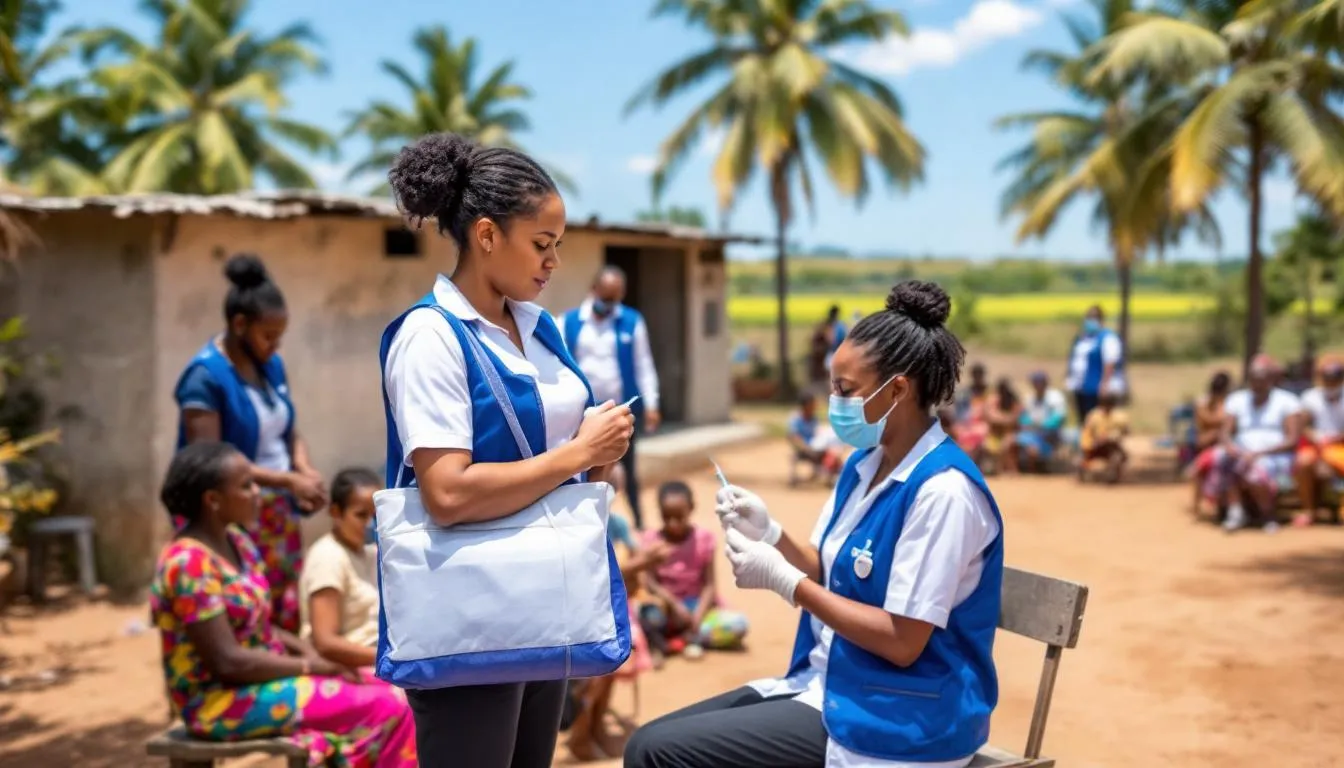
Solutions require comprehensive approaches that address structural barriers while building community capacity and trust. Community health workers provide culturally competent care and serve as bridges between healthcare systems and underserved populations. Mobile clinics bring prevention services directly to communities lacking healthcare infrastructure. Culturally adapted health education programs address specific community needs and preferences while respecting diverse health beliefs and practices.
Success stories from Rwanda’s community health program and Brazil’s Family Health Strategy demonstrate how systematic investments in primary health care and community engagement can achieve remarkable health improvements even in resource-limited settings. These programs prioritize prevention, train community members as health workers, and integrate health services with social support systems.
Immunity and Infection Control: Building Biological Defenses
Understanding how the immune system works and how to support its function provides the scientific foundation for preventing infectious diseases through both natural immunity development and medical interventions that enhance our biological defenses against pathogens.
The immune system operates through two complementary mechanisms: innate immunity provides immediate, non-specific responses to pathogens, while adaptive immunity develops specific, long-lasting protection against particular diseases. Innate immunity includes physical barriers like skin and mucous membranes, cellular defenses like neutrophils and macrophages, and chemical mediators that coordinate inflammatory responses. Adaptive immunity involves B cells that produce antibodies and T cells that kill infected cells and coordinate immune responses.
Vaccines work by safely exposing the immune system to weakened, killed, or genetically engineered components of pathogens, stimulating the development of memory cells that provide rapid protection if future exposure occurs. The measles vaccine, for example, provides lifelong immunity in 97% of people who receive two doses, demonstrating how adaptive immunity can be harnessed to prevent disease. Modern vaccine platforms like mRNA technology allow rapid development of vaccines against new pathogens while maintaining excellent safety profiles.
Herd immunity thresholds vary by disease based on how easily pathogens spread between people. Measles requires 95% vaccination coverage to prevent outbreaks because it spreads so efficiently, while polio control requires 80% coverage according to WHO data. These thresholds explain why vaccine coverage must remain high even after diseases become rare—small decreases in vaccination rates can lead to outbreaks that threaten entire communities.
Antimicrobial resistance prevention requires appropriate antibiotic use to preserve the effectiveness of these life-saving medications. Overuse and misuse of antibiotics in both human medicine and agriculture selects for resistant bacterial strains that threaten global health security. Preventing resistance requires completing prescribed antibiotic courses, avoiding antibiotics for viral infections, and supporting stewardship programs that optimize antibiotic prescribing in healthcare settings.
Hospital infection control reduces healthcare-associated infections by 70% through systematic implementation of hand hygiene, isolation precautions, environmental cleaning, and antimicrobial stewardship. These infections affect 1 in 31 hospitalized patients on any given day, making prevention strategies essential for patient safety and healthcare quality improvement.
Microbiome health supports immune function through the trillions of beneficial bacteria that live in and on our bodies. A diverse, healthy microbiome helps train the immune system, prevents colonization by harmful pathogens, and produces beneficial compounds that support overall health. Diet, antibiotic use, stress, and environmental exposures all influence microbiome composition, making microbiome support an emerging frontier in prevention science.
Genetic and Lifestyle Risk Modification
Personalized prevention strategies increasingly integrate genetic information with lifestyle factors to develop targeted interventions that address individual risk profiles while recognizing that most diseases result from complex interactions between genetic predisposition and environmental factors.
Family history assessment provides essential information for identifying inherited disease risks and guiding prevention strategies. Cardiovascular disease, diabetes, and many cancers show strong familial clustering that reflects both genetic factors and shared environmental exposures. Systematic family history collection helps healthcare providers recommend appropriate screening schedules, lifestyle modifications, and preventive treatments tailored to individual risk levels.
Genetic counseling for inherited conditions like Huntington’s disease, cystic fibrosis, and hereditary cancer syndromes helps individuals understand their risks, make informed reproductive decisions, and develop personalized prevention plans. Genetic counselors provide education, risk assessment, and psychological support while helping people navigate complex decisions about genetic testing and prevention options.
Lifestyle modifications can override genetic predispositions in 60% of cases through sustained changes in diet, physical activity, stress management, and environmental exposures. The Finnish Diabetes Prevention Study demonstrated that intensive lifestyle interventions prevent type 2 diabetes even among people with high genetic risk and pre-diabetes. This research shows that genetic predisposition represents probability rather than destiny when combined with effective lifestyle interventions.
Pharmacogenomics personalizes medication choices based on genetic variants that affect drug metabolism, effectiveness, and adverse reaction risks. Testing for genetic variants in cytochrome P450 enzymes helps clinicians select appropriate medications and dosages for conditions like depression, cardiovascular disease, and psychiatric disorders, reducing trial-and-error prescribing while improving outcomes.
Epigenetic factors demonstrate how environmental exposures influence gene expression patterns that can be transmitted across generations. Maternal nutrition, stress exposure, and environmental toxins during pregnancy can alter fetal gene expression in ways that affect disease risk throughout life. Understanding epigenetic mechanisms opens new avenues for prevention interventions that address not only current health but also health outcomes in future generations.
Risk calculators combine genetic, lifestyle, and environmental factors to estimate individual disease probabilities and guide prevention decisions. The Framingham Risk Score for cardiovascular disease, BRCA gene mutation testing for breast cancer, and polygenic risk scores for multiple conditions help healthcare providers and patients make informed decisions about screening intensity, preventive medications, and lifestyle modifications.
Screening and Early Detection Programs
Secondary prevention through systematic screening programs identifies diseases in their earliest, most treatable stages, often before symptoms appear and when interventions are most effective at preventing disease progression and improving outcomes.
Cancer screening guidelines updated by the American Cancer Society for 2024 reflect evolving evidence about optimal screening ages, intervals, and methods. Mammography screening for breast cancer now begins at age 40 for average-risk women, while cervical cancer screening combines Pap smears with human papillomavirus testing every 5 years for women aged 30-65. Colorectal cancer screening begins at age 45 for average-risk individuals, with multiple screening options including colonoscopy, stool-based tests, and CT colonography.
Cardiovascular risk assessment prevents heart attacks in 40% of high-risk patients through systematic evaluation of blood pressure, cholesterol levels, smoking status, diabetes, and other risk factors. The American Heart Association’s cardiovascular risk calculator helps guide decisions about preventive medications like statins and antihypertensive drugs, while lifestyle counseling addresses modifiable risk factors that contribute to heart disease and stroke.
Mental health screening in primary care settings detects depression in 80% of cases when implemented systematically using validated instruments like the PHQ-9 depression scale. Early identification enables prompt treatment that prevents symptom progression and reduces suicide risk while improving quality of life and functional outcomes. Screening for anxiety, substance use disorders, and other mental health conditions follows similar evidence-based approaches.
Diabetes prevention programs reduce type 2 diabetes incidence by 58% among high-risk individuals through structured lifestyle interventions that address diet, physical activity, and weight management. The National Diabetes Prevention Program provides evidence-based curriculum delivered through community organizations, healthcare systems, and employers, demonstrating how systematic prevention programs can achieve population-scale health improvements.
Osteoporosis screening prevents 70% of hip fractures in women over 65 through bone density testing that identifies individuals at high fracture risk who benefit from preventive treatments. Dual-energy X-ray absorptiometry (DEXA) scans provide precise measurements of bone density, while risk assessment tools incorporate additional factors like previous fractures, family history, and medication use.
Cost-effectiveness analysis demonstrates that mammography screening saves $2.50 per dollar invested when implemented according to evidence-based guidelines. Similarly, colorectal cancer screening generates substantial economic returns while preventing thousands of cancer deaths annually. These economic evaluations help policymakers and healthcare systems allocate resources efficiently while maximizing population health benefits.

Global Health Perspectives and Infectious Disease Prevention
Infectious disease prevention requires international cooperation because pathogens do not respect national borders, making global health security a shared responsibility that depends on strengthening health systems worldwide and maintaining robust surveillance and response capabilities.
Vaccine-preventable diseases elimination through global campaigns represents some of humanity’s greatest public health achievements. Smallpox eradication, certified by the World Health Organization in 1980, prevented an estimated 200 million deaths and saved billions of dollars in healthcare costs. The Global Polio Eradication Initiative has reduced wild poliovirus cases by more than 99% since 1988, bringing the world to the brink of eliminating this devastating disease through sustained vaccination campaigns and surveillance efforts.
COVID-19 lessons learned provide crucial insights for future pandemic preparedness and response. The pandemic demonstrated both the power of coordinated scientific response—developing effective vaccines in less than a year—and the consequences of inadequate global cooperation, delayed responses, and health system fragmentation. Key lessons include the importance of early detection and reporting, transparent information sharing, equitable vaccine distribution, and maintaining essential health services during emergency responses.
Climate change impacts on infectious disease patterns require adaptive prevention strategies that address changing disease vectors, expanding geographic ranges of vector-borne diseases, and increased risks from extreme weather events. Rising temperatures allow disease-carrying mosquitoes to survive at higher altitudes and latitudes, potentially exposing new populations to malaria, dengue, and other diseases. Food and water security threats from climate change increase risks of malnutrition and waterborne diseases, particularly in vulnerable populations.
International cooperation prevents cross-border disease transmission through the World Health Organization’s International Health Regulations framework, which requires countries to develop core surveillance and response capacities. This system enables rapid detection and reporting of disease outbreaks that could constitute public health emergencies of international concern, facilitating coordinated global responses to emerging health threats.
One Health approaches recognize the interconnections between human, animal, and environmental health, addressing diseases that spread between species and environmental factors that influence disease emergence. Most emerging infectious diseases originate in wild animals before crossing species barriers to infect humans, making surveillance at the human-animal interface essential for early detection. Environmental factors like deforestation, urbanization, and agricultural practices influence disease emergence patterns and transmission dynamics.
Digital health passports and global surveillance systems enable real-time disease tracking and coordinated international responses while balancing public health needs with privacy protection and individual rights. These systems facilitate safe international travel, enable rapid contact tracing during outbreaks, and support evidence-based decision-making about prevention measures and resource allocation.
Building Your Personal Prevention Action Plan
Effective disease prevention requires translating population-level evidence into personalized strategies that address individual risk factors, preferences, and circumstances while connecting with broader community and healthcare resources that support sustained behavior change.
Step-by-step implementation guide begins with comprehensive risk assessment that evaluates family history, current health status, lifestyle factors, and environmental exposures. Schedule an annual physical examination that includes appropriate screening tests based on age, gender, and risk factors. Review vaccination status and update immunizations according to CDC recommendations. Establish relationships with primary care providers who can coordinate preventive services and provide ongoing health guidance.
Risk assessment questionnaire based on CDC and NIH prevention guidelines helps identify priority areas for intervention:
-
Do you have a family history of heart disease, diabetes, or cancer?
-
Are you up to date on recommended vaccinations and screening tests?
-
Do you engage in regular physical activity and maintain a healthy diet?
-
Do you use tobacco, consume excessive alcohol, or have other substance use concerns?
-
Are you managing stress effectively and getting adequate sleep?
-
Do you practice safe behaviors to prevent infections and injuries?
Healthcare provider consultation checklist ensures productive discussions about prevention priorities:
-
Review family history and genetic risk factors
-
Discuss appropriate screening schedules and vaccination needs
-
Assess lifestyle factors and identify improvement opportunities
-
Evaluate medication needs for risk factor management
-
Develop personalized prevention goals with specific, measurable targets
-
Schedule follow-up appointments to monitor progress and adjust strategies
Technology tools and mobile applications support prevention goal tracking and health monitoring through platforms that integrate with electronic health records and wearable devices. Apps that track physical activity, nutrition, medication adherence, and biometric measurements provide real-time feedback and motivation for sustained behavior change. Telemedicine platforms enable convenient access to healthcare providers for prevention counseling and chronic disease management.
Community resources provide essential support for maintaining healthy behaviors through fitness centers, community gardens, walking groups, cooking classes, and peer support programs. Local health departments offer vaccination clinics, health screenings, and health education programs. Faith-based organizations, community centers, and workplace wellness programs create social environments that support healthy choices while providing accountability and encouragement.
Annual prevention calendar with screening reminders and health observances creates structure for maintaining preventive care:
-
January: Schedule annual physical examination and review prevention goals
-
February: Heart health awareness and cardiovascular risk assessment
-
March: Nutrition month and dietary goal evaluation
-
April: Physical activity challenges and fitness goal setting
-
May: Mental health awareness and stress management evaluation
-
June: Men’s health month and age-appropriate screening updates
-
July: UV safety and skin cancer prevention
-
August: Immunization awareness and vaccination status review
-
September: Healthy aging and fall prevention strategies
-
October: Breast cancer awareness and screening reminders
-
November: Diabetes awareness and blood sugar monitoring
-
December: Year-end health assessment and goal setting for following year

The Future of Disease Prevention: Emerging Trends and Opportunities
Technological advances, scientific discoveries, and evolving health challenges are reshaping disease prevention possibilities while creating new opportunities to prevent illness more effectively, efficiently, and equitably than ever before.
Artificial intelligence predicting disease outbreaks 6 months in advance represents a paradigm shift from reactive to proactive public health responses. Machine learning algorithms analyze patterns in surveillance data, social media posts, healthcare utilization, and environmental factors to identify early signals of emerging health threats. These systems enable public health officials to deploy prevention resources before outbreaks occur, potentially preventing millions of infections and saving countless lives.
Nanotechnology delivering targeted prevention therapies at the cellular level opens unprecedented possibilities for precise intervention. Nanoparticles can deliver vaccines directly to immune cells, enhance drug absorption and targeting, and provide sustained-release formulations that improve adherence to preventive medications. Nanosensors embedded in contact lenses or implanted devices can continuously monitor biomarkers and provide early warning of health changes before symptoms appear.
Gene therapy preventing inherited diseases before symptoms appear transforms our approach to genetic conditions that previously had no effective prevention options. CRISPR gene editing technology enables correction of disease-causing mutations, while gene therapy approaches can supplement defective genes or silence harmful ones. Clinical trials are underway for gene therapies that could prevent sickle cell disease, inherited blindness, and other genetic conditions.
Social media and digital health campaigns reach billions of people globally with prevention messages, health education, and behavior change interventions. These platforms enable rapid dissemination of accurate health information while combating misinformation that undermines prevention efforts. Successful digital campaigns have increased vaccination rates, promoted healthy behaviors, and supported disease awareness initiatives across diverse populations.
Blockchain technology ensures secure health data sharing for population health research while protecting individual privacy through encrypted, decentralized systems. This technology enables researchers to analyze large datasets for prevention insights while giving individuals control over their health information. Blockchain-based systems could support global disease surveillance, clinical trial recruitment, and personalized prevention recommendations.
Integration with smart cities and Internet of Things infrastructure creates environments that actively promote health through sensors that monitor air quality, traffic patterns, noise levels, and other environmental factors. Smart city systems can optimize traffic flow to reduce pollution exposure, provide real-time information about safe walking and cycling routes, and alert residents to environmental health risks. These systems represent the future of primordial prevention through environmental design.
The convergence of these technologies with our growing understanding of social determinants, genetic factors, and behavioral science creates unprecedented opportunities to prevent disease more effectively while addressing persistent health inequities. Success will require sustained investment in research, infrastructure, and workforce development while maintaining focus on equity, accessibility, and community engagement.
Conclusion: Building a Prevention-Centered Future
After witnessing firsthand the devastating costs of failing to prevent disease—from the millions of lives lost to COVID-19 to the epidemic of preventable chronic diseases that undermines our economic security and quality of life—I am convinced that our survival as healthy societies depends on fundamentally reorienting our approach from treatment to prevention.
The evidence presented throughout this framework demonstrates that we possess the scientific knowledge, technological capabilities, and policy tools necessary to prevent the vast majority of diseases that currently plague humanity. What we lack is the collective commitment to implement these solutions systematically, equitably, and sustainably across all levels of society.
Effective disease prevention requires recognizing that individual health behaviors, while important, occur within environmental, social, and policy contexts that either support or undermine healthy choices. We cannot prevent disease through individual responsibility alone—we must create systems that make healthy choices accessible, affordable, and culturally appropriate for all communities.
The COVID-19 pandemic taught us that health security is collective security. No community is protected until all communities are protected. This principle applies equally to chronic disease prevention, mental health promotion, and environmental health protection. Our prevention efforts must explicitly address the social determinants that create and perpetuate health disparities while building trust with communities that have experienced historical discrimination and neglect.
The future of disease prevention lies in integration—combining personal empowerment with systemic change, individual interventions with population-level strategies, technological innovation with community wisdom, and local action with global cooperation. We must build prevention systems that are resilient, adaptive, and responsive to emerging health challenges while maintaining unwavering commitment to equity and justice.
Every vaccination administered, every policy enacted to reduce environmental health risks, every community program that promotes healthy behaviors, and every healthcare interaction that prioritizes prevention over treatment contributes to building societies where health is protected, promoted, and sustained for all people. This is not just a public health imperative—it is a moral obligation and an economic necessity that will determine whether future generations inherit a world where disease prevention is a reality rather than an aspiration.
The time for half-measures and incremental change has passed. We must embrace the full potential of prevention science, invest in the infrastructure and workforce necessary for implementation, and commit to the systemic changes required to create truly healthy societies. Our future depends on it.