Table of Contents
Published: October 13, 2025
Read Time: 19.7 Mins
Total Views: 176
In my decades of clinical practice and public health leadership, I’ve observed a profound evolution in how patients and healthcare providers approach therapeutic interventions. The term “holistic drug” has emerged at the intersection of conventional medicine and integrative health practices, representing a paradigm shift that considers not just the disease, but the whole person—mind, body, and spirit—in treatment decisions. This comprehensive approach to healing acknowledges that optimal health requires attention to physical and mental health simultaneously, recognizing that lasting recovery often depends on addressing underlying factors that conventional treatments alone may not reach.
The growing acceptance of holistic approaches in mainstream medicine reflects both patient demand and accumulating scientific evidence supporting many integrative therapies. However, with this expansion comes the critical need for rigorous evaluation, safety protocols, and evidence-based practices to ensure that holistic treatments deliver genuine therapeutic benefit while minimizing risk.
What is a Holistic Drug?
A holistic drug refers to any therapeutic substance—whether derived from plants, synthesized in laboratories, or formulated through traditional medicine practices—that is employed within a framework of holistic medicine to promote comprehensive healing. Unlike conventional pharmaceuticals that typically target specific biological pathways or symptoms, holistic drugs are selected and utilized with consideration of the individual’s complete health profile, including emotional well being, spiritual aspects, and environmental factors.
The distinction between holistic drugs and conventional pharmaceuticals lies not necessarily in the substances themselves, but in the treatment philosophy guiding their use. A holistic approach to medication considers how a therapeutic agent affects the whole person, examining potential interactions with lifestyle factors, nutritional status, stress levels, and other treatments in the patient’s comprehensive treatment plan.

Examples of substances commonly considered holistic drugs include herbal medicines like turmeric (curcumin) for inflammation, St. John’s wort for mild depression, and adaptogenic herbs such as ashwagandha for stress management. Nutraceuticals like omega-3 fatty acids, probiotics, and vitamin D3 also fall into this category when used therapeutically rather than merely as dietary supplements. These substances fit into treatment plans that may also incorporate traditional medical treatments, behavioral therapies, nutritional therapy, and mind body practices.
The holistic therapy recognizes that healing occurs through multiple pathways and that the most effective treatment response often emerges from addressing physical aspects, mental health issues, and spiritual factors simultaneously. This integrative approach acknowledges that individuals develop coping skills more effectively when their treatment addresses the interconnected nature of human health.
Categories of Holistic Drugs in Integrative Medicine
Plant-based medicines represent perhaps the most extensive category of holistic drugs, with compounds like turmeric (curcumin) demonstrating significant anti-inflammatory properties in clinical studies. Ginkgo biloba has been researched for cognitive function, while St. John’s wort has shown efficacy comparable to conventional antidepressants for mild to moderate depression. Echinacea continues to be studied for immune system support, though evidence remains mixed regarding its effectiveness in preventing respiratory infections.
Nutraceuticals occupy a unique position in holistic medicine, bridging the gap between nutrition and pharmacology. Omega-3 fatty acids have accumulated substantial evidence for cardiovascular health and may support mental health through their anti-inflammatory effects. Probiotics demonstrate increasing therapeutic potential for digestive health and may influence the gut-brain axis, potentially affecting mood and cognitive function. Vitamin D3, when used therapeutically at higher doses under medical supervision, shows promise for immune function and may play a role in mental health maintenance.

Homeopathic preparations operate on principles of extreme dilution and succussion, though their mechanisms remain controversial within mainstream scientific frameworks. Despite limited evidence supporting homeopathic efficacy beyond placebo effects, these preparations continue to be utilized within certain holistic treatment programs, particularly in complementary roles alongside evidence-based interventions.
Traditional medicine compounds from Ayurvedic, Traditional Chinese Medicine, and Native American practices bring thousands of years of empirical observation to modern therapeutic applications. These systems often combine multiple herbs in complex formulations designed to restore balance and support the body’s natural healing processes. Such treatments recognize that mental health and physical health are inseparable aspects of overall well being.
Adaptogenic herbs like ashwagandha, rhodiola, and ginseng have gained particular attention for stress management and resilience building. Research suggests these compounds may help regulate the hypothalamic-pituitary-adrenal axis, potentially supporting the body’s ability to manage chronic stress and develop healthy coping mechanisms. This category of holistic drugs exemplifies how holistic methods address underlying factors that contribute to both physical and mental health challenges.
Scientific Evaluation of Holistic Drugs
The importance of peer-reviewed research and clinical trials for holistic drug efficacy cannot be overstated in responsible integrative medicine practice. Unlike anecdotal reports or traditional use claims, rigorous scientific evaluation provides the foundation for evidence-based practices that can be safely integrated into comprehensive treatment plans. Meta-analyses and systematic reviews have become essential tools for evaluating the collective evidence surrounding popular holistic drugs.
FDA regulation creates important distinctions between supplements and pharmaceutical drugs that practitioners and patients must understand. Dietary supplements, which include many substances used as holistic drugs, are not required to demonstrate safety and efficacy before market entry, unlike prescription medications. This regulatory gap places greater responsibility on healthcare providers and patients to evaluate quality, purity, and potential therapeutic benefit independently.
Bioavailability and pharmacokinetics studies reveal crucial information about how natural compounds are absorbed, metabolized, and eliminated by the body. For example, curcumin from turmeric has poor bioavailability when consumed alone, but formulations with piperine (from black pepper) or specialized delivery systems can significantly enhance absorption. Understanding these factors enables more effective therapeutic application and helps explain why some studies show benefits while others do not.
Evidence-based examples demonstrate the potential for holistic drugs to achieve measurable therapeutic outcomes. Omega-3 fatty acids have accumulated substantial evidence for cardiovascular health, with multiple large-scale studies demonstrating reduced risk of cardiac events. Probiotics show documented benefits for specific digestive conditions and may support immune function. However, the evidence base varies dramatically among different holistic drugs, with some showing robust support while others lack adequate scientific validation.
The challenge for healthcare providers lies in navigating this varied evidence landscape while maintaining scientific rigor. Patient education becomes crucial in helping individuals understand the difference between well-researched holistic drugs and those with limited or questionable evidence. This approach ensures that holistic treatment offers genuine therapeutic benefit rather than false hope or unnecessary expense.
Safety Considerations and Drug Interactions
Potential interactions between holistic drugs and conventional medications represent one of the most serious safety concerns in integrative medicine practice. St. John’s wort, while effective for mild depression, significantly induces cytochrome P450 enzymes, accelerating the metabolism of numerous prescription medications including antidepressants, birth control pills, and immunosuppressants. This interaction can render conventional treatments ineffective or require dose adjustments under medical supervision.
Ginkgo biloba presents bleeding risks when combined with anticoagulants like warfarin or newer blood thinners, as both the herb and medications affect blood clotting mechanisms. These examples illustrate why individuals develop coping skills more safely when their entire therapeutic regimen is coordinated by knowledgeable healthcare providers who understand both conventional and holistic pharmacology.
Quality control issues in supplement manufacturing create additional safety challenges that distinguish holistic drugs from pharmaceutical medications. Third-party testing for purity, potency, and contamination has become essential, as studies have revealed significant variations in active ingredient content among different brands and even different batches from the same manufacturer. Heavy metal contamination, undeclared pharmaceutical ingredients, and mislabeling represent serious quality control failures that can compromise patient safety.

Contraindications for specific populations require careful consideration in holistic drug selection. Pregnancy and breastfeeding present particular concerns, as many herbal medicines have not been adequately studied for safety during these periods. Children and elderly patients may have altered metabolism affecting how holistic drugs are processed and eliminated. Individuals with chronic conditions such as liver or kidney disease may face increased risks from substances that are generally considered safe in healthy adults.
The importance of consulting healthcare providers before starting holistic drug regimens cannot be emphasized enough. This consultation should include disclosure of all current medications, supplements, and health conditions to enable proper risk assessment. Medical detox programs increasingly incorporate holistic approaches, but only under careful medical supervision that monitors for both therapeutic effects and potential adverse reactions.
Healthcare providers specializing in integrative medicine develop protocols for monitoring patients using holistic drugs, including appropriate laboratory testing and symptom tracking. This systematic approach ensures that holistic treatment programs maintain safety standards comparable to conventional medical care while providing the benefits of comprehensive healing approaches.
Integration with Conventional Medicine
How integrative physicians combine holistic drugs with standard treatments represents a sophisticated approach to patient care that requires extensive knowledge of both pharmacological systems. Successful integration often involves using holistic drugs to address aspects of health that conventional medicine may not fully target, such as stress reduction, inflammation modulation, or supporting the body’s natural healing processes during conventional treatment.
Collaborative care models between MDs, NDs, and other healthcare providers create teams that can address the full spectrum of patient needs. Naturopathic doctors bring specialized training in herbal medicine and nutritional therapy, while medical doctors provide expertise in conventional pharmacology and disease management. This collaboration ensures that treatment plans integrate evidence-based approaches from multiple healing traditions while maintaining appropriate medical oversight.
Patient communication strategies for discussing holistic drug use with medical teams require openness and honesty about all therapeutic interventions. Many patients hesitate to disclose supplement use to their conventional physicians, often due to fear of judgment or dismissal. However, this communication gap can compromise safety and treatment effectiveness. Patients benefit from learning how to present information about holistic drugs in ways that facilitate productive discussions with their healthcare teams.
Documentation and monitoring protocols for holistic drug therapy mirror those used in conventional medicine, with systematic tracking of therapeutic responses, side effects, and any changes in conventional treatment effectiveness. This documentation supports evidence-based decision-making and helps identify patterns that might not be apparent without careful monitoring.
Insurance coverage considerations and cost-effectiveness evaluations increasingly influence treatment decisions in integrative medicine. While many holistic drugs and holistic therapies remain out-of-pocket expenses, some insurance plans now cover consultations with integrative medicine practitioners and certain evidence-based holistic treatments. Cost-effectiveness analyses compare the total cost of integrative approaches, including both conventional and holistic interventions, against conventional treatment alone.
The recovery process often benefits from this integrated approach, as patients experience more comprehensive support for both their immediate symptoms and underlying health factors. Holistic treatment programs within mainstream medical systems demonstrate how various holistic therapies can enhance rather than replace conventional care, creating synergistic effects that may improve overall treatment outcomes.
Clinical Applications in Chronic Disease Management
Holistic drugs for cardiovascular health demonstrate some of the strongest evidence for integrative approaches to chronic disease management. Red yeast rice contains naturally occurring statins and has shown cholesterol-lowering effects comparable to prescription medications in some studies, though quality control and dosing standardization remain concerns. Hawthorn has accumulated evidence for supporting heart function in mild heart failure, while Coenzyme Q10 (CoQ10) may help offset muscle-related side effects of statin medications.
Mental health applications represent another area where holistic drugs show significant therapeutic potential. S-adenosyl methionine (SAM-e) has demonstrated antidepressant effects in multiple clinical trials, with some studies suggesting efficacy comparable to conventional antidepressants but with fewer side effects. Magnesium supplementation may help reduce anxiety symptoms and improve sleep quality, particularly in individuals with documented magnesium deficiency.
Anti-inflammatory compounds offer particular promise for arthritis and autoimmune conditions, where chronic inflammation drives disease progression. Curcumin, when formulated for enhanced bioavailability, has shown significant anti-inflammatory effects that may complement conventional anti-inflammatory medications. Omega-3 fatty acids, particularly EPA (eicosapentaenoic acid), demonstrate measurable anti-inflammatory effects and may help reduce the need for nonsteroidal anti-inflammatory drugs in some patients.
Digestive health applications illustrate how holistic drugs can address underlying factors that conventional treatments may not fully resolve. Slippery elm and marshmallow root provide mucilaginous compounds that may soothe irritated digestive tissues, while digestive enzymes can support nutrient absorption in individuals with pancreatic insufficiency or other digestive challenges. These approaches often complement conventional treatments for inflammatory bowel conditions and functional digestive disorders.
The success of holistic drugs in chronic disease management often depends on addressing multiple contributing factors simultaneously. For example, a comprehensive approach to diabetes management might combine conventional glucose-lowering medications with chromium and alpha-lipoic acid for glucose metabolism support, omega-3s for cardiovascular protection, and stress-management techniques to address cortisol’s effects on blood sugar control.
Research Gaps and Future Directions
Current limitations in holistic drug research funding and methodology create significant challenges for advancing the evidence base supporting integrative medicine approaches. Unlike pharmaceutical companies that can invest millions in drug development with the prospect of patent protection and market exclusivity, natural compounds typically cannot be patented, reducing financial incentives for large-scale research investment.
The need for standardized extraction methods and quality control measures has become increasingly apparent as research reveals significant variations in active compound concentrations among different preparations of the same herb. Standardization challenges extend beyond simple potency to include the complex synergistic relationships among multiple compounds in whole plant extracts versus isolated active ingredients.
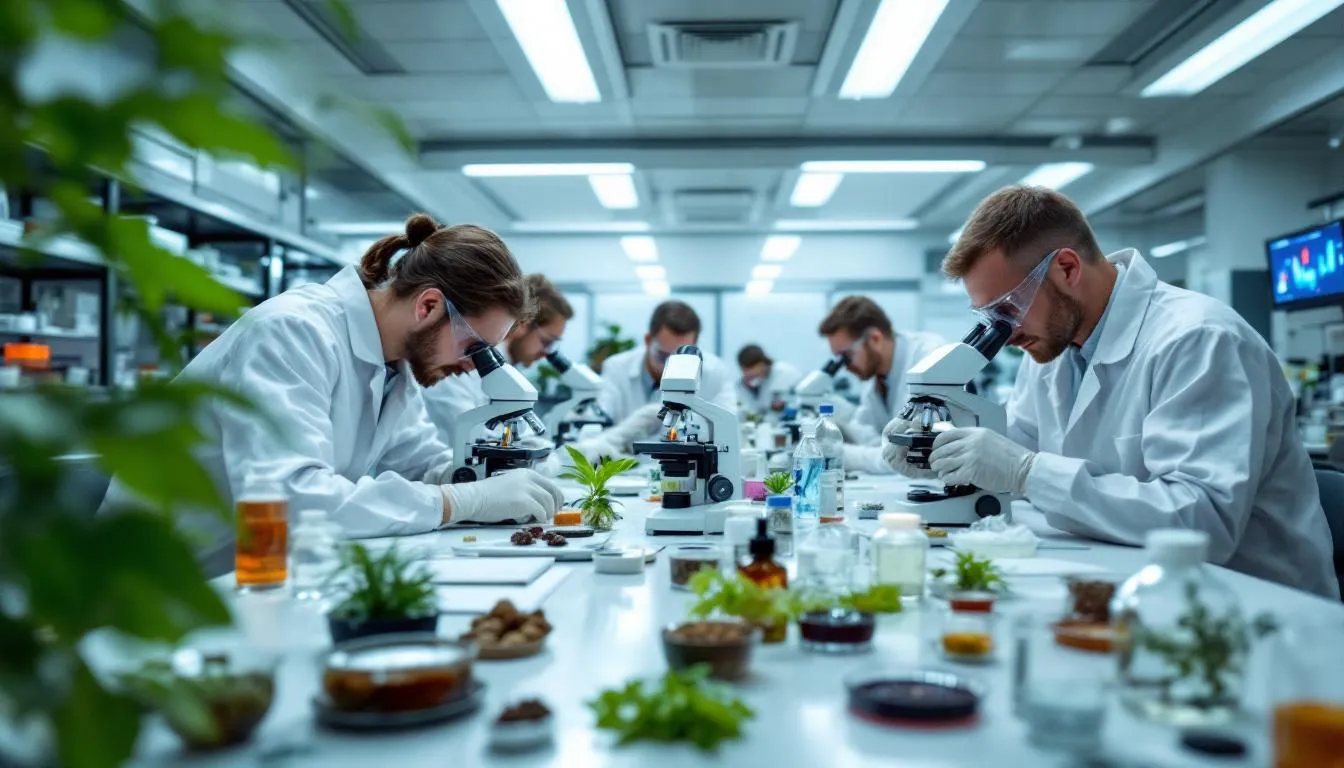
Personalized medicine approaches using genetic testing for holistic drug selection represent an emerging frontier that could revolutionize integrative medicine practice. Pharmacogenomic testing already informs conventional drug selection and dosing; similar approaches for holistic drugs could optimize therapeutic outcomes while minimizing adverse effects. For example, genetic variations in cytochrome P450 enzymes affect how individuals metabolize many herbal compounds, potentially explaining variable treatment responses among patients.
Emerging research on microbiome interactions with holistic drugs opens new avenues for understanding therapeutic mechanisms and optimizing treatment approaches. The gut microbiome influences the metabolism of many plant compounds, converting them into active metabolites that may be responsible for therapeutic effects. This research may explain why some individuals respond well to certain holistic drugs while others see little benefit from identical preparations.
Technology integration through artificial intelligence and machine learning in holistic drug development could accelerate the identification of promising compounds and predict therapeutic applications. AI systems can analyze vast databases of traditional medicine use, chemical structures, and biological targets to identify patterns that might not be apparent through conventional research approaches.
The integration of digital health tools offers new possibilities for monitoring treatment responses and optimizing holistic drug regimens. Wearable devices can track physiological parameters continuously, providing real-time feedback about how holistic drugs affect sleep, heart rate variability, activity levels, and other health indicators. This technology could enable more precise dosing and timing of holistic drug administration.
Responsible Use Guidelines for Patients
Steps for evaluating holistic drug claims and avoiding misinformation require developing critical thinking skills and reliable information sources. Patients should learn to distinguish between marketing claims and peer-reviewed research, understanding that testimonials and anecdotal reports, while potentially encouraging, do not constitute scientific evidence. Reputable sources include government health agencies, professional medical organizations, and peer-reviewed medical journals.
Questions to ask healthcare providers about holistic drug therapy should cover safety, evidence base, potential interactions, monitoring requirements, and expected timeframes for therapeutic effects. Patients should inquire about their provider’s training and experience with specific holistic drugs, as expertise varies significantly among healthcare professionals. Understanding the difference between general nutritional support and therapeutic dosing helps patients make informed decisions about treatment approaches.
Red flags in holistic drug marketing include unrealistic claims such as “miracle cures,” promises to treat multiple unrelated conditions, aggressive marketing tactics, and lack of scientific backing. Claims that a product is effective for virtually any condition or that it has no potential side effects should raise immediate skepticism. Legitimate holistic drugs, like conventional medications, have specific indications, contraindications, and potential adverse effects.
The importance of gradual introduction and monitoring for adverse effects mirrors safe practices in conventional medicine. Starting with lower doses and increasing gradually allows for assessment of individual tolerance and therapeutic response. Keeping detailed records of symptoms, effects, and any changes in other medications helps identify patterns and potential problems early.
Building a comprehensive health team including conventional and integrative practitioners ensures that all aspects of health receive appropriate attention. This team approach facilitates communication among providers and reduces the risk of contraindicated combinations or duplicated treatments. Patients benefit from understanding each provider’s role and expertise within their overall care plan.
The recovery journey, whether from acute illness or chronic conditions, often benefits from this comprehensive approach that addresses not only symptoms but also the underlying factors contributing to health challenges. Patients who develop coping skills through holistic approaches often report improved quality of life and greater sense of empowerment in managing their health.
The Future of Holistic Drugs in Healthcare
Growing acceptance in mainstream medicine and medical education curricula reflects the increasing recognition that integrative approaches can enhance conventional treatment outcomes. Medical schools are incorporating integrative medicine training into their programs, ensuring that future physicians understand both the potential benefits and limitations of holistic drugs. This education includes training in drug interactions, evidence evaluation, and safe integration practices.
Integration into hospital systems and academic medical centers demonstrates the maturation of integrative medicine from alternative practice to evidence-based healthcare. Major medical institutions now offer integrative medicine services, often including pharmacists with specialized training in supplement-drug interactions and physicians with dual expertise in conventional and holistic approaches.

Regulatory developments and standardization efforts by professional organizations aim to improve safety and quality in the holistic drug market. Organizations such as the United States Pharmacopeia (USP) are developing standards for dietary supplements, while professional medical societies are creating guidelines for safe integration of holistic drugs with conventional treatments.
Patient demand driving research and clinical implementation continues to push the boundaries of what integrative medicine can offer. As patients become more informed about holistic approaches and actively seek providers who can integrate multiple treatment modalities, healthcare systems respond by developing comprehensive programs that address mind, body, and spirit in healing processes.
The vision for evidence-based integrative medicine combines the best of both worlds: the scientific rigor and technological advances of conventional medicine with the holistic perspective and natural healing approaches of traditional medicine. This integration recognizes that addiction treatment, chronic disease management, and preventive care often benefit from comprehensive approaches that address the whole person rather than isolated symptoms.
Substance abuse treatment exemplifies this evolution, with holistic addiction treatment programs increasingly incorporating evidence-based holistic therapies alongside traditional treatments. These programs recognize that addiction recovery requires addressing not only physical withdrawal symptoms but also the psychological, social, and spiritual factors that contribute to substance use disorders. Treatment retention often improves when individuals participate in comprehensive programs that include group therapy, mindfulness practices, nutritional counseling, and other holistic practices.
Mental health treatment increasingly incorporates holistic methods that complement cognitive behavioral therapy and dialectical behavior therapy with approaches designed to reduce stress and promote relaxation. Art therapy, equine therapy, and creative therapies provide alternative pathways for emotional expression and healing that may reach individuals who struggle with traditional talk therapy approaches.
The comprehensive approach to healthcare that characterizes effective integrative medicine recognizes that promoting healing requires attention to all aspects of human experience. Physical health, emotional well being, spiritual factors, and social connections all contribute to overall well being and treatment response. Healthcare providers who understand these interconnections can develop more effective, personalized treatment plans that address the unique needs of each individual.
As our understanding of holistic drugs continues to evolve through rigorous research and clinical experience, the future promises more sophisticated approaches to integrative medicine that maintain scientific rigor while honoring the complexity of human health and healing. The challenge remains to continue developing evidence-based practices that can safely and effectively combine the best of conventional and holistic approaches to support optimal health and long term recovery for all patients.
This evolution in healthcare represents not a rejection of conventional medicine, but rather its expansion and refinement through the incorporation of complementary therapies and holistic approaches that address the full spectrum of human health needs. The ultimate goal remains unchanged: providing safe, effective, compassionate care that supports each individual’s journey toward optimal health and well being.